
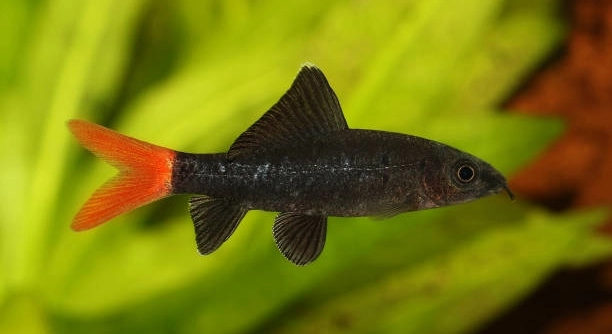
Caring for a Rainbow Shark means paying close attention to its environment, especially the water quality. Proper oxygen levels are essential for the fish’s health and activity. Many owners overlook how important good oxygenation is for a thriving tank.
Ensuring your Rainbow Shark’s tank is properly oxygenated involves maintaining good water circulation, using air pumps or filters that increase surface agitation, and regularly monitoring oxygen levels. These steps help create a healthy habitat that supports the fish’s respiratory needs.
Maintaining proper oxygen levels is simpler than many realize and can make a big difference in your fish’s wellbeing. Following these tips will help you keep your Rainbow Shark happy and healthy.
Keep the Water Moving
Moving water is essential for oxygen to enter the tank. Without circulation, oxygen levels can drop quickly, leaving your Rainbow Shark stressed. Using a good filter or an air pump helps keep the water flowing. Filters not only clean the water but also create surface movement. This movement allows oxygen to mix into the water more easily. You might notice small ripples or bubbles at the surface when the water is moving well. Avoid areas where water is still or stagnant because these spots have less oxygen. Make sure your filter is strong enough for your tank size. Sometimes, adjusting the flow direction helps improve circulation. Regularly check that the filter or pump is working properly. Cleaning equipment when needed keeps the flow consistent. Good water movement is one of the easiest ways to boost oxygen levels naturally.
Proper water circulation prevents oxygen from settling at low levels and keeps your Rainbow Shark comfortable and active.
When water moves steadily, oxygen mixes better with the tank environment. This supports your Rainbow Shark’s breathing and overall health. Stagnant water often means low oxygen and can cause your fish to become sluggish or hide more. Using devices like powerheads or spray bars can help increase movement. It’s important not to overdo it, though, because strong currents might stress your fish. Finding a balance where the water flows but does not overwhelm your Rainbow Shark is key. By maintaining consistent circulation, you ensure oxygen reaches every corner of the tank, promoting a stable and healthy habitat.
Regularly Check Oxygen Levels
Monitoring the oxygen levels in your tank is a simple but important step. Oxygen test kits are affordable and easy to use. They help you see if your tank needs attention.
Measuring oxygen helps catch problems early before your Rainbow Shark shows signs of distress.
Keeping track of oxygen levels means you can act quickly if they drop. Many fish stores sell oxygen test kits that use strips or liquid reagents to show oxygen concentration. Testing once a week gives a good overview of the tank’s condition. If you notice low oxygen, increase surface agitation or add an air stone. Temperature also affects oxygen; warmer water holds less oxygen, so keep your tank at the right temperature for your fish. Avoid overcrowding, as too many fish reduce oxygen faster. Monitoring helps you maintain a balanced environment and prevents sudden drops in oxygen that could harm your Rainbow Shark. Staying on top of oxygen levels is a key habit for any aquarium owner.
Use Live Plants
Live plants add oxygen naturally through photosynthesis. They absorb carbon dioxide and release oxygen during the day, improving water quality.
Choosing plants like Java fern or Anubias works well for Rainbow Shark tanks. These plants need low to moderate light and won’t compete aggressively for nutrients. Having a few healthy plants creates a balanced ecosystem and supports better oxygen levels. Remember, plants also consume oxygen at night, so it’s important to balance plant quantity with tank size. Proper plant care, such as trimming dead leaves and ensuring enough light, keeps them healthy and efficient in oxygen production. Adding live plants can be a simple way to boost oxygen and create a more natural environment for your fish.
Live plants also provide hiding places, which reduce stress for your Rainbow Shark. The healthier the plants, the more oxygen they produce, contributing to better water conditions overall.
Avoid Overcrowding
Overcrowding reduces oxygen quickly as more fish consume it. A crowded tank also raises waste levels, affecting water quality and oxygen availability.
Keep the number of fish suitable for your tank size. For a Rainbow Shark, one fish per 20 gallons is a good guideline. Too many fish means competition for oxygen and can lead to stress or illness. Maintaining proper stocking levels helps ensure oxygen is sufficient for all tank inhabitants. It also reduces the buildup of waste, which can consume oxygen during decomposition. Careful planning of your tank population supports a healthy balance and keeps your Rainbow Shark active and comfortable.
Maintain Proper Temperature
Water temperature affects oxygen levels because warmer water holds less oxygen. Keep your tank between 72°F and 79°F, which is ideal for Rainbow Sharks.
Using a reliable heater and thermometer helps maintain stable temperatures, avoiding sudden drops or spikes that stress your fish and reduce oxygen availability.
Use Air Stones or Bubble Wands
Air stones create bubbles that increase surface agitation, boosting oxygen exchange. They are inexpensive and easy to install.
Place air stones where water flow is low to improve circulation. This simple addition can greatly help maintain healthy oxygen levels for your Rainbow Shark.
Perform Regular Water Changes
Regular water changes remove waste and add fresh oxygen-rich water. Change about 20-30% of the tank water weekly.
Fresh water replenishes oxygen and improves overall water quality, keeping your Rainbow Shark healthy and active.
FAQ
How do I know if my Rainbow Shark is not getting enough oxygen?
If your Rainbow Shark is gasping at the surface or staying near the filter output where oxygen is higher, it may not be getting enough oxygen. Lethargy, loss of appetite, and unusual hiding can also be signs. Watch your fish closely for these behaviors.
Can too much oxygen harm my Rainbow Shark?
Excess oxygen is rarely a problem in home aquariums. However, very strong water currents caused by air pumps or filters can stress the fish. It’s better to focus on balanced oxygen levels and gentle water movement rather than increasing oxygen excessively.
Is an air pump necessary for every Rainbow Shark tank?
Not always. If your filter creates enough surface agitation, an air pump may not be needed. However, adding an air stone is a simple way to increase oxygen levels, especially in larger or heavily stocked tanks.
How often should I test oxygen levels in my tank?
Testing once a week is usually enough for most tanks. If you notice signs of low oxygen or your tank is heavily stocked, test more often. Regular testing helps catch problems early and keeps the environment stable.
Do live plants really help with oxygen levels?
Yes, live plants produce oxygen during photosynthesis when exposed to light. They also absorb carbon dioxide, which benefits water quality. But at night, plants consume oxygen, so balance the number of plants with tank size and fish load.
What tank size is best for a Rainbow Shark to ensure proper oxygenation?
A 20-gallon tank is the minimum recommended size for one Rainbow Shark. Larger tanks have more oxygen and space for better water circulation. Proper stocking density is key to maintaining good oxygen levels.
Can overfeeding affect oxygen levels?
Yes. Overfeeding increases waste and organic material that breaks down and uses oxygen. Feeding small amounts and removing uneaten food helps keep oxygen levels stable.
Will temperature changes affect oxygen levels?
Yes. Warmer water holds less oxygen, so keeping the tank temperature stable within the ideal range is important. Avoid rapid temperature changes to prevent stress and oxygen depletion.
Are there any plants that are better for oxygenation in a Rainbow Shark tank?
Low-maintenance plants like Java fern, Anubias, and Amazon sword are good choices. They don’t need high light and stay healthy, providing steady oxygen output without overwhelming the tank.
How can I improve oxygen levels without buying new equipment?
Increasing surface agitation by adjusting your filter output or rearranging decorations to improve water flow can help. Also, regular water changes and avoiding overcrowding naturally improve oxygen levels.
What maintenance steps help keep oxygen levels stable?
Regular cleaning of filters, weekly water changes, monitoring temperature, and trimming dead plant leaves help maintain water quality and oxygenation. Consistency is key to avoiding sudden drops in oxygen.
Is it okay to keep other fish with a Rainbow Shark regarding oxygen needs?
Yes, but avoid overcrowding. Choose species with similar oxygen and space needs. Overstocking increases oxygen demand and waste, stressing all fish.
How does lighting affect oxygen levels with live plants?
Proper lighting supports photosynthesis, helping plants produce oxygen. Too little light reduces oxygen output, while too much can cause algae growth. Balance lighting to support plants without harming water quality.
Can low oxygen levels cause diseases in Rainbow Sharks?
Yes, low oxygen weakens the immune system, making fish more vulnerable to infections. Maintaining good oxygen levels is important for overall health and disease prevention.
What signs show that the tank’s water circulation is poor?
Still water, debris settling on the bottom, and fish clustering near the filter output are signs. Poor circulation reduces oxygen exchange and can harm fish health.
How do I balance oxygenation and water current for a Rainbow Shark?
Aim for moderate water flow. Use adjustable filters or add diffusers to soften strong currents. Observe your fish’s behavior and adjust flow to keep them comfortable while ensuring oxygen levels are high.
Proper oxygenation is a key part of keeping a Rainbow Shark healthy and happy. Without enough oxygen, the fish can become stressed and weak, which may lead to illness. Ensuring good water movement, adding live plants, and avoiding overcrowding are simple but effective ways to maintain the right oxygen levels. Paying attention to these details can make a big difference in the well-being of your fish and the overall tank environment.
Regular monitoring and maintenance help keep oxygen levels stable. Testing the water for oxygen, performing regular water changes, and checking that filters and pumps are working properly will prevent problems before they start. It is important to keep the water temperature within the recommended range, as warmer water holds less oxygen. Being consistent with these tasks creates a balanced environment that supports your Rainbow Shark’s breathing and activity.
Taking care of your Rainbow Shark’s tank requires some effort, but it is worth it. By following the tips for oxygenation, you create a space where your fish can thrive. A well-oxygenated tank leads to healthier fish, clearer water, and a more enjoyable aquarium. Keeping things simple and staying on top of tank care will help you enjoy your Rainbow Shark for a long time.

Hello,
If you enjoy the content that we create, please consider saying a "Thank You!" by leaving a tip.
Every little bit helps us continue crafting quality advice that supports the health, happiness, and well-being of pets around the world, for pets of all shapes, sizes, and species.
We really appreciate the kindness and support that you show us!