
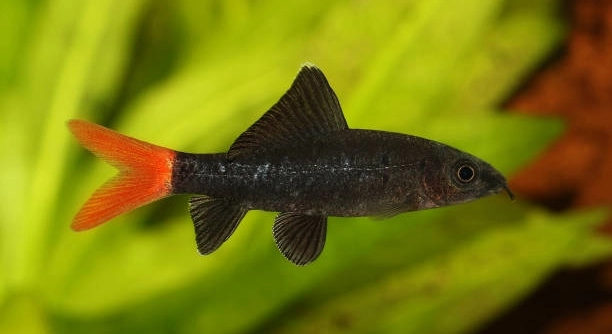
Rainbow sharks are popular aquarium fish known for their striking colors and active behavior. They require proper care to thrive in a home tank. One important aspect of their care is preventing loneliness, which can affect their health and happiness.
Ensuring a rainbow shark does not get lonely involves providing adequate tank mates, maintaining proper tank size, and creating an environment that mimics their natural habitat. Social interaction and environmental enrichment reduce stress and promote well-being in these fish.
This article will guide you through practical steps to keep your rainbow shark comfortable and engaged in its environment. Understanding these tips will help you create a balanced and healthy aquarium for your pet.
Choose Compatible Tank Mates Carefully
Rainbow sharks are semi-aggressive and territorial, so selecting the right tank mates is crucial. Ideal companions are fast swimmers and robust species that can hold their own without causing stress. Avoid slow-moving or shy fish, as rainbow sharks might intimidate them. Keeping one rainbow shark per tank also helps prevent territorial disputes.
Tank mates like barbs, danios, and larger tetras tend to do well. Ensure the tank is spacious enough to give all fish plenty of room to establish territories. Overcrowding can increase aggression and stress, so keep stocking levels balanced. Regularly observe fish behavior and be prepared to separate individuals if conflicts arise.
Proper tank mate selection not only reduces loneliness but also encourages natural behaviors. Providing a lively community helps the rainbow shark stay active and engaged. This social balance contributes to the overall health and longevity of your aquarium inhabitants.
Maintain Adequate Tank Size
Rainbow sharks need space to swim and explore.
A minimum tank size of 55 gallons is recommended for one rainbow shark.
Providing enough room minimizes stress and territorial aggression. A cramped environment can lead to constant conflicts and loneliness due to limited hiding spots. Plants, rocks, and decorations create natural boundaries and visual breaks, allowing fish to feel secure. Open swimming areas paired with structured hiding places promote activity and comfort. Regular cleaning and water changes keep the environment healthy, which also supports social interaction among tank inhabitants. Creating a balanced habitat that respects the rainbow shark’s needs prevents isolation and promotes a thriving aquarium.
Provide Hiding Spots and Decorations
Hiding spots reduce stress and give rainbow sharks places to retreat.
Use caves, plants, and driftwood to create a natural environment.
These hiding areas help rainbow sharks feel safe and secure, especially when they need a break from other fish. Decorations break up the tank visually, reducing territorial disputes. Live or artificial plants offer shelter while improving water quality. Caves and tunnels simulate the shark’s natural habitat, encouraging exploration and activity. A well-decorated tank supports both mental and physical health by providing stimulation and privacy. This setup reduces loneliness by offering spaces for the fish to rest or hide when needed, balancing their social needs with solitude.
Adding varied structures keeps the tank interesting and dynamic. It encourages natural behaviors, such as foraging and territorial marking. This variety supports the fish’s overall well-being and reduces boredom or aggression caused by an empty environment.
Maintain Proper Lighting and Water Conditions
Consistent lighting mimics natural day and night cycles, benefiting fish behavior.
Stable water parameters promote health and reduce stress.
Rainbow sharks thrive in water with a temperature between 74-79°F, a pH of 6.5-7.5, and moderate hardness. Frequent water testing helps catch issues before they affect your fish. Sudden changes in temperature or chemistry can cause stress, increasing vulnerability to disease and isolation. Using a timer for lights ensures a regular schedule, promoting natural activity and rest periods. Balanced lighting also supports plant growth, enhancing hiding spots and water quality. Proper tank conditions create a comfortable environment where your rainbow shark can feel secure and social without stress interfering with its behavior.
Feed a Balanced Diet
Rainbow sharks need a varied diet to stay healthy.
Include high-quality pellets, live or frozen foods, and vegetables.
Monitor Behavior Regularly
Observing your rainbow shark daily helps detect early signs of loneliness or stress.
Changes in activity, appetite, or aggression indicate that adjustments may be needed in tank conditions or social setup.
Perform Regular Water Changes
Keeping water clean supports your fish’s health and social behavior.
Regular water changes remove waste and toxins, maintaining a stable environment for your rainbow shark and its tank mates.
Avoid Overcrowding
Too many fish in one tank increase stress and aggression.
Maintain a proper stocking level to ensure each fish has enough space and reduces territorial conflicts.
FAQ
How can I tell if my rainbow shark is lonely?
Loneliness in rainbow sharks often shows through changes in behavior. They may become less active, hide more than usual, or act aggressively toward tank mates. A lonely fish might also lose its bright colors or stop eating regularly. Watching for these signs helps you adjust its environment or social setup to improve its well-being.
Can rainbow sharks live with other fish?
Yes, but careful selection is necessary. Rainbow sharks are semi-aggressive and territorial, so they do best with fast, sturdy fish that won’t be bullied. Good companions include barbs, danios, and some tetras. Avoid slow or shy fish, as rainbow sharks may intimidate them, causing stress or injury.
How many rainbow sharks can I keep in one tank?
It’s best to keep only one rainbow shark per tank unless the tank is very large (over 100 gallons) with plenty of hiding spots. Multiple rainbow sharks often fight due to territorial behavior. Providing enough space and visual barriers can reduce conflicts if you do keep more than one.
What is the ideal tank size for a rainbow shark?
A minimum of 55 gallons is recommended for one rainbow shark. This size gives them space to swim and establish territories without feeling cramped. Larger tanks are always better, especially if you plan to keep other fish, as it helps maintain water quality and reduces aggression.
What should I feed my rainbow shark?
Rainbow sharks thrive on a varied diet including high-quality sinking pellets designed for omnivores. Supplement this with live or frozen foods like bloodworms and brine shrimp, plus occasional vegetables such as zucchini or spinach. A balanced diet supports their health, coloration, and energy levels.
How often should I change the water?
Changing 20-30% of the water weekly helps maintain clean and stable conditions. Regular water changes remove waste, toxins, and excess nutrients that can harm your fish. Good water quality prevents stress and keeps your rainbow shark healthy and active.
Are live plants necessary for a rainbow shark tank?
Live plants are not essential but highly beneficial. They provide hiding spots, improve water quality, and create a more natural environment. Some hardy plants like Java fern or Anubias can tolerate rainbow sharks’ activity and help reduce stress by offering shelter.
Can rainbow sharks jump out of the tank?
Yes, rainbow sharks can jump, especially if stressed or scared. A tightly fitting lid or cover is important to prevent escapes. Ensuring the tank environment meets their needs reduces anxiety and the likelihood of jumping.
How do I reduce aggression in a rainbow shark tank?
Providing enough space, hiding places, and compatible tank mates helps limit aggression. Avoid overcrowding and maintain stable water conditions. Rearranging decorations occasionally can break up territories and reduce fights.
What water parameters are best for rainbow sharks?
Ideal water temperature is 74-79°F (23-26°C), with a pH between 6.5 and 7.5 and moderate hardness. Keeping these stable reduces stress and supports healthy behavior. Use a reliable heater and test water regularly to ensure conditions remain optimal.
Can rainbow sharks live alone?
Yes, they can live alone and often do well that way. They are territorial and may become aggressive in crowded tanks. However, proper environmental enrichment is necessary to prevent boredom and loneliness if kept solo.
How long do rainbow sharks live?
With good care, rainbow sharks can live 5 to 8 years. Proper diet, tank conditions, and social environment all influence their lifespan. Regular monitoring and maintenance help ensure your fish stays healthy for years.
Taking care of a rainbow shark requires attention to its social and environmental needs. These fish are active and can become stressed if they feel lonely or threatened. Providing the right tank mates, enough space, and plenty of hiding spots helps them feel secure. Balanced lighting, stable water conditions, and a varied diet also support their overall health. When these factors are managed well, rainbow sharks tend to be more lively and display their natural behaviors.
It is important to monitor your rainbow shark regularly. Watching how it behaves and interacts with other fish gives clues about its well-being. Changes like hiding too much, losing appetite, or showing aggression may indicate that adjustments are needed. Sometimes, loneliness can be resolved by improving the environment or changing the social setup. Keeping the water clean with regular changes also reduces stress and disease risk, allowing the fish to thrive.
Every aquarium is different, so care requires ongoing attention. Small changes can make a big difference in how your rainbow shark feels. By maintaining a balanced and comfortable habitat, you help your fish stay healthy and content. These simple but important steps ensure that your rainbow shark lives a happy and active life in your tank.

Hello,
If you enjoy the content that we create, please consider saying a "Thank You!" by leaving a tip.
Every little bit helps us continue crafting quality advice that supports the health, happiness, and well-being of pets around the world, for pets of all shapes, sizes, and species.
We really appreciate the kindness and support that you show us!