
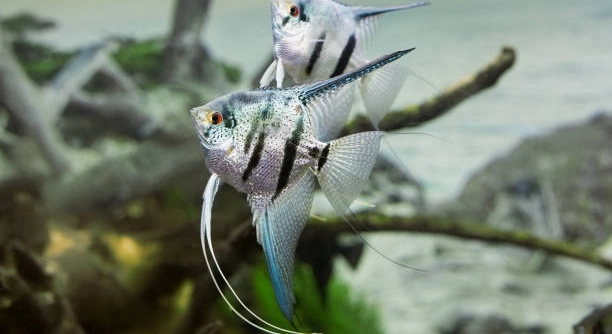
Do your angelfish sometimes linger near the surface or seem less active than usual in their tank? These signs may point to a lack of oxygen in the water, which can impact their health.
The most effective way to ensure your angelfish get enough oxygen is by maintaining good water circulation, using air stones, and avoiding overcrowding. These steps help oxygen dissolve more efficiently in the tank water.
Learning how to support oxygen levels in your aquarium can make a big difference in your angelfish’s comfort, activity, and overall well-being.
Use a Filter That Promotes Good Water Movement
When your tank water stays still, it becomes harder for oxygen to circulate. Angelfish need a steady flow of oxygen-rich water to stay active and healthy. A filter that creates enough surface movement is important. It allows more oxygen to mix into the water while also removing waste and debris. Choose a filter rated for your tank’s size and keep it clean. A clogged filter won’t move water properly and can lower oxygen levels. You can also aim the output of the filter slightly upward. This small adjustment helps break the surface tension, allowing more oxygen to enter. Try to avoid filters that are too strong, though. Angelfish prefer calm waters, and too much current can stress them out. It’s all about balance. With a good filter and proper maintenance, your tank will support healthy oxygen levels that help your angelfish thrive in their environment.
A good filter not only keeps the water clean but also helps oxygen reach all areas of the tank. This creates a stable, healthy space for your angelfish to move around and breathe properly.
If your filter seems weak or outdated, upgrading it can make a noticeable difference. Filters with adjustable flow settings are helpful for fine-tuning the water movement without stressing your angelfish. Always rinse new filter media in tank water to avoid harming the beneficial bacteria living in your setup. Replacing filters regularly is a good habit, but avoid doing it all at once. Swapping everything can disrupt the tank’s balance and affect water quality. Instead, replace parts gradually to keep everything stable. Also, check the water temperature often. Warmer water holds less oxygen, so make sure it’s not running too hot. If you live in a warm area or use a heater, this matters even more. A well-maintained filter system keeps things in check and reduces the chance of oxygen problems over time.
Add an Air Stone or Bubble Wand
Air stones and bubble wands are great tools to add extra oxygen to your tank. They break the water surface and allow more oxygen to mix in.
Adding one to your aquarium is simple and doesn’t take up much space. These tools work with an air pump to release bubbles into the water. As the bubbles rise and pop, they help move the water around and increase surface agitation. This is important because still water has trouble staying oxygen-rich. Angelfish benefit from this added movement, especially in tanks with higher temperatures or limited circulation. Some people enjoy the quiet bubbling sound and the visual effect it creates in the tank. Just make sure the bubbles aren’t too strong or overwhelming. A gentle stream is best for angelfish since they prefer peaceful water. Regularly check the air pump and tubing to make sure everything is working smoothly. Replacing worn-out parts helps keep oxygen levels where they need to be.
Avoid Overcrowding Your Tank
Too many fish in one tank means more waste, less oxygen, and higher stress levels. Angelfish need space to swim and breathe. Overcrowding makes it harder to keep oxygen levels stable, even with good equipment in place.
Keeping the right number of fish helps everything work better in your tank. With fewer fish, the filter handles waste more efficiently, and oxygen reaches every part of the water. Angelfish are territorial, and too many tank mates can cause them to become aggressive or stressed. A good rule is to allow at least 10 gallons of water per adult angelfish. If you have other fish in the tank, make sure they aren’t competing for the same space. Watch how the angelfish behave—signs of stress or sluggish movement can mean the tank is too crowded. Spacing things out makes for a calmer tank and healthier fish.
When tanks are overcrowded, oxygen runs out faster, and waste builds up quickly. Even with air stones or filters, too many fish can overwhelm the system. This leads to a drop in water quality and an increase in toxins like ammonia, which harms angelfish. If you’re unsure about how many fish your tank can support, research each species’ space and oxygen needs. Don’t forget that fish grow over time. What seems fine now could turn into a problem later. Make changes slowly if you need to reduce your fish count. Moving fish too quickly or all at once can create new stress. Creating enough space gives your angelfish the best chance to stay healthy and active.
Clean Your Tank Regularly
Waste, uneaten food, and algae lower the oxygen levels in your tank. Regular cleaning helps remove these issues before they build up too much. A cleaner tank leads to better water quality and more oxygen for your angelfish.
Clean your tank on a regular schedule. Doing small water changes once a week helps keep everything balanced. Try replacing about 20–30% of the tank water, and make sure to treat new water so it’s safe for your fish. Use a gravel vacuum to remove debris from the bottom of the tank where waste collects. Scrub algae off surfaces if needed, but don’t remove too much all at once. Angelfish are sensitive to sudden changes, and keeping the cleaning process gentle will help them stay calm. A steady routine makes it easier to keep oxygen levels high and prevents the tank from becoming unhealthy over time.
Monitor Water Temperature Closely
Warm water holds less oxygen, which can affect your angelfish if the tank gets too hot. Keep the temperature between 76°F and 80°F. Use a reliable thermometer and check it daily to make sure it stays in the safe range.
If your tank sits near a window or heater, the temperature might spike. Sudden changes can make it harder for oxygen to stay in the water. A steady, controlled temperature helps prevent this and keeps your angelfish comfortable.
Choose the Right Plants for Oxygen Support
Live aquatic plants can naturally boost oxygen levels in your tank. During the day, plants absorb carbon dioxide and release oxygen through photosynthesis. This creates a more balanced and healthy environment for your angelfish. Look for low-maintenance plants like Amazon swords, anubias, or java ferns. These types grow well in angelfish tanks and won’t need special lighting. Spread them around the tank to improve water quality in more than one area. Keep in mind that at night, plants use oxygen instead of producing it, so they aren’t a replacement for proper filtration or air stones. But with the right setup, live plants offer helpful support.
Keep an Eye on Signs of Low Oxygen
If your angelfish are gasping at the surface or acting sluggish, it could mean the oxygen is low. Early signs like this let you know it’s time to check your equipment and water conditions right away.
FAQ
What happens if my angelfish don’t get enough oxygen?
When angelfish don’t get enough oxygen, they may become lethargic, swim near the surface, or show signs of stress like rapid gill movement. Oxygen deprivation can also weaken their immune system, making them more susceptible to diseases. Long-term low oxygen levels can lead to poor growth, reduced appetite, and even death if not addressed. It’s important to act quickly if you notice these symptoms to avoid harming your fish. Regular maintenance, proper equipment, and water monitoring will help prevent oxygen problems before they impact your angelfish.
Can I add more oxygen to my tank if I don’t have an air stone?
Yes, you can still improve oxygen levels without an air stone. Adding more plants to your aquarium is a great natural way to help oxygen exchange. You can also improve water circulation by adjusting the filter output to create more surface movement. This will help oxygen mix into the water more efficiently. If you have a well-maintained filter system and don’t want to invest in an air stone, ensuring proper water movement and cleanliness can still provide enough oxygen for your angelfish.
How can I tell if my angelfish are stressed due to low oxygen?
Signs of stress due to low oxygen include gasping at the surface, staying near the filter or air pump, and a lack of movement. Angelfish may also exhibit erratic swimming patterns or refuse to eat. If you see these behaviors, check the water’s oxygen levels, the temperature, and ensure that your filtration system is working well. Maintaining stable water conditions and ensuring adequate oxygen will help reduce the chance of stress and keep your fish healthy.
How often should I perform water changes to keep oxygen levels up?
Water changes should be done regularly to ensure oxygen levels remain balanced. It’s best to change 20–30% of the tank water every week or two, depending on tank size and the number of fish. This removes waste and excess nutrients that can reduce oxygen levels. If you have more fish or the tank is heavily planted, you might need to do more frequent water changes. Always use a water conditioner to treat tap water before adding it to the tank.
Are air pumps necessary if I have a good filter?
An air pump isn’t absolutely necessary if your filter creates enough surface movement to oxygenate the water. However, adding an air pump with an air stone or bubble wand can provide extra oxygen, especially in heavily stocked or warm tanks. It can also help to improve water circulation, which benefits angelfish. If your tank is smaller or lacks adequate surface agitation, an air pump may be a worthwhile addition to maintain a healthy oxygen level.
How do I know if my filter is working correctly?
A well-functioning filter should have a consistent flow rate and help remove debris from the tank. If the water appears cloudy, or your fish are swimming near the surface more than usual, it might be a sign that the filter isn’t working properly. Regularly clean your filter and check that it isn’t clogged with debris. If the filter is making strange noises or has low water flow, it could be a sign of malfunction. Make sure to clean the filter media in tank water to preserve beneficial bacteria. You might need to replace parts or the entire filter if it’s not doing its job.
Can water temperature affect oxygen levels in my tank?
Yes, water temperature directly affects how much oxygen can dissolve in water. Warmer water holds less oxygen, while cooler water retains more. For angelfish, keeping the temperature between 76°F and 80°F is ideal. If your tank is too warm, the oxygen levels will drop, which can stress your fish. In warmer climates or during hot seasons, you might need to use a cooling system or lower the tank’s temperature to ensure it stays within the ideal range. It’s important to maintain a stable temperature and avoid drastic fluctuations to keep your fish healthy.
Can I use a surface skimmer to improve oxygen levels?
A surface skimmer can be helpful in maintaining water quality by removing debris, oils, and organic matter from the surface. This improves water movement and helps oxygen exchange. However, it’s not a substitute for proper filtration or air circulation. While a surface skimmer can prevent the buildup of organic waste on the surface, it’s important to ensure that you have a well-balanced filtration system and air circulation to meet the oxygen needs of your angelfish.
How can I prevent oxygen problems when breeding angelfish?
Breeding angelfish requires careful attention to oxygen levels, as higher stocking densities and warmer water can lower oxygen availability. Make sure your tank is not overcrowded and provides plenty of water movement. Add live plants to help with oxygen exchange and ensure good filtration. During breeding, it’s also important to monitor water quality closely since changes in water conditions can stress both the parents and the fry. Regular water changes, maintaining stable temperature levels, and keeping the tank clean will help ensure that the oxygen levels remain suitable for breeding angelfish.
Can I use a sponge filter for oxygenation?
Sponge filters are a great option for increasing oxygen levels in smaller tanks or tanks with delicate fish like angelfish. They provide gentle filtration and create water movement that helps oxygen mix into the water. A sponge filter is especially useful in tanks with fry or shrimp, where the gentle flow won’t harm them. It’s an affordable and efficient way to ensure good water quality and oxygenation, as long as the tank isn’t too large for the filter’s capacity.
What should I do if my angelfish are still showing signs of oxygen stress after making changes?
If your angelfish continue to show signs of oxygen stress after making changes, check all aspects of the tank environment. Double-check the filter and air pump settings, water temperature, and oxygenation equipment. If everything seems fine but the problem persists, consider consulting an aquarium professional for advice. It could be worth testing the water for ammonia, nitrites, or nitrates, as these can also affect oxygen levels. You might need to make additional adjustments, such as improving water circulation, cleaning the tank more frequently, or reducing the number of fish.
Final Thoughts
Maintaining good oxygen levels is essential for the health and well-being of your angelfish. While they’re relatively hardy fish, they still require a clean, oxygen-rich environment to thrive. Simple steps, like ensuring your filter is working properly, adding plants, or using an air pump, can go a long way in making sure they get enough oxygen. Regular water changes and monitoring the temperature also play a big role in keeping the water at the right balance. If you notice any signs of stress in your fish, it’s important to take action quickly, as oxygen issues can escalate fast and impact their health.
It’s worth remembering that every aquarium is different, and the needs of your angelfish may vary depending on factors like tank size, the number of fish, and the type of equipment you’re using. Getting familiar with how your fish behave and observing them regularly helps you spot problems before they get serious. Even small adjustments, like positioning the filter outlet slightly higher to increase water surface movement or adding a few live plants, can have a noticeable impact on oxygen levels. Don’t hesitate to try different methods and see what works best for your tank setup.
In the end, taking care of your angelfish involves more than just feeding them and keeping their tank clean. They rely on you to provide an environment that mimics their natural habitat as much as possible. Keeping an eye on oxygen levels, along with other factors like water temperature and quality, will help them stay healthy, active, and happy. By following these tips, you’ll be better equipped to support your angelfish and ensure they enjoy a long, healthy life in your aquarium.

Hello,
If you enjoy the content that we create, please consider saying a "Thank You!" by leaving a tip.
Every little bit helps us continue crafting quality advice that supports the health, happiness, and well-being of pets around the world, for pets of all shapes, sizes, and species.
We really appreciate the kindness and support that you show us!