
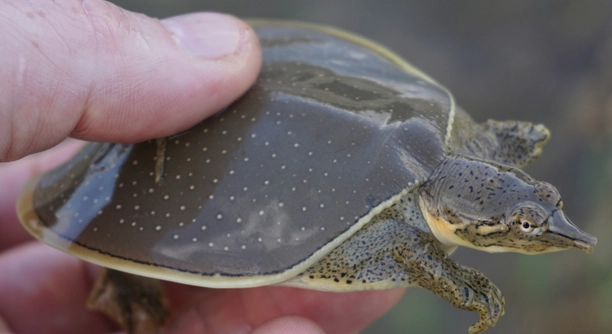
Turtles can live long and healthy lives, but they require proper care and attention. If you have a pet turtle, ensuring their well-being is essential for their longevity and happiness. Here are seven tips to help maintain their health.
Proper habitat, diet, and regular check-ups are key to keeping your turtle healthy long-term. Maintaining a balanced diet, a suitable enclosure, and consistent health monitoring can help prevent common issues and ensure your turtle thrives.
These steps are simple yet essential for your turtle’s well-being. Implementing these tips will ensure your turtle enjoys a long, healthy life with you as their caring owner.
Creating the Right Habitat for Your Turtle
Providing a proper habitat is essential for your turtle’s health. A well-maintained tank or enclosure mimics its natural environment, ensuring they stay comfortable and stress-free. The size of the tank matters; it should be large enough to allow them to swim and explore. For aquatic turtles, having a water filtration system is crucial for keeping the water clean. Turtles also need access to dry land where they can bask under a heat source, such as a UVB light. The temperature of both the water and basking area should be carefully controlled to avoid stress or illness. A well-structured habitat also reduces the likelihood of injuries, as sharp or unsafe materials should be avoided.
The tank should be regularly cleaned to prevent bacteria buildup, which can lead to infections. Maintaining the proper water levels and temperature is just as important as the setup itself.
Creating a stable environment ensures your turtle’s well-being, making it feel secure in its space. This simple step allows them to thrive for years, offering them the comfort they need.
Feeding Your Turtle the Right Diet
A balanced diet is critical for your turtle’s health. Proper nutrition helps prevent malnutrition and supports overall well-being. Turtles need a mix of protein and vegetables, with options like insects, fish, and leafy greens. It’s important to offer food appropriate for their species. Aquatic turtles, for example, eat more protein-based foods, while land turtles may need more plant-based items. Always avoid feeding them human food, as it can harm their digestive system.
Turtles need more than just variety in their diet; the right nutrients are essential. Supplements like calcium may be necessary to support their shell health. Be mindful of portion sizes to prevent overfeeding, as obesity can lead to other health complications.
Offering a nutritious diet will give your turtle the energy it needs to live a long, healthy life. It will also help to keep their immune system strong, preventing common illnesses and issues that may arise over time.
Regular Check-ups and Monitoring Health
Regular vet visits are crucial for your turtle’s health. Even if they seem fine, routine check-ups can catch potential issues early. Make sure your vet is experienced with reptiles. Regularly monitoring your turtle for signs of illness, like changes in appetite or behavior, can also help prevent serious health problems.
In between visits, keep an eye on any changes in their shell or skin. Shell rot, for example, is a common issue that can easily go unnoticed. If their behavior seems off, such as lethargy or loss of appetite, it’s important to act quickly. Turtles are good at hiding discomfort, so vigilance is key.
It’s essential to create a routine for monitoring your turtle’s overall health. Regular inspections and taking note of any changes will help identify potential problems before they escalate. By being proactive, you’ll ensure your turtle remains happy and healthy in the long run.
Providing UVB Lighting
UVB lighting is critical for turtles, as it helps them process calcium and prevents metabolic bone disease. Without proper UVB exposure, turtles can become ill and suffer from shell deformities or weakened bones. Set up a UVB light source in their habitat to ensure they receive the proper amount of light.
Turtles require exposure to UVB light for a certain number of hours each day to stay healthy. The light should be positioned properly, ensuring they can bask under it comfortably. Over time, the light will lose its effectiveness, so be sure to replace the bulbs regularly.
UVB lighting isn’t just a luxury; it’s a necessity for their well-being. Proper lighting can prevent diseases related to calcium deficiency and promote overall growth and vitality.
Proper Temperature Control
Temperature control is essential for your turtle’s well-being. Both the water and basking areas need to be kept at the right temperature. A reliable thermometer helps to monitor these conditions and ensure they stay within the optimal range.
For most species, water temperature should be between 75°F and 85°F, while basking areas need to be warmer, usually around 90°F to 95°F. A reliable heating source, such as a submersible heater or heat lamp, will help maintain these temperatures. Consistent temperature levels ensure your turtle’s metabolism stays regulated and prevent stress.
By ensuring the right temperatures, you create a stable environment that supports your turtle’s health and growth. It also reduces the risk of diseases or discomfort caused by fluctuating temperatures.
Hydration is Key
Turtles need plenty of water to stay hydrated and healthy. Even if your turtle is a land-dwelling species, it will still require access to water for drinking and soaking. A clean water source should always be available.
Aquatic turtles, in particular, need water that is not only clean but also filtered regularly. Filtration systems help remove waste and harmful bacteria. Regularly refreshing the water prevents the buildup of toxins and promotes a healthy living environment.
Access to clean water is vital for hydration, digestion, and overall well-being. Regular water changes and proper filtration will ensure your turtle stays in top shape.
Handling with Care
Turtles can be sensitive to stress, so handling should be done with care. Always make sure your hands are clean and dry before touching them to avoid introducing any harmful substances. Gently lift your turtle to avoid injuring its shell.
Handling should be kept to a minimum to prevent stress, especially for wild-caught turtles or those that are not used to frequent human interaction. When you do need to handle them, do so calmly and avoid sudden movements. Keep interactions short and non-invasive.
By respecting your turtle’s space and handling it gently, you ensure its comfort and well-being. Stress-free interactions contribute to a healthier, happier turtle.
FAQ
How often should I feed my turtle?
Turtles generally need to be fed every day, though this can vary depending on their age and species. Young turtles require more frequent feedings, typically once a day. Older turtles may be fed every other day, as their metabolism slows down. Be sure to adjust portions based on your turtle’s activity level and weight. Offering a mix of protein, vegetables, and calcium will help maintain their health.
Can turtles live in a tank with fish?
It’s not recommended to house turtles with fish, especially if the turtles are larger or more aggressive. Turtles are natural predators, and they may try to eat the fish. Fish may also be stressed by the presence of turtles, which could lead to health issues for both. If you choose to house them together, ensure the tank is large enough and that the fish are quick and hardy. However, it’s usually better to keep them separated to avoid stress and harm to both.
What kind of water should I use for my turtle’s habitat?
You should use dechlorinated water for your turtle’s habitat, as chlorine can harm their skin and respiratory system. Tap water often contains chlorine, so it’s important to treat it with a water conditioner designed for reptiles or allow the water to sit for 24 hours to let chlorine dissipate. For aquatic species, maintaining proper water quality is crucial. Consider using a water filter to help keep the water clean and free of harmful bacteria.
Why is my turtle’s shell turning soft?
A soft shell can indicate a calcium deficiency, often due to insufficient UVB light or improper diet. UVB light helps turtles absorb calcium from their food, which is crucial for shell and bone health. If your turtle’s shell is soft, try adjusting its diet by including calcium-rich foods or using calcium supplements. Additionally, ensure that the UVB light is correctly positioned and that the turtle is getting enough exposure.
How do I clean my turtle’s tank?
Cleaning your turtle’s tank regularly is essential for maintaining good water quality and preventing the buildup of bacteria. Start by removing waste and uneaten food daily. Once a week, clean the decorations, substrate, and filter. Change 25% to 50% of the water every week, or more frequently if needed. Use a reptile-safe disinfectant to scrub the tank and ensure there is no residue left behind. This will keep the tank clean and safe for your turtle.
Can turtles live without a basking area?
No, turtles need a basking area to stay healthy. Basking allows turtles to dry off, regulate their body temperature, and get necessary UVB exposure. Without access to a basking area, turtles can develop health problems such as shell rot or metabolic bone disease. Make sure the basking area is dry, well-lit, and within the correct temperature range for your species of turtle.
How do I know if my turtle is sick?
Turtles often hide their illnesses, so you must watch for subtle changes in their behavior. Signs of sickness include lethargy, loss of appetite, swimming in circles, or abnormal shell color. If you notice these symptoms, consult a veterinarian. Shell rot, respiratory infections, and other conditions may not be immediately obvious, so regular check-ups are important to catch potential issues early.
How much space does my turtle need?
The size of your turtle’s habitat depends on its species and size. As a general rule, your turtle’s tank should be at least 10 gallons for each inch of the turtle’s shell length. Larger turtles require bigger tanks to ensure they have room to swim and explore. A cramped environment can lead to stress and health issues, so always provide the most space you can.
Is it safe to let my turtle roam outside?
It’s generally safe for your turtle to roam outside, but there are a few precautions to take. First, ensure the area is enclosed and free of predators. Avoid direct sunlight for too long without access to shade, as overheating can occur quickly. Always supervise your turtle and ensure they don’t wander off. Outdoor time is a great way to provide mental stimulation and natural behaviors but should be done safely.
Can my turtle live in a pond?
Yes, turtles can live in a pond as long as it’s properly maintained. Make sure the water is clean, the temperature is appropriate, and there are places for your turtle to bask. Outdoor ponds may also contain natural sources of food like insects and plants, but you should still provide additional nutrition to ensure your turtle is getting a balanced diet. Always check the water quality regularly to avoid harmful bacteria buildup.
Final Thoughts
Caring for a turtle requires attention to detail, but with the right steps, you can provide a long, healthy life for your pet. Ensuring the proper diet, habitat, and care routine is key to their well-being. Every turtle is different, so it’s important to tailor your care based on the species and age of your pet. Regular monitoring of their environment and health will help you spot any issues early, making it easier to address them before they become serious.
One of the most crucial aspects of turtle care is maintaining their environment. Temperature control, clean water, and proper lighting are all essential. Without the right setup, your turtle’s health may suffer. A consistent routine for cleaning the tank, checking the water quality, and providing fresh food will help create a safe and stable home. Be sure to research your turtle’s specific needs, as different species have unique requirements, from basking temperatures to water conditions.
Lastly, it’s important to remember that turtles are not just pets—they are living creatures that require respect and care. Taking the time to understand their behavior, diet, and environment shows your commitment to their well-being. While it may take some time to learn everything, the effort is well worth it. By keeping their habitat clean, feeding them the right foods, and regularly checking their health, you’ll provide a fulfilling and long life for your turtle.

Hello,
If you enjoy the content that we create, please consider saying a "Thank You!" by leaving a tip.
Every little bit helps us continue crafting quality advice that supports the health, happiness, and well-being of pets around the world, for pets of all shapes, sizes, and species.
We really appreciate the kindness and support that you show us!