
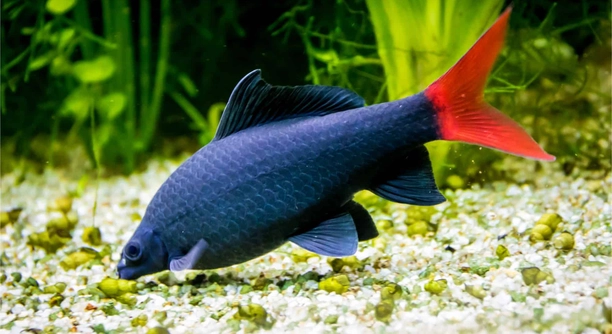
Creating the perfect habitat for your rainbow shark requires careful attention to their unique needs. Proper tank setup, water conditions, and decorations are essential for their health and well-being. This article shares key tips to help you provide the best environment.
A successful rainbow shark habitat includes a spacious tank with clean, well-filtered water, stable temperature, and appropriate hiding spots. Maintaining these conditions reduces stress and promotes natural behavior, supporting the fish’s overall health and longevity in captivity.
Following these guidelines will make caring for your rainbow shark easier and more rewarding. Understanding the right habitat setup ensures your fish thrives and displays its vibrant colors beautifully.
Choosing the Right Tank Size and Setup
Rainbow sharks need plenty of space to swim actively and establish territories. A tank of at least 30 gallons is recommended for one adult. The tank should have a secure lid since these fish can jump. Use a soft substrate like sand or fine gravel to protect their delicate barbels. Include decorations such as smooth rocks, caves, and driftwood to provide hiding places and reduce stress. Avoid sharp or rough objects that might injure the fish. Plants, either live or artificial, can offer additional shelter but keep open swimming areas. A good filtration system is crucial to maintain water quality and oxygen levels. Regular water changes help keep ammonia and nitrate levels low, preventing illness. Lastly, place the tank away from direct sunlight and loud noises to keep the environment stable.
A well-planned tank setup supports the rainbow shark’s health and encourages natural behaviors.
Maintaining the right environment requires a balance of space, shelter, and cleanliness. Proper tank size prevents overcrowding and aggressive behavior. Soft substrate protects their barbels while hiding spots help reduce stress and territorial conflicts. Consistent water quality, supported by filtration and water changes, is essential for their immune system. Lighting and tank placement also play a role in keeping your fish comfortable and healthy. All these elements together create a habitat where rainbow sharks can thrive and show their vibrant colors.
Maintaining Optimal Water Conditions
Keeping stable water conditions is essential for rainbow sharks. They thrive in temperatures between 74°F and 80°F and prefer a pH range of 6.5 to 7.5. Sudden changes in water parameters can cause stress or illness.
Water quality must be monitored regularly, with ammonia and nitrite levels kept at zero and nitrates under 20 ppm. Using a reliable water testing kit helps track these parameters. Frequent partial water changes, about 20-30% weekly, remove waste and keep the environment clean. Filtration should be efficient but not create too strong a current, as rainbow sharks prefer moderate water flow. Proper aeration is also important to maintain oxygen levels. Using a heater with a thermostat ensures temperature stays consistent. Taking these steps creates a stable habitat that supports the rainbow shark’s health and vitality.
Feeding Your Rainbow Shark
Rainbow sharks eat a variety of foods, including flakes, pellets, and live or frozen options like bloodworms or brine shrimp. Feeding small amounts twice a day helps avoid overfeeding and water pollution.
A balanced diet is important to keep your rainbow shark healthy and active. Provide high-quality sinking pellets or wafers designed for bottom feeders, as these fish often feed near the substrate. Supplement their diet with live or frozen foods occasionally to mimic natural feeding habits and add variety. Avoid feeding only flakes since they may not meet all nutritional needs. Overfeeding can lead to poor water quality, which harms the fish. Watch for leftovers and remove uneaten food promptly to keep the tank clean.
Feeding behavior also reveals their health and mood. Active eating usually means the fish is well, while loss of appetite could indicate stress or illness. Observing feeding patterns helps you adjust diet and care accordingly.
Managing Tank Mates
Rainbow sharks can be territorial, especially in smaller tanks. Choose tank mates that are peaceful but fast enough to avoid conflicts. Avoid slow, timid, or aggressive fish.
Suitable tank mates include danios, barbs, and larger tetras. These fish tolerate similar water conditions and can hold their own against a territorial rainbow shark. Avoid keeping multiple rainbow sharks together unless the tank is very large and divided with plenty of hiding spots. Crowded tanks increase aggression and stress. Introducing tank mates slowly and monitoring interactions is important. Incompatible companions can cause injuries or stress, leading to disease or death. Providing enough space and hiding places reduces conflict and keeps the community peaceful.
Understanding fish behavior and needs when selecting companions is key to a harmonious tank. Proper planning prevents aggression and supports the health of all fish.
Monitoring Fish Behavior
Rainbow sharks show clear signs when stressed or unhealthy. Watch for hiding, loss of appetite, or unusual swimming patterns. Early detection helps prevent serious issues.
Regular observation helps you catch problems before they worsen. Changes in color or excessive aggression can indicate illness or poor water conditions.
Cleaning and Maintenance Routine
Regular cleaning is essential to keep the tank healthy. Remove uneaten food and debris daily. Perform partial water changes weekly to maintain water quality. Clean filters monthly but avoid washing them with tap water to preserve beneficial bacteria. Monitor water parameters frequently and adjust as needed to provide a stable environment. Keeping a consistent maintenance schedule reduces stress and supports the health of your rainbow shark.
Lighting and Environment
Moderate lighting suits rainbow sharks best. Avoid overly bright tanks to reduce stress and encourage natural activity. Use timers to maintain a regular day-night cycle.
FAQ
How often should I feed my rainbow shark?
Feeding your rainbow shark twice a day with small portions is best. This prevents overfeeding, which can pollute the water and cause health issues. Remove any uneaten food after a few minutes to keep the tank clean and maintain good water quality.
What is the ideal tank size for a rainbow shark?
A minimum of 30 gallons is recommended for one adult rainbow shark. They need space to swim and establish territory. Larger tanks reduce aggression and provide room for hiding places, which helps keep your fish stress-free.
Can rainbow sharks live with other fish?
Yes, but choose tank mates carefully. Peaceful and fast-swimming fish like danios, barbs, or larger tetras usually do well. Avoid slow or timid fish, as rainbow sharks can be territorial and aggressive toward them.
How do I know if my rainbow shark is stressed?
Signs of stress include hiding more than usual, loss of appetite, faded colors, or erratic swimming. Stress often results from poor water quality, overcrowding, or aggressive tank mates. Addressing these factors helps your fish recover quickly.
What water conditions do rainbow sharks prefer?
They thrive in temperatures between 74°F and 80°F, with a pH range of 6.5 to 7.5. Ammonia and nitrite levels must be zero, and nitrates should stay below 20 ppm. Stable water parameters reduce stress and illness risks.
How often should I perform water changes?
Weekly partial water changes of 20-30% keep the water clean and safe. Regular changes help control waste buildup and maintain stable water conditions. Avoid changing too much water at once, as this can shock the fish.
Is it necessary to have live plants in the tank?
Live plants are not required but can improve water quality and offer hiding spots. If you prefer artificial plants, choose ones without sharp edges to avoid injuring your rainbow shark.
What should I do if my rainbow shark becomes aggressive?
Aggression can occur if the tank is too small or overcrowded. Providing more hiding spaces and rearranging decorations can reduce territorial fights. If aggression continues, consider separating the fish or upgrading to a larger tank.
Can rainbow sharks jump out of the tank?
Yes, they are known to jump occasionally. Always keep a secure lid on your aquarium to prevent escapes and injuries.
How long do rainbow sharks live?
With proper care, rainbow sharks can live up to 8-10 years. Maintaining good water quality, a balanced diet, and a suitable environment is key to their longevity.
What is the best diet for rainbow sharks?
A varied diet including sinking pellets or wafers, along with occasional live or frozen foods like bloodworms and brine shrimp, ensures balanced nutrition. Avoid feeding only flakes as they may lack necessary nutrients.
How can I maintain a clean tank without stressing my fish?
Regular partial water changes and careful cleaning of the substrate help keep the tank clean. Use gentle water flow during cleaning to avoid disturbing the fish too much. Avoid cleaning filters with tap water to protect beneficial bacteria.
Why does my rainbow shark hide all the time?
Hiding can be normal, especially during acclimation or if the fish feels threatened. However, constant hiding may signal stress from poor water conditions, aggressive tank mates, or inadequate hiding spots. Check these factors to improve comfort.
Can I keep multiple rainbow sharks together?
Multiple rainbow sharks usually need very large tanks with plenty of territory and hiding places. In smaller tanks, they become aggressive toward each other, so it is generally not recommended unless space allows.
What lighting is best for rainbow sharks?
Moderate lighting mimics their natural environment and reduces stress. Too much light can cause them to hide or become restless. Using a timer for consistent day-night cycles helps maintain a stable environment.
Creating and maintaining the right habitat for your rainbow shark is important for its health and happiness. Providing a spacious tank, proper water conditions, and suitable decorations helps the fish feel safe and comfortable. Each element of the setup plays a role in supporting natural behavior and reducing stress. Regular maintenance, such as water changes and cleaning, keeps the environment stable and clean, which is essential for the fish’s well-being.
Feeding your rainbow shark a balanced diet with variety helps maintain its health and vibrant colors. Watching its behavior and appetite gives clues about its condition and the quality of the habitat. Choosing compatible tank mates and giving the fish enough space to establish territory reduces aggression and promotes a peaceful tank community. Paying attention to details like lighting and hiding spots also contributes to creating an environment where your rainbow shark can thrive.
Overall, consistent care and attention to the tank environment will make a big difference in the life of your rainbow shark. Taking the time to monitor water quality, feeding habits, and behavior ensures problems are caught early and handled effectively. With the right habitat and routine care, your rainbow shark will grow healthy, active, and show its best colors, making the effort worthwhile.

Hello,
If you enjoy the content that we create, please consider saying a "Thank You!" by leaving a tip.
Every little bit helps us continue crafting quality advice that supports the health, happiness, and well-being of pets around the world, for pets of all shapes, sizes, and species.
We really appreciate the kindness and support that you show us!