
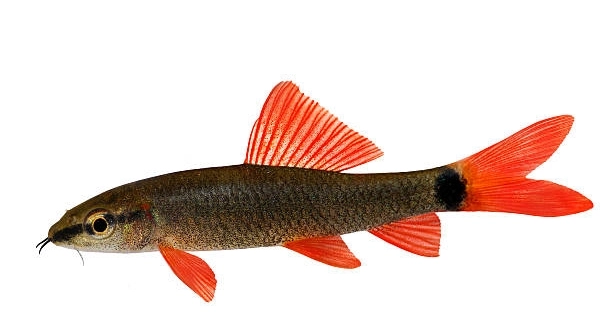
Do you ever find yourself setting up a new aquarium but unsure how to keep your Rainbow Shark comfortable and healthy in it?
Creating ideal tank conditions for your Rainbow Shark involves maintaining clean water, stable temperature, proper tank size, hiding spots, and avoiding aggressive tank mates. These elements help reduce stress and promote long-term health.
From water quality to tank layout, each detail plays a role in supporting your Rainbow Shark’s well-being and creating a balanced aquarium environment.
Choose the Right Tank Size
Rainbow Sharks need plenty of space to feel comfortable. A tank that’s too small can cause stress and aggression. A minimum of 50 gallons is recommended for one Rainbow Shark. These fish are territorial, and a larger tank helps give them room to establish their own space without becoming too aggressive with other tank mates. Make sure the tank is long rather than tall to provide more swimming area. Avoid placing them in crowded tanks or with other bottom-dwelling fish. Adding them last to a community tank can also help reduce territorial behavior. While they’re small when young, Rainbow Sharks grow quickly, so starting with a spacious tank is a smart choice. Cleanliness, space, and structure will all influence how secure and relaxed your fish feels.
A larger tank creates better water stability and gives your Rainbow Shark space to swim freely, reducing aggressive behavior and helping it thrive.
Choosing the correct tank size early on can help prevent future issues. If your Rainbow Shark becomes territorial or aggressive, a cramped tank may be the cause. Giving it space to claim its own area can greatly improve its behavior. Don’t underestimate how much the size of the tank can impact your fish’s health and happiness.
Keep the Water Clean and Balanced
Poor water conditions can lead to illness and stress in Rainbow Sharks. Testing water weekly helps avoid problems early.
A good filter is key for keeping the water clean. Rainbow Sharks need stable conditions with a pH between 6.5 and 7.5 and water temperatures between 72°F and 79°F. Ammonia and nitrite levels should be at zero, and nitrate should be kept low. Do partial water changes weekly—about 25% of the tank volume—to keep the environment healthy. Avoid overfeeding, as leftover food decays and affects water quality. Use a gravel vacuum during water changes to clean waste from the substrate. Also, let new water sit before adding it to remove chlorine. Keeping water parameters steady is important. A sudden change, even if small, can cause stress or illness. Regular testing with an aquarium kit is a simple way to stay on top of things. Clean, balanced water helps your Rainbow Shark stay active and healthy.
Add Hiding Places and Decorations
Rainbow Sharks like to have their own space to hide and feel safe. This helps reduce stress and aggressive behavior, especially if other fish are in the tank.
Use caves, tunnels, driftwood, and rocks to create hiding spots around the tank. These features help your Rainbow Shark feel secure while also adding variety to its environment. Position decorations in a way that breaks up sightlines across the tank—this reduces territorial behavior and gives other fish room to escape if needed. Avoid sharp edges, as Rainbow Sharks can injure themselves while swimming quickly or trying to hide. You can also use sturdy live plants, but make sure they’re well-rooted since these fish may dig. Creating a space where your Rainbow Shark feels protected will make it calmer and less likely to chase others.
Don’t overcrowd the tank with too many decorations. Leave open space for swimming and choose pieces that won’t trap debris. Clean decorations during regular tank maintenance to avoid buildup that can affect water quality. If your Rainbow Shark starts hiding too much, it could also be a sign of stress, so double-check water parameters and tank mates. Well-placed hiding spots should make your fish feel secure without encouraging constant retreat or isolation.
Choose Peaceful Tank Mates Carefully
Rainbow Sharks are known to be territorial, so not every fish makes a good tank mate. Choose species that swim in other areas of the tank and don’t look or behave aggressively.
Good companions include fast-swimming mid-to-top dwellers like barbs, rasboras, or danios. Avoid slow, long-finned, or bottom-dwelling species like angelfish or corydoras. Rainbow Sharks often claim the lower part of the tank, and they don’t like intruders in their space. Introducing tank mates while the Rainbow Shark is still young can help ease aggression. Adding the Rainbow Shark last also gives other fish a chance to settle first. If aggression continues, rearrange tank decorations to reset territory boundaries. Always monitor their behavior closely after adding new fish. A peaceful tank depends on the right mix of species and plenty of space to avoid fights. Keep numbers balanced, and never overcrowd the tank.
Maintain a Stable Temperature
Rainbow Sharks do best in warm water that stays between 72°F and 79°F. A reliable aquarium heater and thermometer will help you keep the temperature steady, which is important for their health and energy levels.
Sudden changes in temperature can stress them out and lead to illness. Avoid placing the tank near windows or vents that could affect the water temperature.
Feed a Balanced Diet
Rainbow Sharks are omnivores, so they need a mix of plant and protein-based foods. Offer high-quality sinking pellets as their main food source, and supplement with vegetables like zucchini or spinach, along with occasional frozen treats such as bloodworms or brine shrimp. Feed small portions once or twice daily, and avoid overfeeding to keep the water clean. Remove uneaten food after a few minutes to prevent decay and buildup. A varied diet keeps your Rainbow Shark healthy, boosts its color, and supports immune function. Feeding time also gives you a chance to observe your fish and catch any early signs of illness.
Limit Bright Lighting
Too much light can cause stress for Rainbow Sharks. Use a moderate light setup and include shaded areas with plants or decorations to give them a break from direct light.
FAQ
Can Rainbow Sharks live with other Rainbow Sharks?
Rainbow Sharks are very territorial and do not do well with others of their kind in the same tank. Even in large aquariums, they often chase or attack each other. Unless you have a very large tank (over 125 gallons) with heavy decoration and lots of hiding places, it’s best to keep only one Rainbow Shark per tank. Keeping multiple can lead to injury, stress, or even death. If you do attempt it, monitor closely and be prepared to separate them if things escalate. Most aquarists avoid housing them together for safety and peace in the tank.
How big do Rainbow Sharks get?
Rainbow Sharks can grow up to six inches long when fully mature. Some may reach this size within a year, while others grow a bit slower depending on diet, water quality, and tank size. A cramped environment can stunt their growth, while clean water, a balanced diet, and plenty of space help them reach their full size. It’s important to plan for their adult size early on, even if you purchase a juvenile. Starting with a large enough tank avoids the stress and disruption of upgrading later.
Do Rainbow Sharks sleep?
Yes, Rainbow Sharks do sleep. Like many fish, they rest near the bottom of the tank, often staying still in or near a hiding spot. They don’t have eyelids, so they won’t close their eyes, but you may notice reduced movement and slower breathing. Most of their rest happens when the lights are off, which is why it’s important to provide a regular day and night cycle. Avoid turning the lights on and off abruptly, and give your fish at least 8–10 hours of darkness to support healthy sleep habits.
What causes aggressive behavior in Rainbow Sharks?
Aggressive behavior in Rainbow Sharks is often linked to territory. They like to claim certain parts of the tank, especially the bottom, and may chase any fish they see as intruding. Small tanks, overcrowding, lack of hiding spots, and unsuitable tank mates can all make the behavior worse. Choosing peaceful mid-to-top dwellers and decorating the tank with objects that break up sightlines helps reduce tension. Aggression may also spike during feeding times or if the Rainbow Shark feels threatened. Observing their habits and adjusting the environment often helps.
How long do Rainbow Sharks live?
With proper care, Rainbow Sharks can live between 5 and 8 years. Good water quality, a stable temperature, low stress levels, and a balanced diet all play major roles in their lifespan. In some cases, they may even live longer, especially if kept in a calm, well-maintained tank with minimal conflict. Regular monitoring and quick action when problems arise can prevent disease and extend their life. Investing time in their care can lead to a long and healthy life.
Can Rainbow Sharks jump out of the tank?
Yes, Rainbow Sharks can jump, especially if startled or stressed. It’s best to keep a lid or cover on the tank at all times. A sudden loud noise, poor water quality, or aggressive tank mates can all cause them to jump. Even if it doesn’t happen often, it only takes one jump for them to end up on the floor. A secure lid prevents accidents and gives you peace of mind. Make sure the lid allows for airflow but fits snugly without large openings.
Are Rainbow Sharks good for beginners?
Rainbow Sharks are semi-aggressive and need a bit more care than beginner-friendly fish like guppies or tetras. They require a large tank, good water conditions, and carefully selected tank mates. While not overly difficult to care for, they are better suited for aquarists with some experience. If you’re just starting out, it’s important to do your research and be prepared to manage their needs. With the right setup and commitment, they can be a rewarding addition to a freshwater tank.
Final Thoughts
Caring for a Rainbow Shark takes a little planning, but it’s worth the effort. These fish are active, interesting to watch, and can bring life to the bottom of your tank. They do best in a clean, well-maintained environment with enough space to swim and hide. A large tank, proper filtration, and stable water conditions are the foundation of good care. When their needs are met, Rainbow Sharks can live for many years and grow into bold, healthy fish. It’s also important to remember that they do best when kept alone or with peaceful tank mates that don’t share the same space at the bottom of the tank.
Although they are not the easiest fish for first-time aquarists, they are manageable with the right setup. Their territorial nature means you need to be careful with what other fish you keep with them. Giving your Rainbow Shark plenty of hiding spots and visual barriers helps limit aggression. Choosing the right companions and feeding a balanced diet are just as important as keeping the water clean. Routine care—like checking the water, cleaning the tank, and watching for any changes in behavior—can prevent many common issues. Rainbow Sharks may act tough, but they still need a safe, steady environment to stay healthy.
Every fish has its own behavior and quirks, and your Rainbow Shark will be no different. Over time, you may notice it prefers certain spots in the tank or has specific routines. Paying attention to these habits helps you care for it more effectively. It also builds a quiet bond, where you understand what helps it feel safe and active. Caring for a Rainbow Shark isn’t just about setting up a tank once—it’s about creating a space that stays healthy, clean, and balanced over time. Whether you’re adding one to a community tank or keeping it in a species-only setup, making small, thoughtful choices can lead to a peaceful and enjoyable aquarium. With care and attention, your Rainbow Shark can thrive and bring movement and color to your home.

Hello,
If you enjoy the content that we create, please consider saying a "Thank You!" by leaving a tip.
Every little bit helps us continue crafting quality advice that supports the health, happiness, and well-being of pets around the world, for pets of all shapes, sizes, and species.
We really appreciate the kindness and support that you show us!