
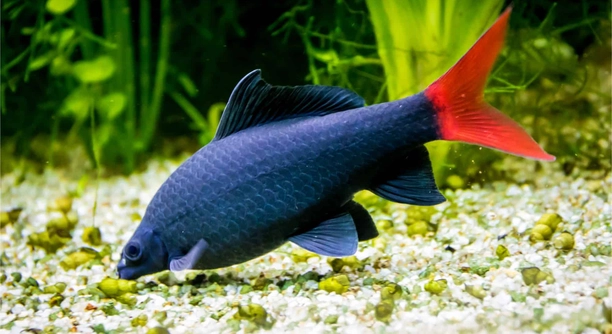
Rainbow sharks are popular aquarium fish known for their vibrant colors and active nature. Setting up a tank that keeps them calm and healthy requires careful attention to their environment. Many fishkeepers want to create a peaceful space that meets their needs.
Creating a stress-free tank for a rainbow shark involves providing ample swimming space, maintaining clean water, ensuring proper hiding spots, and avoiding overcrowding. Balanced water parameters and a consistent routine also play key roles in reducing stress.
Understanding these simple yet important tips will help you build a better home for your rainbow shark and promote its well-being over time.
Choosing the Right Tank Size
Rainbow sharks need plenty of space to swim and explore. A tank that is too small can cause stress and aggression. Ideally, the tank should be at least 40 gallons. This size gives your fish room to move freely without feeling cramped. Larger tanks also make it easier to maintain water quality. Decorations and plants should be arranged to allow open swimming areas while providing hiding spots. Avoid overcrowding the tank with too many fish, as rainbow sharks can become territorial. Keeping the environment balanced helps reduce their stress levels and promotes natural behavior.
A 40-gallon tank is the minimum for a single rainbow shark. Bigger is always better if you want to keep more fish.
Proper tank size is crucial because it supports healthy behavior and reduces fights. A roomy environment helps your rainbow shark feel secure and lowers stress from territorial disputes.
Maintaining Water Quality
Clean water is essential for a stress-free tank. Rainbow sharks are sensitive to poor water conditions. Regular water changes help keep ammonia and nitrate levels low. Test the water weekly to ensure parameters are stable. Aim for a pH between 6.5 and 7.5 and temperatures around 74 to 80°F. Using a good filtration system also keeps the water clear and healthy. Avoid sudden changes in water temperature or chemistry, as these can shock your fish. Keeping water stable makes a big difference in their health and behavior over time.
Maintaining water quality is key to preventing illness and stress in rainbow sharks.
Regular water testing combined with consistent water changes creates a safe and comfortable habitat. Filtration removes waste and keeps water oxygenated. Keeping parameters steady prevents stress-related behaviors like hiding or aggression. Your rainbow shark will thrive in a clean, balanced environment, showing brighter colors and more active swimming. A healthy tank reduces the risk of disease and extends the life of your fish. Consistency is the best way to keep your aquatic pet calm and happy.
Providing Hiding Spots
Rainbow sharks need places to hide to feel safe. Hiding spots reduce stress by giving them refuge from bright light or other fish. Use caves, driftwood, or dense plants to create these areas.
Hiding spots mimic the natural environment where rainbow sharks retreat to avoid threats. Without these safe spaces, your fish can become anxious or aggressive. Placing decorations strategically around the tank helps break the line of sight between territorial fish, lowering conflicts. Live plants also improve water quality and provide cover. Aim to create several hiding spots spread throughout the tank, so your rainbow shark can choose where it feels most comfortable. These retreats help your fish relax and show natural behaviors more often.
In addition to hiding spots, be careful not to overcrowd the tank with decorations. Too many obstacles can reduce swimming space and increase stress. Balance is key—provide shelter but keep open areas for swimming. Observing your rainbow shark’s behavior can guide how many hiding places it prefers.
Avoiding Overcrowding
Keeping too many fish in the same tank causes stress and aggression. Rainbow sharks are territorial, so space is important. Overcrowding leads to fights and poor water quality.
Each rainbow shark needs enough space to establish its territory. Overcrowding increases competition for food and shelter, which causes stress and weakens their immune system. A crowded tank also results in faster buildup of waste, making it harder to maintain good water quality. When the tank is properly stocked, fish swim calmly and interact less aggressively. Providing a balanced number of tank mates helps reduce stress and promotes harmony. Remember, a peaceful environment helps your rainbow shark stay healthy and vibrant.
Feeding the Right Diet
Rainbow sharks need a balanced diet to stay healthy. High-quality sinking pellets and occasional live or frozen foods work best.
Avoid overfeeding, which can pollute the water and stress your fish. Feed small amounts once or twice daily to keep them satisfied without excess waste.
Keeping a Consistent Routine
A regular feeding and maintenance schedule helps reduce stress. Consistency creates a stable environment where rainbow sharks can thrive.
Feeding at the same times daily and doing routine water changes builds predictability. Sudden changes in care or feeding may cause anxiety or illness. Keeping a calm and steady routine supports your fish’s well-being and encourages natural behavior.
Monitoring Behavior
Watch your rainbow shark closely for signs of stress or illness. Changes in activity or color can indicate problems.
Early detection helps prevent serious health issues and keeps your tank balanced.
FAQ
How often should I change the water in my rainbow shark tank?
Water changes are essential for keeping the tank clean and stress-free. Ideally, change 20-25% of the water once every week. This helps remove waste and toxins while keeping water parameters stable. More frequent changes may be needed if the tank is small or heavily stocked.
What temperature is best for rainbow sharks?
Rainbow sharks prefer temperatures between 74°F and 80°F. Keeping the temperature steady within this range reduces stress and supports their immune system. Sudden temperature shifts can cause illness, so a reliable heater and thermometer are important.
Can rainbow sharks live with other fish?
Yes, but choose tank mates carefully. Rainbow sharks are territorial and may become aggressive toward similar-shaped or fast-swimming fish. Peaceful, bottom-dwelling species or larger, non-aggressive fish work best. Avoid keeping multiple rainbow sharks together unless the tank is very large.
What signs show that my rainbow shark is stressed?
Stress signs include hiding constantly, loss of color, erratic swimming, or aggression. A stressed fish may stop eating or develop clamped fins. Monitoring behavior regularly helps catch problems early, allowing you to adjust tank conditions.
How much should I feed my rainbow shark?
Feed small amounts once or twice daily. Only offer what your fish can eat within two minutes to avoid overfeeding. Too much food leads to water pollution and health issues. A varied diet with sinking pellets, live, or frozen foods keeps them healthy.
Is it necessary to add hiding places in the tank?
Yes, hiding places help rainbow sharks feel secure. They use caves, plants, or decorations to retreat from bright light or other fish. Without hiding spots, stress and aggression can increase. Providing multiple shelters encourages natural behavior.
How large should the tank be for one rainbow shark?
A minimum of 40 gallons is recommended for a single rainbow shark. Larger tanks are better if you plan to add other fish. A spacious tank reduces territorial disputes and supports healthy swimming activity.
What is the best filtration system for a rainbow shark tank?
A good filtration system keeps water clean and oxygenated. Canister filters or hang-on-back filters with mechanical, biological, and chemical filtration are ideal. Proper filtration reduces toxins and keeps the environment stable, lowering fish stress.
Can rainbow sharks survive without plants?
While rainbow sharks do not need plants to survive, live plants improve water quality and provide hiding spots. Plants create a more natural habitat, reducing stress and encouraging healthy behavior.
Why does my rainbow shark chase other fish?
Chasing is often territorial behavior. Rainbow sharks establish and defend their space, especially in small tanks or when overcrowded. Providing enough space and hiding spots can help reduce chasing and aggression.
Final Thoughts
Creating a stress-free tank for your rainbow shark takes attention to detail and consistent care. By providing enough space, clean water, hiding spots, and a balanced diet, you help your fish feel comfortable and healthy. Each part of the setup matters and affects how your rainbow shark behaves and thrives. A calm environment supports natural activity and bright colors, which makes watching your fish much more enjoyable. Taking time to understand your fish’s needs leads to a better experience for both you and your aquatic pet.
It is important to remember that rainbow sharks are territorial and active fish. They need a tank setup that respects their nature. Overcrowding or sudden changes in water conditions can cause stress and aggression. Keeping a steady routine with regular water changes and feeding helps keep your tank stable. Watching your fish’s behavior regularly lets you catch problems early and make adjustments before stress becomes serious. A peaceful tank with proper care reduces illness and promotes a long, happy life for your rainbow shark.
Overall, patience and consistency are key when caring for rainbow sharks. These fish show their best colors and behavior when they feel safe and comfortable. Providing proper tank size, clean water, good hiding places, and a nutritious diet will make a big difference. With these efforts, your rainbow shark can be a lively and beautiful addition to your aquarium. Taking the time to care for your fish properly will bring satisfaction and a more enjoyable tank environment for everyone involved.

Hello,
If you enjoy the content that we create, please consider saying a "Thank You!" by leaving a tip.
Every little bit helps us continue crafting quality advice that supports the health, happiness, and well-being of pets around the world, for pets of all shapes, sizes, and species.
We really appreciate the kindness and support that you show us!