
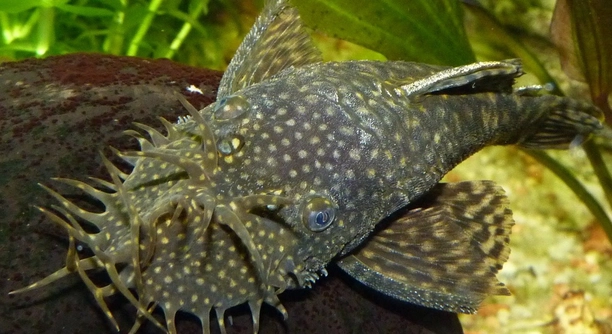
Do you ever find yourself setting up your pleco’s tank and wondering if the layout is really working for them?
Creating a pleco-friendly layout requires proper hiding spaces, a stable substrate, and efficient water flow. These elements mimic their natural habitat, reduce stress, and promote healthier behavior, making them essential for long-term well-being.
Designing the right setup isn’t just about looks—it can help your pleco feel safe, stay active, and thrive in your care.
Choose the Right Substrate
Plecos spend a lot of time at the bottom of the tank, so the type of substrate you use matters. Fine sand or smooth gravel is best because it’s gentle on their bellies and barbels. Avoid sharp or rough materials that could cause injury or stress. Sand is also easier for plecos to sift through while foraging, which matches their natural behavior. If you’re using gravel, make sure it’s rounded and not too large. The substrate should be deep enough to support live plants if you have them, but not so deep that waste builds up. Choose a neutral color to help them feel secure and less exposed. Clean the substrate regularly using a gravel vacuum to remove debris and uneaten food. This helps maintain good water quality and keeps the tank healthier overall. Your pleco will appreciate a soft, clean base to relax and explore on.
Use sand if your pleco is smaller or has sensitive skin. It’s smooth and keeps them from getting scratched during daily movement.
Plecos feel safer and act more naturally when the bottom of their tank mimics a riverbed. A suitable substrate encourages better feeding habits and keeps their environment comfortable and clean without causing harm or stress.
Add Hiding Spots
Hiding spots help plecos feel safe and stay calm, especially during the day when they’re less active. Use items like driftwood, caves, or PVC pipes to give them proper shelter.
Driftwood is one of the best choices. Not only does it offer a place to hide, but it also provides a source of food. Many plecos, especially wood-eating species like the Bristlenose or Royal pleco, need the fiber from real wood. Choose natural pieces without sharp edges, and boil them before adding to the tank to remove toxins. Ceramic caves or stacked rocks are great too. They offer dark, secure places for your pleco to rest or escape when stressed. Make sure all hiding spots are stable and won’t collapse or shift during cleaning. A good mix of materials gives your pleco variety and lets them pick their favorite spots. This also helps reduce aggression if there are multiple bottom-dwelling fish in the tank.
Ensure Proper Water Flow
Plecos enjoy a steady flow of water that mimics river currents. Strong filtration helps keep oxygen levels high and prevents waste from building up too quickly.
Use a filter rated for a tank larger than yours to ensure good turnover. A hang-on-back or canister filter is usually enough. Position the outflow to create movement across the tank without creating chaos. Plecos don’t like still water, but too much force can also stress them. If needed, add a powerhead to help circulate water near the bottom. Watch your pleco’s behavior—if it clings to surfaces more than usual or avoids certain spots, the flow might be too strong. Moderate movement keeps them active and prevents uneaten food from settling. It also helps keep oxygen levels consistent, which is important for their health, especially in warmer water where oxygen can drop more easily.
Cleaning your filter regularly is important. A clogged filter can quickly lead to poor water quality, low oxygen, and higher stress levels. Check your equipment at least once a week and rinse mechanical media in tank water to remove buildup without killing helpful bacteria. Consistent water flow also helps your pleco stay cleaner by moving debris away from their resting spots.
Maintain Stable Water Parameters
Plecos need consistency. Sudden changes in water temperature, pH, or hardness can lead to stress, illness, or even death. Stability helps them feel secure and stay healthy.
Keep your tank at 72–80°F with a heater, especially if your home tends to get cold. Use a reliable thermometer to monitor it daily. Aim for a pH between 6.5 and 7.5. Most plecos tolerate a range of water hardness, but staying in the middle helps avoid issues. Use a water test kit weekly to track ammonia, nitrites, and nitrates. Ammonia and nitrites should always be zero; nitrates should stay under 40 ppm. If you notice changes, do a partial water change (20–30%) and retest. Use dechlorinated water that matches your tank’s temperature. Adding water too cold or too warm can shock your pleco. When everything is steady, your pleco will eat better, grow stronger, and act more naturally.
Use Low Lighting
Plecos are mostly active at night or in dim environments. Bright lights can stress them out and cause them to hide more often. Use soft lighting or add floating plants to help block harsh light and make the tank feel more natural and comfortable for your pleco.
If your tank has plants that need strong lighting, try adding shaded areas with driftwood or caves. This lets your pleco escape the brightness without affecting your other tank needs. A balanced setup supports both your pleco’s comfort and your tank’s appearance.
Include Natural Decor
Natural decor not only looks better but also supports healthy behavior. Driftwood helps wood-eating plecos get fiber, while smooth stones and live plants give structure and comfort. Avoid anything sharp or artificial that might harm your pleco’s skin. Place decor in stable positions so nothing shifts during cleaning.
Avoid Overcrowding
Too many fish in one tank leads to stress and poor water quality. Plecos need space to move and rest without competition. Give them plenty of room to feel secure.
FAQ
How big should a tank be for a pleco?
Tank size depends on the pleco species. Common plecos grow large—up to 24 inches—so they need at least a 75-gallon tank. Smaller types, like the Bristlenose, stay around 4 to 6 inches and do well in a 30-gallon tank. Bigger is always better, especially if you want to add tankmates. A larger tank offers more swimming space, helps with water quality, and gives your pleco room to grow. Make sure the tank has plenty of bottom space and enough hiding spots to keep them comfortable. Overcrowding can lead to stress and aggression.
Do plecos need driftwood in their tank?
Yes, many plecos benefit from driftwood in their environment. Some species, like the Bristlenose or Royal pleco, actually eat the wood as part of their diet. It gives them fiber, which helps with digestion. Even for plecos that don’t eat wood, driftwood still serves as a great hiding place. It also supports natural behavior and helps them feel safe. Just make sure the driftwood is aquarium-safe. Boiling it before adding it to the tank helps remove any dirt or parasites. Over time, driftwood may tint the water slightly, but this is harmless and often helpful for soft-water fish.
What should I feed my pleco?
Plecos are mostly herbivores, though some are omnivores. Feed them a mix of sinking algae wafers, fresh vegetables like zucchini or cucumber, and occasionally some protein, like shrimp pellets. Make sure food reaches the bottom of the tank. Leafy greens, such as spinach or lettuce, can also be clipped inside the tank. Some plecos need more wood in their diet, so if you have one of those, keep driftwood available at all times. Feed them after lights go out if you notice they’re more active at night. Overfeeding leads to poor water quality, so remove any uneaten food the next day.
Can plecos live with other fish?
Yes, plecos can live with many other fish, as long as those fish are peaceful and don’t pick at them. Avoid tankmates that are very aggressive or territorial. Also, steer clear of fish that occupy the same bottom area and may compete for food or space. Most plecos do well with tetras, rasboras, mollies, and other calm community fish. Just make sure the tank is big enough to give everyone room. Add more hiding spots if you keep multiple bottom-dwellers. Plecos can get territorial with each other, especially if there isn’t enough space or shelter.
Do plecos need a heater?
Yes, plecos are tropical fish and need a consistent water temperature. Most species do best in water between 72°F and 80°F. If your home gets cold at night or in winter, a reliable heater is necessary to keep the temperature steady. Fluctuations can cause stress or illness. Use a thermometer to check the tank daily. Some plecos, like those from the Amazon region, prefer slightly warmer water. Always research your specific species to find the right range. A heater with a built-in thermostat is a good choice to keep everything stable and safe.
How often should I clean the pleco’s tank?
Regular tank maintenance is important. Do weekly water changes of about 20–30% to keep nitrates under control. Clean the substrate using a gravel vacuum to remove waste and leftover food. Wipe algae from the glass as needed, but don’t rely on your pleco to clean it all—they eat algae, but it’s not enough to maintain the tank. Rinse your filter media in tank water (not tap water) once a month to keep beneficial bacteria alive. Consistent cleaning helps prevent spikes in ammonia or nitrites and keeps your pleco in good shape.
Do plecos need live plants?
Live plants aren’t required, but they can make the tank healthier and more natural. Plants help with oxygen levels and reduce nitrates. Some plecos may nibble on softer plants, so choose hardy options like Java fern, Anubias, or Amazon swords. These types can handle pleco activity and don’t need much care. You can also anchor them to driftwood or rocks instead of planting them in the substrate. This keeps things neat and gives your pleco space to move around. If you use live plants, keep an eye on them for signs of damage and trim when needed.
Final Thoughts
Setting up a pleco-friendly tank is all about meeting your pleco’s natural needs. These fish are bottom-dwellers that prefer a calm, steady environment. They need soft substrate, shaded areas, and safe places to hide. When these things are missing, plecos can become stressed, stop eating, or get sick. A good layout doesn’t need to be fancy—it just needs to be thoughtful. Think about how your pleco moves, where it rests, and what it eats. Each choice you make, from the filter to the decor, can affect your pleco’s comfort and health. Keeping their needs in mind during setup makes daily care easier and more rewarding.
Stability is key. Plecos do best in tanks where the water temperature, flow, and quality stay consistent. Sudden changes in these areas often lead to problems. Using reliable equipment like a strong filter and a good heater makes a big difference. So does regular tank maintenance. It’s not just about keeping the water clear—it’s about keeping it safe. A weekly routine of water testing, cleaning the substrate, and checking equipment can help you catch issues early. Healthy plecos are more active, more curious, and show natural behavior. They’ll spend more time exploring, grazing, and resting peacefully if they feel secure in their tank.
Lastly, it’s important to keep things balanced. Avoid overcrowding the tank, as too many fish can cause stress and poor water quality. Make sure your pleco has enough space to move freely without bumping into other fish or tank items. Offer the right food, including vegetables and sinking pellets, and remove leftovers the next day to avoid buildup. Keep sharp or unsafe decorations out of the tank, and choose items that are smooth and stable. If you care for your pleco with patience and attention, they can live for many years. Whether your pleco is small like a Bristlenose or large like a Common pleco, a well-planned tank layout helps them thrive. Taking the time to create the right space now can lead to a healthier, more peaceful aquarium in the long run.

Hello,
If you enjoy the content that we create, please consider saying a "Thank You!" by leaving a tip.
Every little bit helps us continue crafting quality advice that supports the health, happiness, and well-being of pets around the world, for pets of all shapes, sizes, and species.
We really appreciate the kindness and support that you show us!