
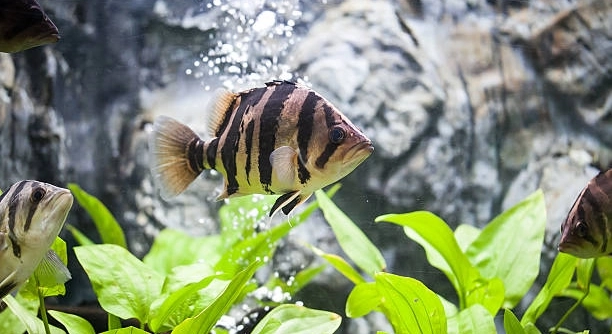
Is your barb tank often cloudy, making it hard to enjoy the vibrant colors and lively behavior of your fish? Cloudy water is a common issue, but with a few changes, you can see clear improvements.
The most effective way to maintain clear water in a barb tank is by combining proper filtration, regular maintenance, and careful feeding. These practices help control waste, reduce toxins, and support a balanced environment for your fish.
Each tip in this article focuses on simple steps that make a noticeable difference in water clarity and your barbs’ overall health.
Choose the Right Filter
A good filter helps remove waste, excess food, and other debris that can cloud the water. For barb tanks, which are often busy and active, it’s important to use a filter strong enough for the tank size and fish load. Look for filters that offer mechanical, chemical, and biological filtration. Mechanical filtration traps debris, chemical filtration removes odors and discoloration, and biological filtration supports healthy bacteria that break down toxins. Clean or replace filter media regularly so it doesn’t get clogged. You don’t need anything fancy—just consistent performance. Avoid over-cleaning the media, as this can remove helpful bacteria. If your tank is larger or heavily stocked, consider using two smaller filters instead of one large one. This provides better circulation and allows you to clean one filter while the other continues working. An effective filter keeps your tank looking better and helps your barbs stay healthy and active over time.
Proper filtration works silently in the background, but it makes a major difference in how clean your tank looks and smells.
If your tank still looks cloudy even with a filter, it might be time to check how often you clean or replace the media. Neglected filter pads or sponges can’t do their job well. Many issues with murky water can be traced back to filters that are too small or too dirty. Look at the manufacturer’s recommendations for your specific filter model, but also pay attention to how your tank looks and smells. If you notice flow slowing down, that’s often a sign your filter is clogged. Upgrading to a better-rated filter for your tank size is sometimes all it takes to improve water quality. Barbs are active swimmers and stir up debris, so make sure your filter can keep up with their movement and waste. A clean, properly sized filter goes a long way in keeping your tank water clear.
Avoid Overfeeding
Feeding too much is one of the fastest ways to cloud your water. Uneaten food breaks down and releases waste, which builds up quickly.
Only feed your barbs what they can finish in two minutes. Anything left over settles and decays, affecting water clarity and quality. Choose a high-quality flake or pellet and stick to a feeding schedule, once or twice a day. It’s better to underfeed slightly than to give too much. Barbs will happily eat more than they need, but their digestive systems—and your tank—won’t handle it well. You can even skip a day of feeding each week to help keep the tank balanced. If you often see leftover food, reduce the amount next time. You can also try feeding in smaller portions spread throughout the day. Vacuuming the gravel weekly helps pick up any food that sinks before it causes problems. Small changes to your feeding habits can make a big impact on water clarity.
Do Regular Water Changes
Changing out a portion of the tank water every week helps remove waste and keeps things balanced. Aim for a 25–30% water change weekly, depending on the tank size and how many fish you have. Clean water prevents buildup and supports better clarity and fish health.
Use a gravel vacuum during water changes to remove uneaten food and fish waste from the bottom. Don’t just siphon the top layer—go deep enough to lift debris without disturbing your fish too much. Always treat new tap water with a water conditioner before adding it back to the tank. This step neutralizes chlorine and chloramine that can harm your fish and bacteria. Try to match the temperature of the new water to what’s already in the tank to avoid stressing your barbs. Water changes take a bit of time but do more than any additive or quick fix can offer.
Skipping water changes for too long leads to rising nitrate levels, murky water, and stressed fish. You might also notice more algae growth. Even if the water looks clear, it could still hold invisible waste that harms water quality. Make water changes part of your regular routine. If weekly is too much, aim for every ten days—but stay consistent. A calendar reminder helps. You don’t need to remove your fish during this process. Just work around them slowly and calmly. Keep a bucket and siphon just for aquarium use to avoid any soap or residue that might cause problems. Over time, regular changes will make your tank easier to manage.
Don’t Crowd the Tank
Too many fish in one tank produces more waste than the filter and bacteria can handle. This leads to cloudy water, stressed fish, and increased risk of illness. Barbs are active swimmers, so they need space. A crowded tank limits movement and causes debris to build up quickly.
For clear water, follow stocking guidelines and avoid cramming too many barbs in a small tank. A good rule of thumb is one inch of fish per gallon, though this varies based on filtration and tank setup. Overcrowding reduces oxygen levels and overwhelms your tank’s natural balance. If you notice aggressive behavior or frequent waste buildup, your tank may be overstocked. Consider upgrading to a larger tank or rehoming some fish. Add plants or decorations to break up territory and reduce stress. Give your barbs space to swim, and your tank will stay cleaner and more stable. A balanced fish load makes maintenance easier.
Clean the Substrate
Gravel or sand can trap waste, leftover food, and other debris that cloud the water. Use a gravel vacuum during water changes to clean the substrate thoroughly. Even if the top layer looks fine, waste builds up quickly underneath where it’s harder to see.
Don’t stir the substrate too aggressively all at once, especially in deeper tanks. Doing so can release trapped gasses and debris into the water. Instead, clean small sections each week. Over time, this keeps buildup under control and helps prevent cloudy conditions from returning.
Rinse Decorations and Plants
Algae and waste can collect on tank decorations and artificial plants. Rinse them in tank water during water changes to remove buildup. Avoid using soap or chemicals. This quick step helps maintain clarity and keeps your tank looking fresh without harming your fish or beneficial bacteria.
Use Water Conditioners Wisely
Tap water contains chlorine and other chemicals that can harm fish and bacteria. Always add a water conditioner before introducing new water into the tank. Some conditioners also neutralize heavy metals and help detoxify ammonia. Make sure the product you choose fits your tank’s needs. Using the correct dose is important—adding too much won’t help and could interfere with water balance. Stick to basic dechlorinators unless your tank requires more support. Water conditioners make tap water safe without changing its clarity on their own, but they’re an essential step in keeping your tank stable during maintenance.
FAQ
How often should I change the water in my barb tank?
It’s best to change about 25–30% of the water every week. This keeps waste levels low and maintains water clarity. If you have more fish or a smaller tank, you might need to change water more often. Consistency is key for healthy water conditions.
Can I use tap water directly for my barb tank?
No, tap water contains chlorine and other chemicals that harm fish and beneficial bacteria. Always treat tap water with a water conditioner before adding it to your tank. This step removes harmful substances and makes the water safe for your barbs.
Why does my tank water stay cloudy even after cleaning?
Cloudy water can be caused by several factors: overfeeding, overstocking, a dirty filter, or substrate buildup. Make sure you’re not feeding too much and that your filter is the right size and clean. Regular substrate vacuuming helps too. If problems continue, test your water for ammonia, nitrite, and nitrate.
Is it okay to clean the filter media with tap water?
No, cleaning filter media with untreated tap water can kill helpful bacteria that break down toxins. Use tank water when rinsing or gently squeeze the media in a bucket of aquarium water during water changes. This keeps bacteria alive while removing debris.
How many barbs can I keep in a 20-gallon tank?
A common rule is one inch of fish per gallon, so about 15–20 small barbs can fit comfortably in a 20-gallon tank. However, it depends on your filter and tank setup. Don’t overcrowd to avoid cloudy water and stressed fish.
Can live plants help keep the water clear?
Yes, live plants absorb nitrates and other waste, which improves water quality and clarity. They also produce oxygen and provide hiding spots for fish. Choose hardy plants suited to your tank conditions to get the most benefit.
What should I do if algae is making the water look dirty?
Algae growth often comes from excess light or nutrients in the water. Reduce lighting to 6–8 hours a day and avoid overfeeding. Regular water changes and cleaning decorations can help control algae buildup. In some cases, adding algae-eating fish or snails may be useful.
Do water conditioners improve water clarity?
Water conditioners remove harmful chemicals but do not directly clear cloudy water. Clear water depends on good filtration, regular maintenance, and proper feeding. Conditioners protect fish and bacteria, supporting overall tank health.
Can overfeeding cause long-term damage to the tank?
Yes, overfeeding leads to excess waste, which breaks down into harmful substances like ammonia and nitrates. This can stress or kill fish and cause algae blooms. Feeding only what barbs eat in two minutes helps prevent these problems.
Is it normal for barb tanks to get cloudy after setup?
Yes, new tanks often experience “new tank syndrome,” where beneficial bacteria haven’t fully established. Cloudy water may clear on its own after a few weeks with proper cycling and maintenance. Patience is important during this phase.
Maintaining clear water in a barb tank takes regular care and attention. It’s not just about having a pretty tank—clean water helps your barbs stay healthy and active. Simple habits like feeding the right amount, doing regular water changes, and cleaning the filter make a big difference over time. Avoiding overcrowding and keeping the substrate clean also help keep the water clear and the environment balanced. These steps work together to support a stable tank where fish can thrive.
Using the right equipment is important, too. A good filter that fits your tank size can remove debris and toxins effectively. Remember to rinse filter media carefully with tank water to protect helpful bacteria. Water conditioners are necessary when adding new water because they make tap water safe without harming fish. While these products don’t clear cloudy water by themselves, they protect the natural balance inside your tank. Adding live plants can also improve water quality by absorbing waste and providing oxygen.
Patience is key when caring for your barb tank. Water clarity might not improve overnight, especially in new tanks where bacteria are still developing. Consistent maintenance, feeding carefully, and avoiding too many fish will lead to better results. Over time, these habits become easier and your tank will stay clearer and healthier. Clear water means happier fish and a more enjoyable aquarium to watch and care for every day.

Hello,
If you enjoy the content that we create, please consider saying a "Thank You!" by leaving a tip.
Every little bit helps us continue crafting quality advice that supports the health, happiness, and well-being of pets around the world, for pets of all shapes, sizes, and species.
We really appreciate the kindness and support that you show us!