
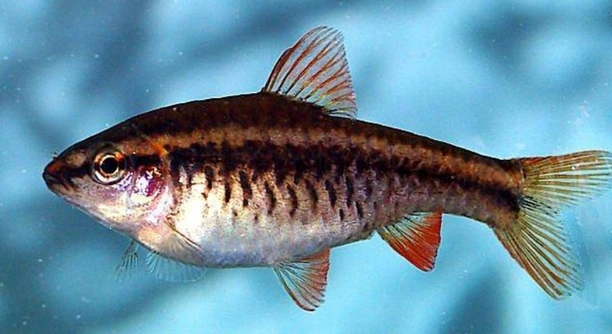
Are your cherry barbs constantly chasing each other or hiding more than usual? Group size might be the key to improving their behavior.
The ideal group size for cherry barbs ranges from six to ten individuals. Keeping them in a proper-sized group helps reduce stress, supports natural behavior, and promotes social interaction. Smaller or unbalanced groups may lead to aggression or isolation.
Maintaining the right group size creates a stable environment and can make a noticeable difference in their activity and health.
Understand Cherry Barb Social Behavior
Cherry barbs are peaceful, active fish that thrive in groups. In the wild, they naturally gather in shoals, which makes them feel secure and encourages social behavior. When kept alone or in too small a group, they become timid or aggressive. Watching their interactions helps identify if the group is too small. If you see them hiding or chasing each other too much, their group size might be off. Keeping them in the right group improves their health and color. Cherry barbs feel safer in numbers, which reduces stress and supports their immune systems. A group of six or more helps mimic their natural environment. You’ll also notice more playful swimming and calm tank dynamics with the right group size. It’s about creating a balanced setting where every fish can settle comfortably without tension or fear.
A small group can create an unbalanced dynamic, leading to unwanted behavior like fin nipping or constant hiding.
Adding more cherry barbs helps ease tension, distribute attention evenly, and promote natural behavior. You’ll often see a change within days—more swimming, less hiding, and reduced aggression. This small change can lead to better overall harmony in your tank.
Choose Compatible Tank Mates
Cherry barbs do well with peaceful species that won’t crowd or bully them. Avoid pairing them with large, aggressive fish or those that swim too fast.
A well-planned tank includes other small, calm fish like neon tetras, rasboras, or peaceful bottom-dwellers like corydoras. These companions don’t outcompete cherry barbs for food and allow them to swim freely without stress. It’s important to avoid keeping cherry barbs with aggressive or overly territorial fish. That kind of environment can raise stress levels and lead to health issues. If you’re aiming for a community tank, stick to species with similar temperaments and space needs. Good water conditions, proper tank size, and consistent feeding routines all help maintain peace. Observing the tank after any new addition also gives you a clear idea of compatibility. Cherry barbs adjust quickly to a stable tank setup, especially when they’re surrounded by fish that respect their space and pace.
Keep the Gender Ratio Balanced
A good balance of males and females helps prevent stress and aggressive behavior. Aim for one male to two females in your group. This ratio reduces chasing and creates a calmer, more stable tank environment.
Too many males in a group can cause constant competition and stress. Males may chase females too often, leading to exhaustion and hiding. Keeping more females than males spreads attention and lowers pressure on any single fish. This balance also encourages more natural behavior, like calm schooling and playful interaction. When the ratio is off, it’s common to see signs like torn fins or lethargy. It’s easier to manage aggression early on by adjusting your group mix. Female cherry barbs tend to be slightly rounder and less colorful, which helps you tell them apart. A balanced group leads to less stress, healthier fish, and a better chance of seeing their full range of behavior.
When buying cherry barbs, it’s best to select them from tanks where males and females are already mixed. This lets you observe how they interact and helps you spot any early signs of aggressive behavior. A healthy group with a balanced ratio also adjusts better when introduced to your tank. Stability starts from day one.
Give Them Enough Space to Swim
Cherry barbs need room to explore and feel comfortable. A cramped tank can increase stress and limit natural movement. A 20-gallon tank is the minimum recommended for a group of six, but more space is always better.
In a spacious tank, cherry barbs swim more freely and establish small territories without conflict. It also gives them room to escape if needed, which reduces anxiety. A longer tank layout is better than a tall one, as it gives more horizontal swimming space. Decor like plants and driftwood helps define zones and keeps them engaged, but avoid over-decorating. Clear swimming areas should remain open. Cherry barbs are active and curious, and they enjoy weaving through plants or darting around obstacles. Keeping the tank uncluttered with enough open space also improves water flow, which helps maintain water quality. Space, structure, and stability all work together to support healthy cherry barb behavior.
Monitor for Signs of Stress
Stressed cherry barbs may lose color, hide constantly, or stop eating. These changes often mean the group size or environment isn’t right. Quick action helps prevent long-term health problems or conflicts in the tank.
Watch for fin nipping, rapid swimming, or one fish being targeted. These behaviors suggest imbalance.
Adjust Group Size as Needed
Cherry barbs are flexible but need the right group size to thrive. If the tank feels tense or one fish seems isolated, adding a few more can help restore balance. Groups of six to ten usually work best. Observe how your fish act after any adjustment. If aggression drops and activity increases, you’re on the right track. A peaceful tank makes a big difference in how these fish behave. You might even notice improved color, healthier appetite, and better overall interaction. Cherry barbs communicate through movement, so a calm tank means they’re comfortable and relaxed. Group size has more impact than people often realize.
Feed a Balanced Diet
A varied diet supports energy, color, and health. Rotate between flakes, pellets, and frozen or live food like brine shrimp or daphnia. Avoid overfeeding and remove any uneaten food to keep the tank clean.
FAQ
What is the ideal group size for cherry barbs?
The ideal group size for cherry barbs is usually between six and ten individuals. This range allows for natural behavior, reduced stress, and a sense of security in the tank. Too few can cause isolation and aggression, while too many can lead to overcrowding. Keep a balanced group to ensure they interact peacefully and remain active.
Can cherry barbs live with other fish?
Yes, cherry barbs are peaceful and generally get along well with other small, non-aggressive fish. Tank mates like neon tetras, rasboras, and corydoras work well. Avoid aggressive or fast-moving species, as they can stress out cherry barbs and create an unbalanced tank environment. Compatibility is key to maintaining a peaceful community.
How can I tell if my cherry barbs are stressed?
Signs of stress in cherry barbs include fading color, lethargy, hiding more than usual, or sudden aggression like fin nipping. If they seem to be constantly swimming rapidly or bumping into things, they might be stressed due to a poor environment or group dynamics. Addressing their space and group size often resolves these issues.
Do cherry barbs need plants in their tank?
Plants are beneficial but not essential for cherry barbs. They help reduce stress by offering hiding spots, which helps fish feel secure. Live plants also help maintain water quality. However, avoid overcrowding the tank with plants, as open swimming spaces are important for cherry barbs to feel comfortable.
How often should I feed my cherry barbs?
Cherry barbs should be fed once or twice a day. Offer them a variety of foods, including flakes, pellets, and live or frozen options like brine shrimp and daphnia. Avoid overfeeding, as leftover food can lead to water quality problems. Feed them only what they can consume in a few minutes to prevent waste buildup.
Can I keep cherry barbs with shrimp?
Cherry barbs can usually live with shrimp, as long as the shrimp are not too small. Larger shrimp species like Amano or ghost shrimp are a good match. Smaller shrimp may be at risk of being eaten, especially by larger or hungrier barbs. Make sure to add hiding spaces for shrimp to avoid predation.
What is the best temperature for cherry barbs?
Cherry barbs thrive in temperatures between 72°F and 80°F (22°C to 27°C). Keeping the water within this range ensures their comfort and activity level. Consistent temperature helps with their immune system and overall health. Avoid rapid temperature changes, as they can stress the fish and lead to health issues.
How do I prevent aggression among cherry barbs?
To prevent aggression, maintain a proper group size with a balanced male-to-female ratio, ideally one male for every two females. Provide enough space and avoid overcrowding. Keep their environment calm by avoiding aggressive tank mates. Reducing stressors like high traffic or poor water quality can also help lower aggression levels.
Do cherry barbs breed in a community tank?
Yes, cherry barbs can breed in a community tank, but it’s not always guaranteed. If you want to encourage breeding, create a breeding environment by ensuring good water quality and providing hiding places for the eggs. When breeding, separate the adults from the fry to avoid predation. Adding a few more females can also increase the chances of successful breeding.
How long do cherry barbs live?
Cherry barbs can live for about 3 to 5 years in a well-maintained aquarium. Their lifespan depends on water quality, group size, and general care. Maintaining proper conditions—like good water quality, a balanced diet, and a peaceful tank environment—can help them live to their full potential.
Are cherry barbs hardy fish?
Cherry barbs are fairly hardy but require stable water conditions to thrive. They adapt well to a range of water types but do best in soft to moderately hard water. Rapid changes in water parameters, temperature, or poor water quality can cause stress, so it’s important to maintain consistent conditions for their health.
What is the best way to maintain water quality for cherry barbs?
Regular water changes, typically 25-30% every two weeks, are essential for keeping the water clean. Use a reliable filtration system and check water parameters regularly, including pH, ammonia, nitrites, and nitrates. Adding live plants helps improve water quality by absorbing excess nutrients. Avoid overfeeding to prevent waste buildup.
Can cherry barbs tolerate high light levels?
Cherry barbs can tolerate normal light levels but should not be exposed to excessive lighting, which can stress them out. Provide a gentle lighting setup that mimics natural day and night cycles. It’s best to limit the light to 8-12 hours a day to avoid overstimulation, which can lead to stress and a decrease in activity.
Are cherry barbs easy to care for?
Cherry barbs are relatively easy to care for, making them suitable for beginners. They are low-maintenance, as long as you maintain a balanced group size, provide a stable environment, and keep water parameters in check. Regular feeding, proper tank mates, and sufficient space will keep them happy and healthy.
What is the best filtration system for cherry barbs?
A reliable sponge filter or hang-on-back (HOB) filter is typically sufficient for a tank housing cherry barbs. These filters provide gentle water movement, which is ideal for this species. Ensure the filter is sized appropriately for the tank volume to maintain proper water quality without causing too much current, which can stress the fish.
Do cherry barbs get along with other barb species?
Cherry barbs generally get along with other barb species, provided the other barbs are not too aggressive. Species like the Odessa barb or the golden barb can coexist peacefully with cherry barbs in a community tank, as long as space and resources are well managed. Avoid keeping them with highly territorial barbs that may bully the cherry barbs.
How can I enhance the color of my cherry barbs?
To enhance the color of cherry barbs, maintain high water quality, feed a varied diet, and provide a well-balanced environment. They display their brightest colors when they feel secure and are kept in proper group sizes. Offering high-quality foods rich in carotenoids, like frozen or live foods, can also improve their coloration.
Final Thoughts
Choosing the right group size for cherry barbs is essential for their well-being. These small, peaceful fish thrive when kept in groups of six to ten, where they can interact naturally and feel secure. A smaller group may lead to stress and isolation, while a larger group can cause overcrowding, which leads to aggression. Maintaining a balance is key to ensuring your cherry barbs are healthy and happy in your aquarium. Monitoring their behavior and adjusting the group size when necessary will help keep them comfortable in their environment.
In addition to the group size, providing the right tank environment is crucial for cherry barbs. They prefer a well-maintained tank with stable water conditions. Ensure your tank has enough space, plants, and hiding spots to create a peaceful environment. Consistent water changes, proper filtration, and monitoring water parameters will keep the fish thriving. Stress can cause health issues, so avoiding overfeeding and minimizing disturbances in the tank are important factors for their long-term well-being.
Lastly, feeding your cherry barbs a balanced diet is vital. Offer a variety of foods, including flakes, pellets, and live or frozen options like brine shrimp and daphnia. This variety not only supports their health but also encourages their natural behaviors. Be mindful of overfeeding, as leftover food can harm water quality. By providing proper care, including a suitable group size, tank environment, and diet, you can enjoy healthy and vibrant cherry barbs in your aquarium for years to come.

Hello,
If you enjoy the content that we create, please consider saying a "Thank You!" by leaving a tip.
Every little bit helps us continue crafting quality advice that supports the health, happiness, and well-being of pets around the world, for pets of all shapes, sizes, and species.
We really appreciate the kindness and support that you show us!