
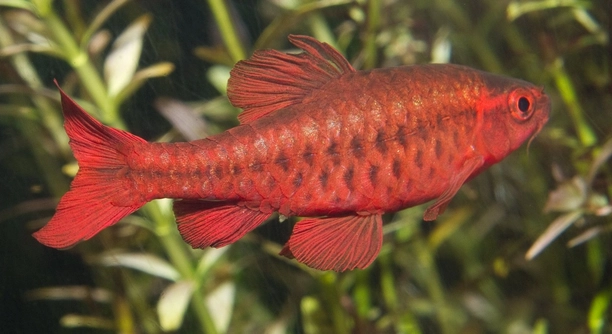
Finding the right tank mates for your cherry barbs is crucial for their well-being. The wrong companions can cause stress and harm to their health. This guide will help you choose the best tank mates that won’t stress them out.
Cherry barbs thrive in peaceful environments and do well with non-aggressive, calm tank mates. It is essential to select species that are similar in temperament and size. This minimizes stress and ensures they remain healthy and comfortable.
Knowing the right tank mates is essential for creating a harmonious aquarium. By following these tips, you’ll provide a stress-free environment for your cherry barbs and enhance their quality of life.
1. Understanding Cherry Barbs’ Behavior
Cherry barbs are peaceful and social fish that thrive in groups. They feel more secure when surrounded by other barbs, as it reduces stress. Keeping them with calm, compatible species is important to maintain their comfort. Tank mates should be of similar size and temperament to avoid conflict.
Choosing fish that are not overly aggressive will help avoid territorial disputes, ensuring the cherry barbs stay at ease. When these fish feel safe and secure, they will exhibit more natural behaviors, which can improve their overall health.
It’s important to pay attention to their behavior, especially when introducing new tank mates. Some species might be too active or large, overwhelming the cherry barbs. When selecting fish, focus on species that have similar energy levels and won’t outcompete your barbs for space or food.
2. Fish That Pair Well with Cherry Barbs
There are several fish that make great companions for cherry barbs. Corydoras catfish, neon tetras, and small rasboras are among the best options. These species share similar water temperature and pH preferences, ensuring a harmonious environment.
These fish are peaceful and social, helping maintain a calm atmosphere in the tank. With the right tank mates, cherry barbs will feel more relaxed and less stressed. It’s essential to keep their living space as peaceful as possible to promote their well-being.
By choosing the right tank mates, you can create a balanced environment that benefits all fish. Just make sure to avoid species known for aggressive behavior or large fish that might stress out smaller barbs. Proper planning helps ensure everyone in the tank gets along.
3. Fish to Avoid with Cherry Barbs
Large, aggressive fish should be avoided when setting up a tank with cherry barbs. Fish like bettas, cichlids, and goldfish are not ideal. Their territorial nature and size can intimidate smaller fish, causing unnecessary stress.
Aggressive fish will often chase or bully the cherry barbs, leading to injury or even death. It’s best to avoid species that might outcompete the barbs for food or space. Even if a fish appears peaceful, it’s important to research their behavior to avoid any potential conflicts. When setting up a tank, always ensure that the barbs have enough space and hideouts to feel secure.
Cherry barbs are shy and enjoy peaceful surroundings. Having large, aggressive fish in the same tank can disrupt this balance. While they are resilient, a stressful environment can lead to health problems over time. Always prioritize peaceful species to ensure your cherry barbs stay happy and healthy.
4. How to Set Up the Tank for Harmony
Creating the right environment is crucial for cherry barbs and their tank mates. Start by adding plenty of plants, rocks, and hiding spots for all fish. This ensures each fish has a territory to claim and a space to retreat when needed.
The ideal tank setup encourages peaceful interactions by providing enough space for each fish. Cherry barbs are shy, and having hiding spots gives them a sense of security. Consider adding plants with soft leaves, as they provide shelter and also contribute to water quality. These elements will help create a more natural environment, which is essential for the well-being of your fish.
Proper tank setup also involves ensuring the water conditions are suitable for all species. Make sure to monitor water temperature, pH, and hardness regularly. Healthy water parameters will make the entire tank more harmonious, allowing all fish to thrive together without stress.
5. Keep Tank Mates in Groups
Cherry barbs are social fish and prefer to be in groups of at least five. Having a school of barbs reduces their stress and allows them to interact in a more natural way. Tank mates should also be kept in groups where possible.
When adding peaceful fish like tetras or rasboras, ensure they are also in schools. This helps create a more balanced environment. When fish are kept in schools, they feel safer and are less likely to stress. The group dynamic will also reduce aggression and promote peaceful coexistence among different species.
Creating a harmonious environment means thinking about all fish in the tank. Fish that are solitary by nature may not adapt well to a group setup. Consider your cherry barbs’ social needs when planning the tank to ensure all species are happy.
6. Monitor Feeding Habits
Cherry barbs are active feeders and enjoy a varied diet. Overfeeding or underfeeding can lead to stress and poor health. Make sure to monitor how much each fish eats and adjust accordingly. Tank mates should also be compatible in feeding habits.
Different species have different feeding needs. Some may prefer to feed at the bottom, while others might prefer the surface. Ensuring all fish get enough food without competition is key. Uneaten food should be removed quickly to maintain clean water and prevent any unwanted algae growth. Keep a consistent feeding schedule to help all fish thrive.
7. Temperature Compatibility
The ideal water temperature for cherry barbs is between 72-79°F. Ensure any tank mates can also tolerate this range. Fish like neon tetras, Corydoras, and guppies are all well-suited to these temperatures. Always check the temperature range of potential tank mates.
FAQ
What are the best tank mates for cherry barbs?
The best tank mates for cherry barbs are small, peaceful fish that share similar water temperature and pH preferences. Consider species like neon tetras, Corydoras catfish, and rasboras. These species are calm, social, and won’t compete aggressively for resources. It’s important to avoid any fish that are too large or aggressive, as they can cause stress and harm to the cherry barbs.
Can cherry barbs live with bettas?
No, cherry barbs should not be kept with bettas. Betta fish are territorial and can become aggressive towards other fish, especially those with similar fin shapes or colors. Cherry barbs, being peaceful fish, can easily become stressed by the betta’s aggressive behavior. It’s best to keep them in separate tanks.
What is the ideal tank size for cherry barbs and their tank mates?
A minimum tank size of 20 gallons is recommended for a group of cherry barbs and their tank mates. The larger the tank, the better the conditions will be for all fish, as it provides more space and helps maintain water quality. A larger tank also ensures that each species has enough room to establish its own territory without overcrowding.
How many cherry barbs should I keep together?
Cherry barbs are social fish and should be kept in groups of at least five. Keeping them in a school reduces stress, encourages natural behavior, and helps them feel secure. A group of five or more allows for better social interaction and minimizes territorial behavior that may arise when they are kept alone or in smaller groups.
Are cherry barbs aggressive?
No, cherry barbs are not aggressive. They are peaceful and tend to get along well with other non-aggressive species. They may show some territorial behavior during breeding, but this is generally mild and doesn’t lead to harm. When placed with similar peaceful tank mates, cherry barbs will remain calm and friendly.
Do cherry barbs need a heavily planted tank?
While cherry barbs don’t require a heavily planted tank, they do benefit from having plants for shelter and hiding spots. Plants provide a sense of security, reduce stress, and help mimic their natural habitat. Adding live plants like java moss or floating plants creates a more comfortable environment and can reduce territorial behavior in other species.
Can cherry barbs live with snails or shrimp?
Yes, cherry barbs can live with snails and shrimp. They are peaceful enough to coexist with these smaller creatures, especially if the tank is properly maintained. Snails like Nerite or Mystery snails are safe tank mates, as are small freshwater shrimp like Amano or Cherry shrimp. However, always be mindful of the size of the shrimp, as larger species might feel threatened.
What should I feed cherry barbs and their tank mates?
Cherry barbs are omnivorous and will eat a variety of foods. A balanced diet of high-quality flake food, pellets, and occasional live or frozen foods like brine shrimp, daphnia, and bloodworms is ideal. For tank mates, offer foods that match their dietary needs. Make sure to avoid overfeeding, as uneaten food can pollute the tank.
How can I reduce stress in my cherry barbs?
To reduce stress in your cherry barbs, ensure they are kept with compatible tank mates and in a peaceful, well-planted environment. Maintain stable water conditions, including temperature, pH, and hardness. Overcrowding and sudden changes in the tank can cause stress, so keep the tank spacious and avoid frequent disruptions.
Do cherry barbs breed easily?
Cherry barbs can breed in the right conditions, but it isn’t always easy. They require a well-maintained tank with stable water parameters and plenty of hiding spots for fry. During breeding, the males will display their bright red color to attract females. After spawning, the eggs should be removed from the main tank to avoid predation, as the adult fish may eat the fry.
What is the lifespan of cherry barbs?
Cherry barbs typically live for about 3 to 5 years with proper care. Their lifespan depends on factors such as water quality, tank mates, and diet. Keeping them in optimal conditions will help them live a long, healthy life. Regular water changes, proper feeding, and maintaining stress-free tank conditions are key to their longevity.
Do cherry barbs get along with other types of barbs?
Cherry barbs generally get along well with other types of peaceful barbs, like the gold barb or green barb. However, it’s important to monitor their interactions, as some species of barbs can be more aggressive or territorial. Always ensure that any tank mates, including other barbs, are compatible in terms of temperament and size.
Can cherry barbs live with goldfish?
No, cherry barbs should not be kept with goldfish. Goldfish are cold-water species, while cherry barbs prefer warmer water temperatures. Additionally, goldfish can be quite messy, which can lead to poor water quality. Cherry barbs would not thrive in a tank with goldfish due to these significant differences in care requirements.
Final Thoughts
Choosing the right tank mates for cherry barbs is key to keeping them happy and healthy. These peaceful fish thrive in a calm and stable environment, making it important to select companions that won’t stress or harm them. A variety of small, non-aggressive fish like tetras, rasboras, and Corydoras catfish make ideal tank mates. When considering other species, always think about their size, temperament, and water requirements to ensure a balanced, stress-free tank.
It’s also essential to maintain proper water conditions and provide enough space for all the fish to swim comfortably. Cherry barbs, like many other species, are sensitive to water quality, and poor conditions can lead to stress, illness, and even death. Regular water changes, monitoring pH and temperature, and avoiding overfeeding are simple but effective ways to keep the tank environment stable. Keeping the right number of fish in the tank is also crucial, as overcrowding can cause stress and aggression, which negatively affects the health of all fish.
By carefully considering the needs of both cherry barbs and their tank mates, you can create a peaceful community tank where all species coexist harmoniously. Providing a variety of hiding spots, plants, and other enrichment will help reduce stress and encourage natural behaviors. Whether you are new to fishkeeping or an experienced hobbyist, keeping cherry barbs with compatible species and maintaining optimal tank conditions will ensure that your fish thrive for years to come.

Hello,
If you enjoy the content that we create, please consider saying a "Thank You!" by leaving a tip.
Every little bit helps us continue crafting quality advice that supports the health, happiness, and well-being of pets around the world, for pets of all shapes, sizes, and species.
We really appreciate the kindness and support that you show us!