
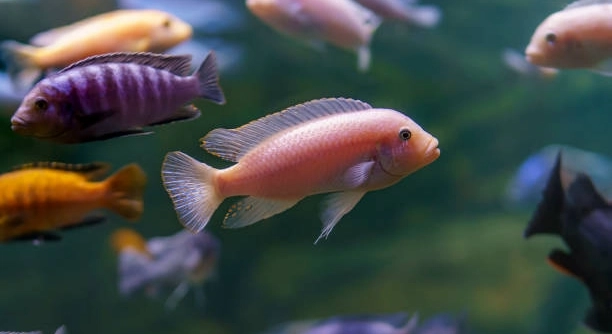
Catching fry can feel delicate and overwhelming, especially for beginners managing small nets, tanks, and timing. A calm approach helps protect young fish, reduces losses, and builds confidence while supporting growth from the earliest stages.
Successful fry collection depends on minimizing stress through gentle handling, proper tools, and stable water conditions. Using fine mesh nets, slow movements, and planned transfers reduces injury risk, supports survival rates, and maintains developmental stability during early life stages overall.
Small adjustments in technique and preparation can transform fry handling into a smooth, reliable process with consistent results every time.
Prepare a Calm Environment
Before catching fry, the environment should be calm and predictable. Turn off strong filters, reduce lighting, and remove distractions around the tank. Sudden shadows or vibrations can startle fry and cause frantic movement. I always prepare a small container with tank water in advance, so transfers feel seamless. Matching temperature and cleanliness matters more than speed. When the area is quiet, movements become slower and more controlled. This lowers the chance of injury and keeps water conditions stable. Planning a short window for the task helps avoid rushing. Fry respond best to consistency, and even small changes can affect them. By setting up everything first, hands spend less time in the water. This simple preparation creates a safer space and makes the process feel manageable, even during larger collections. Over time, this habit builds confidence and reduces mistakes during repeated handling sessions with calm focus and steady results for fry.
A calm setup protects fry from shock and reduces losses during handling. Preparation replaces stress with routine, allowing each movement to support health, stability, and steady development without unnecessary disturbance. This approach also saves time and prevents rushed decisions that often lead to errors when collecting multiple batches of fry.
Stress in fry often comes from sudden changes rather than the act of catching itself. Bright lights, fast hands, and unstable water trigger panic responses. I have learned that slowing down improves survival more than any special technique. Keeping tools nearby avoids unnecessary movement. Working gently and consistently helps fry remain oriented and calm. Overhandling should be avoided, as brief contact is usually sufficient. A controlled environment supports healthy behavior and recovery. This mindset turns fry collection into a routine task instead of a risky moment. It also encourages patience, awareness, and better long term outcomes for growth and survival.
Use the Right Tools and Timing
Choosing proper tools and timing reduces harm during fry collection. Soft nets, small containers, and planned moments keep handling brief. Acting during calm periods, rather than feeding times, limits movement and supports safer transfers overall. This careful selection minimizes stress and improves consistency across repeated tasks for small developing fry.
Tools directly influence how fry respond during capture. Fine mesh nets prevent fins from snagging, while clear containers allow observation without repeated lifting. I prefer shallow scooping rather than chasing, since pursuit increases panic and exhaustion. Timing matters just as much as equipment. Collecting fry during low activity periods reduces resistance and keeps water conditions stable. Avoid handling right after feeding, when digestion and waste can affect water quality. Gentle transfers supported by matched temperatures help fry adjust quickly. Each step should feel intentional and measured. Rushing often leads to spills, injuries, or missed fry. With practice, movements become efficient and predictable. Consistency builds trust in the process and reduces losses over time. Proper tools paired with thoughtful timing create a balanced approach that supports survival, growth, and manageable routines for ongoing care. Having duplicates of basic tools nearby prevents delays and keeps focus steady. Clean equipment before and after use limits contamination risks. I have found that simple habits reduce fatigue during larger sessions. Over time, this method supports reliable results and calmer handling for fry and caretaker alike. It also makes routine maintenance predictable and less disruptive to daily care schedules while supporting steady observation and record keeping.
Move Slowly and With Purpose
Slow movements keep fry from scattering and colliding with tank walls. I focus on steady hands and short motions. Sudden speed causes panic and exhaustion. Moving with purpose allows fry to drift naturally into nets or containers without pressure or repeated attempts, which reduces handling time and supports safer collection.
Fry rely on instinct, not awareness, so fast actions overwhelm them. When I slow down, I notice fewer escape attempts and less clouded water. Controlled motion keeps oxygen levels stable and avoids stirring debris. Hands should enter water gradually, pausing before contact. Nets work best when guided, not forced. Allowing fry to swim forward reduces chasing. This method protects fins and lowers energy loss. Over time, fry recover faster after transfer. Consistent pacing also reduces mistakes, such as missed counts or damaged equipment during collection sessions, and helps maintain focus during longer handling periods without unnecessary strain or fatigue buildup.
Rushing often comes from nervousness, not necessity. I remind myself that fry respond better to calm than speed. Taking a breath before each movement helps maintain rhythm. Smooth actions limit water splashing and temperature shifts. Fry stay oriented when water remains still. This reduces stress markers and improves survival. Slower handling also allows quick corrections if something feels off. Equipment placement becomes clearer, and grip stays relaxed. These small details combine to create safer outcomes during repeated fry collections while supporting confidence and consistency for caretakers managing delicate early life stages over time with fewer losses and setbacks overall observed.
Limit Handling and Transfer Time
Short handling periods lower physical strain on fry. I prepare containers beforehand so transfers happen quickly. Prolonged exposure to air, even briefly, increases risk. Efficient movement from tank to container helps maintain temperature and oxygen balance. The goal is completion, not perfection. Less contact reduces fin damage and supports faster recovery once fry settle into their new space, which promotes stability and reduces delayed stress responses during early development stages after collection tasks end fully.
Every extra second of handling adds pressure to fragile systems. Fry regulate stress poorly, so minimizing transfer time matters. I keep lids loose and water levels shallow to avoid spills and delays. Planning the path between tanks prevents unnecessary stops. Transfers should be direct and deliberate. Avoid showing fry to others or pausing mid task. Once placed, allow them to rest without observation. Lights should remain low for several hours. This quiet period supports adjustment and normal swimming behavior. Efficient transfers paired with rest improve feeding response and growth. Over time, reduced handling leads to stronger, more stable fry populations by lowering losses improving consistency across batches and allowing caretakers to monitor progress calmly without frequent interference during sensitive early stages of development overall observed.
Control Lighting and Visual Stimuli
Consistent lighting keeps fry calm during handling. I dim lights before starting to reduce sudden contrast. Bright exposure causes rapid movement and confusion. Soft light allows fry to see barriers without panic. Stable lighting conditions support smoother transfers and help maintain normal swimming patterns throughout the process with minimal stress.
Lighting should remain unchanged before and after collection. I avoid switching lights on suddenly once fry are moved. Gradual adjustment prevents shock and disorientation. Using ambient room light instead of direct fixtures keeps the environment predictable and reduces unnecessary stimulation during recovery period for delicate fry as they settle calmly.
Maintain Stable Water Conditions
Water parameters must remain stable before and after fry collection. I always match temperature, pH, and cleanliness between containers. Sudden changes strain developing systems and slow recovery. Clean water with gentle aeration supports oxygen needs without strong flow. I avoid additives during transfers to prevent reactions. Testing water beforehand reduces surprises. Stable parameters encourage normal swimming and feeding soon after placement. When conditions stay consistent, fry conserve energy, adapt faster, and show fewer stress behaviors. This consistency supports steady growth and improves survival rates across repeated handling sessions over time with careful monitoring and routine maintenance practices in home tanks.
Observe Without Interfering
Observation after transfer matters as much as the catch itself. I watch for steady swimming and even spacing. Any erratic motion signals stress. Quiet monitoring without interference allows fry to settle naturally while confirming conditions remain supportive and safe during early adjustment periods following handling sessions and relocation processes overall.
FAQ
How often should I catch fry?
Catching fry should be done only as needed. I usually collect them when I need to separate sizes, move them to grow-out tanks, or reduce overcrowding. Frequent handling increases stress, so I aim to limit collection to essential moments. Regular observation helps determine the right timing without unnecessary interference.
What is the best time of day to catch fry?
Early morning or late evening works best because fry are calmer and water conditions are stable. I avoid catching them right after feeding. Calm periods reduce rapid movement, making nets more effective and transfers smoother while minimizing stress and oxygen fluctuations in the water.
Can I use any net for fry?
No, fine mesh nets are essential. Larger holes can injure delicate fins and bodies. I prefer soft, flexible nets that allow gentle scooping. A fine mesh prevents fry from slipping through while reducing the chance of collisions or entanglement during transfers, which supports survival rates significantly.
How much water should I transfer with fry?
Transferring fry with a small amount of tank water helps maintain stable parameters. I usually take about half the container’s volume, enough to keep water chemistry consistent. Avoid overfilling containers, as it increases handling difficulty and stress. Proper water volume supports oxygen levels and reduces sudden temperature shifts.
How do I reduce stress during transfer?
Move slowly, keep hands steady, and prepare containers beforehand. I focus on smooth motions and minimal exposure to air. Using a calm environment with dimmed lighting and gentle aeration in the receiving container helps fry adjust faster. Short transfer times and controlled movements prevent exhaustion and disorientation.
Should fry be separated by size?
Yes, separating fry by size reduces competition and bullying. I group them carefully to avoid overcrowding and injury. Different sizes grow at different rates, and separation ensures smaller fry receive food without being chased away, promoting even growth and minimizing unnecessary stress during early stages.
Can I catch fry without using my hands?
Yes, using nets or siphons works best. Direct hand contact should be minimal, as it can damage delicate fins or scales. I gently guide fry into nets or containers, letting them swim forward rather than chasing them. This approach preserves energy and lowers stress levels for all fry involved.
How do I know if fry are stressed after catching?
Signs include erratic swimming, rapid gill movement, or hiding. I monitor their behavior for at least an hour after transfer. If fry show distress, I reduce light, provide calm water, and avoid further handling. Quick intervention prevents long-term stress and helps fry regain normal activity, feeding, and growth patterns.
What equipment is essential for stress-free catching?
Soft fine mesh nets, shallow containers, and clean water are key. I also keep thermometers and water testing tools nearby. Preparing all equipment in advance reduces handling time and allows for smooth, efficient transfers. Having duplicates prevents delays and ensures nothing causes panic during the process.
Can fry survive being out of water briefly?
Fry are extremely sensitive to air exposure. I avoid lifting them from water for more than a few seconds. If I need to move fry, I do it carefully in water-filled containers. Minimizing air contact protects delicate gills, maintains oxygen supply, and supports faster recovery once they are back in the tank.
How should I clean containers between transfers?
Rinse containers with tank water and avoid soap or chemicals. I sometimes use warm water to remove debris but never introduce anything that could alter pH or add contaminants. Clean containers reduce stress, prevent infection, and maintain stable water parameters for new fry batches.
Is it necessary to aerate the water during transfers?
Gentle aeration is helpful but should not be strong. I use soft bubbles to maintain oxygen without causing currents that scatter fry. Aeration supports healthy gill function during temporary holding and prevents hypoxia, which is critical when multiple fry are handled at once in confined spaces.
How long should fry stay in transfer containers?
I keep fry in transfer containers only long enough to move them safely. Extended time increases stress and can affect health. Usually, transfers take a few minutes if prepared properly. Short exposure preserves energy, reduces risk of oxygen depletion, and supports normal swimming and feeding immediately after placement.
Can I catch fry alone, or should I have help?
It’s possible alone if well-prepared, but having help can improve efficiency and reduce stress. I sometimes ask someone to hold containers while I net fry. Assistance allows for smoother movements, faster transfers, and fewer errors during handling, which benefits both fry and caretaker confidence during the process.
How do I avoid losing fry during collection?
Move slowly, use fine mesh nets, and prepare containers properly. I guide fry gently rather than chasing. Clear water visibility helps prevent missed fish. Minimizing disturbances and handling only as needed ensures more fry survive, reduces stress, and supports consistent growth across all batches collected.
How often should I check fry after transferring?
I observe for several hours after transfer, checking behavior, swimming, and feeding response. Monitoring ensures fry are adjusting well and helps catch any signs of stress early. Minimal interference during observation allows them to settle naturally, supporting survival and long-term growth in a stable environment.
Final Thoughts
Catching fry can feel intimidating at first, but the key is keeping the process calm and controlled. When I began, I often rushed, thinking speed would make the task easier. Over time, I realized that slowing down and preparing everything in advance reduces mistakes and protects the fry. Small details, like matching water temperature, using a soft net, and moving slowly, make a noticeable difference in survival. Fry are fragile, and even minor stress can affect their growth, so careful handling matters more than trying to do everything quickly. Setting up containers, checking water conditions, and arranging tools beforehand saves time and prevents frantic movements. By paying attention to these small steps, each session becomes smoother and less stressful for both the fry and the caretaker. Over the years, I’ve learned that a calm approach consistently produces healthier fry with fewer losses and more predictable results.
Another important point is limiting handling and transfer time. Fry do not tolerate extended exposure to air or frequent movement, and every additional second outside their stable water environment increases stress. I try to collect only when necessary, such as separating sizes or moving fry to another tank, and always plan the steps before touching the water. Using fine mesh nets, shallow containers, and gentle, steady motions ensures transfers are brief and safe. Even small things, like avoiding sudden lighting changes or keeping water clean, make a difference. Once fry are settled, observation should be quiet and minimal. Watching them for a short time helps confirm they are swimming and feeding normally, without adding unnecessary pressure. Over time, I’ve found that consistent routines, slow movements, and careful planning create a predictable environment that supports fry health and growth.
Finally, patience is one of the most valuable tools in fry care. Even with preparation, mistakes can happen, and fry can respond unpredictably. I remind myself that stress comes from sudden changes, not the act of catching itself, so a calm presence is essential. Learning to move slowly, adjust lighting, and match water conditions takes practice but quickly becomes second nature. Each session teaches something new, whether it’s how fry react to nets or which container setup works best. By approaching the task with care, attention, and a steady hand, catching fry becomes manageable and far less stressful. Consistent habits, preparation, and patience improve survival, support healthy growth, and make fry care more predictable. Over time, this careful method builds confidence and ensures both the fry and caretaker experience less stress during every transfer.

Hello,
If you enjoy the content that we create, please consider saying a "Thank You!" by leaving a tip.
Every little bit helps us continue crafting quality advice that supports the health, happiness, and well-being of pets around the world, for pets of all shapes, sizes, and species.
We really appreciate the kindness and support that you show us!