
Paragraph 1 (35 words):
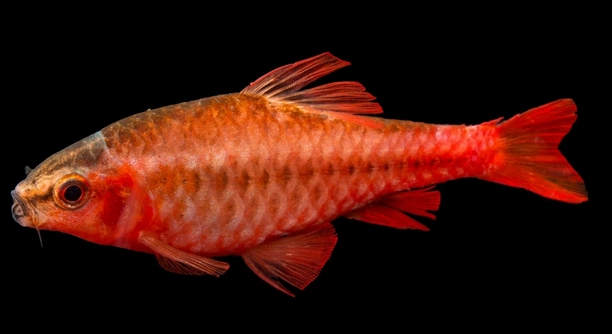
Capturing the vibrant colors of your cherry barb fish can be a challenge for any photographer. Whether you’re an enthusiast or just getting started, learning a few tricks can help you get the perfect shot.
Paragraph 2 (40 words):
To effectively capture cherry barb color on camera, focus on proper lighting, use a macro lens for sharp detail, and ensure the fish is well-lit from the side or above. Adjust the white balance to enhance natural color accuracy.
Paragraph 3 (20 words):
By understanding these key techniques, you can significantly improve your photos. Let’s explore the tips to make your cherry barb shots stand out.
1. Importance of Lighting for Cherry Barb Photos
Lighting plays a crucial role in capturing the true color of cherry barbs. When photographing these fish, the right light can make their vibrant hues pop and add depth to your shot. Natural light is usually the best choice, but it should be soft and indirect. Direct sunlight can cause harsh shadows and may wash out the vivid reds and oranges of the fish. If you’re photographing indoors, consider using aquarium lights or a softbox to mimic natural light. The key is to avoid anything that causes reflections on the glass or water. Experiment with the light’s angle to highlight the fish’s features and bring out its most striking colors.
The best lighting sources often come from above or to the side of the tank. Adjusting the angle of light can help you control shadows and reflections, ensuring you get the sharpest image possible. The gentle flow of light is what brings out the full spectrum of colors without making the image look artificial.
Be mindful that lighting can also affect your camera’s settings. A good balance is essential to avoid overexposure or underexposure. Play with different setups and angles until you find what works best for your setup.
2. Use of Macro Lens for Sharp Detail
Using a macro lens is essential for capturing the intricate details of a cherry barb. It allows you to get close and focus on the delicate scales, fins, and colors that make these fish stand out. A macro lens also provides the ability to get a crisp image while keeping the background blurred, which adds a nice aesthetic touch to the photo.
In addition to clarity, a macro lens offers excellent depth of field control. It isolates the cherry barb from its surroundings, emphasizing the fish itself. This type of lens can also help you capture the vibrant reds and orange tones more accurately without losing detail in the photo.
3. Adjusting White Balance for Accurate Color
White balance is crucial when photographing cherry barbs to ensure their colors appear natural. If the white balance is off, the red tones can look too warm or too cool, throwing off the true colors of the fish. To get the most accurate representation, you can set your camera’s white balance to match the lighting conditions, whether it’s daylight, tungsten, or custom settings. Experimenting with different white balance settings can help you find the perfect match for the ambient light in your space.
For aquarium photography, the color temperature of the lighting can change the overall mood of the photo. Adjusting the white balance ensures that reds, oranges, and other vibrant hues come through clearly, without appearing washed out or unnatural. It also helps prevent any unwanted color casts, such as a green or blue tint caused by artificial lighting. Small adjustments can make a significant difference in how the cherry barb’s natural color is captured.
The best way to find the perfect white balance is to use your camera’s settings or a gray card. This can help calibrate the image for more accurate color reproduction. Getting the white balance right will ensure the cherry barb looks its best in your photos.
4. Avoiding Reflections and Glass Distortion
Reflections and glass distortion can ruin the clarity of your cherry barb photos. These issues occur when the camera lens captures reflections from the tank’s glass or the water surface, making the fish appear blurry or obscured. To avoid this, position yourself at an angle to the glass that minimizes reflections. You can also try using a polarizing filter to reduce glare. A polarizing filter helps cut down reflections from the water’s surface, allowing more light to pass through and providing better detail.
It’s important to clean the glass before shooting, as any smudges or debris can distort the image. A clear, clean surface helps ensure the camera lens focuses correctly on the fish without any distractions in the background. Be mindful of where your camera is positioned to avoid capturing anything unwanted in the reflection, such as the tank’s equipment or your own reflection.
When photographing, keep the camera lens as close to the glass as possible while maintaining a small gap. This minimizes the chance of capturing any reflections or distortions. Being patient and adjusting your angle carefully can help you get a clean, sharp shot.
5. Timing Your Shots for Better Action
Capturing the cherry barb’s natural movement requires timing. These fish are quick swimmers, and if you wait too long, you may miss the perfect shot. Try snapping photos when the barb is still and resting, or when it’s swimming at a slow pace. Patience is key.
The fish often pause briefly in the water or hover near plants or ornaments, which makes the perfect moment for a sharp, clear photo. If you try to capture them while they’re darting around, the image may end up blurry, so wait for them to settle.
6. Choosing the Right Camera Settings
For aquarium photos, setting your camera to a higher ISO allows you to capture clearer images in lower light conditions. However, keep the ISO setting as low as possible to reduce noise in the photo. Adjust your aperture to ensure the fish is in focus, and use a faster shutter speed.
A smaller aperture (higher f-number) increases depth of field, allowing you to keep more of the fish in focus. A faster shutter speed helps freeze motion, reducing blur caused by the fish’s swift movements. Fine-tuning these settings will give you the best results.
7. Using Backgrounds to Enhance Your Photo
The background of your photo plays a significant role in highlighting the cherry barb. Choose a simple, clean background that doesn’t distract from the fish itself. A dark background can make the vibrant colors of the barb stand out more, creating a striking contrast.
FAQ
What is the best lighting for photographing cherry barbs?
Natural light is ideal for capturing cherry barbs. Soft, indirect sunlight will bring out the colors without causing harsh reflections. If you are indoors, an aquarium light or a softbox can help mimic natural light. Avoid direct sunlight, as it may create sharp shadows and overexpose the fish’s vibrant colors. Ensure the light source is positioned above or to the side to create depth and highlight the cherry barb’s details. The more natural and even the light, the better the final photo will look.
How can I capture the details of a cherry barb?
To capture the details of a cherry barb, use a macro lens. Macro lenses allow you to get up close to the fish while maintaining sharp focus on its scales, fins, and color. This lens also lets you blur out the background, making the fish the focal point of the image. A macro lens is essential for capturing intricate details, which are often lost when using standard lenses. You’ll get much clearer and more vivid images by using the right lens.
What camera settings should I use for photographing cherry barbs?
When photographing cherry barbs, you’ll want to set your camera to a higher ISO to work with lower light, but don’t go too high to avoid grainy photos. A shutter speed of around 1/200 or faster is recommended to freeze their movement. Use a wider aperture (around f/5.6) to allow enough light in while keeping the fish in focus. If your camera has manual settings, fine-tune them to get the perfect exposure. Experiment with your camera’s settings to get the best results in your specific environment.
How do I avoid reflections in aquarium photos?
Reflections from the aquarium glass can interfere with your photo’s quality. To avoid this, try to position yourself at an angle that minimizes reflections. A polarizing filter is useful as it reduces glare from the water’s surface, allowing you to capture a cleaner shot. Clean the glass before taking pictures to avoid smudges, as even small marks can distort the photo. Additionally, keep your camera lens as close to the glass as possible, which reduces the chances of capturing reflections.
Why is white balance important for aquarium photography?
White balance is essential for capturing the true colors of your cherry barb. Incorrect white balance can make the fish appear too warm or too cool, distorting its natural hues. When photographing in an aquarium, different light sources—like natural light, aquarium lights, or artificial lamps—affect the color temperature. Setting your white balance according to the light source will help keep the reds, oranges, and other colors of the fish accurate. Use your camera’s white balance settings or a gray card to calibrate your shot for the most realistic results.
How can I make the background look better in aquarium photos?
A simple and clean background makes a huge difference when photographing cherry barbs. If the tank has cluttered ornaments or plants, consider moving them to create a more neutral background. A dark-colored background helps highlight the fish’s colors and provides contrast, making the barb stand out. Avoid bright or busy backgrounds that could distract from the subject. You can also experiment with using the tank’s plants or natural decor as a soft background that complements the fish.
What’s the best time to photograph cherry barbs?
Cherry barbs are more active during certain times of the day, typically in the morning or evening when they are most likely to be swimming around. However, you’ll have better luck if the barb is calm or resting. Waiting for a pause in their movement allows you to get clear, sharp photos. Avoid trying to photograph them when they are darting around at high speed, as these shots often result in blurry images.
How can I prevent motion blur when photographing cherry barbs?
To reduce motion blur when photographing cherry barbs, increase your shutter speed to at least 1/200 or faster. A fast shutter speed helps freeze the fish’s movements and ensures the shot remains sharp. If you’re shooting in low light, increase the ISO or open up your aperture to allow more light in. A tripod can also help stabilize your camera to prevent any unwanted shakes, especially if you’re using slower shutter speeds or shooting in lower light.
How can I photograph cherry barbs without scaring them?
Cherry barbs are naturally skittish and may swim away if they sense sudden movements. To avoid scaring them, try to move slowly and avoid making loud noises near the aquarium. Use a remote shutter release or a self-timer on your camera to take the shot without physically touching the camera. Patience is key—spend some time letting the fish acclimate to your presence before snapping photos. If the barb gets startled, wait for it to calm down before trying again.
What lens is best for aquarium photography?
For aquarium photography, a macro lens is highly recommended because it allows you to capture detailed, close-up shots of the fish while keeping the focus sharp. A 60mm or 100mm macro lens works well for capturing the fine details of a cherry barb. If you’re shooting wider tank shots, a standard lens with a wide aperture (such as a 35mm or 50mm lens) can help create a pleasing depth of field. Keep in mind that the lens should also allow you to get close enough to capture the fish without disturbing it.
How can I improve the clarity of my aquarium photos?
Improving clarity in aquarium photos requires a combination of proper settings and techniques. Ensure your camera is set to a fast shutter speed to freeze the fish’s movement and reduce blur. Focus on the fish’s eyes or the most vivid parts of the body for the sharpest shot. Clean the aquarium glass to remove any dirt or water spots that could interfere with clarity. Adjust your ISO and aperture to balance light and maintain a crisp image.
Final Thoughts
Capturing the vibrant colors of cherry barbs can be a rewarding experience when you apply the right techniques. With a little patience and attention to detail, you can create stunning photos that highlight their natural beauty. Lighting, camera settings, and background all play a significant role in how well your photos turn out. Using natural or soft lighting can make a huge difference, and a macro lens allows you to get those sharp, detailed close-ups of the fish. It’s important to understand the behavior of the fish, too. Taking your time to wait for the right moment can help you avoid blurry shots and get the perfect photo.
Photography is often about trial and error, especially when dealing with living subjects like fish. The more you practice, the better you’ll get at understanding how light, camera settings, and positioning affect the final image. You might not get everything perfect on your first try, but learning from each shot will help you improve. Don’t forget to experiment with different angles, lighting setups, and backgrounds to see what works best for you and your setup. With every attempt, you’ll get closer to capturing the full beauty of your cherry barbs in their natural environment.
Ultimately, the key to great aquarium photography is to enjoy the process. It’s easy to get caught up in technical details, but the best photos come when you’re relaxed and focused on the fish itself. Whether you’re photographing for fun, sharing your results, or simply trying to document your fish, the experience should feel rewarding. Take time to appreciate how the cherry barbs move and interact with their surroundings, and use that to guide your shots. By following the tips and experimenting with your approach, you can capture beautiful images that showcase these vibrant fish at their best.

Hello,
If you enjoy the content that we create, please consider saying a "Thank You!" by leaving a tip.
Every little bit helps us continue crafting quality advice that supports the health, happiness, and well-being of pets around the world, for pets of all shapes, sizes, and species.
We really appreciate the kindness and support that you show us!