
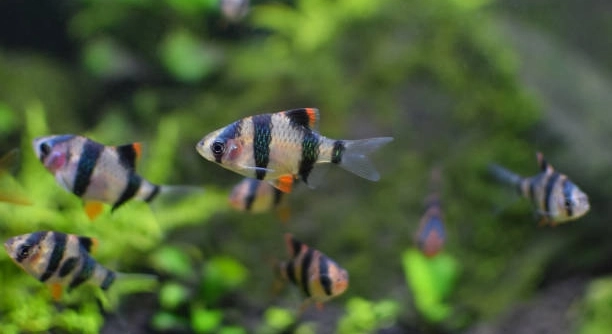
Do you ever find yourself setting up the perfect aquarium but feeling unsure about how to breed your tiger barbs successfully at home? It can seem a little tricky at first, especially for beginners.
Breeding tiger barbs at home requires a clean, separate breeding tank, slightly warmer water, and a high-protein diet to encourage spawning. Once eggs are laid, adults must be removed to prevent them from eating the eggs.
Breeding tiger barbs doesn’t have to be complicated—knowing the right steps can help you feel more confident and prepared to take care of your fish during this process.
Choose Healthy Breeding Stock
Start by selecting healthy, active tiger barbs from your tank. Look for fish with bright colors, clear eyes, and smooth scales. Avoid any that seem sluggish or have torn fins. A good breeding pair usually includes one plump female and a slightly smaller, slimmer male. Males often show brighter coloring, especially when they’re ready to spawn. It helps to separate potential breeders from the main tank for a couple of days and feed them a diet high in protein like bloodworms or brine shrimp. This step prepares them for breeding and increases your chances of getting fertilized eggs. Keep the water clean and stable during this time, and give them space to feel comfortable. When you’re ready to breed, place them in a separate tank with soft, slightly acidic water and a spawning mat or fine-leaved plants at the bottom to catch the eggs.
Feed them well and watch for spawning behavior.
Healthy breeding stock is the foundation of a successful setup, and taking time to choose the right pair can make a big difference.
Set Up a Separate Breeding Tank
A breeding tank helps you manage conditions more easily and protects the eggs from being eaten by adult fish.
Use a small 10- to 15-gallon tank with a sponge filter to create gentle water movement. Set the water temperature to 78–80°F and keep the lighting low. Add marbles, spawning mops, or fine plants to the bottom. These provide a safe place for the eggs to fall and keep them out of reach. Tiger barbs are known to eat their own eggs, so these layers can prevent losses. Keep the pH between 6.5 and 7.0, and test the water often. Before placing your breeding pair inside, ensure the tank is cycled and free of any ammonia. Once the pair is introduced, monitor them closely. Spawning usually occurs in the early morning. After the female releases her eggs and the male fertilizes them, remove both fish right away to avoid egg loss. Replace about 10% of the water daily to maintain cleanliness without disturbing the eggs.
Condition the Pair for Spawning
Feed your tiger barbs high-protein foods like live or frozen brine shrimp, bloodworms, and daphnia twice a day. This helps females produce more eggs and gets males ready to spawn. Keep their water clean and stress-free to maintain good health and behavior.
After a few days of high-quality feeding, you may notice the female becoming rounder and the male displaying brighter colors. This is a good sign they’re ready to breed. Move them to the breeding tank in the evening, so they can settle overnight. Spawning usually takes place the next morning. The male will chase the female around and nudge her to release eggs. Once eggs are laid, remove the adults quickly to prevent them from eating the eggs. Keep the tank covered to reduce stress and help the eggs stay safe. Maintain stable water temperature and gentle filtration to support a clean, oxygen-rich environment for the developing eggs.
Eggs will hatch in about two days, depending on the temperature. During this time, avoid sudden water changes or loud noise near the tank. Keep the light dim and avoid feeding the tank until you see tiny fry swimming. This will help prevent bacteria from growing and harming the eggs.
Care for the Eggs and Fry
Tiger barb eggs are small and sticky, often attaching to plants or falling between tank decorations. After hatching, the fry will remain motionless for about two days while they absorb their yolk sacs. Avoid feeding during this early stage.
Once the fry begin swimming freely, start feeding them infusoria or liquid fry food several times a day. After a few days, you can move to slightly larger food like baby brine shrimp or powdered fry food. Clean the tank gently, removing waste with an eyedropper or using a sponge filter. Avoid using strong filters, as the current can harm the delicate fry. Perform small water changes every day to keep the water safe and stable. Watch their growth and separate the larger fry if needed to prevent bullying. As they grow, you’ll see their stripes appear, and by the fourth week, they’ll begin to look more like adult tiger barbs.
Monitor Water Quality Closely
Check ammonia, nitrite, and nitrate levels daily using a reliable test kit. Even small spikes can harm fry. Keep the water temperature stable, between 78–80°F, and maintain a pH level around 6.5–7.0. Consistency is key during this early stage of growth.
Change about 10–15% of the water every day using dechlorinated water. Remove any uneaten food or waste with a small siphon or eyedropper to avoid build-up. Make sure the sponge filter stays clean but gentle enough not to disturb the fry.
Separate Growing Fry by Size
As the fry grow, some will outpace others. Larger fry can become aggressive and outcompete the smaller ones for food. To avoid this, separate the bigger ones into a different tank or container. This gives all of them a fair chance to grow and stay healthy.
Keep the Environment Calm
Avoid tapping the glass or making sudden movements near the tank. Loud noise, bright lights, or quick shadows can stress the fry and affect their development. Keep the tank in a quiet spot.
FAQ
How can I tell male and female tiger barbs apart before breeding?
Males are usually slimmer with more vibrant red and orange coloring, especially near the fins and nose. Females tend to be rounder in the belly area, especially when carrying eggs, and their colors are slightly duller. Looking at them from above often helps show the size difference more clearly.
Do tiger barbs need a specific water temperature to breed?
Yes, the ideal temperature for breeding tiger barbs is between 78°F and 80°F (25–27°C). This slightly warmer range encourages spawning behavior and helps eggs develop properly. Avoid letting the water temperature drop or fluctuate too much, as this can delay or stop the breeding process altogether.
Can I breed tiger barbs in my main tank?
It’s not recommended. Tiger barbs often eat their own eggs, and the other fish in your community tank might do the same. A separate breeding tank gives you better control over the environment and keeps the eggs and fry safe. It also makes feeding and cleaning easier.
How long does it take for tiger barb eggs to hatch?
At the right temperature, tiger barb eggs usually hatch within 36 to 48 hours. After hatching, the fry won’t swim right away. They stay near the bottom or attached to surfaces while absorbing their yolk sacs, which takes another two days. Then they begin to swim freely.
What should I feed newly hatched fry?
Start with liquid fry food or infusoria. These are small enough for the fry to eat during their earliest swimming stage. After a few days, you can introduce baby brine shrimp or finely crushed flake food. Feed small amounts several times a day to keep them growing steadily.
How many fry should I expect from one breeding?
Tiger barbs can lay up to 300 eggs in one spawning session, but not all will hatch or survive. Some eggs may be infertile or get eaten before you remove the adults. With proper care, you can expect around 100–150 fry to survive and grow.
When should I move the fry to a larger tank?
Once the fry are about half an inch long and eating solid food well, it’s a good time to move them to a grow-out tank. This usually happens around 4 to 6 weeks after hatching. A larger tank helps reduce waste buildup and gives them space to swim freely.
Can I breed tiger barbs more than once?
Yes, tiger barbs can breed multiple times, but it’s good to rest the pair between breeding sessions. Give them time to recover by feeding them well and keeping them in a calm, clean tank. Frequent breeding without rest can weaken them and affect their health.
Why aren’t my tiger barbs breeding?
They may not be conditioned well enough. Make sure you’re feeding high-protein foods and maintaining stable water parameters. Also, check the temperature—it may be too cold. If conditions are right and they still aren’t spawning, try pairing a different male and female.
Do I need a filter in the breeding tank?
Yes, but use a sponge filter. It provides gentle water flow, adds oxygen, and won’t suck in the eggs or fry. Avoid strong filters, which can disturb the eggs or stress the fish. A sponge filter also makes cleaning the tank easier during the early stages.
Final Thoughts
Breeding tiger barbs at home takes time, patience, and attention to detail. It starts with choosing healthy fish and setting up the right environment. A separate breeding tank, warm temperature, and soft water make a big difference. Feeding the pair a high-protein diet and giving them a calm space helps increase your chances of success. Once the eggs are laid, removing the adults quickly is one of the most important steps. This helps protect the eggs and gives the fry a better chance to grow safely.
Caring for the eggs and fry is a steady process. At first, they are fragile and need clean water, soft lighting, and a peaceful space. The smallest changes in temperature or water quality can affect their growth. It’s also important to feed the fry the right foods at the right time. Liquid fry food, baby brine shrimp, and crushed flakes help them get the nutrition they need as they grow. Separating the fry by size when needed prevents bullying and makes sure the smaller ones aren’t pushed out during feeding.
This process may seem like a lot at first, but it gets easier with practice. Watching the fry grow and develop their stripes is a rewarding part of the experience. Breeding fish at home also teaches you more about their behavior and needs. It’s a simple but valuable way to connect more deeply with your aquarium. With careful steps, you can raise healthy young tiger barbs and even try breeding again later on. Keeping things clean, staying patient, and making small adjustments as needed will help you succeed in the long run.

Hello,
If you enjoy the content that we create, please consider saying a "Thank You!" by leaving a tip.
Every little bit helps us continue crafting quality advice that supports the health, happiness, and well-being of pets around the world, for pets of all shapes, sizes, and species.
We really appreciate the kindness and support that you show us!