
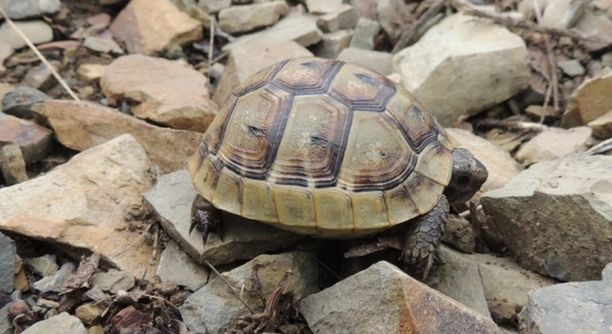
Breeding Greek tortoises successfully requires understanding their natural behavior, habitat, and dietary needs. With the right conditions, you can provide a healthy environment for your tortoises to thrive. These tips will help you along the way.
To breed Greek tortoises successfully, create an appropriate habitat with ample space, proper heating, humidity levels, and access to food. Ensure a balanced diet, proper hydration, and sufficient light for healthy growth and reproductive success.
By following these tips, you can improve the chances of successful breeding and ensure your tortoises’ well-being.
Creating the Right Habitat
Greek tortoises need a spacious and secure environment to thrive. A large outdoor enclosure is ideal, as they can roam and forage freely. Ensure it is escape-proof by reinforcing fences, as tortoises are known to burrow. The enclosure should be well-sheltered from extreme weather and predators.
Provide a mix of natural substrates like soil, sand, and grass. This helps mimic their natural habitat, making them feel more at ease. A shallow water source is essential for hydration and occasional soaking. Ensure that the habitat includes rocks, hides, and plants, as these give tortoises a sense of security.
An outdoor setup allows Greek tortoises to benefit from natural sunlight and fresh air, which is crucial for their health. However, indoor enclosures may be necessary during colder months. In this case, ensure the use of UVB lights and heat lamps to mimic natural conditions.
Feeding Your Tortoise
Proper nutrition is crucial for breeding Greek tortoises.
Greek tortoises are herbivores, so their diet should primarily consist of high-fiber plants, such as grasses, weeds, and leafy greens. Avoid feeding them too many fruits or vegetables high in sugar.
Tortoises also benefit from occasional calcium supplements to support strong shells and bones. Providing fresh, organic greens like dandelion leaves, clover, and kale will keep them healthy. Additionally, fresh water should always be available for drinking. Proper feeding habits will encourage healthy growth and reproduction.
Proper Temperature and Lighting
Greek tortoises require a consistent temperature range for proper digestion and health.
Daytime temperatures should range from 80°F to 90°F, with a basking spot reaching up to 95°F. At night, the temperature should drop to around 70°F to 75°F. A reliable heat source, like a ceramic heat emitter, is essential. Ensure your enclosure has both warm and cool areas to allow the tortoises to regulate their body temperature naturally.
UVB lighting is necessary for tortoises to process calcium properly, preventing shell deformities and other health issues. A good UVB light should cover the entire enclosure and be replaced every six months, as they lose effectiveness over time. Without proper UVB exposure, tortoises may suffer from metabolic bone disease.
Ensuring Adequate Humidity
Maintaining the right humidity is key to keeping your tortoises healthy.
While Greek tortoises prefer dry conditions, some moisture is important, especially in the warmer months or breeding season. Ensure the humidity level stays between 40% and 60%. A simple way to monitor this is by using a hygrometer in the enclosure. Too much humidity can lead to respiratory issues or shell problems. Conversely, too little can cause dehydration and shedding issues.
Misting the enclosure lightly once or twice a day can help maintain proper humidity. However, avoid soaking the substrate or leaving standing water, as this can create an environment for mold. Always adjust humidity levels depending on the season, as outdoor conditions may affect the balance.
Breeding Season Timing
The breeding season for Greek tortoises typically occurs in spring and early summer.
This is when they become most active, searching for mates. It’s essential to recognize the signs of breeding readiness in both males and females. The females may become more aggressive or retreat to their hide spots, signaling their readiness to lay eggs.
Males often engage in behaviors like head bobbing or chasing to establish dominance and attract mates. Keep a close eye on these behaviors, as they indicate the best time to introduce potential mates. If breeding doesn’t occur naturally, controlled pairings may help.
Nesting and Egg-Laying
Female Greek tortoises need a specific area to lay their eggs.
Create a nesting area in the enclosure with a mix of loose soil and sand, around 12 inches deep. It should be warm and dry, allowing the female to dig and bury her eggs. The temperature of the nesting site should range from 80°F to 85°F, as this supports healthy egg development.
Monitor the female’s behavior closely; she may begin digging for several days before laying her eggs. After egg-laying, the female will cover the eggs and leave. Be sure to mark the spot, as finding the eggs early ensures they remain undisturbed during incubation.
Handling Hatchlings
Once the eggs hatch, handle the hatchlings gently.
Newborn tortoises need proper care to ensure healthy growth. Keep them in a warm, moist environment, with plenty of space to explore. Provide them with small portions of food daily, focusing on the same high-fiber diet used for adults. Proper hydration is crucial during this stage.
FAQ
How long do Greek tortoises live?
Greek tortoises can live for 50 years or more in captivity, provided they are given proper care. In the wild, their lifespan is generally shorter due to predators and environmental challenges. However, a well-maintained habitat with a proper diet, lighting, and temperature control can help your tortoises reach their full potential lifespan.
What do Greek tortoises eat?
Greek tortoises are herbivores. Their diet should consist mainly of grasses, weeds, and leafy vegetables like dandelion greens, clover, and kale. Avoid feeding them fruit too often as it contains high sugar content that can cause health issues. You can occasionally provide calcium supplements to support healthy shell growth.
Do Greek tortoises need a companion?
While Greek tortoises are solitary animals in the wild, they do benefit from the presence of another tortoise, especially during the breeding season. However, if keeping more than one, make sure they have enough space to avoid territorial disputes. Introducing males and females can lead to successful breeding, but avoid keeping two males together as they may fight.
Can Greek tortoises live indoors?
Yes, Greek tortoises can live indoors, but they require proper care to thrive. Ensure that their indoor enclosure has enough space for them to roam. UVB lighting, heat lamps, and proper humidity are essential to replicate the conditions of their natural environment. An indoor setup also allows you to control temperature and humidity more easily.
How often should I feed my Greek tortoise?
Adult Greek tortoises should be fed every other day, while hatchlings and juveniles need daily feedings to support their growth. You should provide a variety of leafy greens, weeds, and grasses. Ensure they have access to fresh water at all times. Overfeeding can lead to obesity and health problems, so keep portions appropriate for their size.
Can Greek tortoises hibernate?
Yes, Greek tortoises undergo a period of dormancy, or hibernation, during the colder months. This process is natural and beneficial for their health. However, before allowing them to hibernate, ensure they are healthy and well-fed. The temperature during hibernation should range from 40°F to 50°F. Always monitor their weight and health before and during hibernation.
How do I breed Greek tortoises?
Breeding Greek tortoises requires creating an environment that mimics their natural habitat during the breeding season, which typically occurs in spring. Males will show courtship behaviors, such as head-bobbing and chasing. Ensure that the female has a suitable nesting site with the right temperature and substrate for egg-laying. After mating, keep the area undisturbed for the female to lay and cover her eggs.
How can I tell if my Greek tortoise is sick?
Signs of illness in Greek tortoises include lack of appetite, lethargy, difficulty breathing, swollen eyes, and abnormal shell growth. If you notice these symptoms, consult a reptile vet immediately. It’s important to provide proper temperature, diet, and hydration to prevent many common health issues. Regularly inspect their shell for signs of rot or injury.
How can I keep my Greek tortoise healthy?
To maintain your tortoise’s health, provide a well-balanced diet, proper lighting, and consistent temperature. Ensure their habitat is clean and safe, with enough space for exercise. Regularly check for any signs of illness and consult a vet for check-ups. Keeping them in a stress-free environment will also help them thrive.
Can Greek tortoises swim?
Greek tortoises are not strong swimmers. While they may occasionally wade into shallow water, they should not be left in deep water as they may drown. Provide them with a shallow water dish where they can drink and soak, but avoid placing them in deep water without supervision.
How do I clean my Greek tortoise’s enclosure?
Cleaning the enclosure is important to prevent disease. Remove uneaten food, waste, and soiled bedding daily. Deep clean the enclosure weekly by scrubbing surfaces with a mild disinfectant that is safe for reptiles. Always ensure that the enclosure dries completely before reintroducing your tortoise. Keep water sources clean to prevent bacteria buildup.
What temperature should I keep my Greek tortoise’s enclosure?
Greek tortoises need a warm environment with a basking spot of 95°F and a cooler area around 75°F. Nighttime temperatures should range from 70°F to 75°F. Use a heat lamp or ceramic emitter to maintain warmth, and ensure that your tortoise can move between different temperature zones for thermoregulation.
Do Greek tortoises need a UVB light?
Yes, UVB light is essential for Greek tortoises as it helps them process calcium, preventing metabolic bone disease. Ensure your UVB light is in good condition and placed correctly within their enclosure. The light should be replaced every six months as it loses effectiveness over time.
How can I tell if my Greek tortoise is male or female?
Male Greek tortoises are typically smaller than females and have longer, more curved tails. The tail of a male will be thicker and extend farther past the rear legs, whereas the female’s tail is shorter and thinner. Males may also exhibit more aggressive courtship behaviors during the breeding season.
How do I handle my Greek tortoise?
Handling your tortoise should be done gently and infrequently. Hold them by their shell, supporting both the front and rear sections to avoid stress or injury. Avoid picking them up by the tail, as it can cause harm. Let your tortoise explore on its own in a safe, controlled space.
Final Thoughts
Breeding Greek tortoises can be a rewarding experience, but it requires commitment and careful planning. Ensuring the right environment is crucial, as temperature, lighting, and space all play a role in their well-being. From providing the right nesting areas to understanding the natural breeding behaviors, attention to detail will increase the chances of successful breeding. Regular observation will help you understand the needs of both males and females, especially when it comes to their mating habits and egg-laying process.
Caring for hatchlings is just as important as the breeding process itself. Newly hatched tortoises require a specific environment to grow healthy and strong. Providing them with appropriate food, hydration, and a safe, spacious area will help them thrive. It’s important to stay on top of their care and monitor their health regularly. Overfeeding or underfeeding can lead to serious health problems, so offering the correct portions and ensuring a proper balance in their diet is essential. Keep the habitat clean and ensure that any potential stressors are minimized to help them grow at a steady rate.
Greek tortoises are fascinating creatures, and while they require a lot of care, they can thrive with the right conditions. Whether you are new to breeding or have experience with reptiles, patience and consistency are key. By understanding their natural behaviors, providing the right diet, and maintaining a proper habitat, you will set your tortoises up for a successful and healthy life. The effort you put into creating the right environment will ultimately lead to healthier tortoises and a fulfilling breeding experience.

Hello,
If you enjoy the content that we create, please consider saying a "Thank You!" by leaving a tip.
Every little bit helps us continue crafting quality advice that supports the health, happiness, and well-being of pets around the world, for pets of all shapes, sizes, and species.
We really appreciate the kindness and support that you show us!