
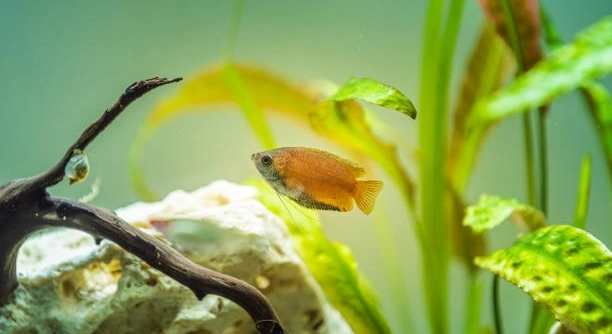
Breeding giant gouramis can be a rewarding experience for aquarists who enjoy raising healthy fish. Understanding their behavior and habitat needs is essential for ensuring a successful and productive breeding process. Proper care helps them thrive.
Successful breeding of giant gouramis requires attention to water quality, diet, tank setup, and spawning conditions. Maintaining optimal temperature, oxygen levels, and providing suitable nesting areas encourages natural reproductive behaviors and increases fry survival rates. Careful observation is crucial throughout.
Implementing the right techniques will improve breeding outcomes and help ensure that both adult fish and their offspring remain healthy and well-cared-for in the long term.
Preparing the Tank for Breeding
Setting up the tank correctly is the first step to successful giant gourami breeding. Choose a tank of at least 100 gallons to provide enough space for the adult fish. Ensure the water is clean and free of harmful chemicals, with a temperature between 28°C and 30°C. Adding floating plants or broad-leaved vegetation will give the gouramis a place to build their bubble nests. Maintain moderate water flow and proper filtration to keep the environment stable. Regular water testing for pH, ammonia, nitrites, and nitrates helps prevent stress, which can inhibit breeding. Provide hiding spots using driftwood or large rocks so the fish feel secure. Lightly aerated water supports oxygenation while preventing strong currents that may damage nests. Consistency is key—sudden changes in water conditions can disrupt spawning behavior. Observe the fish daily to ensure they are active and healthy.
Maintaining a clean and stable environment directly influences the likelihood of successful spawning.
A well-prepared tank mimics the natural habitat of giant gouramis, encouraging natural behaviors. Providing sufficient space reduces aggression between male and female gouramis, while plants and floating vegetation offer secure nesting sites. Stable temperature, pH, and oxygen levels are essential for reproduction. By carefully arranging the tank and keeping water parameters consistent, breeders can increase the chances of healthy eggs and fry survival. Observing the fish allows early detection of stress or illness, preventing potential problems before they affect breeding outcomes.
Selecting Healthy Breeding Pairs
Choose adult giant gouramis that are at least three years old and exhibit vibrant coloration.
Pairs should be free of visible disease, deformities, or lethargy, as unhealthy fish rarely spawn successfully.
It is important to select compatible fish, as aggression between males can lead to injuries. Observe interactions to ensure the pair is calm together. Separate incompatible fish to avoid stress or harm. Selecting fish that have already shown mating behavior in the past increases success rates. Proper nutrition and conditioning before pairing also improve spawning potential. Providing a balanced diet rich in protein and vitamins helps strengthen reproductive health and encourages nest building. Healthy fish with strong immune systems are more likely to produce viable eggs. The male should be dominant but not overly aggressive, while the female should show signs of readiness, such as rounded belly and active swimming. Conditioning both fish for several weeks before breeding ensures they are in optimal health, which contributes to higher fertilization rates and fry survival.
Feeding and Conditioning Breeding Fish
Provide a high-protein diet to prepare giant gouramis for breeding. Include live foods like bloodworms, brine shrimp, and high-quality pellets to strengthen their reproductive systems.
Feeding consistently supports healthy egg and sperm development. Gradually increase portion sizes over two to three weeks to condition the fish. Fresh vegetables like spinach or peas can supplement their diet and improve overall vitality. Proper nutrition reduces stress and promotes active spawning behavior. Observe how each fish responds to food to ensure both male and female are gaining strength. Avoid overfeeding, which can foul the water and create unhealthy conditions that may interfere with breeding. Healthy fish are more likely to construct nests and care for eggs effectively.
Conditioning also includes monitoring water parameters closely during feeding periods. Stable temperature, clean water, and low stress levels work together with a nutritious diet to enhance breeding success. A well-fed and well-conditioned pair will show natural courtship behaviors, including nest building and bubble formation. The female’s readiness is indicated by a fuller belly, while the male becomes more territorial and attentive to the nesting area. Consistent care during this period ensures the fish are physically and mentally prepared for reproduction. Regular observation allows early detection of any signs of illness or nutrient deficiency. By combining proper feeding, conditioning, and careful monitoring, breeders can significantly increase the chances of a successful spawning cycle and higher fry survival rates.
Monitoring Spawning Behavior
Watch for nest-building activity in males as a sign of readiness. Bubble nests indicate the male is preparing for eggs.
Once the female lays eggs, the male guards them closely. Spawning typically occurs in the early morning.
Observing interactions helps prevent conflicts and stress. Remove aggressive or overly dominant fish to protect eggs. Note the female’s behavior; she may stay near the nest for a short time before retreating. Ensure water flow is gentle, as strong currents can damage nests or wash away eggs. Record the number of eggs and monitor for fungus or debris. Proper supervision during this phase maximizes egg survival and fry hatching rates.
Careful attention to environmental factors supports natural spawning behaviors. Stable temperature and clean water encourage males to build nests and stimulate females to release eggs. Light levels can influence activity; moderate lighting is ideal. Removing distractions and minimizing sudden disturbances help maintain calm conditions, allowing the pair to complete spawning successfully. Regular inspection ensures the nest remains intact, and the eggs are protected from potential threats, such as water fluctuations or opportunistic tank mates. By combining attentive observation with a controlled environment, breeders can ensure higher fertilization rates, healthier fry, and more predictable breeding outcomes.
Separating the Fry
Once the eggs hatch, transfer the fry to a separate rearing tank to reduce the risk of predation from adult fish. Maintain gentle aeration and stable water conditions to support healthy development.
Provide shallow water and fine filtration to prevent fry from being sucked in. Keep the rearing tank clean and monitor water quality daily to ensure proper growth.
Feeding the Fry
Feed newly hatched fry infusoria or liquid fry food for the first few days. Gradually introduce baby brine shrimp as they grow.
Monitor feeding closely to avoid overfeeding, which can degrade water quality. Feed small amounts multiple times per day to ensure all fry receive adequate nutrition.
Maintaining Water Quality
Clean water is essential for fry survival. Perform regular water changes and monitor pH, ammonia, and nitrite levels carefully.
Healthy water conditions reduce stress and disease, supporting proper growth and development of giant gourami fry.
FAQ
How long does it take for giant gourami eggs to hatch?
Giant gourami eggs usually hatch within 24 to 36 hours, depending on water temperature. Maintaining a stable temperature of 28°C to 30°C ensures proper development. Cooler water can slow hatching, while warmer water may increase stress or cause deformities.
What is the ideal tank size for breeding giant gouramis?
A minimum of 100 gallons is recommended for breeding adults. Larger tanks reduce aggression and provide sufficient space for nest building. Floating plants, driftwood, and broad-leaved vegetation create a more natural environment for spawning and protecting eggs.
How do I know if my gouramis are ready to breed?
Mature males show territorial behavior and begin constructing bubble nests. Females develop rounded bellies, indicating eggs are ready. Observing active swimming, nest attention, and courtship behavior are reliable indicators of readiness.
Should I separate the male and female after spawning?
After spawning, the male guards the eggs. Once the fry hatch, separating them prevents accidental predation. Transfer the fry carefully to a rearing tank with gentle aeration and clean, shallow water.
What do giant gourami fry eat?
Newly hatched fry need infusoria or liquid fry food for the first few days. As they grow, gradually introduce baby brine shrimp. Feed small amounts several times per day to ensure all fry get proper nutrition without polluting the water.
How often should I change water in the fry tank?
Frequent water changes are crucial. Replace 10–20% of the water daily, monitoring pH, ammonia, and nitrite levels. Clean water reduces stress, prevents disease, and supports strong, healthy growth.
Can adult gouramis eat their own eggs or fry?
Yes, adult gouramis may eat eggs or fry if stressed or if they feel their territory is threatened. Providing separate rearing tanks and minimizing disturbances reduces this risk and ensures higher survival rates.
What temperature is best for breeding giant gouramis?
Keep the water between 28°C and 30°C. Stable temperatures support egg development and fry growth. Sudden fluctuations can disrupt spawning or cause mortality, so maintaining a consistent environment is essential.
How can I encourage natural spawning behavior?
Provide floating plants and calm water conditions. Feed a high-protein diet to condition both male and female. Observing interactions and minimizing stress encourages nest building, courtship, and successful egg fertilization.
How long does it take for fry to grow into juveniles?
Fry typically grow into juveniles within 6 to 8 weeks. Growth depends on consistent feeding, water quality, and proper temperature. Regular observation ensures they are developing normally and allows early intervention if problems arise.
Can I breed giant gouramis in a community tank?
It is not recommended. Adult gouramis can be aggressive during breeding, and other fish may eat eggs or fry. Dedicated breeding tanks with appropriate hiding places and vegetation provide safer conditions for successful spawning.
What signs indicate poor health in breeding gouramis?
Lethargy, loss of appetite, faded colors, or unusual swimming behavior indicate stress or illness. Address water quality issues, review diet, and remove sick individuals to prevent spreading disease to eggs or fry.
How do I prevent fungus on eggs?
Maintain clean water and remove debris from the nest. Using antifungal treatments is possible but only if water quality and temperature are optimal. Strong aeration and gentle flow reduce fungal growth naturally.
Is it necessary to feed both male and female before breeding?
Yes, conditioning both fish improves reproductive health. High-protein foods and occasional live feeds strengthen eggs and sperm, increasing fertilization rates and the likelihood of healthy fry.
What are common mistakes beginners make in breeding giant gouramis?
Overcrowding, poor water quality, inconsistent temperature, and lack of proper diet are the most frequent issues. Failing to monitor the nest and fry can lead to high mortality. Careful observation and controlled conditions prevent these problems.
How can I improve fry survival rates?
Separate fry immediately after hatching, provide clean shallow water, and feed appropriate food. Monitor water quality daily, avoid overfeeding, and remove any sick or weak fry to ensure the healthiest individuals thrive.
Can breeding affect the health of adult gouramis?
Breeding can be stressful. Proper conditioning, consistent care, and minimizing disturbances help maintain adult health. Monitoring behavior and diet before and after spawning reduces the risk of exhaustion or illness.
How often can giant gouramis breed?
Healthy adults may breed once or twice per year. Frequent attempts without proper conditioning can weaken the fish and reduce egg quality. Allow sufficient recovery time between breeding cycles to maintain health and fertility.
What equipment is essential for successful breeding?
A large tank, reliable heater, gentle filtration, floating plants, and water testing tools are essential. Fine-mesh nets, shallow rearing tanks, and high-quality fry food help manage eggs and young fish effectively.
Are there any signs that breeding will fail?
Aggressive behavior, poor nest building, unhealthy fish, or unstable water conditions often lead to failure. Early detection allows corrective measures, such as separating aggressive individuals or adjusting water parameters.
How long should I observe the breeding process?
Daily monitoring is necessary from nest building through fry growth. Observing behavior, water quality, and feeding ensures timely intervention if problems arise, maximizing success rates for eggs and fry.
Breeding giant gouramis can be a rewarding experience, but it requires careful planning, patience, and attention to detail. Understanding the needs of these fish is essential, from preparing the tank and selecting healthy breeding pairs to maintaining water quality and monitoring behavior. Each step in the process contributes to the overall success of spawning and the survival of the fry. Ensuring that the adults are healthy and well-conditioned before attempting to breed them is crucial, as it affects both the quality of the eggs and the ability of the fish to care for them. Paying attention to their diet, environment, and stress levels creates the right conditions for natural reproductive behavior, including nest building, courtship, and egg fertilization.
Proper tank setup and maintenance play a significant role in supporting the breeding process. A spacious tank with floating plants, broad-leaved vegetation, and gentle filtration helps mimic the natural environment of giant gouramis, encouraging them to spawn naturally. Temperature control, oxygenation, and clean water are all important factors that directly impact the success of breeding. During spawning, careful observation allows early detection of issues such as aggression, poor nest construction, or unhealthy eggs. Separating fry after hatching ensures higher survival rates, while feeding them the correct types of food and maintaining ideal water conditions promotes steady growth. Regular monitoring and consistent care reduce stress and prevent disease, giving both the adults and the fry the best chance of thriving.
While the process of breeding giant gouramis can seem complex at first, it becomes more manageable with experience and careful attention. By following the proper steps, understanding their behavior, and maintaining a controlled environment, breeders can achieve successful results and raise healthy fry. Observing the fish closely during each stage of breeding provides valuable insight into their needs and helps improve techniques over time. With patience and diligence, breeding giant gouramis can be both successful and satisfying, offering the opportunity to watch these unique fish grow from eggs to thriving juveniles. Consistency, care, and attention to detail are key elements that ensure a smooth and rewarding breeding experience.

Hello,
If you enjoy the content that we create, please consider saying a "Thank You!" by leaving a tip.
Every little bit helps us continue crafting quality advice that supports the health, happiness, and well-being of pets around the world, for pets of all shapes, sizes, and species.
We really appreciate the kindness and support that you show us!