
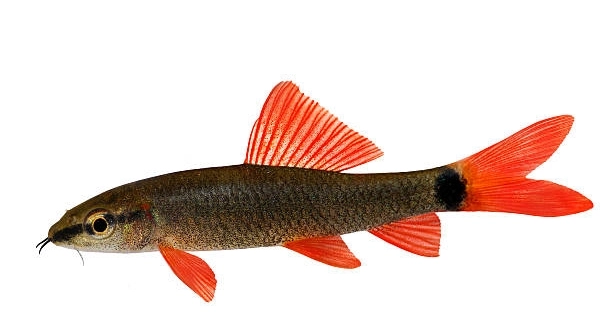
Feeding your rainbow shark properly is essential for its health and vibrant colors. Many owners want to ensure their fish receives the right nutrients without overfeeding or causing water issues. A balanced feeding routine supports their natural behavior and growth.
Rainbow sharks thrive on a varied diet including high-quality pellets, live or frozen foods, and occasional vegetables. Feeding small amounts two to three times daily prevents overfeeding and maintains water quality, crucial for their overall well-being in a home aquarium.
These tips will help you create a feeding plan that keeps your rainbow shark healthy and active. Understanding proper nutrition is key to enjoying a lively and colorful fish.
Understanding Your Rainbow Shark’s Dietary Needs
Rainbow sharks require a diet that mimics their natural habitat to stay healthy. They are omnivores, meaning they eat both plant and animal matter. Providing a balanced diet is crucial for their vibrant colors and energy levels. High-quality sinking pellets designed for tropical fish are a good staple. Supplement these pellets with live or frozen foods like bloodworms or brine shrimp to meet their protein needs. Vegetables such as blanched zucchini or spinach add fiber and nutrients. Avoid overfeeding, as excess food can pollute the tank and harm your fish. Feeding small portions multiple times a day is best, allowing the fish to eat without leaving leftovers. Monitoring their eating habits also helps spot any health problems early. Consistency and variety in feeding will contribute significantly to your rainbow shark’s wellbeing.
Feeding too much or too little can affect your fish’s health. Keeping portions controlled supports a clean tank and prevents obesity.
Setting a feeding schedule with portion control makes care easier and your rainbow shark healthier. Observing changes in appetite can guide necessary adjustments to their diet.
Avoiding Common Feeding Mistakes
One common mistake is offering only one type of food. A limited diet can lead to nutritional deficiencies and dull colors. Rainbow sharks also need some vegetable matter to digest properly. Another issue is feeding too much at once, which causes leftover food to decay and pollute the water. Water quality directly impacts your fish’s health, so it’s important to clean the tank regularly and remove uneaten food promptly. Feeding at consistent times helps maintain their natural rhythm and reduces stress. Sometimes, rainbow sharks may compete for food with tank mates, so observe feeding behavior closely. Separating them during feeding or using feeding rings can help ensure they get enough to eat. Proper feeding is about balance—meeting nutritional needs while maintaining a healthy tank environment.
Feeding mistakes often come from well-meaning efforts but can harm the fish. Correcting these habits improves tank health.
Adjusting feeding techniques and providing variety encourages better eating habits and supports your rainbow shark’s growth and vitality.
Feeding Frequency and Portion Control
Feeding your rainbow shark too often can lead to overfeeding and poor water quality. Limit feedings to two or three small meals daily to maintain their health and tank balance.
Portion control is essential for preventing leftover food from decomposing in the tank. Small, measured amounts ensure your rainbow shark eats everything within a few minutes. This reduces waste and keeps water conditions stable. Observing your fish during feeding helps adjust portions as needed, avoiding underfeeding or overfeeding. It’s better to feed less and more often than too much at once. Consistent portion sizes contribute to the fish’s digestion and energy levels, supporting their activity and color.
Feeding at regular intervals helps establish a routine for your fish. Stick to similar portion sizes and feeding times to create a stable environment. This predictability reduces stress and encourages healthy eating habits. Avoid sudden changes in feeding frequency or quantity, as this can upset their digestion and behavior. If your fish seems less interested in food, adjust portion sizes or feeding times gradually. Proper frequency and portion control are key steps toward long-term care and a thriving rainbow shark.
Choosing the Right Foods
Rainbow sharks need a mix of protein and plant-based foods. High-quality sinking pellets form the basis of their diet, providing essential nutrients and vitamins. Including live or frozen foods like bloodworms, daphnia, or brine shrimp offers extra protein and variety. Occasionally, add vegetables such as zucchini or spinach, finely chopped and blanched, to supply fiber and aid digestion.
It is important to avoid feeding your fish only flakes or dry food, as this can cause nutritional imbalances. Mixing food types ensures a complete diet, maintaining vibrant colors and good health. When introducing new foods, start with small amounts to prevent digestive upset. Observing how your rainbow shark reacts to different foods will help you identify their preferences and dietary needs. Variety also prevents boredom and encourages active feeding behavior, making mealtime more natural and satisfying for your fish.
Watching for Feeding Behavior
Rainbow sharks are active feeders who often show clear signs when hungry. Watching their behavior during feeding helps you understand if they are getting enough food.
If your fish ignores food or appears lethargic, it may be a sign of illness or stress. Monitoring feeding habits is important for early problem detection and maintaining overall health.
Adjusting Diet for Growth and Health
As your rainbow shark grows, its dietary needs will change. Younger fish require more protein to support development, while adults benefit from a balanced diet with added vegetables. Adjust feeding portions accordingly to avoid underfeeding or overfeeding. Providing a mix of foods supports immune function and vibrant coloration. Regularly reassessing your fish’s diet helps maintain optimal health throughout its life stages. Proper adjustments prevent nutritional deficiencies and ensure your rainbow shark remains active and healthy.
Avoiding Overfeeding
Overfeeding can quickly lead to poor water quality and health issues. Stick to measured portions to prevent excess waste and tank pollution.
FAQ
How often should I feed my rainbow shark?
Feeding your rainbow shark two to three times a day with small portions is best. This schedule keeps your fish healthy and helps maintain good water quality. Overfeeding can cause leftover food to decay, so sticking to a routine with controlled portions is important.
What types of food are best for rainbow sharks?
A varied diet is key. High-quality sinking pellets designed for tropical fish provide essential nutrients. Supplement these with live or frozen foods like bloodworms or brine shrimp for protein. Occasionally offering blanched vegetables such as zucchini or spinach adds fiber and vitamins.
Can rainbow sharks eat flakes?
While flakes are common for many fish, rainbow sharks prefer sinking pellets because they feed near the bottom. Flakes can float and might not be eaten properly. It’s better to focus on sinking pellets and other foods that reach the bottom quickly.
How do I know if I’m overfeeding my rainbow shark?
If you notice leftover food sinking to the bottom after feeding or cloudy water, you might be overfeeding. Overfeeding often leads to poor water quality and health problems. Adjust the amount so your fish finish their food within a few minutes.
Is it okay to feed only pellets?
Pellets can form a good diet base, but variety is necessary. Feeding only pellets may cause nutritional gaps and dull colors. Including live, frozen, or vegetable foods improves overall health and keeps your rainbow shark’s diet balanced.
What if my rainbow shark refuses to eat?
A lack of appetite can indicate stress or illness. Check water parameters and tank conditions. Sometimes, changing the diet or feeding environment helps. If refusal continues, consulting a vet or fish expert is advisable.
Can I feed my rainbow shark vegetables?
Yes, vegetables are important for fiber and digestion. Blanched zucchini, spinach, or peas are good choices. Introduce vegetables gradually to avoid digestive upset and observe how your fish reacts.
Should I feed my rainbow shark more when it is growing?
Growing fish need more protein and energy. Increasing feeding amounts slightly with protein-rich foods helps support development. Once your rainbow shark reaches adulthood, shift back to a balanced diet with controlled portions.
Can feeding habits affect the color of my rainbow shark?
Diet greatly influences color vibrancy. Foods rich in nutrients and variety enhance their natural colors. Lack of proper nutrition can cause dull or faded coloration over time.
Is it necessary to separate rainbow sharks during feeding?
Rainbow sharks can be territorial and sometimes compete for food. Using feeding rings or separating fish temporarily during feeding ensures each fish gets enough to eat and reduces stress. This is especially important in community tanks with multiple species.
How can I prevent leftover food from harming my tank?
Feed small portions that your fish can finish quickly. Remove any uneaten food after 5–10 minutes. Regular tank cleaning and water changes also help keep water quality high and prevent harmful buildup.
What should I do if my rainbow shark becomes aggressive during feeding?
Aggression during feeding can happen when fish compete. Feeding in multiple spots or using feeding rings helps distribute food evenly. In some cases, separating aggressive fish during meals is necessary to prevent injury.
Is fasting beneficial for rainbow sharks?
Occasional fasting, such as one day a week without food, can help clear their digestive system. This practice should be done carefully and not too frequently. Monitor your fish to ensure fasting does not cause stress or health issues.
How do I introduce new foods to my rainbow shark?
Introduce new foods gradually by mixing small amounts with their regular diet. Watch for any signs of digestive upset or refusal. Patience is key, as some fish take time to accept different food types.
Can I feed my rainbow shark human food?
It’s best to avoid feeding human food, which may contain harmful ingredients or lack necessary nutrients. Stick to foods formulated for tropical fish or safe live/frozen options to ensure proper nutrition.
Proper feeding is one of the most important parts of caring for a rainbow shark. Giving your fish a balanced diet helps maintain its health, colors, and energy. Feeding the right amount of food at the right times prevents problems like overfeeding or poor water quality. It is best to feed small portions two to three times a day rather than a large amount all at once. This approach supports good digestion and keeps the tank clean. Watching your fish’s behavior during feeding can also help you adjust the diet if needed. If your rainbow shark is active and eats well, it usually means your feeding routine is working.
Choosing a variety of foods is important to meet your fish’s nutritional needs. High-quality sinking pellets are a good base because rainbow sharks feed near the tank bottom. Adding live or frozen foods like bloodworms or brine shrimp gives extra protein that helps growth and vitality. Including some vegetables, such as blanched zucchini or spinach, provides fiber and essential vitamins. A varied diet also helps keep your rainbow shark’s colors bright and prevents boredom with the same food every day. When introducing new foods, it is good to do so gradually to avoid upsetting your fish’s digestion.
Maintaining a clean tank environment works hand in hand with good feeding habits. Overfeeding or leaving uneaten food can pollute the water, leading to stress and health issues for your fish. It is important to remove leftover food and do regular water changes to keep conditions healthy. Feeding at regular times with controlled portions also creates a stable routine that your rainbow shark can adapt to easily. Adjusting feeding as your fish grows ensures it receives the right nutrients throughout its life stages. Overall, a careful approach to feeding and tank care will help your rainbow shark thrive and bring lasting enjoyment to your aquarium.

Hello,
If you enjoy the content that we create, please consider saying a "Thank You!" by leaving a tip.
Every little bit helps us continue crafting quality advice that supports the health, happiness, and well-being of pets around the world, for pets of all shapes, sizes, and species.
We really appreciate the kindness and support that you show us!