
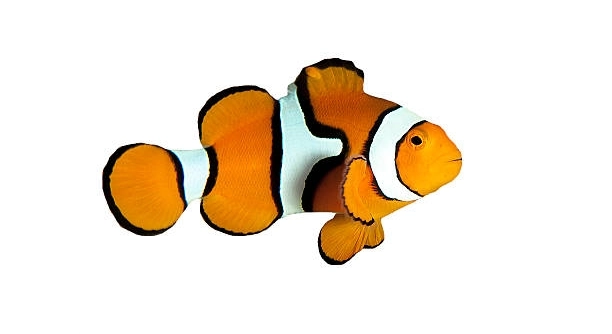
Moving clownfish to a new tank can be a careful process that requires attention and planning. Ensuring a smooth transition helps maintain their health and reduces stress during the change. Proper preparation is key for a successful move.
A stress-free clownfish move involves controlling water parameters, acclimating fish slowly, and minimizing sudden changes. Maintaining stable temperature, salinity, and pH levels throughout the process helps prevent shock and supports their well-being in the new environment.
Following these tips will help your clownfish adjust comfortably to their new home. Proper care during relocation promotes a healthy and peaceful tank environment.
Preparing the New Tank
Setting up the new tank properly is essential before moving your clownfish. Begin by cleaning the tank thoroughly to remove any residues or contaminants. Fill it with saltwater that matches the specific gravity and temperature of the old tank. Use a reliable hydrometer to check salinity levels and a thermometer for temperature. Adding a good filtration system and ensuring proper water circulation will keep the environment healthy. Introducing live rock or substrate can provide beneficial bacteria, which helps stabilize the water quality. Make sure to run the tank for at least 24 hours to let the conditions settle. This preparation reduces stress on the clownfish when they arrive and promotes quicker adjustment. Avoid adding any chemicals or treatments unless necessary, as these can interfere with the fish’s comfort and health.
It’s important that water conditions closely match the original tank. Small differences can cause stress or shock.
Acclimating the water chemistry beforehand makes the transition smoother. Stable temperature and salinity support the clownfish’s immune system and overall well-being.
Gradual Acclimation Process
Slow acclimation is crucial for a stress-free move. Begin by floating the sealed bag with your clownfish in the new tank for 15 to 20 minutes to equalize the temperature. Next, gradually introduce small amounts of tank water into the bag every 10 minutes. This allows the fish to adjust to the new water’s chemistry slowly. Avoid pouring the bag water directly into the tank to reduce the risk of contamination. Once the fish seem calm and show no signs of distress, gently release them into the tank. Patience during this step is vital, as rushing can lead to shock or injury. Observing the clownfish closely during and after release helps identify any problems early. A careful acclimation ensures the fish feel secure and reduces the chances of illness or aggressive behavior. Taking the time to acclimate properly helps your clownfish settle into their new home peacefully and supports long-term health.
Monitoring Behavior Closely
Watching your clownfish after the move is important. Early signs of stress or illness should be addressed quickly. Check for unusual swimming, hiding, or loss of appetite.
Clownfish may act shy or hide initially as they adjust. This behavior is normal but should lessen within a few days. If they stay inactive or show rapid breathing, it may indicate water quality issues or illness. Test water parameters to ensure they remain stable. Keep the tank quiet and avoid sudden movements nearby to reduce stress.
Feeding small amounts of their usual diet can help. Refusing food for more than two days needs attention. Early detection of problems improves chances of recovery and keeps the fish healthy during this vulnerable time.
Avoiding Overcrowding
Too many fish in the tank causes stress and competition for resources. Clownfish need space to establish territory and feel secure. Overcrowding can increase aggression and reduce oxygen levels, harming their health.
Maintain an appropriate number of fish relative to tank size. This supports better water quality and peaceful interactions. Adding too many fish at once overwhelms the environment and your ability to monitor each individual’s well-being. Proper stocking helps prevent stress-related illnesses and ensures each fish gets enough food and space to thrive.
Maintaining Stable Lighting
Clownfish respond well to consistent lighting schedules. Sudden changes can confuse and stress them. Use a timer to keep lights on and off at regular intervals.
Avoid very bright or direct light right after the move. Gradually increase brightness to help the fish adjust comfortably.
Feeding with Care
Offer small, frequent meals of high-quality food. Overfeeding can pollute the water and cause health problems. Remove uneaten food promptly to maintain water cleanliness.
Keeping Noise Levels Low
Loud noises and vibrations can startle clownfish and cause stress. Keep the tank in a quiet area to support their comfort and well-being.
Using a Quarantine Tank
If possible, use a quarantine tank before introducing clownfish to the main tank. This helps detect diseases early and protects other fish from potential infections.
FAQ
How long does it take for clownfish to adjust to a new tank?
Clownfish usually begin adjusting within a few days, but full acclimation can take up to two weeks. During this time, they may hide or swim less. Keeping water conditions stable and minimizing stress helps speed up their comfort in the new environment.
What water parameters are best for clownfish?
Ideal water temperature is between 75°F and 82°F. Salinity should be around 1.020 to 1.026 specific gravity, with a pH level between 8.0 and 8.4. Stable water conditions are critical for their health, so regular testing is recommended.
Can clownfish live with other fish during the move?
It is best to keep clownfish separate from aggressive species during and shortly after the move. Mixing fish too soon can increase stress and risk of injury. Introducing new tank mates gradually is safer once the clownfish have settled.
How often should I feed clownfish after moving?
Feed small amounts twice daily during the first week. This encourages eating without overloading the tank’s filtration. Monitor their appetite and adjust feeding accordingly. Overfeeding can pollute water and harm the fish.
What signs indicate stress in clownfish?
Signs include hiding excessively, loss of appetite, rapid breathing, or erratic swimming. If these symptoms persist, check water quality and consider isolating the fish for closer care. Stress weakens their immune system and increases disease risk.
Is acclimation necessary even if the water looks similar?
Yes, acclimation is always important. Even small differences in temperature, pH, or salinity can shock clownfish. Slow adjustment helps them adapt to subtle changes and prevents stress or illness.
What should I do if my clownfish refuses to eat?
Refusal to eat for more than two days requires attention. Check water quality first. If water conditions are good, try offering different types of food like frozen or live options. Sometimes mild stress after moving affects appetite temporarily.
Can I use water from the old tank in the new one?
Using some water from the old tank can help maintain beneficial bacteria and reduce shock. However, ensure it is free from contaminants or disease. Avoid transferring too much water, as it may carry unwanted elements.
How important is tank cycling before the move?
Cycling the tank before adding fish is critical. It establishes healthy bacteria that break down waste, keeping water safe. A fully cycled tank reduces the risk of ammonia or nitrite spikes, which are harmful to clownfish.
Should I quarantine new clownfish before adding them to the main tank?
Quarantining new fish helps catch diseases early and protects your existing tank population. A quarantine period of two to four weeks is ideal. It also allows the fish to recover from transport stress before joining the community.
Moving clownfish to a new tank takes patience and careful attention. Each step, from preparing the tank to monitoring the fish afterward, plays a role in ensuring their well-being. Keeping water conditions stable and allowing a gradual adjustment period reduces stress. This helps clownfish settle comfortably and stay healthy. It is important to avoid rushing the process or making sudden changes that could harm them.
Acclimating clownfish slowly gives them time to get used to new water chemistry and environment. Observing their behavior after the move helps identify any problems early. Signs like hiding, loss of appetite, or rapid breathing may signal stress or poor water quality. Addressing these quickly supports their recovery and long-term health. Feeding small amounts regularly and keeping the tank clean also contribute to a smooth transition.
Taking the time to set up the new tank properly before moving clownfish makes a big difference. Proper filtration, stable temperature, and matching salinity levels create a safe space for them. Avoiding overcrowding and maintaining consistent lighting and quiet surroundings reduce stress. Following these guidelines creates a peaceful environment that encourages clownfish to thrive. Careful planning and attention during the move ensure your clownfish will enjoy their new home.

Hello,
If you enjoy the content that we create, please consider saying a "Thank You!" by leaving a tip.
Every little bit helps us continue crafting quality advice that supports the health, happiness, and well-being of pets around the world, for pets of all shapes, sizes, and species.
We really appreciate the kindness and support that you show us!