
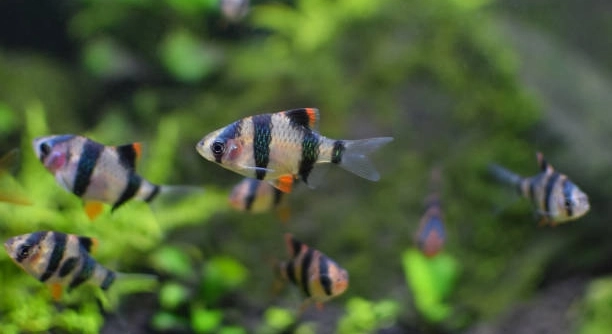
Are your tiger barbs constantly chasing each other or showing signs of stress in your aquarium setup at home?
The most effective way to maintain a peaceful tiger barb community is by managing group size, tank space, and compatibility. Providing enough hiding spots, proper diet, and consistent water conditions also reduces aggression and promotes healthy behavior.
Creating a peaceful tank takes more than just adding fish—it involves understanding their needs, social structure, and how to support a balanced environment.
Choose the Right Group Size
Tiger barbs do best when kept in groups of at least six. In smaller groups, they can become territorial or aggressive, often nipping at the fins of slower or more passive tankmates. A larger group helps disperse aggression and creates a more natural social balance. When housed in a school, their focus shifts inward, reducing stress and promoting calmer behavior. Keeping them in odd-numbered groups, like seven or nine, may also help reduce tension. It’s also helpful to monitor group dynamics during feeding or rest times, when dominance behaviors can be more noticeable. If you see one barb consistently singled out or stressed, consider adjusting the group size. Adding or removing a fish can influence behavior quickly, so do this with care. Make sure your tank can handle the extra bioload before increasing your group. A strong, stable group of tiger barbs sets the tone for a peaceful community tank.
A group that’s too small can lead to tension. A school that’s too large for the tank can create stress from overcrowding.
Watching how they interact as a group will help you notice signs of bullying or imbalance. If one barb is constantly hiding or getting chased, it may be a sign to reevaluate the group size.
Provide Plenty of Space
A crowded tank creates tension and invites stress-related behavior. Each fish needs space to swim freely and establish its own territory.
For a group of six to eight tiger barbs, a 30-gallon tank is the minimum recommended size. This allows for plenty of swimming room while also giving space for decor and hiding areas. Tiger barbs are active swimmers and prefer horizontal space over vertical height, so longer tanks are ideal. Proper filtration helps maintain water quality in busier tanks. Without it, ammonia or nitrite levels can rise, affecting fish behavior and health. Include plants, driftwood, or rock formations to offer breaks in sightlines and reduce territorial conflict. Open space balanced with shelter encourages exploration and allows fish to avoid each other when needed. Regular water changes and monitoring parameters are also key to keeping stress low. A well-spaced, well-maintained tank supports healthier, calmer tiger barbs and helps prevent aggressive outbursts.
Add Hiding Spots and Decor
Adding plants, rocks, and driftwood helps reduce tension in the tank. These features give tiger barbs places to rest or escape when they feel threatened, which lowers stress and limits aggressive encounters.
Live plants like Java fern or Anubias are ideal since they can tolerate the activity level of tiger barbs. They also improve water quality, which benefits all tank inhabitants. Rock structures and driftwood create natural barriers that interrupt line of sight, helping to prevent chasing or dominance behavior. Avoid sharp decorations that could harm active swimmers. Use a mix of tall and short plants to create depth and variety. This layout encourages exploration while still allowing each fish to find a comfortable spot. Spacing out decor in different tank zones ensures that no single area becomes overcrowded. A balanced setup offers both open swimming space and protective shelter, supporting a more peaceful tank environment overall.
Hiding spots aren’t just for the weaker fish—they benefit the entire group. Fish that feel safe are less likely to lash out or act aggressively. When each barb can find a calm area to retreat to, the tank feels more secure. It helps support healthier social interactions and lowers general anxiety within the group.
Keep Them with Compatible Tank Mates
Tiger barbs are fast, active fish that don’t do well with slow or long-finned species. Choosing the right companions helps avoid fin-nipping and keeps the tank peaceful.
Good tank mates include other active, semi-aggressive fish that can keep up with their energy. Consider species like zebra danios, cherry barbs, or certain tetras. Avoid angelfish, bettas, or guppies, as their slower pace and flowing fins often attract unwanted attention. Bottom dwellers like corydoras or loaches can also work well since they occupy different levels of the tank and stay out of the tiger barbs’ way. Always research the adult size and temperament of new fish before adding them. Quarantining new fish is also a smart step to avoid introducing illness. Keeping a balance in behavior and size helps reduce stress and creates a more stable community. Compatibility is just as important as space and numbers in a successful tank.
Feed a Balanced Diet
Feeding tiger barbs a mix of high-quality flakes, pellets, and frozen foods helps keep them healthy and active. A varied diet also reduces aggression caused by hunger or competition during feeding times.
Include protein-rich options like bloodworms or brine shrimp once or twice a week. This supports their natural energy levels and vibrant colors.
Maintain Stable Water Conditions
Tiger barbs need stable water parameters to stay calm and healthy. Keep the temperature between 74°F and 79°F, with a pH around 6.5 to 7.5. Test water regularly for ammonia, nitrites, and nitrates, and perform consistent water changes to prevent harmful buildup. Use a reliable filter that provides good circulation and oxygenation, which helps prevent territorial behavior. Avoid sudden changes in water temperature or chemistry, as this can lead to stress and aggression. Conditioning the water before adding it to the tank also prevents chemical shock. Healthy water quality improves their immune system and supports more peaceful interactions within the group.
Watch for Signs of Stress
Look for signs like faded colors, torn fins, or unusual hiding. These may point to bullying or poor tank conditions that need attention.
FAQ
How many tiger barbs should be kept together?
Tiger barbs should be kept in groups of at least six to reduce aggressive behavior. They are schooling fish and rely on group interaction to feel secure. A small group often leads to one or two fish becoming targets for bullying. Larger groups help spread out any tension, making the tank more peaceful. Odd-numbered groups like seven or nine are often more balanced. Always make sure your tank size can support the number of fish you plan to keep, as overcrowding can lead to stress and poor water quality.
Can tiger barbs live with other fish?
Yes, but they must be housed with the right tank mates. Tiger barbs are fast and active, and they may nip the fins of slower or long-finned species. Avoid pairing them with fish like bettas, angelfish, or guppies. Instead, choose quick, semi-aggressive fish such as zebra danios, rosy barbs, or certain types of tetras. Bottom dwellers like corydoras or yoyo loaches can also be a good match because they stay out of the barbs’ main swimming area. Always monitor new combinations for signs of stress or aggression.
Why are my tiger barbs chasing each other?
Mild chasing is normal and part of their social behavior, especially in active groups. However, constant chasing or fin nipping can signal that the group is too small or the tank is too crowded. It may also mean there are not enough hiding spots or territories in the tank. Adding more decor, plants, or fish to increase the school size may help. Always check water conditions as well—stress from poor quality can cause them to act out. Keeping them well-fed also limits aggressive competition.
Do tiger barbs need hiding spots?
Yes, they benefit from having hiding places throughout the tank. These spots provide rest, reduce tension, and help break lines of sight that can cause chasing. Live plants, driftwood, and rocks are all good choices. While tiger barbs are active swimmers, they still need calm places to retreat. A tank with a mix of open space and decor supports better social behavior and creates a more secure environment.
What temperature is best for tiger barbs?
They thrive in water temperatures between 74°F and 79°F. Try to keep the temperature stable within that range, using a reliable heater and thermometer. Avoid sudden fluctuations, as temperature changes can stress the fish and weaken their immune system. Consistent warmth also supports digestion and energy levels. If your home temperature tends to fluctuate, consider using a heater with a built-in thermostat.
How often should I feed my tiger barbs?
Feed them once or twice daily in small amounts they can finish within two minutes. Overfeeding can lead to water quality issues, so it’s better to offer less and observe. Rotate between flakes, pellets, and frozen options like brine shrimp or bloodworms to give them a balanced diet. A varied diet keeps them active and reduces boredom-related aggression during feeding. Always remove uneaten food to maintain clean water.
Why are my tiger barbs losing color?
Faded color can be a sign of stress, illness, or poor water quality. It may also occur if a fish is being bullied. Check your water parameters first and make sure conditions are stable. Look for torn fins, hiding behavior, or rapid breathing, which can signal other problems. Also check if the group size is too small. Healthy, unstressed barbs show brighter colors and more confident swimming.
Can I keep tiger barbs in a planted tank?
Yes, tiger barbs do well in planted tanks. Hardy plants like Java fern, Anubias, and Amazon swords work best because they can handle the fish’s activity level. Plants improve water quality and offer shelter, helping reduce aggressive behavior. Just avoid delicate or slow-growing species that might be damaged by fast swimming. Use secure substrate to anchor your plants so they don’t get uprooted. Adding plants creates a more natural and calming environment.
Final Thoughts
Keeping a peaceful tiger barb community takes some planning, but it is possible with the right setup. Group size is one of the most important things to get right. A school of six or more helps reduce tension and spreads out natural dominance behaviors. Small groups often lead to fighting or bullying, which can harm weaker fish. A tank that offers enough room for swimming and retreat is also key. Tiger barbs are fast and curious, so giving them space to move freely while also having areas to hide or rest helps lower stress. They tend to feel more comfortable when they are part of a balanced group living in a well-organized tank.
Tank decor matters just as much as space and numbers. Plants, driftwood, and rocks help create boundaries between territories. These features break up the tank visually and reduce chasing behavior by limiting how much the fish see each other at once. Even confident fish need a place to calm down sometimes. Good water quality is also very important. Stable conditions help fish stay healthy and less reactive. Feeding a mix of flakes, pellets, and frozen food keeps them energized and makes feeding times more relaxed. Keeping the tank clean, checking water levels regularly, and making small changes when needed will help you avoid many problems.
Choosing the right tank mates adds to the overall peace. Tiger barbs can be aggressive toward slower fish, so it’s better to keep them with species that can match their energy. Fish that swim in different levels of the tank or that are active but non-aggressive work best. Watching for signs of stress like hiding, faded colors, or torn fins can help you catch problems early. If a fish is always hiding or getting chased, it may be time to adjust the group size, tank layout, or even change a few tank mates. With patience and regular care, your tiger barb community can become a calm and active part of your home. A peaceful tank doesn’t just happen—it’s the result of small choices that make a big difference in how your fish behave and live.

Hello,
If you enjoy the content that we create, please consider saying a "Thank You!" by leaving a tip.
Every little bit helps us continue crafting quality advice that supports the health, happiness, and well-being of pets around the world, for pets of all shapes, sizes, and species.
We really appreciate the kindness and support that you show us!