
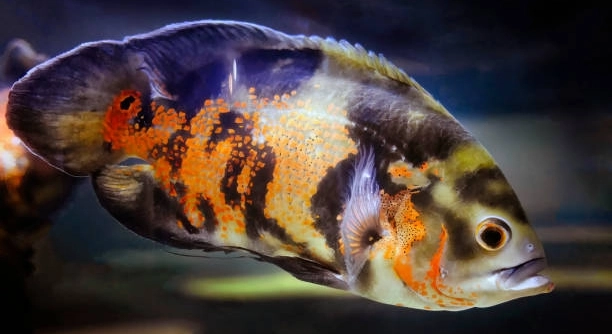
Oscar fish are known for their vibrant personalities, making them a favorite among fish enthusiasts. However, maintaining a peaceful environment for them requires attention to several factors. A stable setting is key to their well-being.
Creating a peaceful environment for Oscar fish involves controlling water quality, providing ample space, managing tankmates, and offering a suitable diet. Temperature and lighting also play essential roles in keeping these fish healthy and stress-free.
Maintaining a peaceful environment for your Oscar fish is crucial for their overall health. Proper care and attention to their habitat can ensure a stress-free life for them.
Water Quality Control
Maintaining good water quality is essential for Oscar fish. These fish are particularly sensitive to changes in water parameters, which can cause stress or illness. Regular water changes, a quality filtration system, and monitoring pH, ammonia, nitrate, and nitrite levels are critical. Aim for a pH between 6.5 and 7.5 and ensure ammonia and nitrite levels are at zero. The water temperature should stay between 75°F and 82°F to support their active lifestyle. High-quality water promotes a healthy environment, reducing the chances of disease outbreaks and minimizing stress. Regularly cleaning the substrate and decorations also helps maintain good water conditions.
Investing in a reliable water testing kit allows you to monitor the tank’s condition regularly. It ensures you’re making adjustments when needed to keep your Oscar fish thriving. With the right water quality, your fish will grow vibrant and active, and their environment will feel more natural.
Regular water maintenance is vital to avoid fluctuations in water conditions.
To keep your Oscar fish in good health, change 25% to 30% of the water weekly. Testing the water regularly will help you catch any issues early.
Tank Size and Space
Oscar fish require a lot of space to swim freely. A minimum of 75 gallons is recommended for a single Oscar fish. The bigger the tank, the better, as it reduces stress and improves water quality. Overcrowding can lead to aggression and territorial behavior, making it harder to maintain a peaceful environment.
Adding plants, rocks, and decorations that provide hiding spots can make the space feel more natural. However, be cautious not to overcrowd the tank with too many decorations. Oscars are known to rearrange their environment, so leave enough open swimming space. A larger tank also reduces the risk of water quality issues, as the water volume can handle waste more effectively.
Tankmates Compatibility
Choosing the right tankmates for Oscar fish is crucial. Oscars are known for their strong personalities, and they may become territorial, especially if they feel crowded. Larger, non-aggressive fish are ideal companions. Avoid small fish, as Oscars may see them as prey. Good tankmates include larger catfish or other robust species that won’t get intimidated easily.
It’s important to monitor your Oscar’s behavior when introducing new tankmates. Sometimes, even fish of similar size can clash. Be prepared to separate them if aggression occurs. Over time, Oscar fish may become more comfortable with certain tankmates, but be mindful of any sudden changes in behavior.
Diet and Feeding Habits
Oscar fish are carnivorous and require a high-protein diet. Offer them a variety of foods such as pellets, live or frozen fish, and worms. Overfeeding can lead to poor water quality and obesity, so stick to a feeding schedule. Feed them once or twice a day, ensuring that they consume all the food within a few minutes.
A varied diet helps provide the necessary nutrients for healthy growth. While pellets are convenient, live and frozen food like shrimp and bloodworms add variety and encourage natural hunting behavior. Make sure food is appropriately sized to prevent choking or digestion issues.
Lighting Conditions
Oscar fish prefer subdued lighting. Bright lights can stress them out, especially in a smaller tank. Providing a more natural light cycle with 10 to 12 hours of light a day is ideal. Use a timer to keep things consistent. Avoid placing the tank in areas with direct sunlight, as it can lead to algae growth.
Proper lighting helps simulate day and night cycles, which supports the Oscar’s overall health and well-being. It also makes their colors stand out better, enhancing their beauty. Keeping the lighting environment calm allows Oscars to feel more secure and comfortable in their surroundings.
FAQ
What size tank do Oscar fish need?
Oscar fish need at least a 75-gallon tank. A larger tank is better to provide more space for swimming and to maintain stable water conditions. A bigger tank also reduces stress and the likelihood of territorial aggression. Overcrowding can negatively affect the water quality and the fish’s health.
Can Oscar fish live with other fish?
Yes, Oscar fish can live with other fish, but careful consideration is needed. They tend to be aggressive, especially as they mature. Larger, peaceful fish like catfish or certain cichlids make good tankmates. Avoid smaller fish, as Oscars may see them as food. Always monitor their interactions to ensure peace.
How often should I feed my Oscar fish?
Feed your Oscar fish once or twice a day. Make sure they eat all the food within a few minutes to avoid leftover food affecting water quality. Overfeeding can lead to obesity and water problems, so stick to a set portion each time. A balanced diet promotes healthy growth and well-being.
What temperature should the water be for an Oscar fish?
Oscar fish thrive in water temperatures between 75°F and 82°F. Keeping the water within this range supports their active behavior and overall health. A reliable heater is essential to maintain the right temperature, especially in colder climates. Too high or low temperatures can stress the fish and weaken their immune system.
Do Oscar fish need a filter?
Yes, Oscar fish require a filter. They produce a significant amount of waste, so a good filtration system helps keep the water clean and safe. Aim for a filter that can handle at least twice the tank’s volume to ensure effective cleaning. Regular maintenance of the filter is also necessary to maintain optimal water quality.
Can I have plants in my Oscar fish tank?
Yes, you can have plants in an Oscar fish tank, but keep in mind that Oscars are known for digging and rearranging their environment. Choose sturdy, hardy plants like Anubias or Java Fern that can withstand their activities. You may need to anchor the plants securely to prevent them from being uprooted.
How can I reduce aggression in my Oscar fish?
To reduce aggression, ensure your Oscar has enough space and hiding spots. Adding decorations like rocks or driftwood can help them claim their territory without feeling overcrowded. If aggression persists, try changing tankmates or adjusting the environment to minimize stress. Consistent water quality also plays a role in behavior.
Are Oscars sensitive to water changes?
Yes, Oscar fish are sensitive to sudden changes in water conditions. Always perform gradual water changes and test water parameters regularly. Sudden fluctuations in pH, temperature, or ammonia levels can cause stress or even illness. Regular but gradual water changes help prevent these issues and keep your Oscar healthy.
Can Oscar fish live in a tank without a heater?
While Oscar fish can technically survive in a tank without a heater, it’s not ideal. They prefer warm water between 75°F and 82°F. A heater is necessary to maintain this temperature range and ensure their comfort. Without a heater, fluctuations in temperature can stress the fish and make them more susceptible to diseases.
How do I know if my Oscar fish is healthy?
Healthy Oscar fish are active, have vibrant coloring, and show a strong appetite. Look for clear eyes, smooth scales, and consistent behavior. If your Oscar is hiding excessively, has faded colors, or shows signs of lethargy, it may indicate stress or illness. Regular monitoring and proper care help maintain their health.
What should I do if my Oscar fish is sick?
If your Oscar fish appears sick, first check water quality. Poor water conditions are often the cause of health issues. If the water is fine, consider treating with a suitable medication or quarantine the fish if necessary. Consult a vet specializing in fish if symptoms persist. Early intervention is key to recovery.
Final Thoughts
Maintaining a peaceful environment for your Oscar fish requires a combination of proper care, attention to detail, and an understanding of their needs. By providing a suitable tank size, keeping the water quality high, and choosing compatible tankmates, you can create an environment where your Oscar feels safe and healthy. Regular maintenance, including water changes and filter cleaning, ensures that your fish stays stress-free and vibrant. Additionally, paying attention to their feeding habits and offering a variety of foods will support their growth and well-being.
It’s important to remember that Oscar fish are active and can be territorial. Providing enough space in the tank and ensuring the fish have places to hide or claim as their own can prevent aggressive behavior. Tankmates should be chosen carefully, with larger, peaceful species being the best companions. Monitoring the behavior of your fish regularly can help catch any signs of stress or illness early, allowing you to take action before problems escalate. Understanding your fish’s behavior and adapting to their needs is key to ensuring they thrive in their environment.
By following these tips and staying proactive in your care routine, you can enjoy the company of your Oscar fish for years. Their bright colors and energetic personality will make them an engaging addition to your tank. Creating a peaceful and stable environment helps prevent common issues and ensures your fish remain healthy and happy. Whether you’re a new or experienced fishkeeper, taking the time to understand and meet your Oscar’s needs will lead to a more enjoyable and successful experience with these fascinating fish.

Hello,
If you enjoy the content that we create, please consider saying a "Thank You!" by leaving a tip.
Every little bit helps us continue crafting quality advice that supports the health, happiness, and well-being of pets around the world, for pets of all shapes, sizes, and species.
We really appreciate the kindness and support that you show us!