
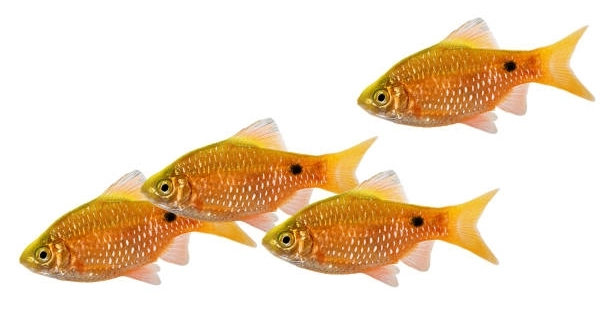
Keeping a Rosy Barb school calm and balanced requires attention to their environment and social needs. These colorful fish thrive when their habitat is stable and their group size is managed carefully. Proper care helps reduce stress and aggression.
Maintaining a calm Rosy Barb school involves providing adequate space, consistent water conditions, and a balanced group of fish to minimize territorial disputes. Regular monitoring and appropriate feeding schedules are essential to support their health and social harmony.
Understanding these key factors can improve your fish’s well-being. The following tips will help create a peaceful and thriving Rosy Barb community in your aquarium.
Choosing the Right Tank Size
A suitable tank size is essential for a calm and balanced Rosy Barb school. These fish are active swimmers and need enough space to move freely without feeling crowded. A tank of at least 30 gallons is recommended for a small group of six Rosy Barbs. Larger tanks allow for better swimming space and more stable water conditions. Overcrowding can increase stress and aggression, which disrupts the peaceful balance of the school. Proper filtration and regular water changes also support a healthy environment. Providing plenty of hiding spots with plants or decorations helps the fish feel secure. These elements work together to reduce tension and encourage natural behaviors in the group. Maintaining this setup creates a peaceful aquarium where Rosy Barbs can thrive and display their vibrant colors.
A 30-gallon tank is the minimum for six Rosy Barbs to keep them comfortable and active. More space is always better.
Using plants and decorations offers hiding places, helping reduce stress and aggression within the school.
Managing Group Dynamics
Rosy Barbs are social fish that do best in groups. A balanced school size helps prevent bullying and promotes harmony. It is important to keep an odd number of fish to reduce conflicts over territory. Introducing new fish slowly and monitoring interactions can avoid sudden aggression. If any fish become overly aggressive, separating them temporarily may help calm the group. Feeding the fish evenly and maintaining a varied diet supports overall health and behavior. Consistent water quality and temperature also play a role in keeping the group stable. Paying close attention to these factors encourages natural schooling behavior and a calm tank atmosphere, making the aquarium more enjoyable to watch and easier to maintain.
Maintaining Water Quality
Regular water changes keep the tank clean and reduce harmful substances. Testing water parameters like ammonia, nitrite, and nitrate ensures a safe environment. Stable pH and temperature levels prevent stress and illness in Rosy Barbs.
Consistent filtration is key to maintaining water quality. Mechanical filters remove debris, while biological filters break down toxins. Cleaning filters without disrupting beneficial bacteria is important to keep the balance intact. Avoid using harsh chemicals or soaps in the tank to protect the fish.
Water temperature should stay between 72°F and 78°F for Rosy Barbs. Sudden temperature shifts can cause stress, weakening their immune systems. Monitoring and adjusting the water heater regularly helps maintain this range. Good water quality supports overall health and peaceful behavior within the school.
Feeding Habits
Feed Rosy Barbs small amounts two to three times daily. Overfeeding can pollute the water and cause health problems. Balanced nutrition is vital to keep them active and vibrant.
Offering a mix of flakes, pellets, and live or frozen foods provides variety and essential nutrients. High-quality food supports their coloration and boosts immunity. Removing uneaten food quickly helps keep the tank clean and prevents water quality issues. Feeding routines should be consistent to avoid sudden changes that might stress the fish. Proper diet and feeding habits contribute to the calm and balanced nature of the Rosy Barb school.
Monitoring Behavior
Watch Rosy Barbs closely for signs of stress or aggression. Early detection helps prevent problems before they escalate. Calm, active fish indicate a balanced school.
Unusual hiding, fin nipping, or lethargy can signal trouble. Addressing these behaviors quickly maintains harmony and health.
Providing Hiding Spots
Including plants and decorations creates safe spaces. Hiding spots reduce stress by offering shelter from dominant fish. This helps keep the group calm.
A mix of live plants and artificial décor works well. Dense plants like Java fern or Anubias are especially useful. These areas encourage natural behavior and make the tank environment more comfortable for Rosy Barbs.
Regular Tank Maintenance
Consistent cleaning removes waste and prevents algae buildup. Partial water changes every week keep conditions stable. Clean substrate and decorations gently to avoid disturbing beneficial bacteria. Proper maintenance supports fish health and a peaceful aquarium.
FAQ
How many Rosy Barbs should be kept together?
Keeping at least six Rosy Barbs together is ideal to ensure natural schooling behavior. Smaller groups can lead to stress and increased aggression. A group of six or more helps spread out social interactions and reduces bullying, creating a calmer tank environment.
What is the best tank size for a Rosy Barb school?
A minimum of 30 gallons is recommended for a small school of six Rosy Barbs. Larger tanks provide more swimming space, reduce territorial disputes, and help maintain stable water conditions. More room means less stress and a healthier community.
How often should I change the water?
Performing partial water changes of 20-25% weekly keeps water quality high and reduces toxin buildup. Regular changes prevent harmful ammonia and nitrate levels from rising, supporting fish health and preventing aggression caused by poor conditions.
What temperature is ideal for Rosy Barbs?
Rosy Barbs thrive between 72°F and 78°F. Keeping the water stable within this range prevents stress, which can weaken their immune systems and cause illness. Avoid sudden temperature changes by monitoring heaters regularly.
Can Rosy Barbs live with other fish?
Yes, Rosy Barbs can live peacefully with other active, similarly sized fish like danios, tetras, or barbs. Avoid slow-moving or long-finned fish, as Rosy Barbs may nip fins if they feel crowded or stressed. Proper tank size and hiding spots help reduce conflicts.
What do Rosy Barbs eat?
Rosy Barbs are omnivores and eat flakes, pellets, live, and frozen foods. A varied diet including brine shrimp, bloodworms, and plant matter keeps them healthy and colorful. Feed small amounts two to three times daily to avoid overfeeding.
How do I prevent aggression in a Rosy Barb school?
Maintain proper group size, provide plenty of space, and include hiding places. Keep water quality high and feed consistently. Introduce new fish slowly and monitor interactions. Separating aggressive fish temporarily can restore balance.
How can I tell if my Rosy Barbs are stressed?
Signs of stress include hiding, loss of appetite, faded color, and erratic swimming. Aggression such as fin nipping or chasing also signals tension. Addressing tank conditions and social dynamics quickly reduces stress and promotes calm behavior.
Are live plants necessary in a Rosy Barb tank?
While not strictly necessary, live plants help create hiding spots and improve water quality. They reduce stress by offering shelter and encourage natural behaviors. Hardy plants like Java fern and Anubias work well in Rosy Barb tanks.
How long do Rosy Barbs typically live?
With proper care, Rosy Barbs can live 5 to 7 years. Good water quality, balanced diet, and a peaceful environment contribute to their longevity. Regular monitoring and maintenance support their overall health and lifespan.
What should I do if one fish is bullied?
If bullying occurs, check tank size and group balance. Add more hiding spots or rearrange decorations to break up territories. Consider temporarily isolating the bullied fish to reduce stress. Monitor behavior closely and adjust care as needed to restore harmony.
Can Rosy Barbs breed in a community tank?
Rosy Barbs can breed in community tanks if conditions are right. They scatter eggs on plants and substrate. However, adults may eat the eggs or fry. To raise young successfully, separate breeding pairs or provide dense plant cover for protection.
Is it okay to mix Rosy Barbs with other barb species?
Mixing with other barb species is usually fine if the tank is large and well-planted. Avoid overcrowding to reduce competition. Different barb species often have similar behavior, but keep an eye on any signs of aggression to maintain balance.
How important is lighting in a Rosy Barb tank?
Moderate lighting supports plant growth and shows off the fish’s colors well. Too much light can increase algae growth, while too little can affect fish activity. Aim for a balanced light schedule of about 8 to 10 hours daily to mimic natural conditions.
What are common diseases in Rosy Barbs and how to prevent them?
Common diseases include ich, fin rot, and fungal infections, often caused by poor water quality or stress. Prevention focuses on maintaining clean water, stable temperature, and a balanced diet. Quarantining new fish before adding them to the tank helps reduce risk.
How do I introduce new fish to an established Rosy Barb tank?
Introduce new fish slowly by floating the bag in the tank to equalize temperature. Gradually mix tank water into the bag before releasing the fish. Monitor interactions closely and be ready to separate any aggressive individuals to protect the school.
Keeping a Rosy Barb school calm and balanced takes attention and care, but the effort is worthwhile. These fish are active and colorful, adding life to any aquarium. By providing the right tank size, maintaining good water quality, and keeping a balanced group, you create an environment where they can thrive. Paying attention to their behavior and needs helps prevent stress and aggression. When these factors are managed well, the school stays peaceful, and the fish remain healthy and vibrant.
Consistency is important in maintaining a healthy Rosy Barb community. Regular water changes, proper feeding routines, and tank maintenance create stability in the aquarium. Stability helps the fish feel secure and reduces the chance of conflicts. Including hiding spots and live plants offers comfort and mimics their natural habitat. These details may seem small, but they have a big impact on the fish’s well-being. Careful observation and adjustments based on what you see will keep your Rosy Barbs calm and balanced over time.
A calm and balanced Rosy Barb school is rewarding to watch and easier to care for. Understanding their social needs, environment, and diet ensures they live longer, healthier lives. Taking time to create the right conditions benefits both the fish and the aquarist. With patience and proper care, a Rosy Barb school becomes a beautiful, peaceful part of your home. This balance is the key to enjoying the full charm of these lively fish.

Hello,
If you enjoy the content that we create, please consider saying a "Thank You!" by leaving a tip.
Every little bit helps us continue crafting quality advice that supports the health, happiness, and well-being of pets around the world, for pets of all shapes, sizes, and species.
We really appreciate the kindness and support that you show us!