
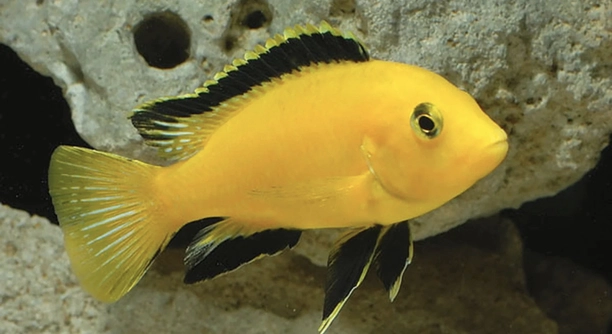
Cichlids are sensitive fish that notice changes in their environment immediately. Even small differences in their tank can affect their behavior and comfort. Observing these reactions can help ensure their habitat remains balanced and healthy.
Cichlids respond to subtle visual, spatial, and environmental cues in their surroundings. Variations in color, movement, water clarity, and object placement are recognized instantly, influencing feeding, mating, and territorial behavior in ways that are critical for their survival and well-being.
Recognizing these tiny details allows owners to maintain a stable and stress-free environment for their cichlids, promoting healthier, more active fish in the long term.
Color Changes in Their Environment
Cichlids are highly responsive to color shifts in their tanks. Bright or contrasting colors can trigger excitement or stress, depending on the fish’s temperament. Even small additions like new plants, ornaments, or decorations can alter their perception of territory. Subtle changes in lighting can make colors appear different, influencing how cichlids interact with each other. They may approach certain areas more often or avoid them entirely. Observing these reactions is important for maintaining balance. Over time, consistently monitoring their responses to new colors helps identify what makes them comfortable. Adjusting colors gradually allows the fish to adapt without unnecessary stress, ensuring their activity levels and feeding habits remain stable. These adjustments also affect breeding behavior, as vibrant surroundings may encourage mating displays, while harsh or overly bright settings might cause hiding. Maintaining a harmonious color environment supports both physical and psychological well-being.
Small color changes can have a big impact on cichlid behavior and tank harmony.
Gradual color adjustments help cichlids adapt smoothly, preventing stress and maintaining natural behaviors. A well-planned color scheme contributes to healthier interactions, more consistent feeding, and improved territorial balance.
Subtle Movements Around the Tank
Cichlids notice even minor movements within their habitat.
Movement from water flow, reflections, or human activity can affect how cichlids feel. Fast currents may cause stress, while gentle ripples simulate natural environments, encouraging exploration and feeding. They also respond to shadows and sudden disturbances, often hiding or displaying defensive behaviors. Consistency is key for their comfort.
Frequent observation of their responses allows you to adjust environmental factors like pump flow, decorations, or tank positioning. A subtle shadow can signal potential threats or food sources, influencing interactions with other fish. Even the placement of plants or rocks alters swimming patterns and territory boundaries. Over time, predictable movement patterns reduce stress and encourage natural behaviors, while abrupt changes may cause anxiety. Maintaining a stable environment with gentle, consistent motion promotes overall health. Monitoring movement also aids in spotting early signs of illness, as stressed cichlids behave differently. Small, intentional adjustments to flow and activity ensure cichlids thrive in a controlled yet stimulating environment.
Water Clarity and Quality
Clear water allows cichlids to see their surroundings and interact naturally. Cloudy or dirty water causes stress and reduces activity, affecting feeding and territorial behavior. Maintaining proper filtration and regular water changes keeps their habitat stable and comfortable.
Regular water testing is essential for cichlids’ health. Parameters like pH, ammonia, nitrite, and nitrate levels influence behavior and overall well-being. Even small fluctuations can cause agitation or hiding, while stable water encourages active swimming and exploration. Using appropriate filtration and performing consistent water changes helps maintain clarity, ensuring the fish can detect food, mates, and territory boundaries. Observing their reactions to water quality helps identify potential issues before they become serious.
Cichlids respond immediately to changes in water temperature and clarity. Sudden shifts may trigger defensive behavior or lethargy, while consistent conditions promote feeding and social interactions. Maintaining clean water supports both physical health and natural behavioral patterns, reducing the risk of disease and stress.
Placement of Rocks and Hiding Spots
Proper placement of rocks and shelters affects how cichlids claim territory and interact with each other. Open areas encourage exploration, while dense clusters provide refuge and security.
Cichlids are territorial fish and need well-defined spaces. Rocks, caves, and hiding spots allow them to establish boundaries and reduce conflicts. Incorrect placement can lead to stress, aggression, or overdominance by certain fish. Observing which areas are favored helps in rearranging decorations for better balance. Providing multiple hiding places ensures subordinate fish can retreat safely, preventing bullying and allowing peaceful coexistence.
Strategically placed structures also enhance natural behaviors like foraging and breeding. Fish use rocks and crevices for shelter, ambush, and observation. Thoughtful arrangement minimizes aggression, encourages exploration, and supports social hierarchy. Over time, adjusting placements based on observed behavior ensures the tank remains a secure and stimulating environment, promoting the well-being of all cichlids.
Feeding Patterns
Cichlids notice subtle differences in feeding times and routines. Irregular schedules can make them anxious, while consistent feeding promotes healthy behavior and reduces aggression.
The way food is presented also matters. Floating versus sinking food changes how they interact with it, influencing competition and territorial displays.
Reflection and Glass Awareness
Cichlids often react to their own reflection or shadows on the glass. Reflections can trigger defensive or territorial behavior, making the fish appear more active or stressed. Monitoring how they respond allows adjustments in tank positioning or decorations to minimize unnecessary aggression and maintain calm interactions.
Plant Placement
Plants provide cover and comfort, but cichlids notice their location. Properly placed plants offer hiding spots and reduce stress while poorly positioned ones may block territory or create conflict.
FAQ
How do cichlids react to new decorations?
Cichlids immediately notice changes in their environment, including new rocks, plants, or ornaments. Their response varies by species and temperament. Some may explore curiously, while others may become defensive or hide. Observing their reactions helps determine if the placement is comfortable or needs adjustment. Gradual introduction of new items reduces stress.
Can cichlids sense changes in water temperature?
Yes, cichlids are highly sensitive to temperature shifts. Sudden changes can make them lethargic, hide, or display signs of stress. Maintaining a consistent temperature within the recommended range for the species promotes normal activity, feeding, and social behaviors, preventing long-term health issues.
Why do cichlids react to reflections in the tank?
Reflections on glass or water surfaces can be perceived as rivals or intruders. This often triggers territorial displays, aggression, or increased activity. Adjusting tank placement or adding background and plants can reduce reflections, helping maintain calmer behavior and less stress.
Do cichlids notice subtle movements outside the tank?
Yes, cichlids detect movements, including shadows, hands, or nearby activity. Sudden motions can cause hiding or defensive behavior. Consistency in surrounding activity, along with gentle handling of tank equipment, minimizes unnecessary stress and allows them to behave naturally.
How important is water clarity for cichlid behavior?
Water clarity directly affects how cichlids perceive their surroundings. Cloudy water can make them anxious, reduce exploration, and affect feeding habits. Clean, clear water supports natural behavior, makes territorial boundaries visible, and encourages normal social interactions among tank mates.
Can lighting affect cichlid mood or activity?
Lighting plays a crucial role in cichlid behavior. Bright or harsh light can cause hiding or agitation, while soft, consistent lighting encourages natural activity and reduces stress. Adjusting the intensity and duration of lighting to simulate natural day-night cycles improves overall well-being.
Do cichlids notice subtle changes in plant placement?
Yes, cichlids pay attention to plant arrangement. Plants serve as hiding spots, territorial markers, and comfort zones. Moving plants can disrupt established territories, create stress, or encourage new behaviors. Monitoring how they react after rearrangement ensures a stable, secure environment.
How do cichlids respond to changes in feeding patterns?
Cichlids are sensitive to feeding routines. Irregular feeding may cause stress or aggression, while consistent schedules support predictable social interactions. The type and presentation of food also influence behavior. Floating versus sinking food can affect competition, foraging, and territorial dynamics.
Can cichlids detect subtle water quality changes?
Yes, cichlids respond quickly to variations in pH, ammonia, nitrite, or nitrate levels. Even small deviations can cause stress, lethargy, or hiding. Regular testing and maintenance of water parameters ensure optimal behavior, reducing risk of illness and promoting healthy activity.
Why is observation important for understanding cichlid behavior?
Careful observation allows owners to notice subtle reactions to their environment, such as color, lighting, movement, or reflections. By tracking behavior, it becomes easier to make adjustments that reduce stress, maintain social balance, and ensure the fish thrive in a stable, well-maintained tank.
How can tank layout influence aggression?
Strategic placement of rocks, caves, and plants affects territorial behavior. Proper layout reduces conflict by providing multiple hiding spots and clearly defined territories. Overcrowding or poorly arranged structures can increase stress, while thoughtful design encourages natural social interactions and safer coexistence.
Are cichlids affected by external noise or vibrations?
Yes, cichlids are sensitive to vibrations and loud noises. Sudden disturbances can make them hide or act defensively. Keeping the tank in a stable, low-traffic area reduces stress and allows them to maintain normal behavior patterns.
Do cichlids notice changes in tankmates?
Cichlids are highly observant of other fish. Introducing new tankmates or removing existing ones can alter social hierarchy and behavior. Gradual introductions and monitoring reactions help minimize stress and aggression, promoting a balanced community.
How quickly do cichlids adapt to new environments?
Adaptation speed depends on the species and individual temperament. Gradual changes in decorations, lighting, and water parameters encourage smoother adaptation. Sudden shifts can lead to hiding, aggression, or refusal to feed. Patience and observation are key to helping them settle comfortably.
What signs indicate cichlids are stressed by environmental changes?
Stress can show as hiding, reduced feeding, aggression, or erratic swimming. Observing these behaviors early allows adjustments in water quality, decorations, or tank placement to restore a stable and comfortable habitat.
How can owners use this knowledge to improve cichlid care?
Recognizing the tiny details that cichlids notice allows owners to maintain stable water conditions, thoughtful tank layouts, and consistent routines. This promotes healthier fish, reduces stress, and encourages natural behavior patterns, ensuring a thriving, balanced aquarium.
Caring for cichlids requires attention to many small details that can influence their comfort and behavior. These fish are highly perceptive and notice subtle changes in their environment, from water quality to tank decorations. Each adjustment, no matter how minor, can have an immediate effect on their activity, feeding, and social interactions. Maintaining stable conditions is key to preventing stress, promoting natural behavior, and ensuring their overall health. Observing how they react to changes allows you to understand their needs better and make informed decisions about tank management. Consistent monitoring of water parameters, lighting, and temperature supports their physical and psychological well-being.
Tank layout and the placement of rocks, plants, and hiding spots play a major role in shaping cichlid behavior. Properly arranged decorations create clear territories and safe areas for all fish, which reduces aggression and allows subordinate fish to retreat when necessary. Cichlids also respond to color variations, reflections, and movement in their surroundings, which can affect feeding and social dynamics. Adjusting the environment carefully and gradually helps them adapt without unnecessary stress. By paying close attention to these details, owners can create a balanced and secure habitat where fish feel confident exploring, establishing territories, and interacting naturally with one another.
Feeding routines, water clarity, and environmental consistency further contribute to a healthy aquarium. Cichlids notice even subtle changes in feeding times, water flow, or shadows in the tank. Following a regular schedule and maintaining optimal water conditions prevents stress and encourages natural behavior patterns. Even minor modifications, such as repositioning plants or adjusting lighting, can have a positive impact if done thoughtfully. Understanding the nuances of cichlid perception helps owners anticipate their reactions and maintain a comfortable environment. Overall, taking the time to observe and respond to these small but important details ensures that cichlids remain active, healthy, and well-adjusted in their aquatic home.

Hello,
If you enjoy the content that we create, please consider saying a "Thank You!" by leaving a tip.
Every little bit helps us continue crafting quality advice that supports the health, happiness, and well-being of pets around the world, for pets of all shapes, sizes, and species.
We really appreciate the kindness and support that you show us!