
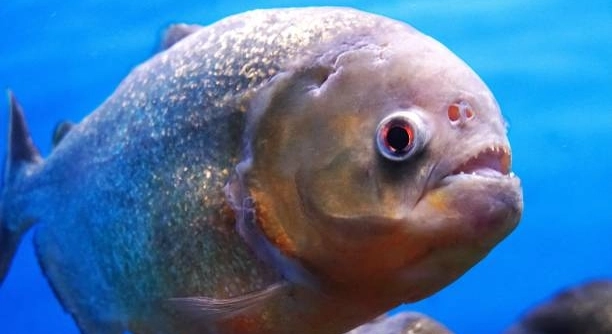
Is your piranha really paying attention to you when it moves or stares? Many owners don’t realize how observant these fish can be. Small behaviors can show that your piranha is watching more closely than you might think.
Piranhas watch their surroundings using subtle body movements, eye tracking, and changes in fin position. These small clues indicate alertness and interest in their environment, often reflecting their instinct to monitor potential threats or food sources nearby.
Recognizing these signs can deepen your understanding of your piranha’s behavior and improve your connection with your aquatic pet.
Subtle Movements That Catch Your Eye
Sometimes your piranha will make small, quick movements that seem like it’s watching you carefully. These can include slow swimming close to the glass or subtle fin flicks. Such motions are signs your fish is alert and paying attention to changes in its tank environment or to your presence. These tiny gestures show that your piranha is actively observing rather than just swimming aimlessly. Over time, you might notice these behaviors more often when you are near the tank or doing something new. This awareness helps piranhas stay safe and ready for food or any sudden movement around them.
These subtle movements are a clear sign that your piranha is keeping an eye on things and taking note of what’s happening.
When your piranha swims slowly near the tank’s surface or edges and adjusts its fins slightly, it signals curiosity or caution. These small actions are often the first clues that your fish is watching. They may freeze or stop moving altogether if something captures their attention fully. Learning to recognize these movements helps you understand your fish’s mood and level of interest in its environment.
Eye Contact and Gaze
Eye contact from a piranha may seem unusual, but it can happen. They focus their gaze on moving objects or people near the tank.
Eye tracking is one of the strongest signs your piranha is watching you closely. Their eyes move slowly to follow your hand or face as you approach the tank. This behavior shows they are aware and processing visual information actively. Unlike many fish, piranhas have sharp eyesight and use it to detect motion and potential food. Sometimes, they lock their gaze for several seconds, which means they are very attentive. Noticing this can create a stronger bond and help you respond better to their needs.
Recognizing when your piranha is making eye contact can enhance your experience as a caretaker and deepen your understanding of its behavior.
Fin Position Changes
Your piranha’s fins can reveal a lot about its focus. When fins spread wide or twitch slightly, it often means the fish is alert and watching carefully.
Changes in fin position are subtle signs that your piranha is engaged with its environment. When fins flare out, it can indicate the fish is either curious or feeling cautious. Twitching or slight movements of the fins often happen when something new catches the fish’s attention. These shifts help the piranha stay balanced and ready to react quickly. Observing these fin changes alongside body movements gives a clearer picture of what your fish is focusing on at any moment.
Pay close attention when your piranha adjusts its fins frequently. It may be responding to your actions, lighting changes, or other activity around the tank. These shifts can also signal readiness to swim away or approach, showing a watchful and alert mindset.
Positioning Within the Tank
The place your piranha chooses to swim or stay in the tank can tell you if it is watching something closely.
If your piranha moves to the front of the tank or stays near your side, it often means it is observing activity outside the tank. Fish that linger in one spot for extended periods are usually focused on something specific. This behavior indicates interest or alertness rather than just random swimming. On the other hand, if your piranha avoids certain areas or hides, it may feel stressed or wary. Understanding these preferences can help you recognize when your fish is actively watching and when it needs more comfort. Being aware of your piranha’s favored spots gives you insight into its daily mood and attention patterns.
Stillness and Pausing
When your piranha suddenly stops moving, it is often watching closely. This stillness shows heightened attention to something in its environment.
Pausing like this helps your piranha gather information and prepare to react if needed. It’s a clear sign of focused observation.
Mouth Movements
Small, repeated mouth movements are another clue your piranha is paying attention. These movements can include slight opening and closing or subtle twitching.
These mouth motions are part of how piranhas explore their surroundings and sense changes. They often happen when the fish is curious or evaluating potential food or threats nearby.
Light and Shadow Reactions
Your piranha reacts quickly to changes in light and shadow, showing it is watching carefully for movement or danger.
Sudden shifts in lighting can make your fish alert or prompt it to investigate, highlighting its natural vigilance and focus.
How can I tell if my piranha is watching me?
You can tell your piranha is watching you by observing its behavior closely. Look for steady eye contact, slow swimming near the glass, and subtle fin movements. When your fish pauses or freezes in place, it usually means it’s paying attention. Changes in position, like moving toward the front of the tank or following your movements, also show alertness. These signs together suggest your piranha is aware and focused on what’s happening around it.
Why does my piranha stare at me sometimes?
Piranhas stare as a way to monitor their environment and assess potential threats or food sources. Their sharp eyesight helps them track movement, and when they stare, it means they are processing what they see carefully. This behavior isn’t aggression; rather, it reflects natural curiosity and caution. Staring helps the fish understand if you are a source of food or danger, which is important for their survival instincts.
Is it normal for a piranha to follow my movements?
Yes, it is normal for a piranha to follow your movements outside the tank. They react to changes and motion because it signals something new or important. Following your hand or body shows they are alert and engaged. This behavior is part of how they interact with their environment and can even help form a simple bond with their caretaker.
What do changes in fin position mean?
Changes in fin position often indicate your piranha’s mood or focus. When fins flare or twitch, it usually means the fish is alert, curious, or cautious. Fin movements help maintain balance and prepare the fish to swim quickly if needed. Watching how and when your piranha adjusts its fins can give you clues about what it’s paying attention to or how it feels.
Why does my piranha suddenly stop moving?
Sudden stillness or pausing is a sign your piranha is concentrating on something specific. Freezing helps them observe without drawing attention. This behavior allows them to analyze potential food, threats, or changes in the tank before reacting. It’s a natural survival instinct that shows they are carefully watching.
How do light and shadow affect piranha behavior?
Piranhas are sensitive to light and shadow changes because these can signal movement or danger. Sudden shifts in lighting often cause them to become alert or investigate. This sensitivity helps them react quickly in the wild and stay safe. In your tank, adjusting lights slowly can prevent stress and help your fish feel secure.
Can I interact with my piranha safely while it’s watching?
Yes, you can interact safely as long as you approach calmly and avoid sudden movements. Your piranha’s watchful behavior means it is aware but not necessarily aggressive. Respect its space and use slow, gentle motions when near the tank. Over time, this can build trust and make your fish more comfortable with your presence.
Are there signs my piranha feels threatened while watching?
Yes, if your piranha feels threatened, you may notice more intense fin flaring, rapid darting, or hiding. These signs show it is ready to defend itself or escape danger. Watching your fish’s behavior closely helps you understand when it feels stressed and adjust its environment or your actions accordingly.
How often do piranhas watch their environment?
Piranhas are naturally vigilant and spend much of their time watching their surroundings. This behavior helps them detect food, predators, or other changes. While not constantly staring, they frequently scan the tank using subtle movements and pauses. This ongoing observation is a key part of their survival instincts.
Can watching behavior indicate hunger?
Yes, your piranha may watch you closely when it expects feeding time. Increased attention, following your movements, and fin twitching often happen before meals. This focused behavior helps them anticipate food and prepares them to eat. Regular feeding schedules can strengthen this connection between watching and hunger signals.
Your piranha shows many small signs when it is watching you or its surroundings. These signs include changes in fin position, stillness, eye contact, and the way it moves around the tank. Paying attention to these behaviors can help you understand your fish better. By watching carefully, you can tell when your piranha is alert, curious, or even stressed. Knowing this lets you respond in ways that keep your fish comfortable and healthy.
Observing your piranha’s behavior is important for its well-being. When the fish watches closely, it may be trying to understand what is happening or deciding if it feels safe. This natural behavior is part of how piranhas survive in the wild, where they need to be aware of food and danger. In your tank, these clues help you know how your fish feels and when it might need more care. Learning to read these signals makes you a more thoughtful caretaker.
In the end, your piranha’s watching habits can create a quiet connection between you and your fish. Even without words or actions, these small clues tell you a story about how your fish experiences its environment. Paying attention to these moments encourages a better relationship and shows respect for your piranha’s nature. This understanding can make caring for your fish more rewarding and enjoyable for both of you.

Hello,
If you enjoy the content that we create, please consider saying a "Thank You!" by leaving a tip.
Every little bit helps us continue crafting quality advice that supports the health, happiness, and well-being of pets around the world, for pets of all shapes, sizes, and species.
We really appreciate the kindness and support that you show us!