
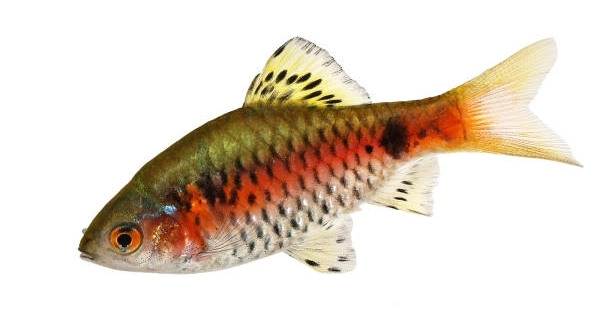
Rosy barbs are lively fish that can sometimes act shy or withdrawn in tanks. Many owners want their rosy barbs to be more social and interactive. Small changes in their environment can make a noticeable difference in their behavior.
Introducing slight adjustments like tank setup, feeding routines, and lighting conditions encourages rosy barbs to feel more comfortable and confident. These minor changes help reduce stress and promote natural social interactions among the fish.
These simple tips can improve your rosy barbs’ daily life. Learning how small steps impact their behavior can make caring for them more rewarding.
Creating the Right Environment
Rosy barbs thrive best in a well-maintained tank that mimics their natural habitat. Clean water with stable temperature and pH levels plays a key role in their comfort. Adding plenty of plants and hiding spots helps reduce stress, making them feel safer and more willing to interact. Lighting should be balanced—too bright can cause anxiety, while too dim may make them less active. Regular water changes and a good filtration system keep the tank healthy, which directly affects how social the fish become. Maintaining consistent conditions over time encourages them to explore and engage with each other and their surroundings.
Tank setup matters more than many realize when aiming to promote social behavior. Thoughtful choices in plants, decorations, and water quality can transform shy fish into lively companions.
A carefully arranged habitat makes rosy barbs feel secure. When they sense safety, they naturally become more active and sociable in the tank.
Feeding Habits That Encourage Socializing
Feeding times can be an opportunity to boost social interaction among rosy barbs. Feeding them small amounts several times a day rather than one large meal helps keep them engaged and reduces competition. Offering a varied diet that includes high-quality flakes, frozen foods, and occasional live treats stimulates their interest and activity. Avoid overfeeding, as leftover food pollutes the water and can make the fish sluggish or stressed. Establishing a predictable feeding routine creates a sense of security and helps the fish anticipate and gather together, improving social bonds.
Consistent feeding patterns encourage rosy barbs to come together more often. They learn when to expect food and associate that time with safety and interaction.
Feeding is not just about nutrition—it can also influence how fish relate to each other. When they share mealtime calmly, social connections strengthen. Careful portion control and diet variety promote health and sociability. Overfeeding leads to water issues and less lively behavior, so moderation is key. Ensuring a clean environment during feeding times supports their well-being and encourages them to interact confidently. Small adjustments in feeding habits can have a big impact on the social life of rosy barbs in your aquarium.
Adjusting Lighting for Comfort
Lighting affects how rosy barbs behave and feel in their tank. Too much light can stress them, while too little makes them less active. Finding the right balance encourages natural movement and socializing.
Using a timer for the aquarium light helps maintain a regular day-night cycle. This consistency reduces stress and encourages the fish to be active during daylight hours. Soft, indirect lighting mimics their natural environment and helps shy fish feel safer. Avoid harsh, direct light that can cause them to hide or become restless. Adjusting light intensity gradually when turning it on or off prevents sudden changes that startle the fish. Proper lighting supports healthy behavior and encourages rosy barbs to interact more openly with each other.
By carefully controlling light exposure, you create a more inviting environment. This encourages the fish to swim confidently and engage with their tank mates, making them more social overall.
Encouraging Interaction Through Tank Mates
Choosing the right tank mates plays a significant role in how social rosy barbs become. Compatible species that share similar activity levels and temperaments help promote group interaction. Avoid overly aggressive or very shy fish that can cause stress or fear. Introducing peaceful schooling fish encourages a lively, dynamic atmosphere where rosy barbs feel safer and more included. Mixing different but compatible species adds variety and stimulates natural behaviors, including socializing.
When selecting tank mates, consider their size, temperament, and environmental needs. Rosy barbs do well with fish that swim in similar areas of the tank and do not compete aggressively for food or space. Small to medium-sized fish that are active but calm provide a balanced environment. Providing enough room and hiding spaces also reduces territorial disputes and supports peaceful coexistence. Careful planning of the community helps rosy barbs form stronger social bonds and enjoy a more harmonious tank life.
Regular Tank Maintenance
Regular maintenance keeps the environment clean and stable. Clean water reduces stress and encourages rosy barbs to be more active and social.
Performing weekly water changes and checking water parameters prevent harmful buildup. This consistency supports their health and natural behavior.
Using Plants to Enhance Social Behavior
Live plants provide shelter and reduce stress, which helps rosy barbs feel safer and more confident. They encourage natural exploration and interaction among the fish.
Plants break up open space, creating small territories that reduce aggression and promote peaceful socializing. They also improve water quality by absorbing nitrates and producing oxygen.
Minimizing Sudden Changes
Sudden changes in the tank environment can cause stress and reduce social behavior. Keeping conditions stable helps rosy barbs remain calm and active.
Minimize abrupt shifts in lighting, temperature, or water quality to maintain a comfortable environment that supports social interactions.
How many rosy barbs should I keep to encourage social behavior?
Rosy barbs are schooling fish, so they do best in groups of at least six. Keeping fewer than six can make them shy and less likely to interact. A larger group helps them feel safer and more confident, which leads to more social behavior. Group living mimics their natural environment, encouraging natural swimming patterns and interactions. However, avoid overcrowding the tank, as this causes stress and aggression. Balance the number of fish with the tank size to maintain healthy water conditions and enough space for each fish to swim freely.
What type of food is best to promote social activity in rosy barbs?
A varied diet with quality flakes, frozen foods, and occasional live treats keeps rosy barbs interested and active. Feeding small portions several times a day encourages them to come together and socialize during feeding times. Overfeeding can pollute the water and make the fish sluggish, so moderation is important. Providing diverse food mimics their natural feeding habits and keeps them mentally stimulated. Healthy, well-fed fish tend to be more active and interactive, improving their overall social behavior.
Can lighting changes really impact rosy barb behavior?
Yes, lighting has a strong effect on their mood and activity. Too much bright light causes stress, making them hide or act nervously. Too little light results in less movement and interaction. A balanced light schedule with a timer helps maintain a natural day-night cycle, reducing stress and encouraging daytime activity. Soft, indirect lighting is ideal because it creates a calm environment, helping shy fish feel more secure and more willing to socialize with tank mates.
What kind of tank mates work best with rosy barbs?
Choose peaceful, similarly sized fish that share similar swimming habits to avoid stress or aggression. Avoid very shy or aggressive species, as these can disrupt the social balance. Good tank mates encourage activity and group dynamics. Fish like danios, small tetras, or other barbs usually do well. Avoid slow-moving or bottom dwellers that may be bullied or stressed. Providing enough space and hiding spots helps maintain peace and allows different species to coexist comfortably, promoting social behavior in rosy barbs.
How often should I clean the tank to keep rosy barbs social?
Performing weekly water changes of about 25% helps keep water clean and stable, which reduces stress and supports healthy behavior. Regularly check water parameters like ammonia, nitrites, and pH to avoid harmful levels. Clean filters as needed but avoid over-cleaning, which can disturb beneficial bacteria. A stable, clean environment encourages rosy barbs to stay active and interact rather than hide or become lethargic. Consistent tank maintenance is key to promoting a peaceful, social community.
Do plants really make a difference in how social rosy barbs are?
Yes, live plants create hiding spots and reduce stress, helping fish feel safe enough to explore and socialize. Plants provide natural boundaries that reduce aggression by breaking up open space. They also improve water quality by absorbing toxins and adding oxygen. A well-planted tank mimics the fish’s natural habitat, encouraging natural behaviors and calm social interactions. Plants also add visual interest and places for rosy barbs to swim through and around, which increases their activity and group interactions.
What should I avoid to keep rosy barbs social?
Avoid overcrowding, sudden changes in water conditions, bright harsh lighting, and aggressive tank mates. Overcrowding causes stress and fights, while sudden changes in temperature or water chemistry make fish anxious and withdrawn. Bright lights cause nervousness, and aggressive fish intimidate rosy barbs, reducing their willingness to socialize. Consistency in tank care and a calm environment are essential to help rosy barbs feel secure and interact naturally.
How long does it take for rosy barbs to become more social after changes?
It usually takes several days to a few weeks for rosy barbs to adjust after changes like new tank mates or environmental improvements. Patience is important, as sudden changes can cause temporary stress. Consistent care and stable conditions help them settle in and gradually increase social behavior. Observing their reactions during this time helps identify if further adjustments are needed. Over time, the fish become more confident, active, and interactive.
Can feeding routines alone improve social behavior?
Feeding routines are important but not the only factor. Regular feeding times encourage fish to gather and socialize, but combined with proper tank conditions and compatible tank mates, the effect is stronger. Feeding stimulates activity, but water quality, lighting, and environment play equal roles in overall social behavior. A balanced approach, including diet and habitat care, ensures rosy barbs remain healthy and sociable.
Is it normal for rosy barbs to hide sometimes even in a social group?
Yes, occasional hiding is normal, especially if fish feel threatened or stressed. Even social fish need places to retreat and rest. Providing plants and decorations offers safe spaces. If hiding is frequent or prolonged, it may indicate poor water quality, aggressive tank mates, or unsuitable conditions. Monitoring their environment and making adjustments can reduce stress and encourage more consistent social behavior.
Final Thoughts
Rosy barbs are naturally social fish, but their environment greatly affects how comfortable and interactive they become. Small adjustments in tank setup, feeding habits, lighting, and tank mates can create a more welcoming space that encourages these fish to show their true personalities. Consistent care and attention to their needs reduce stress and help them feel secure. When rosy barbs feel safe, they are more likely to swim together, explore their surroundings, and display lively behavior.
Maintaining good water quality and a stable environment is key to keeping rosy barbs healthy and social. Regular water changes, proper filtration, and monitoring water parameters prevent harmful conditions that can cause stress or illness. Adding live plants not only improves water quality but also provides natural hiding spots, which help shy fish gain confidence. A balanced feeding routine with varied food keeps the fish active and interested, which also supports social interaction during feeding times.
Patience is important when encouraging rosy barbs to become more social. Changes to their environment may not show immediate results, but with time and consistent care, improvements become clear. Avoid sudden changes or overcrowding, which can lead to stress and aggressive behavior. By creating a calm, stable environment and providing opportunities for natural behavior, rosy barbs will gradually become more confident and interactive. This makes caring for them a more enjoyable and rewarding experience.

Hello,
If you enjoy the content that we create, please consider saying a "Thank You!" by leaving a tip.
Every little bit helps us continue crafting quality advice that supports the health, happiness, and well-being of pets around the world, for pets of all shapes, sizes, and species.
We really appreciate the kindness and support that you show us!