
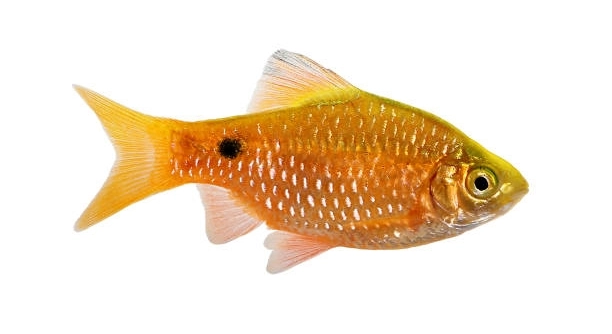
Rosy barbs are popular freshwater fish known for their bright colors and active nature. Many owners want to keep them healthy and vibrant in home aquariums. Small adjustments in care can make a significant difference in their wellbeing.
Improving rosy barb health involves simple changes such as maintaining clean water, providing a balanced diet, ensuring proper tank size, and monitoring water temperature. These small steps collectively support their immune system and promote longevity.
Understanding these small but important changes helps create a better environment for your rosy barbs. This guide will explain easy ways to enhance their health effectively.
Keep the Tank Clean and Stable
Maintaining clean water is essential for rosy barb health. Regular water changes help remove harmful toxins and waste that build up over time. Aim to change about 20-30% of the water weekly. This keeps the environment fresh and reduces stress on the fish. Use a water conditioner to treat tap water before adding it to the tank. Testing water parameters such as ammonia, nitrites, and nitrates will also help keep the tank safe. Stability in water temperature and pH is equally important. Sudden changes can shock rosy barbs and weaken their immune systems. A consistent, clean tank promotes better swimming, feeding, and overall activity. It also helps prevent diseases that thrive in dirty water. Small efforts like a regular cleaning schedule and monitoring water quality go a long way toward keeping rosy barbs healthy and active in the aquarium.
Regular cleaning reduces toxins and creates a balanced, healthy habitat that supports rosy barb growth and vitality.
Water quality directly affects fish behavior and health. Clean water lowers the risk of infections and encourages vibrant colors. It’s important to avoid overfeeding, as leftover food can pollute the tank. Using a good filter system keeps the water clear and oxygen-rich. Combining regular maintenance with monitoring helps maintain ideal conditions. This care ensures that your rosy barbs can thrive and live longer. Clean water means less stress and better resistance to common diseases. In short, tank cleanliness is the foundation of healthy rosy barbs.
Provide a Balanced Diet
A proper diet is key to rosy barb health. Feeding a variety of foods ensures they get all necessary nutrients. High-quality flakes or pellets designed for tropical fish are a good base. Supplement these with live or frozen foods like bloodworms or brine shrimp to add protein and encourage natural behavior. Avoid overfeeding, which can lead to poor water quality and obesity. Feed small amounts twice a day, only what the fish can eat in a few minutes. Variety and moderation together help maintain energy levels and bright coloration in rosy barbs. Offering occasional vegetable matter, like blanched spinach or peas, also supports digestion and adds fiber. A well-rounded diet promotes strong immune systems and improves resilience to illness.
Balanced nutrition supports rosy barbs’ health, color, and activity. Moderation and food variety prevent many common problems.
Maintain Proper Tank Size
Rosy barbs need enough space to swim freely and reduce stress. A tank of at least 20 gallons is recommended for a small group of rosy barbs. Crowding can cause aggression and weaken their health.
A spacious tank helps maintain stable water conditions and allows natural behavior. Rosy barbs are active swimmers and do best when kept in groups of five or more. This helps reduce aggression and keeps them engaged. A larger tank also dilutes waste, improving water quality. Proper tank size supports growth and reduces health problems caused by stress.
Additionally, a well-sized tank offers room for plants and decorations, which provide hiding spots. These hiding places reduce stress and give rosy barbs security. The right tank size combined with suitable decorations leads to a healthier, happier environment.
Monitor Water Temperature and pH
Rosy barbs thrive in temperatures between 64°F and 72°F (18°C to 22°C). Keeping the water within this range is important to avoid stress and illness. pH should be kept between 6.5 and 7.5 for optimal health.
Water temperature outside the ideal range can weaken rosy barbs’ immune systems and reduce their lifespan. Using a reliable aquarium heater or cooler can help maintain steady temperatures. Sudden fluctuations can cause shock, leading to diseases or death. Regularly check the temperature with a thermometer to ensure stability. The pH level affects how fish absorb nutrients and maintain bodily functions. Water that is too acidic or alkaline can harm them over time. Test kits help monitor pH levels, allowing for timely adjustments.
Maintaining the right temperature and pH also supports beneficial bacteria growth in the tank. These bacteria help break down waste products and keep the environment safe. Stable conditions lead to healthier fish and fewer problems with water quality. Temperature and pH control are simple but essential steps for long-term rosy barb health.
Provide Adequate Aeration
Rosy barbs require well-oxygenated water to stay healthy and active. Good aeration improves oxygen levels and helps waste break down more efficiently.
An air pump or a filter that creates surface agitation can increase oxygen exchange. Proper aeration prevents lethargy and supports overall fish vitality.
Avoid Overcrowding
Keeping too many fish in one tank raises stress and spreads disease quickly. It also strains water quality and filtration systems.
Overcrowding limits swimming space, causing aggressive behavior. Maintaining the right number of fish promotes a calm, healthy environment.
Use Plants and Decorations
Plants and decorations provide shelter and reduce stress for rosy barbs. They create natural hiding spots where fish feel safe.
Decorations also help establish territories, which minimizes aggression. Including live or artificial plants supports a balanced and comfortable aquarium setup.
Regularly Check Fish Behavior
Observing rosy barbs daily helps spot health issues early. Changes in swimming, appetite, or color may signal problems.
Prompt action based on behavior reduces the risk of serious illness. Regular monitoring supports long-term wellbeing.
FAQ
How often should I change the water in my rosy barb tank?
Water changes should happen weekly, replacing about 20-30% of the tank’s volume. This frequency keeps toxins low and maintains water clarity. Regular partial changes are better than infrequent full changes, which can shock the fish. Using a water conditioner helps remove harmful chlorine and chloramine from tap water before adding it to the tank.
What is the best diet for rosy barbs?
A varied diet including high-quality flakes or pellets forms the base of their nutrition. Supplement with live or frozen foods like bloodworms or brine shrimp two to three times a week. Occasional vegetables, such as blanched spinach or peas, provide fiber and support digestion. Feeding small amounts twice daily ensures they get enough nutrients without polluting the water.
Can rosy barbs live with other fish?
Yes, rosy barbs are generally peaceful but active fish. They do best with similar-sized, non-aggressive species like danios or tetras. Avoid slow-moving or long-finned fish, as rosy barbs may nip fins. Keeping rosy barbs in groups of five or more also reduces aggression among themselves and promotes natural schooling behavior.
What water temperature is ideal for rosy barbs?
The preferred temperature range is 64°F to 72°F (18°C to 22°C). Temperatures outside this range can stress the fish and increase disease risk. Use an aquarium heater or cooler to maintain stable temperatures and monitor regularly with a thermometer to avoid sudden changes.
How important is tank size for rosy barbs?
Tank size greatly impacts their health. A minimum of 20 gallons is recommended for a small group, as rosy barbs are active swimmers. Larger tanks help dilute waste, maintain stable water conditions, and give fish enough space to avoid stress and aggression. Proper tank size supports their wellbeing and longevity.
Why do my rosy barbs lose their color?
Loss of color is often a sign of stress, poor diet, or water quality issues. Ensure a balanced diet rich in carotenoids and vitamins. Regular water changes and maintaining ideal tank conditions also help. Stress from overcrowding or aggressive tank mates can cause dull colors. Reducing stress and improving care usually restores their vibrant hues.
How can I prevent diseases in rosy barbs?
Maintaining clean water, a balanced diet, and stable water conditions reduces disease risk. Quarantine new fish before adding them to the tank to prevent introducing illnesses. Observe fish daily for signs of sickness, such as white spots or lethargy, and treat problems early. Proper filtration and avoiding overcrowding also support healthy fish.
Is it necessary to use a filter in a rosy barb aquarium?
Yes, a filter is essential for removing waste and maintaining water quality. It also provides oxygen circulation, which rosy barbs need. Choose a filter suitable for the tank size to ensure efficient cleaning without creating too strong a current. Regular filter maintenance keeps it working well.
How long do rosy barbs typically live?
With proper care, rosy barbs live between 5 and 7 years on average. Good water quality, a balanced diet, and a stress-free environment contribute to reaching their full lifespan. Early attention to health issues also helps ensure they live longer, healthier lives.
Can rosy barbs tolerate different pH levels?
They prefer a pH range between 6.5 and 7.5. While they can tolerate slight variations, extreme acidity or alkalinity can harm them. Keeping the pH stable within this range supports good health and helps beneficial bacteria thrive in the tank’s biological filter.
How often should I feed my rosy barbs?
Feeding twice a day with small portions that the fish can consume within a few minutes is ideal. Overfeeding leads to leftover food, which pollutes the tank and causes health problems. Feeding in moderation maintains clean water and prevents obesity.
What signs indicate that my rosy barbs are stressed?
Signs of stress include hiding more than usual, loss of appetite, rapid breathing, and faded colors. Aggressive behavior or erratic swimming can also indicate stress. Addressing tank conditions, water quality, and tank mates helps reduce stress and improve health.
Final Thoughts
Taking care of rosy barbs requires attention to several small but important details. Keeping the tank clean and stable helps prevent many common problems. Regular water changes and monitoring water quality keep their environment safe and comfortable. Proper tank size gives them enough space to swim freely and reduces stress. When these basic needs are met, rosy barbs are more likely to stay healthy and show their natural, bright colors.
Feeding rosy barbs a balanced diet plays a big role in their overall health. A mix of high-quality flakes or pellets, live or frozen foods, and occasional vegetables provides the nutrients they need. Overfeeding should be avoided since leftover food can pollute the tank and harm the fish. Watching their behavior and appetite can help spot any early signs of illness or stress. When food and water conditions are right, rosy barbs will be active, strong, and colorful.
Finally, paying attention to water temperature and pH ensures a stable and safe habitat. These factors affect fish metabolism, immune function, and overall wellbeing. Keeping water temperature steady and within the recommended range supports long-term health. A balanced pH level helps maintain proper bodily functions and promotes good water quality. When these conditions are controlled, along with clean water, appropriate tank size, and good nutrition, rosy barbs will thrive in a healthy aquarium environment.

Hello,
If you enjoy the content that we create, please consider saying a "Thank You!" by leaving a tip.
Every little bit helps us continue crafting quality advice that supports the health, happiness, and well-being of pets around the world, for pets of all shapes, sizes, and species.
We really appreciate the kindness and support that you show us!