
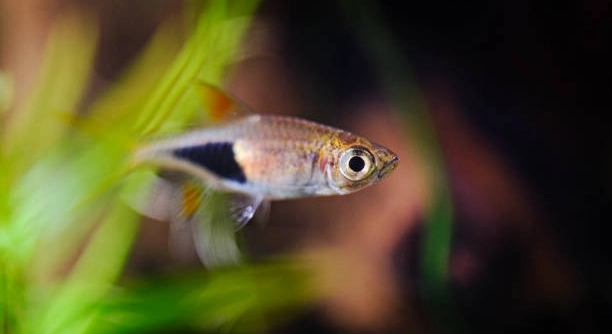
Rasboras are small, lively fish that bring a gentle energy to any aquarium. Many fish owners enjoy watching their graceful movements and bright colors, but keeping them comfortable requires some attention to detail and care.
Ensuring rasbora comfort involves subtle changes to their environment, including tank layout, water quality, lighting, and diet. Each adjustment supports natural behavior, reduces stress, and promotes overall health, creating a stable and enjoyable habitat for these delicate fish.
Small modifications in daily care can make a significant difference in their well-being and happiness, encouraging more active and confident behavior in the tank.
Adjust the Tank Size and Layout
Rasboras feel more secure in tanks that are spacious enough for swimming freely but not so large that they become stressed. A 20-gallon tank or larger is ideal for a small school. Adding plants, driftwood, and hiding spots mimics their natural habitat, giving them places to explore and retreat. Avoid overcrowding, as it can cause aggression and increase stress levels. Keep decorations simple and spread out to maintain open swimming areas. Floating plants can soften bright lighting and provide shelter. The substrate should be smooth, preventing injury while adding to the natural feel. Regularly rearranging elements slightly can encourage exploration without overwhelming the fish. Observing their reactions after each adjustment helps identify which setups they prefer.
Careful placement of plants and hiding spots reduces stress while encouraging natural behaviors. This setup ensures rasboras can swim comfortably and interact safely within their environment.
Providing a balanced mix of open areas and secure spots makes them more confident and active. They will swim in schools and explore corners when they feel safe, creating a livelier, more harmonious aquarium.
Maintain Stable Water Conditions
Rasboras thrive in stable water with consistent temperature and pH levels. Sudden changes can cause stress and weaken their immune system, making them more prone to disease.
Stable water conditions are achieved through regular testing, gentle filtration, and consistent partial water changes. Aim for a temperature around 72–78°F and a pH between 6.5–7.5. Sudden fluctuations in hardness or chemical levels should be avoided, as even minor shifts can trigger erratic swimming or hiding. Using a reliable heater and thermometer helps maintain the proper temperature. Adding dechlorinated water gradually prevents shock. Monitoring ammonia, nitrite, and nitrate levels ensures a healthy environment. If issues arise, addressing them quickly can prevent long-term stress. Over time, stable water encourages natural coloration and healthy growth. A consistent routine also makes rasboras more comfortable with your presence, allowing easier observation and care. With attention to these factors, your tank becomes a safe, supportive habitat where the fish can flourish and display lively behavior.
Choose Appropriate Lighting
Rasboras prefer soft, diffused lighting that mimics natural conditions. Bright or harsh lights can stress them and cause hiding or lethargy.
Using low to moderate light with floating or bushy plants creates shaded areas where rasboras feel secure. Timers can maintain a consistent day-night cycle, reducing stress. Avoid sudden changes, as they may startle the fish. Subtle lighting also enhances their natural colors, making their scales more vibrant. LED lights are efficient and adjustable, allowing you to set intensity based on tank size and plant density. Observing how the fish react after changing lighting helps fine-tune the setup.
Balanced lighting supports healthy behavior and plant growth simultaneously. It allows rasboras to explore during the day while resting comfortably in dimmer areas. A stable cycle encourages regular feeding and swimming patterns, keeping them active and healthy.
Offer a Varied Diet
Rasboras thrive on a mix of high-quality flake, micro-pellets, and occasional live or frozen foods like daphnia or brine shrimp. A balanced diet strengthens their immune system.
Providing variety ensures they receive necessary nutrients while keeping feeding interesting. Flakes or pellets should be small enough for easy consumption, and live foods can be offered two to three times weekly. Avoid overfeeding, as leftover food can foul the water. Rotate protein sources and include occasional vegetable matter, like blanched spinach or zucchini. Proper feeding schedules and portion control prevent obesity and digestive issues. Observing their eating habits helps adjust quantities and types to match preferences. Feeding in small portions several times a day is better than one large meal.
Regularly changing food types prevents boredom and promotes optimal growth and coloration. Rasboras become more active and display natural hunting and schooling behaviors when their nutritional needs are fully met. This approach supports long-term health and reduces susceptibility to stress-related illnesses.
Keep a School
Rasboras are social fish and feel safest in groups of six or more. Alone, they can become shy and stressed, hiding in corners.
A proper school encourages natural swimming patterns and interaction. Watching them move together reduces anxiety and helps them thrive in a shared space.
Monitor Water Quality Regularly
Regular water testing is essential for rasbora comfort. Ammonia, nitrite, and nitrate levels should remain near zero, with stable pH and hardness. Using a reliable test kit and keeping a consistent cleaning schedule prevents sudden chemical changes. Water changes of 20–25% weekly help maintain a safe environment. Filtration should be gentle, avoiding strong currents that could stress the fish. Removing uneaten food and debris promptly also prevents water quality deterioration. Clear, stable water encourages healthy behavior and enhances natural coloration. Observing the fish during routine checks allows early detection of issues and prevents long-term stress or illness.
Provide Hiding Spots
Rasboras feel secure with plants, caves, or driftwood where they can retreat. These areas reduce stress and encourage exploration.
FAQ
How many rasboras should I keep together?
Rasboras are schooling fish, so they feel safest in groups of at least six. Smaller groups can cause stress and shy behavior, while larger schools encourage natural swimming patterns and social interaction. Keeping them in a proper school helps reduce anxiety and allows them to display lively behavior naturally.
What is the ideal tank size for rasboras?
A minimum of 20 gallons is recommended for a small school, with larger tanks being even better. This provides enough swimming space and allows for decorations, plants, and hiding spots without overcrowding. Open swimming areas and secure spots help rasboras feel comfortable and confident.
What water temperature do rasboras prefer?
Rasboras thrive in water temperatures between 72–78°F. Consistency is key, as sudden fluctuations can stress the fish and weaken their immune system. Using a reliable heater and thermometer ensures the temperature remains stable. A steady environment supports natural behavior and overall health.
How often should I change the water?
Partial water changes of 20–25% weekly help maintain water quality. This removes toxins, prevents nitrate buildup, and supports a stable environment. Always use dechlorinated water and add it gradually to prevent shocking the fish. Regular water maintenance reduces stress and promotes healthy activity.
What kind of diet is best for rasboras?
A varied diet is important for their health. High-quality flakes, micro-pellets, and occasional live or frozen foods like daphnia, brine shrimp, or bloodworms provide essential nutrients. Supplementing with small amounts of vegetable matter like blanched spinach or zucchini ensures balanced nutrition. Feeding small portions multiple times a day is ideal.
Do rasboras need special lighting?
Soft, diffused lighting is best for rasboras. Harsh lights can stress them and make them hide. Floating plants or bushy decorations provide shaded areas. Using a timer helps maintain a consistent day-night cycle, encouraging natural behavior and enhancing their natural colors.
How can I tell if my rasboras are stressed?
Signs of stress include hiding constantly, erratic swimming, clamped fins, or faded colors. Stress can result from poor water quality, sudden changes in temperature, overcrowding, or insufficient hiding spots. Monitoring behavior regularly and maintaining a stable environment helps reduce stress and keeps rasboras active and healthy.
Can rasboras live with other fish?
Yes, they are peaceful and can coexist with small, non-aggressive species. Avoid larger or aggressive fish that might bully or eat them. Compatible tank mates include small tetras, guppies, or peaceful bottom-dwellers. Ensuring enough space and hiding areas reduces potential conflicts.
Do rasboras need plants in their tank?
Yes, live or artificial plants provide hiding spots and create a secure environment. Plants reduce stress and allow the fish to explore naturally. Dense planting also improves water quality by absorbing excess nutrients and provides shaded areas that mimic their natural habitat.
How often should I clean the tank?
Regular cleaning is important but should not disturb the fish too much. Weekly partial water changes, gentle substrate vacuuming, and filter maintenance keep the tank healthy. Removing uneaten food and debris prevents water quality issues. Consistent care supports comfort, behavior, and long-term health.
What is the best way to acclimate new rasboras?
Gradually acclimate them to your tank by floating the sealed bag in the tank water for 15–20 minutes, then slowly mixing small amounts of tank water into the bag. This prevents sudden temperature or pH changes, reducing stress and helping them adjust smoothly to their new environment.
How do I encourage natural behavior in rasboras?
Providing a balanced diet, stable water conditions, proper lighting, and enough space with plants and hiding spots encourages natural schooling, swimming, and exploring. Observing their reactions and making small adjustments creates an environment where they can thrive and display healthy, active behavior consistently.
Are rasboras sensitive to water changes?
Yes, sudden or large water changes can stress them. Always perform gradual partial changes using dechlorinated water and ensure temperature and pH are consistent with the tank. Gentle maintenance maintains comfort and supports long-term health.
What are common health issues for rasboras?
Common problems include stress-related diseases, fin rot, and parasitic infections. Poor water quality, overcrowding, or poor diet often trigger these issues. Keeping water stable, feeding a varied diet, and monitoring behavior helps prevent illness and supports a thriving school.
Can I breed rasboras at home?
Breeding is possible with the right conditions: slightly acidic, soft water, a well-planted tank, and a separate breeding tank if needed. Providing live foods and maintaining stable water encourages spawning. Eggs should be monitored carefully, as adults may eat them without protection.
How important is tank decor for rasboras?
Decor like driftwood, caves, and plants provides security, reduces stress, and allows exploration. A balanced mix of open areas and hiding spots helps rasboras feel confident. Proper decor also supports schooling behavior and natural movement, contributing to a harmonious tank environment.
What should I avoid in a rasbora tank?
Avoid overcrowding, aggressive tank mates, sudden water changes, and harsh lighting. Using inappropriate decorations or neglecting water quality can cause stress or illness. Keeping a stable environment, proper school size, and gentle filtration ensures comfort and long-term health.
How long do rasboras typically live?
With proper care, rasboras can live 4–6 years. Consistent water quality, a balanced diet, appropriate tank size, and stress reduction contribute to their lifespan. Observing their behavior and making small adjustments helps them thrive for many years in a comfortable environment.
Can rasboras recognize their owners?
While they don’t form bonds like some pets, rasboras may notice familiar movements or feeding routines. They often become more comfortable and less skittish over time, responding to regular care and consistent feeding schedules. This familiarity encourages confidence and normal behavior in the tank.
Is it necessary to use a filter?
Yes, gentle filtration keeps water clean, removes debris, and maintains stable chemical levels. Strong currents should be avoided, as rasboras prefer calm water. Regular filter maintenance ensures efficiency and reduces stress, creating a safer and healthier environment for the school.
Rasboras are small, peaceful fish that bring a lot of life to an aquarium. Their natural behavior, like schooling and exploring, is best supported by a well-maintained environment. Paying attention to water quality, temperature, and tank layout ensures they feel safe and comfortable. Even small changes in their surroundings, like adding plants or providing hiding spots, can make a noticeable difference in how active and healthy they are. Maintaining a stable and calm habitat reduces stress and encourages them to swim confidently and interact naturally with each other. Over time, these adjustments create a tank where rasboras thrive and display their full range of behaviors, from schooling in unison to gently exploring corners and hiding spots. Observing these behaviors can be satisfying and shows that your care is effective.
A balanced diet is another key factor in keeping rasboras healthy. They benefit from a variety of foods, including high-quality flakes, pellets, and occasional live or frozen treats like brine shrimp or daphnia. Including vegetable matter, such as blanched spinach or zucchini, provides essential nutrients and supports digestion. Feeding smaller amounts multiple times a day rather than one large meal helps prevent overfeeding and keeps the water clean. Monitoring their eating habits allows adjustments to portion sizes or food types if necessary. When rasboras receive proper nutrition, their colors become more vibrant, they remain active, and their overall health improves. Proper diet combined with stable water conditions helps prevent common illnesses, ensuring the fish live longer and enjoy a more stress-free environment. Feeding should feel like a routine that adds structure to their day while keeping them engaged and healthy.
Taking care of rasboras is about observing, adjusting, and maintaining a calm, stable environment. Using gentle filtration, maintaining consistent water parameters, and providing adequate space helps them feel secure. Adding plants, driftwood, or small caves gives them areas to explore and retreat when needed, which reduces stress. Keeping them in a proper school enhances their social interactions and encourages natural swimming patterns. Lighting should be soft and consistent, mimicking their natural habitat, while water changes and regular testing maintain a clean and safe tank. Over time, combining these efforts results in an aquarium where rasboras display confident, lively behavior. By paying attention to these factors, you can create a habitat that supports their health, natural instincts, and long-term happiness. Regular observation and small, thoughtful adjustments are enough to keep them thriving in a peaceful and comfortable environment.

Hello,
If you enjoy the content that we create, please consider saying a "Thank You!" by leaving a tip.
Every little bit helps us continue crafting quality advice that supports the health, happiness, and well-being of pets around the world, for pets of all shapes, sizes, and species.
We really appreciate the kindness and support that you show us!