
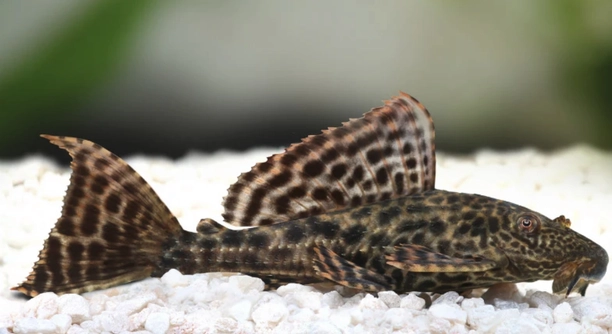
Feeding a pleco can be a rewarding experience, but it’s important to know when to avoid certain foods. Understanding what to feed and what to avoid is key to keeping your pleco healthy and happy.
Plecos are sensitive to certain types of food, and feeding them the wrong things can cause health problems. Some foods may be too rich, too hard to digest, or simply harmful, leading to stress and digestive issues.
Knowing when to skip specific foods will help you keep your pleco in the best condition possible. Continue reading to learn the most common mistakes and what to do to avoid them.
1. High-Protein Foods
Plecos are often associated with a love for high-protein foods, but giving them too much protein can be harmful. While they need protein for growth and development, an excess can lead to obesity, poor water quality, and internal issues. Foods such as shrimp, fish flakes, or worms should be offered in moderation. Overfeeding high-protein foods can also cause imbalances in the aquarium environment, as leftover food leads to harmful bacterial growth.
Overfeeding high-protein foods can also disrupt the pleco’s digestive system. The excess protein doesn’t always get fully processed, leading to undigested food in the tank. This can create problems with both the fish’s health and the water quality. By controlling the amount of protein you feed, you help ensure that your pleco gets the right nutrients without overloading their system.
It’s important to remember that plecos primarily consume algae and plant-based matter in the wild. Offering a well-balanced diet with vegetables, like zucchini or spinach, is better for their overall health. Keep a good balance of plant matter and protein for a healthy pleco.
2. Soft Vegetables
Though plecos do eat vegetables, it’s essential to offer the right kind. Soft vegetables like lettuce or tomatoes may seem like a good choice, but they aren’t ideal. These vegetables have too much water and not enough nutrients for plecos.
Soft vegetables may disintegrate quickly in the tank, leading to water contamination. They can also cause digestive upset in your pleco, affecting their ability to absorb necessary nutrients. Instead of soft vegetables, opt for firmer choices like zucchini, cucumber, or sweet potato. These are much more suitable for their digestive systems.
By choosing the right vegetables, you help ensure that your pleco stays healthy and that your tank stays cleaner. Avoiding soft vegetables keeps your aquarium water clear and your pleco thriving.
3. Processed Foods
Processed foods, like those meant for humans, can be harmful to plecos. They often contain preservatives, chemicals, and excess salt that are not suitable for fish. Feeding processed foods regularly can cause digestive problems and poor health. Always avoid offering snacks such as crackers, chips, or processed meats.
Plecos’ digestive systems are not designed for processed foods, and these can lead to problems like bloating and constipation. Over time, feeding processed foods can also weaken their immune system, making them more susceptible to diseases. Stick to natural, fish-appropriate foods to keep your pleco healthy.
If you want to add variety to their diet, focus on fresh vegetables and algae wafers designed specifically for plecos. These provide the essential nutrients without the harmful additives found in processed foods. Staying away from processed foods ensures that your pleco remains in top condition.
4. Frozen Foods
Frozen foods can sometimes seem like a good option for feeding your pleco. However, these foods may not provide the same nutritional benefits as live or fresh options. The freezing process can also reduce the overall quality of the food, leading to potential nutrient loss.
Feeding frozen foods also carries the risk of overfeeding, as these foods are often high in fats and proteins. Over time, this can lead to obesity or other health issues for your pleco. In addition, frozen foods may not be the most effective way to encourage natural foraging behavior.
Instead of relying on frozen foods, choose alternatives like fresh vegetables or algae. These offer better nutritional value, and they help simulate the natural feeding habits of plecos. By offering fresh, whole foods, you help maintain the health and activity of your pleco.
5. Dairy Products
Dairy products are not suitable for plecos. They lack the necessary nutrients for their diet and can upset their digestion. Feeding milk, cheese, or yogurt to your pleco can lead to bloating and other health issues. Always stick to water-based foods designed for fish.
Plecos are not equipped to process dairy. Introducing dairy products into their diet can cause serious digestive issues, as their bodies cannot break down lactose or other dairy components. This can result in gas, constipation, or other complications. For a healthy pleco, avoid dairy altogether.
A diet that includes algae and plant matter is more appropriate. These foods support their natural digestion and overall health.
6. Overfeeding
Overfeeding is one of the most common mistakes in pleco care. It can lead to obesity, poor water quality, and other health problems. Plecos are bottom feeders and will often eat more than they need if food is readily available.
To prevent overfeeding, control portion sizes and remove any uneaten food after a few hours. Excess food left in the tank can decay and harm the water quality. Regular water changes are also important to maintain a healthy environment for your pleco.
Monitor how much your pleco eats to avoid health complications. Feed them only what they can finish in a short time, keeping their diet well balanced. This will help prevent the problems caused by overfeeding.
7. High-Fat Foods
High-fat foods can be detrimental to your pleco’s health. Too much fat in their diet leads to obesity and can affect their liver and digestive system. Avoid feeding foods like fatty fish, oils, or fried snacks to your pleco.
Fats are difficult for plecos to process, and their body isn’t designed to handle them in large amounts. Long-term consumption of high-fat foods can lead to fatty liver disease, a serious condition that impacts their health. Stick to low-fat, nutrient-rich foods that are designed for plecos.
Offer vegetables, algae wafers, and other plant-based foods. These foods help maintain proper digestion and prevent obesity.
FAQ
Can I feed my pleco fruits?
Fruits are not the best choice for plecos. While some plecos may nibble on small amounts of fruit in the wild, it’s not a part of their natural diet. The high sugar content can upset their digestive system, leading to issues like bloating or diarrhea. Fruits like apples, bananas, or grapes may seem appealing, but they can throw off the nutritional balance. Stick to algae, vegetables, and specially formulated pleco food for a healthier diet.
Are plecos herbivores?
Yes, plecos are primarily herbivores. They mostly feed on algae, plant matter, and detritus found in their natural environment. While they may occasionally consume small insects or protein from the tank, their main source of nutrition comes from plants. Offering a variety of vegetables and algae wafers ensures your pleco gets the proper nutrients it needs. Avoid overfeeding protein-rich foods, as this can lead to health issues.
How often should I feed my pleco?
Plecos are bottom feeders and tend to nibble throughout the day. It’s best to feed them once or twice daily. Offer a small portion that they can finish in a short time. Any uneaten food should be removed after a few hours to prevent it from decomposing and affecting the water quality. Overfeeding can lead to poor water conditions and obesity, so keep an eye on how much your pleco eats.
Can I feed my pleco meat?
Meat is not a suitable food for plecos. While they may scavenge small bits of animal matter in the wild, their digestive systems are not designed to process meat. Feeding meat can lead to bloating, constipation, and other digestive problems. Stick to plant-based foods like algae, vegetables, and algae wafers. These foods are much better suited for your pleco’s health and well-being.
Should I feed my pleco algae wafers?
Algae wafers are an excellent choice for plecos. They are specifically designed to provide plecos with the nutrients they need, including fiber and essential vitamins. Algae wafers mimic the natural food sources plecos would encounter in the wild, ensuring they get a balanced diet. Offer these wafers alongside fresh vegetables to create a diverse and healthy feeding routine.
Can I feed my pleco cucumber?
Yes, cucumber is a great vegetable to feed your pleco. It’s rich in water and fiber, which helps with digestion. Slice the cucumber thinly or offer it in small chunks to avoid overfeeding. Just make sure to remove any uneaten pieces after a few hours to prevent them from rotting in the tank. Cucumber can be a refreshing and nutritious part of your pleco’s diet.
Why is my pleco not eating?
If your pleco isn’t eating, it could be due to a few factors. Stress, water quality issues, or changes in their environment can lead to a loss of appetite. Check the water parameters, such as pH, temperature, and ammonia levels, to ensure the tank is suitable for your pleco. It’s also possible that the food being offered isn’t to their liking. Try offering different types of vegetables or algae wafers to see if that encourages them to eat. If the problem persists, consider consulting a vet.
Can I feed my pleco spinach?
Spinach is a good food option for plecos. It’s high in fiber and contains essential nutrients like iron and calcium. Make sure to blanch the spinach before offering it to your pleco, as this makes it easier to digest. Remove any leftover spinach after a few hours to prevent it from decaying in the tank. As with other vegetables, spinach should be part of a varied diet that includes other plant-based foods.
Is it safe to feed my pleco zucchini?
Yes, zucchini is a great food choice for plecos. It’s high in nutrients and provides a good source of fiber, which aids in digestion. Zucchini is also soft and easy for plecos to nibble on. Cut the zucchini into small pieces or slices, and blanch it to make it more digestible. Always remove uneaten zucchini after a few hours to avoid water contamination. This vegetable is an excellent addition to your pleco’s diet.
How do I know if I’m feeding my pleco too much?
Overfeeding plecos can lead to obesity, poor water quality, and other health issues. One of the easiest ways to tell if you’re feeding your pleco too much is by observing the leftover food in the tank. If there’s food left after a few hours, it’s likely that you’re offering too much. Plecos typically eat what they need in a short amount of time, so offer small portions and monitor how much they eat. Regular water changes and removing uneaten food will also help prevent overfeeding problems.
Can I feed my pleco lettuce?
Lettuce isn’t the best option for plecos. While it may seem like a healthy choice, lettuce has a high water content and lacks the necessary nutrients to support a pleco’s health. It can also quickly wilt in the tank and cause water quality problems. If you want to offer leafy greens, opt for other vegetables like spinach, kale, or romaine lettuce, which are more nutrient-dense and provide better benefits for your pleco.
Final Thoughts
Feeding a pleco properly is crucial to its health and well-being. Plecos are primarily herbivores, so their diet should mainly consist of plant-based foods. Algae, vegetables like zucchini and cucumber, and specially formulated pleco food are the best options. Avoid feeding them meats, dairy products, or high-fat foods, as these can cause digestive issues and other health problems. It’s important to understand their natural diet to provide the proper nutrition.
Overfeeding can be just as harmful as underfeeding. Plecos are bottom feeders and tend to eat whatever food is available. If too much food is given, it can lead to poor water quality and obesity. Feeding them in small amounts once or twice a day is the best practice. Any uneaten food should be removed to keep the tank clean and healthy. Regular water changes and careful monitoring of their food intake will help maintain a healthy environment for your pleco.
Finally, remember that each pleco is different. Some may prefer certain vegetables or algae wafers over others. Observing your pleco’s eating habits will give you a better idea of what works best for them. Always adjust their diet as needed, and if you notice any health issues, consult a professional. With the right care and diet, your pleco can thrive and be a healthy addition to your aquarium.

Hello,
If you enjoy the content that we create, please consider saying a "Thank You!" by leaving a tip.
Every little bit helps us continue crafting quality advice that supports the health, happiness, and well-being of pets around the world, for pets of all shapes, sizes, and species.
We really appreciate the kindness and support that you show us!