
Adding a clownfish to your aquarium can be exciting, but it’s important to know when it’s not the right time. Clownfish need specific conditions to thrive and introducing them too soon can cause problems. This article will help you recognize those moments.
There are several situations when adding a clownfish should be avoided, such as when your tank is new, water parameters are unstable, or when other fish may pose a threat. Ensuring the right environment protects both the clownfish and your existing aquatic life.
Knowing when to wait can save you from stress and loss. These insights will help you care for your clownfish properly from the start.
When Your Tank Is New
Starting a new aquarium is exciting, but it’s not the best time to add a clownfish. A new tank needs several weeks to cycle and establish stable water conditions. During this time, beneficial bacteria grow to help break down waste and keep the water clean. Adding a clownfish too early can expose it to harmful levels of ammonia and nitrites. These toxins can cause stress or illness, making it harder for the fish to survive. It’s important to wait until the tank is fully cycled, usually about 4 to 6 weeks. You can test the water regularly for ammonia, nitrites, and nitrates to know when it’s safe. Patience here will protect your clownfish and create a healthier environment for all aquatic life. Taking the time to prepare will pay off with a stronger, happier fish in the long run.
Avoid rushing to add fish before the tank is stable, even if it feels ready.
Proper cycling supports fish health and tank balance. Knowing when to add your clownfish keeps your aquarium thriving and reduces stress for everyone involved.
When Water Parameters Are Unstable
Unstable water conditions can stress clownfish and cause health problems. Regular testing is essential to ensure parameters like pH, temperature, ammonia, nitrites, and nitrates are within safe ranges. Sudden changes in these factors make the tank unsafe. Fish exposed to fluctuating or poor water quality become vulnerable to disease. Clownfish prefer water with a stable pH between 7.8 and 8.4 and temperature around 74–79°F (23–26°C). Maintaining these consistently is key to their well-being. Avoid adding clownfish if your water tests show irregular or dangerous levels. Adjustments should be made slowly and carefully to avoid shocking the fish. Regular water changes, proper filtration, and monitoring help keep water stable. Ensuring this stability before adding a clownfish reduces risks and supports their long-term health in your aquarium.
When You Have Aggressive Tank Mates
Aggressive fish can harm or stress clownfish, making it unsafe to add them to the tank. Avoid introducing clownfish if you notice territorial or aggressive behavior from existing fish.
Aggressive tank mates often chase or nip at clownfish, which can lead to injury or constant stress. Clownfish are generally peaceful but will defend themselves if needed, which can create ongoing conflicts. These battles can cause physical damage or weaken their immune systems, making them more prone to disease. If your current fish display aggression, it’s better to address their behavior or separate the tank inhabitants before adding a clownfish.
Keeping peaceful tank mates ensures a safer environment for clownfish. Incompatible fish species can ruin the harmony of your aquarium. Researching compatibility helps prevent future problems and creates a balanced community tank where clownfish can thrive without fear or stress.
When There Is No Suitable Anemone
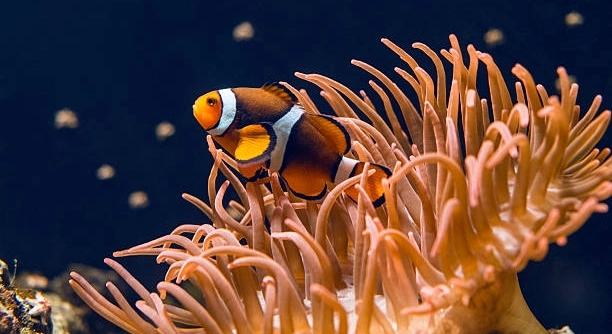
Clownfish often live with sea anemones, which provide shelter and protection. Without an anemone, clownfish can feel vulnerable and less secure in the tank.
Many clownfish species form strong bonds with specific anemones, which offer hiding spots and safety from predators. Without this natural shelter, clownfish may become stressed or hide more, affecting their behavior and health. While clownfish can survive without anemones in captivity, providing one closer to their natural environment helps reduce stress and supports natural behaviors. It is essential to choose an anemone species compatible with your tank size and water conditions. Ensure the anemone is healthy and properly placed, as they require stable lighting and water parameters to thrive. Adding a clownfish without an anemone may be possible but is less ideal for their comfort and well-being.
When Your Filtration Is Inadequate
A weak filtration system can’t keep the water clean enough for clownfish. This leads to poor water quality and health risks.
Clownfish produce waste that needs proper filtration to avoid toxic buildup. Without adequate filtration, ammonia and nitrite levels rise quickly, which are harmful to fish.
When You Lack Proper Lighting
Proper lighting is important for clownfish health and their tank environment. Light affects fish behavior and supports the growth of any live plants or anemones.
Without good lighting, clownfish may become less active and stressed. Anemones especially need stable light to thrive and provide shelter. Ensuring you have suitable lighting helps maintain a healthy and balanced tank.
When You’re Not Ready for Maintenance
Adding clownfish means regular cleaning and water testing. Neglecting maintenance leads to poor conditions that harm fish.
When Your Tank Size Is Too Small
Clownfish need enough space to swim and establish territories. A small tank limits their movement and causes stress.
FAQ
Why shouldn’t I add a clownfish to a new tank?
New tanks need time to establish beneficial bacteria that keep water safe. Without this cycle, harmful chemicals like ammonia and nitrites build up quickly, which can harm or kill clownfish. Waiting 4 to 6 weeks ensures the tank is stable and ready.
How do I know if my water parameters are stable enough for clownfish?
Use a reliable test kit to check ammonia, nitrites, nitrates, pH, and temperature regularly. Safe ranges for clownfish are ammonia and nitrites at zero, nitrates under 20 ppm, pH between 7.8 and 8.4, and temperature around 74–79°F (23–26°C). Stability over several days means your tank is ready.
What types of fish are aggressive toward clownfish?
Large, territorial fish like some tangs, damselfish, or triggerfish may bully clownfish. Aggressive behavior includes chasing, nipping, or guarding territory fiercely. This stress can cause injury or illness in clownfish, so it’s best to keep peaceful species together.
Can clownfish live without an anemone?
Yes, clownfish can survive without an anemone in captivity, but it is not ideal. Anemones offer shelter and comfort that help reduce stress and promote natural behavior. Without one, clownfish might hide more or act nervous. Providing a healthy anemone improves their well-being.
What happens if my filtration system is too weak?
Weak filtration fails to remove fish waste and toxins effectively. This leads to poor water quality, which can cause illness or death in clownfish. Proper filtration keeps ammonia and nitrites at safe levels and maintains overall water clarity and health.
How important is lighting for clownfish and their tank?
Lighting affects both clownfish and any live organisms like anemones or plants in the tank. Proper lighting encourages natural behavior and supports anemone health. Insufficient light can stress fish and cause anemones to weaken or die, removing their shelter benefits.
How often should I maintain my tank when I have clownfish?
Regular maintenance is crucial. Weekly partial water changes of 10-20% keep water clean. Check parameters frequently and clean filters as needed. Neglecting maintenance quickly leads to poor water quality and unhealthy conditions for clownfish.
What is the minimum tank size for clownfish?
A tank of at least 20 gallons is recommended for one or two clownfish. Smaller tanks limit swimming space and increase stress. More space allows clownfish to establish territories and reduces aggression or stress-related behaviors.
Can I add a clownfish to a tank with other species?
Yes, but compatibility matters. Choose peaceful, non-aggressive species that tolerate similar water conditions. Avoid species known for bullying or preying on clownfish. Researching community tank options helps create a balanced environment.
What signs show my clownfish is stressed or unhealthy?
Watch for hiding, loss of appetite, faded colors, rapid breathing, or erratic swimming. These signs indicate stress or illness often caused by poor water conditions, aggressive tank mates, or lack of shelter. Acting quickly can prevent worsening problems.
Is acclimating clownfish to a new tank important?
Yes, acclimation reduces shock from changes in water chemistry and temperature. Slowly introducing clownfish by floating their bag in the tank and gradually mixing tank water helps them adjust and reduces stress-related illness.
Can I keep multiple clownfish together?
Yes, but space and compatibility are key. Some clownfish species are territorial and may fight in small tanks. Providing enough room and hiding places helps reduce conflicts. Keeping pairs or small groups in larger tanks is usually best.
How do I introduce a clownfish safely to my tank?
First, ensure the tank is cycled and stable. Acclimate the fish slowly to your water. Remove aggressive fish or separate them temporarily if needed. Add the clownfish during calm times, and monitor interactions closely for any signs of stress or bullying.
What should I feed my clownfish?
Clownfish eat a varied diet including high-quality pellets, flakes, frozen or live foods like brine shrimp or mysis shrimp. Feeding small amounts 2–3 times daily keeps them healthy and active. Avoid overfeeding to maintain water quality.
How long do clownfish typically live in home aquariums?
With proper care, clownfish can live 6 to 10 years or more. Stable water conditions, good nutrition, and a peaceful environment contribute to their longevity. Regular maintenance and observation help keep them healthy over time.
When it comes to adding a clownfish to your aquarium, timing and preparation are very important. Rushing to add a clownfish before your tank is ready can cause stress and health problems for the fish. Ensuring your tank is fully cycled, water parameters are stable, and the environment is safe will help your clownfish settle in comfortably. Taking the time to prepare your tank properly is a key step to creating a healthy and happy home for your new pet.
Clownfish have specific needs that should be respected to avoid problems. Aggressive tank mates, poor filtration, and lack of proper lighting can all harm clownfish. It is important to research and understand these needs before adding clownfish to your aquarium. A suitable tank size and a peaceful community of fish make it easier for clownfish to thrive. When possible, providing an anemone helps mimic their natural habitat and gives them a place to hide and feel safe.
Maintaining your aquarium regularly and monitoring water quality are ongoing tasks that should not be overlooked. Clownfish require clean, stable water to stay healthy and active. Patience and care during the early stages will save you from trouble later on. By following the right steps and knowing when not to add a clownfish, you can enjoy watching your fish grow and live a long, healthy life in your tank.

Hello,
If you enjoy the content that we create, please consider saying a "Thank You!" by leaving a tip.
Every little bit helps us continue crafting quality advice that supports the health, happiness, and well-being of pets around the world, for pets of all shapes, sizes, and species.
We really appreciate the kindness and support that you show us!