
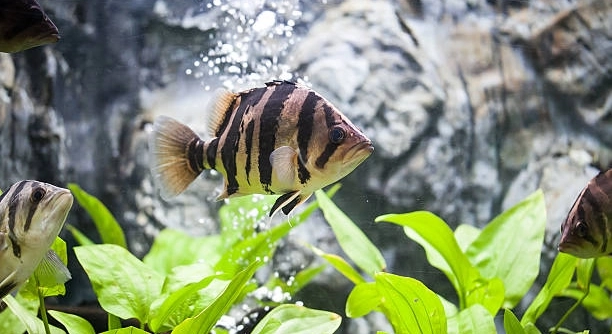
Tiger barbs are popular freshwater fish known for their lively behavior and striking colors. Many fishkeepers enjoy their energy but also face challenges in keeping them peaceful in community tanks. Knowing when to separate tiger barbs can help maintain a healthy environment.
Tiger barbs should be separated in specific situations such as when they display aggressive behavior, when injured, during breeding periods, if overcrowded, when introducing new fish, if stressed by illness, or when size differences cause bullying. These measures help reduce harm and maintain tank balance.
Recognizing these key moments ensures your tiger barbs stay healthy and your aquarium peaceful over time.
Aggressive Behavior Among Tiger Barbs
Tiger barbs are known to be semi-aggressive fish. They often nip at fins or chase other tank mates, especially when they feel crowded or stressed. This behavior can lead to injuries and even death if left unchecked. Separating aggressive individuals can help calm the tank and protect weaker fish. Aggression is often triggered by competition for food, territory, or mates. It is important to monitor your fish regularly and notice signs of bullying, such as torn fins or constant chasing. Keeping tiger barbs in groups of six or more usually helps reduce aggression, but sometimes separation becomes necessary for the safety of all fish.
Separating aggressive tiger barbs prevents injury and promotes a healthier tank environment for all inhabitants.
By understanding their behavior, you can decide when to move aggressive fish to another tank. This action gives them time to calm down and reduces stress for everyone. Temporary separation during aggressive outbreaks helps maintain peace. Keeping an eye on group size, tank space, and hiding spots also lowers aggression risks, making your aquarium more balanced.
Injured Tiger Barbs Need Space
When a tiger barb is injured, separating it from others is essential. Injured fish are vulnerable to attacks or infections. Isolating them gives time to heal without further stress. This space should have clean water and proper care for recovery.
During Breeding Periods
Separating tiger barbs during breeding helps protect both the parents and the fry. It prevents aggression and increases the chances of survival for the young fish.
Breeding tiger barbs can cause increased aggression as males compete for females. Keeping them in a separate breeding tank reduces stress and fighting. The parents often become territorial and may attack other fish or even their own fry. Isolating the breeding pair ensures they have enough space and a safe environment to reproduce. After the eggs hatch, removing the adults is necessary to prevent them from eating the fry.
A separate breeding tank with proper filtration and hiding places helps the fry grow strong without the risk of being harmed. It also allows better control over water conditions, which is vital for successful breeding and healthy young fish.
Overcrowding Issues
Too many tiger barbs in one tank causes stress and increases fighting. Space is important for their well-being and peaceful behavior.
Overcrowding limits swimming space and causes competition for food and hiding spots. This can lead to constant chasing and fin nipping. When fish don’t have enough room to escape or rest, their health quickly declines. It’s important to keep tank size appropriate for the number of fish. A good rule is at least 10 gallons per tiger barb. If the tank becomes overcrowded, separating some fish into another tank is necessary to reduce stress and aggression. This separation helps improve water quality, too, as fewer fish produce less waste, making the environment healthier for everyone. Proper stocking ensures your tiger barbs remain active, colorful, and less aggressive.
Introducing New Fish
New tiger barbs can cause tension in an established tank. Separating them at first helps avoid fights.
A quarantine tank allows new fish to adjust and shows any signs of illness before mixing with others. This reduces stress and prevents disease spread.
Stress From Illness
Sick tiger barbs need to be isolated quickly. Stress lowers their immune system and can worsen their condition.
Separating ill fish helps monitor their health closely and prevents infections from spreading to healthy tank mates.
Size Differences
Large tiger barbs can bully smaller ones. Separating fish by size keeps everyone safer and less stressed.
How do I know when my tiger barbs are being too aggressive?
Aggressive behavior in tiger barbs shows up as constant chasing, nipping fins, and fighting. Look for torn or ragged fins on other fish or signs of stress like hiding and loss of appetite. If aggression lasts for long periods, it may harm your fish’s health and cause injuries. Keeping an eye on their interactions daily helps spot trouble early. If one or more tiger barbs are causing repeated problems, separating them or adjusting the tank setup is necessary to restore balance.
What is the best way to separate aggressive tiger barbs?
The best method is to use a separate tank or a temporary tank divider inside the main aquarium. A divider lets fish see each other but prevents physical harm. For long-term separation, moving aggressive individuals to another tank reduces stress and protects weaker fish. Make sure the separate area has similar water conditions and hiding places. This keeps fish calm and helps maintain their health during the separation period.
How long should I keep tiger barbs separated during breeding?
Usually, tiger barbs need to be separated for several weeks during breeding and fry growth. After spawning, parents may eat the eggs or fry, so removing the adults is important once eggs hatch. The fry should stay in the breeding tank until they are large enough to join the main tank, typically 4 to 6 weeks. During this time, maintain clean water and provide plenty of small hiding spots to improve survival rates.
Can overcrowding cause permanent damage to tiger barbs?
Yes, overcrowding can cause long-lasting harm. Stress from too many fish in a small space weakens their immune systems, making them prone to diseases. Constant fighting and limited swimming space can also stunt growth and lead to injuries. Overcrowding affects water quality, increasing toxins and reducing oxygen levels, which is dangerous for all tank inhabitants. Keeping an appropriate number of tiger barbs per tank size is crucial to avoid these problems.
Is it okay to mix tiger barbs with other fish species?
Tiger barbs can be mixed with other fish, but caution is needed. They have a semi-aggressive nature and tend to nip fins, especially on slow-moving or long-finned fish. Suitable tank mates include fast, similarly sized fish that can handle some chasing. Avoid slow or delicate species to reduce stress and injury. Providing plenty of space, hiding places, and keeping tiger barbs in groups of six or more helps keep aggression lower and improves harmony.
How should I care for an injured tiger barb in isolation?
Place the injured fish in a clean quarantine tank with stable water conditions matching the main tank. Use a gentle filtration system and maintain good water quality by changing water regularly. Add aquarium salt if appropriate to help prevent infection and promote healing. Avoid overcrowding the quarantine tank and provide hiding spots for comfort. Feed the injured fish nutritious food in small amounts and monitor its progress daily until fully recovered.
What signs indicate a tiger barb is stressed or sick?
Signs of stress or illness include loss of appetite, lethargy, faded colors, clamped fins, and unusual swimming patterns like floating near the surface or hiding constantly. Physical symptoms such as white spots, torn fins, swollen body parts, or labored breathing also indicate health issues. Stress weakens the immune system and makes fish vulnerable to diseases. Early detection and isolation of sick fish can prevent outbreaks and help with quicker recovery.
Why do size differences matter in a tiger barb tank?
Size differences create a hierarchy where bigger tiger barbs may bully smaller ones, chasing and nipping to establish dominance. This can cause injury and stress to smaller fish, making them less healthy and more likely to hide or refuse food. Separating fish by size or ensuring all tiger barbs grow at a similar pace helps reduce bullying. Providing plenty of hiding places also allows smaller fish to escape and lowers tension within the tank.
How can I reduce aggression without separating tiger barbs?
Increasing tank size and adding plants or decorations can create more space and hiding spots, which helps reduce aggression. Keeping tiger barbs in larger groups of at least six spreads out aggressive behavior, making it less focused on one fish. Feeding regularly and evenly reduces competition. Avoid sudden changes in environment or overcrowding. These steps promote a calmer tank atmosphere, but separation may still be necessary if aggression remains severe.
What should I do if separation is not possible?
If a separate tank is not an option, use tank dividers or rearrange decorations to create physical barriers within the main tank. This gives aggressive fish less chance to chase others. Increase water changes and monitor water quality closely to reduce stress factors. Adjust the number of tiger barbs to prevent overcrowding. Observing your fish frequently will help you intervene quickly if aggression worsens. Balancing these factors can sometimes maintain peace without full separation.
When keeping tiger barbs, understanding when to separate them is important for a healthy tank. These fish are lively and sometimes aggressive, so giving them space when needed can prevent injuries and stress. Separating tiger barbs isn’t always a sign of failure; it’s a way to protect your fish and keep the aquarium balanced. Whether during breeding, illness, or overcrowding, a little extra care goes a long way in helping your fish thrive.
Separation can help control aggression, especially if some tiger barbs are bullying others or if they are injured. It also improves the chances of survival for baby fish during breeding. Stress is a big factor in fish health, so providing a calm environment by separating aggressive or sick fish supports their recovery. A separate tank or divider allows fish to adjust and heal safely. This attention to their needs helps keep your aquarium peaceful and enjoyable to watch.
Overall, maintaining the right conditions and watching your fish closely makes a big difference. Proper tank size, group numbers, and hiding spots reduce the need for separation. But when necessary, separating tiger barbs is a useful tool to protect their health and wellbeing. By knowing when and how to separate them, you create a better home for your fish, ensuring they stay active, colorful, and happy for a long time.

Hello,
If you enjoy the content that we create, please consider saying a "Thank You!" by leaving a tip.
Every little bit helps us continue crafting quality advice that supports the health, happiness, and well-being of pets around the world, for pets of all shapes, sizes, and species.
We really appreciate the kindness and support that you show us!