
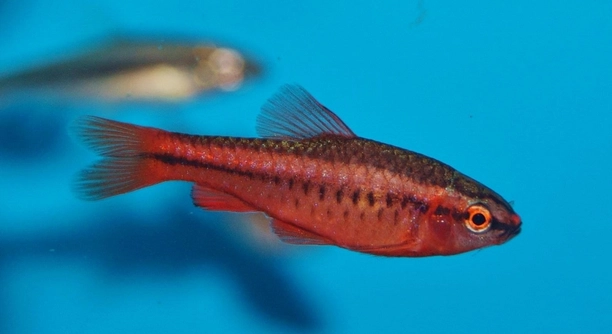
Cherry barbs are small, colorful fish that make great additions to aquariums. However, there are times when separating them becomes necessary for their well-being and the health of your tank. Here are some situations to consider.
Cherry barbs should be separated when they show signs of aggression, breeding, illness, or stress. Overcrowding, territorial disputes, or poor water quality can lead to these issues, making it important to monitor their behavior and separate them when needed.
Understanding when to separate cherry barbs is crucial for maintaining harmony in your aquarium. This guide will provide insights on the factors to watch for and how to act accordingly.
Aggression and Territorial Behavior
Cherry barbs are known for their peaceful nature, but they can sometimes become aggressive, especially during breeding periods or when they feel their territory is being threatened. Males, in particular, can display dominance over other males, often causing stress and injury. If aggression becomes evident, separating the aggressive fish is crucial to prevent harm to the rest of the aquarium. Territorial disputes may also arise if there isn’t enough space in the tank, prompting certain fish to claim areas as their own. In these cases, a simple rearrangement of the tank or adding more hiding spaces can help reduce stress. However, separating the more dominant fish remains the best solution for maintaining peace.
While adding hiding spots can reduce tension, separating overly aggressive cherry barbs may be necessary for their health and the safety of other tank mates. Monitor their behavior closely, especially during mating seasons when aggression spikes.
Stress caused by aggression can lead to health problems. It’s vital to address these signs early, ensuring a peaceful environment for all your fish.
Illness or Injury
If you notice a cherry barb showing signs of illness, such as discoloration, lethargy, or lesions, it’s time to separate them from the rest of the tank. Illness can spread quickly among fish, and isolating the sick one helps prevent outbreaks. Often, fish need a quiet space to recover and avoid stress that may worsen their condition.
When a cherry barb is ill, water quality and proper treatment are key. Quarantining them allows for better care and minimizes the risk to other fish. A separate tank with optimal water conditions can promote quicker recovery.
Keeping sick fish away from healthy ones is essential for maintaining a balanced aquarium. Regular monitoring and swift action when illness strikes can save your fish from further harm.
Breeding Behavior
During breeding, male cherry barbs become more territorial and competitive, often displaying aggressive behavior toward other males. This can lead to stress for the female and the other fish in the tank. If this behavior persists, it’s best to separate the males from the females to ensure a more peaceful environment.
Creating a separate breeding tank for cherry barbs is an excellent way to prevent unnecessary aggression. This also ensures that the female is not harassed, giving her a chance to reproduce without the constant stress of males fighting for attention. In a controlled space, you can also monitor the spawning process.
When breeding behavior becomes excessive, it’s not just about aggression but also about protecting the overall health of the fish. A separate space ensures that both male and female cherry barbs have the opportunity to thrive during the breeding process without risking their well-being.
Water Quality and Stress
Poor water quality is one of the most common reasons fish experience stress. Cherry barbs are particularly sensitive to changes in water parameters like pH, temperature, and ammonia levels. If you notice stress behaviors, such as hiding or rapid gill movement, check the water quality immediately.
If the water quality does not improve quickly, separating the cherry barbs from the tank may be necessary. This ensures they are not exposed to harmful conditions that could cause long-term damage. A separate quarantine tank with the right parameters can provide a safe space for the fish until the main tank’s conditions stabilize.
Cherry barbs thrive in stable environments, and water quality plays a huge role in their overall health. Regular water tests and proper filtration are essential in maintaining a stress-free environment. If things go wrong, removing the affected fish and correcting water issues is vital to keeping the tank balanced.
Overcrowding
Overcrowding can cause stress and make cherry barbs feel trapped. When fish are packed too closely, they can become territorial and more prone to aggression. A crowded tank also makes it harder for each fish to establish its own space, leading to frequent disputes.
If overcrowding is causing issues, removing some fish and providing more space is the best solution. Giving the remaining cherry barbs ample space will help reduce stress and aggression, allowing them to thrive in a healthier environment. It’s important to always consider the recommended tank size for your fish.
Tank Mates
While cherry barbs are generally peaceful, they can become stressed by overly aggressive tank mates. Aggression can lead to injury and stress-related health issues, so carefully choosing tank mates is important. Fish like fin nippers or overly active species can cause anxiety for cherry barbs.
Always ensure that tank mates are compatible in terms of size, temperament, and environmental needs. If aggression from other fish becomes an issue, separating the cherry barbs is the best option to ensure their safety and well-being. This allows the cherry barbs to live peacefully without the threat of injury or stress.
FAQ
How do I know if my cherry barb is stressed?
Stress in cherry barbs can be identified through a few behavioral signs. You may notice them hiding more than usual, darting around the tank, or even rubbing against objects. If they seem to be gasping at the surface or swimming erratically, it could indicate that something is wrong. Changes in color, loss of appetite, or the development of lesions or fins clamped close to their body are also common stress indicators. Monitoring their behavior and water conditions can help you address stress early.
How can I reduce aggression in cherry barbs?
Aggression in cherry barbs is often linked to overcrowding or a lack of space. To reduce aggression, ensure your tank has enough space for each fish to claim its territory. Providing plenty of hiding places and plants can help minimize conflicts. Also, avoid keeping too many males in a small tank, as they can become more territorial. If aggression persists, separating the aggressive fish into a different tank can help restore peace.
What size tank do cherry barbs need?
Cherry barbs are small fish, but they still require adequate space. A minimum of a 20-gallon tank is recommended for a small group of cherry barbs. The tank should be long rather than tall, as they tend to swim more horizontally. If you plan to keep them with other species, you’ll need a larger tank to ensure everyone has enough space to thrive. Ensuring proper filtration and regular water changes will also help maintain a healthy environment for your cherry barbs.
Can cherry barbs live with other fish?
Yes, cherry barbs are peaceful and can live with many other species, provided those species are also non-aggressive. Good tank mates for cherry barbs include other peaceful barbs, tetras, guppies, and some species of rasboras. However, it’s important to avoid keeping them with larger, more aggressive fish that may bully or harm them. Be sure to match tank mates that require similar water conditions to prevent stress and ensure all fish remain healthy.
What should I feed my cherry barbs?
Cherry barbs are omnivores, so they will eat a variety of foods. A balanced diet consisting of high-quality flake food, frozen or live foods (like brine shrimp, daphnia, or bloodworms), and occasional plant matter is ideal. You can also supplement their diet with vegetable-based foods such as spinach or zucchini. Be mindful not to overfeed, as uneaten food can lead to water quality issues. Feed them small amounts twice a day to ensure they get the proper nutrients without polluting the tank.
Do cherry barbs need a specific water temperature?
Cherry barbs prefer a water temperature between 72°F and 79°F (22°C to 26°C). This temperature range supports their natural metabolism and breeding behavior. If the temperature is too low or too high, cherry barbs may become stressed or inactive, affecting their overall health. Maintaining a stable temperature with a good heater is crucial, especially in colder climates or during seasonal changes.
How can I tell if my cherry barb is sick?
Sick cherry barbs may show several signs, including lethargy, loss of color, abnormal swimming, or clamped fins. If your fish is refusing food, has visible lesions, or is swimming near the surface, it may be ill. Check the water quality first, as poor conditions are often the cause of illness. If symptoms persist, separating the sick fish into a quarantine tank and treating them with appropriate medication is advisable.
Can cherry barbs breed in a community tank?
Yes, cherry barbs can breed in a community tank, but it’s not always easy to see. They often breed in the early morning or late evening and may spawn in areas with dense plants or other hiding spots. The male will display vibrant colors to attract the female, who will then lay eggs in the plants. The eggs usually hatch in about 24 to 48 hours. However, it’s important to note that other fish may eat the eggs if left unattended, so setting up a separate breeding tank or removing eggs to a protected space can improve the chances of successful breeding.
Do I need to separate the males and females for breeding?
You don’t necessarily need to separate male and female cherry barbs for breeding, but it can be beneficial. During breeding season, males may become aggressive towards each other. If you’re not prepared for the aggressive behavior or want to prevent stress for the female, it’s a good idea to move one or more of the males to a different tank. However, if the tank has enough space and hiding spots, the fish may breed without issue. Ensure the water conditions are optimal to encourage breeding.
What is the lifespan of a cherry barb?
Cherry barbs typically live for about 3 to 5 years, depending on their care and the environment. Good water quality, a balanced diet, and regular maintenance are key factors in ensuring they reach their maximum lifespan. While they are relatively hardy fish, poor conditions can shorten their life expectancy. Keep their tank clean, maintain stable water parameters, and monitor them regularly for signs of stress or illness to ensure a long, healthy life.
How often should I clean the tank?
Regular tank maintenance is essential to keep cherry barbs healthy. Perform partial water changes of about 25-30% every two weeks. In addition, clean the filter monthly and remove any debris or uneaten food. Keeping the tank free of excess waste will improve water quality and reduce the risk of disease. If you notice cloudy water or algae growth, increase the frequency of water changes to maintain clarity and health. Regular monitoring is essential to prevent potential problems before they affect your fish.
Can cherry barbs live in cold water?
Cherry barbs prefer warm water, so keeping them in cold water is not recommended. They are tropical fish, thriving in temperatures between 72°F and 79°F. Cold water conditions can cause them to become sluggish and stressed, potentially leading to health issues. If you live in a cooler climate, make sure to use an aquarium heater to maintain a stable temperature for your cherry barbs. Keeping them in a warmer environment ensures they stay active, healthy, and stress-free.
Final Thoughts
Cherry barbs are generally peaceful and low-maintenance fish, making them a great addition to many home aquariums. Their vibrant colors and active behavior bring life to any tank, and their easygoing nature allows them to coexist with other non-aggressive species. They are hardy and adaptable, which means they can thrive in a variety of tank setups as long as their basic needs are met. Proper care, such as maintaining water quality, providing adequate space, and feeding a balanced diet, is essential for keeping cherry barbs healthy.
While cherry barbs are relatively easy to care for, there are still important factors to consider when keeping them. Overcrowding, poor water quality, or incompatible tank mates can cause stress, which leads to health problems. Therefore, it is important to keep their environment stable and comfortable. Regular tank maintenance, such as water changes and filtration, should not be overlooked. Additionally, providing hiding spots and plants will help reduce stress and allow your cherry barbs to thrive.
Overall, with the right care, cherry barbs can be a colorful and lively addition to your aquarium. By keeping a close eye on their behavior and environment, you can ensure they remain healthy and happy. These small fish are an excellent choice for both beginners and experienced aquarium owners who are looking for a peaceful, beautiful species to add to their tank.

Hello,
If you enjoy the content that we create, please consider saying a "Thank You!" by leaving a tip.
Every little bit helps us continue crafting quality advice that supports the health, happiness, and well-being of pets around the world, for pets of all shapes, sizes, and species.
We really appreciate the kindness and support that you show us!