
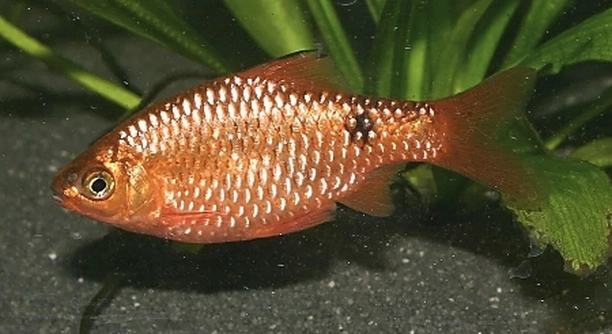
Rosy barbs are colorful freshwater fish that many people enjoy keeping in home aquariums. Feeding them the right food is important to keep them healthy and active. However, there are certain times when feeding them is not a good idea.
Feeding rosy barbs at inappropriate times can lead to digestive problems, water quality issues, and overall stress. Avoid feeding them when the tank water is cold, right after cleaning, or if they show signs of illness to maintain their well-being and environment.
Knowing when not to feed your rosy barb helps protect both the fish and your aquarium. This article will explain seven specific situations to watch out for.
When the Water Temperature Is Too Low
Rosy barbs are tropical fish that prefer warm water, usually between 74°F and 79°F. Feeding them when the water is too cold can cause problems because their digestion slows down. If you feed them in cold water, the food might not get digested properly and could decay in the tank. This decay can lower water quality, which harms your fish. It’s better to wait until the tank warms up to the right temperature before feeding. If your aquarium heater is off or broken, skip feeding until the water is warm again. Keeping an eye on water temperature helps avoid unnecessary health issues for your rosy barbs. Feeding at the right time supports their energy and growth in a healthy way.
Avoid feeding your rosy barbs if the water temperature falls below 70°F.
Feeding fish in cold water is risky because their metabolism drops. When the temperature is too low, their digestive system slows down, and uneaten food may stay in the tank longer. This leftover food decomposes and causes water pollution. Poor water conditions can lead to stress and disease in rosy barbs. To keep your fish healthy, feed only when the water temperature is stable and within the recommended range. Monitoring tank temperature regularly helps prevent feeding at wrong times. This simple step protects your fish and keeps the tank clean and safe for them to thrive.
Right After Tank Cleaning
It might seem natural to feed your rosy barbs immediately after cleaning their tank, but this is not a good time. After a water change or cleaning, the fish might be stressed. Feeding right away can cause leftover food to pollute the freshly cleaned water. Fish also need time to adjust to the changed environment before digesting food. Waiting at least 30 minutes before feeding lets the water settle and the fish calm down. This helps keep the tank clean and your fish healthy. Feeding too soon after cleaning can harm both water quality and your fish’s digestion. It’s better to be patient and wait for the right moment to feed.
When Rosy Barbs Are Sick
Feeding rosy barbs when they are sick can make their condition worse. Their bodies need rest to heal, not extra food to digest.
Ill fish have weaker digestive systems, so feeding them can cause leftover food to rot in the tank. This rotting food lowers water quality, which adds stress to the fish. It is best to withhold food for a day or two when your rosy barb shows signs of illness like lethargy, loss of appetite, or unusual swimming patterns. Once they start to improve, gradually reintroduce small amounts of food to avoid overloading their system.
Skipping food during sickness helps your rosy barbs recover faster and keeps the aquarium clean. Overfeeding sick fish may delay healing and increase the risk of secondary infections. Keeping the environment stable and clean supports their immune system better than feeding when they don’t feel well. Patience during this time will benefit your fish in the long run.
Feeding Before Lights Are Turned On
Feeding rosy barbs before the aquarium lights come on is not ideal. Fish rely on light to know when to be active, and feeding in the dark can confuse their natural routine. They may eat less or become stressed, which affects their health and digestion.
Fish have internal clocks that help regulate their feeding times. When you feed before the lights are on, the fish might not be ready to eat, leading to uneaten food that pollutes the tank. This buildup can increase harmful bacteria and ammonia levels. Feeding after lights come on helps maintain a clean tank and healthy fish. It also promotes regular feeding habits, making your rosy barbs more comfortable and active during the day. Being consistent with feeding times creates a better environment for them to thrive.
After Adding New Fish to the Tank
Feeding right after adding new fish can increase stress for both the new and existing rosy barbs. It’s better to let them settle first.
New fish need time to adjust to their surroundings before dealing with food. Feeding too soon may cause fights or uneaten food that harms water quality.
During Water Changes
Water changes can disturb the tank environment, causing stress to your rosy barbs. Avoid feeding during or immediately after the process.
Feeding during water changes can lead to uneaten food settling on the bottom, reducing water quality. Waiting allows your fish to calm down and the water to stabilize.
When the Fish Show Signs of Stress
If your rosy barbs seem restless, hiding, or swimming erratically, they are stressed. Feeding during this time is not recommended.
Stress affects their appetite and digestion. Give them time to calm before offering food again.
How often should I feed my rosy barbs?
Feeding rosy barbs once or twice a day is usually enough. Overfeeding can cause water pollution and health issues. Give them only as much food as they can eat in about two minutes. Watching how much they eat helps you avoid leftover food that can harm the tank environment.
What type of food is best for rosy barbs?
A balanced diet of flakes, pellets, and occasional live or frozen foods like brine shrimp or bloodworms works well. This mix provides necessary nutrients to keep them healthy and colorful. Avoid feeding too many high-fat or heavy foods, which can cause digestive problems.
Can rosy barbs eat human food?
It’s best to avoid feeding human food to rosy barbs. Many human foods contain ingredients that fish cannot digest or that may pollute the water. Stick to foods made specifically for fish to keep them safe and healthy.
Is it okay to skip feeding my rosy barbs once in a while?
Yes, skipping feeding once in a while won’t harm rosy barbs. In fact, giving them a fasting day can help clear their digestive systems. This practice also reduces the risk of overfeeding and keeps the tank cleaner.
What signs show that my rosy barb is overfed?
If you notice leftover food in the tank or cloudy water, it might mean you are overfeeding. Fish may also appear bloated or less active. Adjust the amount you feed and clean the tank regularly to avoid these problems.
Can feeding rosy barbs too much cause disease?
Overfeeding can lead to water quality problems, which increases the risk of diseases. Excess food decomposes and raises harmful chemicals like ammonia. Poor water quality weakens the fish’s immune system, making them more likely to get sick.
Should I feed rosy barbs differently depending on their size?
Yes, younger rosy barbs need smaller amounts of food and more frequent feedings than adults. Smaller fish have faster metabolisms and grow quickly. Adjust the portion size and frequency to meet their changing needs.
What happens if I feed rosy barbs at the wrong times?
Feeding at the wrong times can confuse their natural routines and cause stress or poor digestion. It may also lead to leftover food polluting the tank. Feeding during stable conditions helps maintain healthy fish and clean water.
Can rosy barbs eat plants from the aquarium?
Rosy barbs sometimes nibble on soft plants, but this should not replace their regular diet. Excessive plant eating can damage the aquarium setup. Providing enough proper food reduces their interest in plants.
How do I know when my rosy barbs are hungry?
Hungry rosy barbs will swim actively near the surface or where you usually feed them. They may also show interest in movement around the tank. However, avoid feeding every time they show activity to prevent overfeeding.
Is it okay to feed rosy barbs leftovers from other fish?
Feeding leftovers from other fish can be risky because different species have different dietary needs. It’s best to provide food made for rosy barbs to ensure they get the right nutrients.
Can feeding frequency affect the water quality?
Yes, feeding too often or giving too much food leads to uneaten leftovers, which degrade water quality. This increases waste and toxins that harm the fish. Feeding the right amount at proper intervals keeps the tank balanced and safe.
How long can rosy barbs go without food?
Rosy barbs can survive for several days without food but should not be starved regularly. Occasional fasting days can be healthy, but long-term lack of food causes weakness and health problems.
What should I do if my rosy barb refuses to eat?
If your fish stops eating, check water conditions, temperature, and signs of illness. Stress or poor water quality often causes loss of appetite. Adjust the environment and consider consulting a vet if the problem continues.
Are there special feeding needs during breeding?
During breeding, rosy barbs benefit from higher protein foods to support energy and growth. Feeding small, frequent meals of live or frozen foods encourages spawning and keeps the parents healthy.
Can feeding affect the color of rosy barbs?
Yes, a good diet rich in natural pigments helps maintain their bright colors. Foods with carotenoids and vitamins support vibrant scales and overall health. Poor nutrition can cause dull or faded colors.
What is the best way to introduce new food to rosy barbs?
Introduce new food gradually by mixing it with their current diet. Sudden changes can upset their digestion and cause refusal to eat. Watch how they react and adjust the amount over several days.
Should I remove uneaten food after feeding?
Yes, removing leftover food prevents water pollution and keeps the tank clean. Use a small net or siphon to take out uneaten pieces shortly after feeding. This helps maintain healthy water conditions.
Can feeding schedules be changed seasonally?
Yes, feeding schedules may change with temperature and daylight. In cooler months, feed less often as fish metabolism slows. During warmer months, regular feeding supports their increased activity and growth.
Is it necessary to feed rosy barbs at night?
No, rosy barbs are diurnal and do not feed at night. Feeding at night can cause uneaten food to decay in the dark, harming water quality. Stick to feeding during daylight hours when fish are active.
How important is feeding consistency for rosy barbs?
Consistency helps keep rosy barbs healthy and stress-free. Regular feeding times build a routine that supports their digestion and behavior. Irregular feeding can cause anxiety and digestive issues.
These answers cover many common concerns and help ensure your rosy barbs stay healthy and happy through proper feeding practices.
Feeding rosy barbs correctly is very important for their health and the overall condition of your aquarium. Knowing when not to feed them can prevent many common problems like poor water quality, stress, and illness. Rosy barbs, like many fish, have specific needs that depend on factors such as water temperature, their health, and their environment. Paying attention to these factors helps keep them active and colorful. When you avoid feeding during the wrong times, you reduce the risk of leftover food harming the water or upsetting your fish’s digestion. This simple care step can make a big difference in how well your fish live and thrive.
It’s also important to remember that feeding is not just about giving food but about timing and quantity. Overfeeding is one of the biggest causes of problems in home aquariums. Too much food can quickly lead to dirty water and stressed fish. On the other hand, feeding too little or at the wrong time can weaken your fish, making them vulnerable to sickness. Rosy barbs respond best to a consistent feeding schedule with the right portions. Watching how much they eat and when they are most active can help you find a balance that works for your aquarium. Being patient and careful with feeding will support your fish’s long-term health.
Taking care of rosy barbs means understanding their natural habits and needs. By avoiding feeding when water conditions are poor, after tank maintenance, or when fish are sick or stressed, you create a safer and healthier environment for them. These fish need stable conditions to stay strong and colorful. Simple changes like waiting until the water temperature is right or feeding only during daylight hours can prevent many issues. Keeping your aquarium clean and your feeding routine consistent will make your rosy barbs happier and reduce the chances of problems. Following these guidelines will help your fish live a longer and more enjoyable life in your care.

Hello,
If you enjoy the content that we create, please consider saying a "Thank You!" by leaving a tip.
Every little bit helps us continue crafting quality advice that supports the health, happiness, and well-being of pets around the world, for pets of all shapes, sizes, and species.
We really appreciate the kindness and support that you show us!