
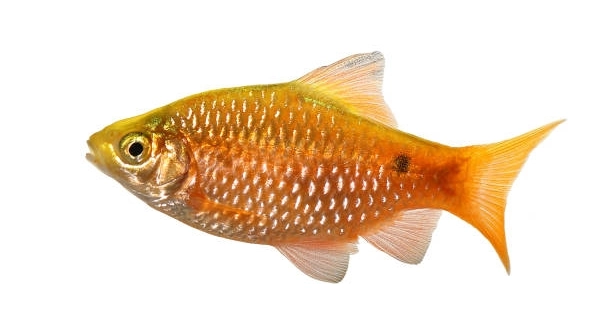
Rosy barbs are popular freshwater fish known for their bright colors and active behavior. Many aquarium enthusiasts enjoy keeping them, but these fish sometimes require careful observation to keep them healthy. Monitoring can prevent common problems before they worsen.
Close monitoring of rosy barbs is necessary during changes in water quality, signs of illness, breeding periods, transportation, introduction of new tank mates, stress from overcrowding, and unusual behavior patterns. These factors significantly impact their wellbeing and survival in captivity.
Understanding when to watch your rosy barbs closely helps maintain a stable and healthy aquarium environment. This knowledge supports the fish’s long-term health and ensures a vibrant community tank.
Changes in Water Quality
Water quality is one of the most critical factors to monitor for rosy barbs. Sudden shifts in pH, ammonia, nitrite, or nitrate levels can stress the fish and cause illness. Keeping the tank clean and testing water regularly helps catch problems early. Even small changes can upset their balance. It’s important to perform water changes gradually to avoid shocking the fish. New water should be treated to remove chlorine and adjusted to match the tank’s temperature and chemistry. Proper filtration also keeps waste and toxins low, supporting healthy fish. Observing how your rosy barbs react after a water change can indicate if conditions are right or if adjustments are needed. This care ensures they stay active and vibrant. Ignoring water quality changes often leads to weakened immune systems, making barbs more vulnerable to disease.
Maintaining steady water quality prevents most health issues in rosy barbs and supports their natural behavior.
Regular monitoring and maintenance create a safe environment that encourages growth and reduces stress for your fish.
Signs of Illness
Rosy barbs can show several signs when they become sick. These include faded colors, clamped fins, lethargy, and loss of appetite. Sometimes, you might notice unusual swimming patterns or spots on their bodies. Early detection is crucial to prevent diseases from spreading in the tank. Quarantining affected fish and treating them properly can save lives. Pay attention to any changes in behavior or appearance, as these often signal health problems. Proper diet, clean water, and minimizing stress all help keep illnesses away. If a fish shows signs of sickness, it’s best to act quickly to identify the cause and address it.
Monitoring your fish’s health closely makes it easier to catch and treat problems before they become serious.
Breeding Periods and Behavior Changes
During breeding periods, rosy barbs may act differently than usual. Males often become more colorful and aggressive, chasing females and other fish in the tank. This behavior can increase stress for the whole group. Providing plenty of hiding spots and separating aggressive individuals can reduce conflict. Eggs and fry need special care, as they are vulnerable to other fish. Watching these behavioral changes helps you support successful breeding while protecting all the fish in the tank. Some changes, like less eating or hiding, might also mean stress or illness. Observing your rosy barbs closely during this time allows you to adjust care routines accordingly, ensuring the best environment for growth and survival. Breeding is a natural process but requires careful management to keep the tank balanced.
Understanding these behavior shifts makes it easier to maintain harmony and protect the health of your fish during breeding.
Transportation and Tank Changes
Moving rosy barbs can be very stressful for them. Sudden changes in environment or water conditions during transportation increase their risk of illness. Preparing a stable container with water from their tank helps reduce shock.
When transferring rosy barbs, it’s important to acclimate them slowly to the new tank. Drip acclimation is a good method to adjust water parameters gradually. Sudden shifts in temperature, pH, or hardness can cause stress or even death. Always ensure the new tank is fully cycled and water parameters match the original environment as closely as possible. Keep the lighting dim and avoid sudden movements during the process. After moving them, observe for any signs of distress such as hiding or erratic swimming.
Proper care during transportation and tank changes lowers stress and helps your rosy barbs adjust smoothly to their new home.
Introduction of New Tank Mates
Introducing new fish to a tank with rosy barbs requires caution. Aggressive or incompatible species can cause bullying or stress, which harms the barbs. Always research compatibility before adding new fish.
Before adding new tank mates, quarantine them for at least two weeks to prevent introducing diseases. Gradually introduce new fish in a separate section or use a tank divider if possible. Monitor interactions closely, especially in the first few days. Rosy barbs are active and social but can become stressed if crowded or threatened. Avoid species known for aggression or fin-nipping. Providing enough hiding places and space helps reduce territorial disputes. Proper introduction techniques keep your community tank peaceful and healthy.
Careful introduction of new fish protects the well-being of rosy barbs and maintains tank harmony.
Stress from Overcrowding
Overcrowding raises stress levels in rosy barbs quickly. Too many fish compete for food and space, leading to aggression and weakened immune systems.
Stress can cause barbs to hide, lose color, or stop eating. Keeping the right number of fish per tank size is essential to avoid these problems.
Unusual Behavior Patterns
Unusual behaviors such as sudden lethargy, erratic swimming, or hiding may signal health or environmental issues. Consistent observation helps catch these signs early.
Noticing changes in your rosy barbs’ behavior allows for timely action to identify and fix underlying problems before they worsen.
Monitoring During Illness Treatment
Treating sick rosy barbs requires close monitoring of their response to medication. Watch for improvements or worsening symptoms to adjust care quickly.
Proper treatment includes maintaining clean water and isolating sick fish to prevent spreading disease within the tank.
FAQ
How often should I test the water for my rosy barbs?
Testing the water at least once a week is recommended to maintain stable conditions. Frequent checks help catch harmful changes early, such as shifts in pH, ammonia, nitrites, or nitrates. Consistent water quality testing supports the health and longevity of your fish.
What signs indicate that my rosy barbs are stressed?
Common signs of stress include faded colors, hiding frequently, loss of appetite, and erratic swimming. They may also display clamped fins or avoid other fish. Stress lowers their immunity, making them more prone to illness, so it’s important to address causes like overcrowding or poor water quality quickly.
Can rosy barbs live with other fish species?
Yes, they can live peacefully with many other community fish, but it depends on the species. Avoid aggressive or very small fish that might be bullied or eaten. Ideal tank mates are other active, similarly sized fish that won’t cause stress or compete aggressively for food.
How do I introduce new fish to my rosy barb tank?
Always quarantine new fish for two weeks before introducing them to your main tank. Use slow acclimation techniques, such as floating the bag in the tank to equalize temperature. Introduce new fish carefully and watch interactions closely to prevent stress or aggression.
What should I do if my rosy barbs show signs of illness?
Isolate the sick fish in a quarantine tank to prevent spreading disease. Test and improve water quality immediately. Identify the illness and apply the correct treatment or medication as advised. Keep monitoring the fish’s condition throughout the treatment process.
How can I reduce stress during transportation or tank changes?
Use water from the original tank in the transport container to minimize shock. Acclimate fish slowly to new water conditions using drip acclimation. Keep lighting low and avoid sudden movements. Transport them in a stable, temperature-controlled environment to lower stress.
Why do my rosy barbs suddenly stop eating?
Loss of appetite can be caused by stress, poor water quality, illness, or inappropriate diet. Observe other signs like lethargy or abnormal behavior to find the cause. Improving water conditions, reducing stressors, and offering varied food often helps restore their appetite.
How many rosy barbs should I keep in one tank?
Rosy barbs are social fish and do best in groups of at least six. Keeping them in smaller numbers can cause stress and aggression. Make sure your tank is large enough to comfortably house your group, providing enough space to swim and hide.
What are the common illnesses affecting rosy barbs?
Rosy barbs are prone to fin rot, ich, and bacterial infections, especially if water quality is poor. Early signs include torn fins, white spots, or sluggishness. Maintaining good tank conditions and prompt treatment helps prevent and manage these diseases.
How often should I feed rosy barbs?
Feeding them once or twice daily is sufficient. Offer only as much food as they can eat in a few minutes to avoid overfeeding, which can pollute the water. A balanced diet including flakes, pellets, and occasional live or frozen foods supports their health.
Monitoring rosy barbs closely is important to keep them healthy and happy. These fish are sensitive to changes in their environment, so paying attention to water quality, behavior, and tank conditions helps prevent many common problems. Small adjustments in care can make a big difference. Keeping their environment stable and stress-free supports their natural behavior and vibrant colors. When you notice early signs of trouble, taking quick action can protect the entire tank from potential issues.
Stress is one of the main reasons rosy barbs become sick or act differently. Overcrowding, poor water quality, or aggressive tank mates can increase stress levels. It is essential to provide enough space, clean water, and peaceful companions. Watching their behavior daily helps spot changes early, such as hiding, loss of appetite, or erratic swimming. These signs often point to stress or illness. Understanding these cues allows you to address problems before they worsen, improving the fish’s overall well-being.
Taking time to observe and care for rosy barbs regularly creates a healthier environment for them to thrive. From managing water conditions to introducing new fish carefully, each step matters. Being attentive and responsive to their needs ensures a longer, happier life for your rosy barbs. Regular monitoring and proper care make all the difference in maintaining a balanced, lively aquarium where these colorful fish can flourish.

Hello,
If you enjoy the content that we create, please consider saying a "Thank You!" by leaving a tip.
Every little bit helps us continue crafting quality advice that supports the health, happiness, and well-being of pets around the world, for pets of all shapes, sizes, and species.
We really appreciate the kindness and support that you show us!