
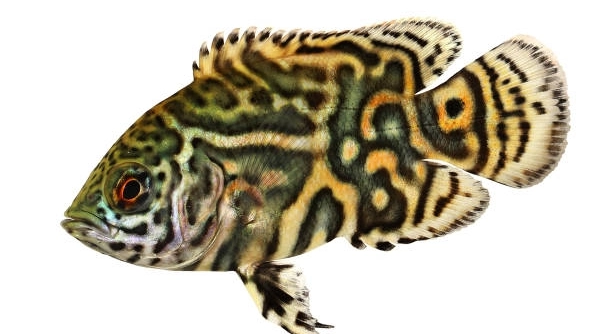
Oscar fish are popular in many homes, but their behavior and needs can sometimes be confusing. Knowing when to leave them alone is important for their health and your peace of mind.
In certain situations, it is best to leave your Oscar fish undisturbed. These times include when they are stressed, breeding, sick, or adjusting to a new environment. Intervening too much can harm their well-being and cause unnecessary anxiety.
Understanding when to give your Oscar fish space helps maintain a balanced aquarium environment. These moments of calm are essential for their overall health and comfort.
When Your Oscar Fish is Stressed
Oscar fish are sensitive to their environment, and stress can impact their health quickly. When stressed, they may hide, display unusual behavior, or even stop eating. Common stress factors include water changes, tank mates, or loud noises. If they seem stressed, it’s important to leave them alone and avoid further disturbances. Providing a quiet and stable environment will help them recover more quickly.
Stress can cause long-term damage to your Oscar’s immune system, making them vulnerable to diseases. It’s best to give them time to adjust to changes at their own pace, without interference.
If you notice signs of stress, check the tank conditions first. Ensure the water quality is optimal, and avoid introducing any new elements too suddenly. Your Oscar fish will benefit from a peaceful atmosphere.
During the Breeding Process
Breeding can make your Oscar fish very territorial and aggressive. If you have both male and female Oscars, they may become highly protective of their space and eggs. At this point, it’s crucial to leave them alone to avoid disrupting their natural instincts.
During breeding, Oscars are focused on protecting their eggs and ensuring the safety of their offspring. If you constantly interrupt them, it can cause them to abandon or damage the eggs. Let them handle their parenting duties undisturbed.
In some cases, you might notice your Oscar fish guarding the tank corners or attacking other fish. This behavior is normal, but it is important to give them their space. Avoid making unnecessary changes in the tank setup during this time. Give them time to complete the process without interference, ensuring both the adults and the fry thrive.
When Your Oscar Fish is Sick
When an Oscar fish is ill, it’s important to give them some space to recover. Constant handling or moving them around can worsen their condition. Keep the environment calm, check the water quality, and avoid disturbing them unless necessary.
Monitor their symptoms carefully. If you notice signs of illness such as lethargy, faded color, or lack of appetite, consider adjusting the water or treating the tank with medication. Sometimes, simply providing a stress-free environment can help them heal faster.
If your Oscar fish is struggling, it’s tempting to try and “fix” everything right away. But a quiet, peaceful tank with optimal conditions is often the best remedy. Let your Oscar fish rest, and give them the time they need to recover without added stress.
After Tank Changes
After performing water changes or adjusting the tank setup, it’s best to leave your Oscar fish alone for a while. Sudden shifts can be overwhelming, and too much attention can add unnecessary stress.
Tank changes can disrupt your fish’s routine and sense of security. It’s important to let them settle in without extra interference. Wait a day or two before checking on them too closely. The less you disturb them, the quicker they’ll adjust.
Oscar fish are territorial creatures. After a change in their tank, they may feel unsettled. Giving them some peace during this time helps reduce anxiety and helps them acclimate better to the new setup. Keep the water conditions stable, and let your Oscar adjust naturally.
When They’re Adjusting to a New Environment
When you first bring your Oscar fish home, they need time to adjust. Avoid putting your hands in the tank or making too many changes during this time. Let them get used to their new surroundings.
This adjustment period can take a few days to a week. Let your Oscar fish explore their new space at their own pace. Keeping the tank quiet and stable will help them settle in without unnecessary stress.
When You Have Aggressive Tank Mates
If your Oscar is in a tank with more aggressive fish, it’s better to leave them alone during conflicts. Intervening too soon can escalate the situation. Allow your Oscar time to establish its space.
Oscar fish are naturally aggressive, and adding other aggressive fish can create tension. Let your fish interact without constant interference. Over time, they’ll establish their pecking order.
When They’re Not Eating
If your Oscar fish refuses to eat, don’t force it. Withholding food for a day or two is often a normal behavior. Let them work through it without extra pressure.
Sometimes Oscar fish won’t eat due to stress, illness, or changes in the water. If they skip a few meals, it may be nothing to worry about. Keep monitoring water conditions and give them time. If it continues, further investigation is needed.
FAQ
How often should I leave my Oscar fish alone?
It’s important to give your Oscar fish space whenever they are stressed, sick, or breeding. Leave them alone for at least a few days when adjusting to a new environment or after water changes. Constant interruptions can make these situations worse.
How do I know if my Oscar is stressed?
Signs of stress in Oscar fish include hiding, lack of appetite, erratic swimming, or aggression toward tank mates. If you notice these symptoms, it’s best to reduce disturbances and provide a quiet, stable environment. Check the water quality and tank conditions to rule out any environmental causes.
Can I touch my Oscar fish?
It’s best to avoid touching your Oscar unless absolutely necessary. They are sensitive to handling, and it can cause them unnecessary stress. If you need to catch them for cleaning or treatment, use a soft net to minimize harm.
What should I do if my Oscar is sick?
When your Oscar is sick, avoid stressing them further by constantly checking or moving them. Maintain a calm environment, and monitor the water quality closely. Treat the tank as needed for the illness, but avoid overmedicating or making frequent changes to the tank setup.
Why isn’t my Oscar eating?
Oscar fish may stop eating due to stress, illness, water changes, or even environmental factors like temperature or water quality. If they skip a few meals, don’t worry too much. Give them time to adjust. If they refuse to eat for a long period, consider examining their health or tank conditions.
Is it okay to have other fish with my Oscar?
It is possible to have tank mates for your Oscar fish, but it’s crucial to choose peaceful species that won’t stress or provoke them. Avoid small or slow-moving fish, as Oscars are territorial and can be aggressive. Always monitor their interactions to ensure a balanced tank environment.
How do I know if my Oscar is happy?
A healthy, happy Oscar fish will swim actively, explore their tank, and eat regularly. Bright colors and curious behavior are also good signs. If your fish is hiding, lethargic, or aggressive, it may indicate stress or illness.
Should I remove my Oscar fish from the tank when it’s breeding?
It’s best to leave your Oscar fish alone when breeding. Interfering with their natural behavior can lead to stress, and they may abandon or damage their eggs. Ensure the water quality is high, and give them privacy during this time.
How long does it take for my Oscar to adjust to a new tank?
The adjustment period for an Oscar fish can vary but typically takes a few days to a week. During this time, avoid handling or disturbing them too much. Make sure the water temperature, pH, and other conditions are stable to help them settle in.
Can I feed my Oscar different types of food?
Yes, you can feed your Oscar a variety of foods, including pellets, flakes, and occasional treats like worms or shrimp. A balanced diet is important for their health. However, be cautious of overfeeding, as this can lead to obesity and water quality problems.
What is the best water temperature for my Oscar fish?
Oscar fish prefer warm water, typically between 74°F and 81°F (23°C to 27°C). Sudden temperature changes can stress them out, so ensure the tank heater is working properly and avoid placing the tank in a drafty area.
Should I leave the tank light on for my Oscar fish?
Oscar fish don’t require constant lighting. It’s important to provide a day/night cycle by keeping the tank light on for about 8-12 hours during the day and turning it off at night. This simulates natural conditions and helps them rest.
Can my Oscar fish live with other species?
While Oscars are often kept alone, they can live with other large, peaceful fish. Avoid small or aggressive species that might provoke them. Oscars are known to be territorial, so ensure there’s enough space in the tank to avoid conflicts.
How can I reduce the aggression of my Oscar fish?
Oscar fish are naturally territorial and may become aggressive toward other fish, especially when stressed or during breeding. To reduce aggression, provide plenty of hiding spots, ensure tank mates are large enough to defend themselves, and avoid overcrowding the tank.
Why is my Oscar hiding all the time?
Hiding can be a sign of stress, illness, or discomfort. If your Oscar is hiding frequently, check the water conditions, look for signs of illness, and consider whether tank mates or other factors are causing distress. Give them time to feel secure in their environment.
How often should I clean the tank for my Oscar?
Clean the tank regularly, removing debris and uneaten food to maintain water quality. Perform partial water changes (about 25-30%) every 1-2 weeks. Deep cleanings should be done cautiously, as disrupting the tank too much can stress your Oscar.
Is it normal for my Oscar fish to chase other fish?
Chasing is common behavior in Oscars, especially if they feel territorial or threatened. However, if the aggression seems excessive, it may be a sign of stress or overcrowding. Monitor the behavior, and ensure that the tank setup allows for territorial boundaries and hiding spaces.
How long do Oscar fish live?
Oscar fish typically live 10-15 years in a well-maintained tank. Providing a stable environment, proper diet, and regular water changes can help ensure they live a long, healthy life.
Should I be worried if my Oscar is not swimming?
If your Oscar fish is not swimming, it could be a sign of illness, stress, or poor water conditions. Check the water parameters, and ensure the tank environment is comfortable. If the problem persists, consult a vet or take other steps to address their health.
Final Thoughts
Taking care of an Oscar fish requires patience and attention to detail. While they are hardy and relatively easy to care for, they do have their specific needs, especially when it comes to their behavior and environment. Understanding when to leave your Oscar fish alone is just as important as knowing how to care for them. Whether they are stressed, sick, or adjusting to a new environment, giving them time to settle and recover is essential for their well-being.
It’s easy to get excited about caring for a new fish and want to interact with them constantly. However, Oscar fish are sensitive to their surroundings. Too much attention, especially during stressful situations like breeding or illness, can make things worse. Observing their behavior and responding accordingly is key. If they seem agitated, give them space to calm down. If they are sick, let them rest and heal without interference. Creating a calm and stable environment will encourage them to thrive and keep their stress levels low.
Ultimately, knowing when to step back and let your Oscar fish be is just as important as any other aspect of their care. They may need time alone after tank changes, breeding, or even just to get used to their environment. By respecting their space during these times, you’ll help them feel safe and secure. A happy, healthy Oscar fish can live for many years, and providing them with a peaceful, low-stress environment is the best way to ensure their long-term happiness and well-being.

Hello,
If you enjoy the content that we create, please consider saying a "Thank You!" by leaving a tip.
Every little bit helps us continue crafting quality advice that supports the health, happiness, and well-being of pets around the world, for pets of all shapes, sizes, and species.
We really appreciate the kindness and support that you show us!