
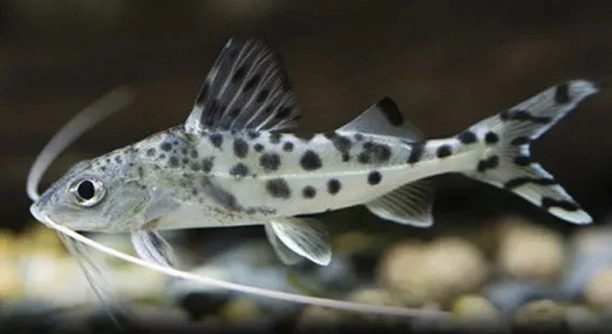
Pictus catfish are popular freshwater pets known for their peaceful nature and striking appearance. Many owners enjoy feeding them a variety of foods to keep them healthy. However, there are specific times when feeding your pictus catfish should be avoided to maintain their well-being.
Feeding pictus catfish during times of illness, immediately after tank cleaning, when water parameters are unstable, or during breeding periods can cause stress or health issues. Avoid feeding them late at night or when they show no appetite to prevent digestive problems and water quality decline.
Knowing when not to feed your pictus catfish helps ensure a healthier environment and a happier fish. The following details will explain these key moments clearly.
Feeding During Illness
When your pictus catfish is sick, it’s important to avoid feeding it. Illness can reduce their ability to digest food properly, which may make their condition worse. Giving food during this time can also pollute the water quickly, making recovery harder. Instead, focus on keeping the tank clean and maintaining good water quality. If you notice unusual behavior like lethargy, loss of appetite, or changes in swimming, it’s best to hold off on feeding. Consult with a vet or aquarium specialist for advice on treating the illness. Providing rest without food gives your catfish a better chance to heal. Once they start showing signs of improvement, you can slowly reintroduce food in small amounts to avoid overwhelming their system.
Avoiding feeding during illness supports the healing process and helps maintain a clean environment for your fish.
Understanding this step is essential for responsible pictus catfish care and long-term health.
After Tank Cleaning
After a tank cleaning, it’s best not to feed your pictus catfish right away. Cleaning can change water conditions, including temperature and chemical balance, which might stress your fish. Feeding immediately after can increase waste and cause water quality to drop quickly. Instead, give your catfish time to adjust to the refreshed environment. Waiting at least an hour before feeding allows the fish to calm down and settle. This practice helps keep the tank stable and prevents unnecessary strain on your catfish’s system.
Feeding after cleaning can upset your catfish’s routine and the tank’s balance.
Allowing this adjustment period supports a healthy aquarium environment.
Regular tank maintenance is necessary, but timing your feeding correctly afterward ensures your pictus catfish stays comfortable and healthy. It also helps prevent sudden spikes in ammonia or nitrites caused by leftover food and waste. By managing feeding times, you promote cleaner water and reduce stress on your fish. Remember, a calm fish is a healthy fish, and simple habits like this make a big difference in their care.
When Water Parameters Are Unstable
Feeding your pictus catfish when water conditions are unstable can harm their health. Changes in pH, ammonia, or nitrite levels increase stress, and food waste only worsens water quality. It’s best to wait until parameters stabilize before feeding.
Poor water conditions affect fish digestion and immune response. Feeding during these times adds organic waste, raising ammonia and nitrite levels that can be toxic. Stress from unstable water makes fish more vulnerable to infections and illness. Monitor water regularly and avoid feeding if levels are outside safe ranges. Maintaining stable water quality ensures your catfish can digest food properly and stay healthy.
Waiting to feed until water parameters are stable supports the well-being of your pictus catfish and prevents health complications. Taking this precaution helps maintain a balanced aquarium environment.
During Breeding Periods
Avoid feeding pictus catfish during breeding if they show reduced appetite or focus on spawning behaviors. Feeding can disrupt their natural cycle and cause stress.
During breeding, pictus catfish often eat less as their bodies focus on reproduction. Forcing food on them can cause digestive issues and reduce spawning success. It’s important to recognize these natural changes and respect their needs. Sometimes, fish stop eating completely during breeding, so removing food temporarily is beneficial. Providing a calm environment with minimal disturbances supports the process. Feeding can resume once breeding activity decreases and normal behavior returns.
Supporting your pictus catfish’s breeding by adjusting feeding habits helps ensure healthy fry and reduces stress. Respecting this phase improves their chances of successful reproduction and overall well-being.
Feeding Late at Night
Feeding your pictus catfish late at night can disturb their natural routine. These fish are more active during low light but feeding too late may lead to uneaten food and water quality problems.
Uneaten food can decay and cause ammonia spikes. Feeding earlier in the day helps maintain a cleaner tank and supports your catfish’s health.
When Your Catfish Shows No Appetite
If your pictus catfish refuses to eat, avoid forcing food. Loss of appetite can signal stress or illness. Feeding during this time may worsen their condition or pollute the tank.
Feeding Before Water Changes
Feeding right before a water change can cause unnecessary waste buildup. It’s better to feed after the change to keep the tank cleaner and reduce stress on your catfish.
Overfeeding
Overfeeding is a common mistake that harms pictus catfish health. Excess food leads to poor water quality and obesity. Always feed small amounts and remove leftovers promptly.
FAQ
How often should I feed my pictus catfish?
Pictus catfish usually do well with feeding once or twice a day. They prefer small amounts of food rather than large meals. Overfeeding can cause water pollution and health problems. It’s better to feed a quantity they can finish within a few minutes. Watching their behavior helps you adjust feeding frequency. Younger or more active fish may need slightly more food, while older or stressed fish may need less. Feeding consistently at the same times helps maintain their routine and health.
What are the best foods for pictus catfish?
Pictus catfish enjoy a diet that includes sinking pellets, frozen or live foods like bloodworms, brine shrimp, and small insects. They also appreciate occasional vegetables like blanched zucchini or cucumber. Variety is key to ensuring they get all necessary nutrients. Avoid feeding them food that floats, as they prefer to feed near the tank bottom. High-quality commercial pellets designed for carnivorous bottom feeders are convenient and healthy. Always remove uneaten food to prevent water issues.
Can pictus catfish eat flakes or flakes meant for other fish?
While pictus catfish may nibble on flakes, these are not ideal for their diet. Flakes tend to float and dissolve quickly, which can dirty the water. They also may not provide the right nutrition for bottom feeders like pictus catfish. It’s better to feed foods designed for their specific dietary needs. Pellets or frozen foods are a safer choice that supports their health and natural feeding habits.
Is it okay to feed my pictus catfish live food regularly?
Feeding live food occasionally is beneficial as it mimics their natural diet and encourages natural hunting behavior. However, relying only on live food is not recommended. Live food can carry parasites or diseases if not sourced carefully. Balance live foods with pellets or frozen options to provide a complete diet. This mix ensures good nutrition and reduces risks associated with live feeding.
What should I do if my pictus catfish refuses to eat?
If your catfish stops eating, check the tank conditions first. Poor water quality, stress, or illness are common causes. Test water parameters and observe for signs of disease. Try offering a variety of foods, including live or frozen options, to stimulate appetite. Avoid feeding if the fish appears sick and consult an expert if necessary. Sometimes, temporary fasting helps fish recover from stress or illness.
Can I feed my pictus catfish human food?
Feeding human food is generally not recommended. Many human foods contain additives, salt, or spices harmful to fish. Some foods can cause digestive problems or water pollution. Stick to foods made for fish or natural options like blanched vegetables or specific live foods. If you want to offer treats, research safe options carefully to avoid harming your catfish.
How do I prevent overfeeding my pictus catfish?
Feed only what your fish can eat in about five minutes. Remove uneaten food promptly to keep water clean. Use a feeding schedule and measure food portions if needed. Observe your fish’s behavior and weight for signs of overfeeding. Clear rules help maintain balance and prevent health issues caused by excess food and waste buildup.
Why does my pictus catfish sometimes hide instead of eating?
Hiding behavior often means your catfish feels stressed or unsafe. Changes in tank conditions, new tankmates, or illness can cause hiding. Stress reduces appetite, so feeding may be ignored. Ensure your tank has enough hiding spots and stable conditions. If hiding continues and appetite decreases, check water quality and health to find the cause.
Is it normal for pictus catfish to fast sometimes?
Yes, pictus catfish sometimes naturally fast, especially during breeding or stressful times. This is normal and usually not harmful if it lasts a short period. Fasting gives their digestive system a break. If fasting extends beyond a week or is paired with other signs of illness, it’s important to investigate further.
How can I tell if my pictus catfish is eating enough?
Healthy pictus catfish are active and have good body condition. If they maintain weight and swim actively, they are likely eating well. Check for signs like clear eyes, smooth fins, and bright color. Uneaten food or leftover waste can indicate overfeeding or loss of appetite. Tracking feeding habits and observing your fish regularly helps ensure they get the right amount of food.
Feeding your pictus catfish at the right times is important for their health and the cleanliness of your aquarium. Knowing when to avoid feeding helps reduce stress on your fish and prevents water quality problems. Pictus catfish have specific needs, and understanding these can make a big difference in how well they thrive. Feeding during illness, after cleaning, or when water conditions are unstable can cause more harm than good. Taking care not to feed at these times supports their digestion and overall well-being.
It’s also important to watch your fish’s behavior and appetite. Pictus catfish may not always want to eat, especially during breeding or if they are stressed. Forcing food on them can lead to digestive problems and increase waste in the tank, which harms water quality. Giving your fish time to adjust after changes in the tank or when they are not feeling well is often the best choice. Feeding smaller amounts and removing leftovers will help keep the tank clean and the fish healthy. Overfeeding is one of the most common problems and can easily be avoided by feeding carefully.
By paying attention to these feeding guidelines, you can help your pictus catfish live a healthier and happier life. Maintaining good water quality, observing their behavior, and feeding at the right times all contribute to a balanced aquarium environment. Remember that these fish rely on you to create the best conditions for them. With some care and patience, you will see your pictus catfish thrive and enjoy their time in your tank. Following these simple rules will lead to fewer problems and more enjoyment as you care for your aquatic pets.

Hello,
If you enjoy the content that we create, please consider saying a "Thank You!" by leaving a tip.
Every little bit helps us continue crafting quality advice that supports the health, happiness, and well-being of pets around the world, for pets of all shapes, sizes, and species.
We really appreciate the kindness and support that you show us!