
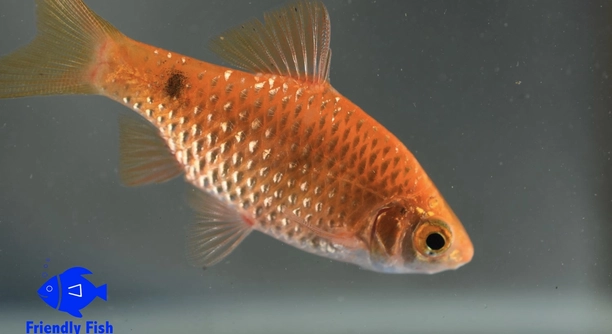
Rosy barbs are popular aquarium fish known for their vibrant colors and active behavior. Feeding them the right food at the right time is essential for their health and well-being. Sometimes, it is best to avoid feeding them to prevent harm or stress.
There are specific situations when feeding rosy barbs should be avoided, such as during water changes, illness, stressful conditions, or when they show signs of overeating. Feeding at inappropriate times can lead to health complications and poor water quality.
Knowing when not to feed your rosy barbs helps maintain a healthy aquarium environment and supports their long-term vitality. This article highlights key moments to withhold food for the benefit of your fish.
Feeding During Water Changes
Feeding rosy barbs during water changes is not advisable because the fish can become stressed. When water conditions shift, their digestive systems may slow down or stop functioning properly. Uneaten food can quickly pollute the water, leading to increased ammonia and nitrate levels that harm the fish. It’s better to wait until the water is stable and clear before offering any food. Feeding right before or during water changes can also cause the fish to reject the food, wasting it and further degrading the tank environment. Giving them time to adjust to the new water conditions helps reduce stress and supports better digestion. This practice keeps the aquarium cleaner and the fish healthier in the long run.
Avoid feeding at least one hour before a water change to ensure better water quality and fish health.
Proper feeding timing related to water changes reduces stress and keeps the tank environment balanced. By withholding food during these times, you protect your rosy barbs from digestive issues and water pollution. Allowing the fish to settle after water changes ensures they eat well and stay healthy.
Avoid Feeding Sick Rosy Barbs
When rosy barbs show signs of illness, avoid feeding them until they begin to recover. Feeding sick fish can worsen their condition, especially if their digestive system is compromised. Sick fish may not be able to process food properly, leading to leftover waste that pollutes the water and slows healing. Instead, focus on maintaining optimal water quality and consider treatments recommended for their illness. Once symptoms improve and the fish regain energy, gradually reintroduce food in small amounts. This approach supports their immune system without adding unnecessary stress. Being careful with feeding during illness helps speed recovery and prevents further complications in the tank.
Feeding Rosy Barbs at Night
Feeding rosy barbs at night is generally not recommended. They are more active during the day and tend to rest at night, which affects their ability to digest food properly.
At night, rosy barbs’ metabolism slows down, making digestion less efficient. Feeding them during this time can lead to uneaten food sinking to the tank bottom. This leftover food can quickly decay, causing water quality to deteriorate and increasing the risk of harmful bacteria growth. Over time, poor water conditions stress the fish and can lead to illness. Feeding during their active daylight hours aligns better with their natural behavior and digestive system, helping maintain a healthy tank environment.
In addition, the fish may not be as interested in eating at night, resulting in wasted food and unnecessary water pollution. It’s best to feed rosy barbs during the day when they are alert and ready to eat.
Avoid Overfeeding Rosy Barbs
Overfeeding rosy barbs can cause serious health problems and water quality issues. Excess food increases waste, polluting the water and stressing the fish.
When rosy barbs are overfed, they often do not consume all the food, which then decomposes and releases harmful chemicals such as ammonia. These chemicals are toxic to fish and can disrupt the tank’s biological balance. Over time, this leads to poor water quality, making the environment unsuitable for the fish. Health problems like obesity and swim bladder disorder can also arise from consistently overfeeding. Monitoring portions and feeding only what the fish can consume within a few minutes helps maintain their health and water cleanliness. Keeping feeding balanced is crucial for long-term aquarium stability and the well-being of rosy barbs.
Feeding When Water Temperature Is Low
Feeding rosy barbs when the water temperature is too low should be avoided. Their metabolism slows down significantly in cooler water, affecting digestion.
Cold water makes it harder for rosy barbs to process food. Feeding at this time can lead to undigested food accumulating in the tank, which degrades water quality. It can also cause health issues for the fish, such as bloating or infections, due to poor digestion.
Feeding After Medication
Fish often lose their appetite during treatment, so it is best to avoid feeding immediately after administering medication.
Food can interact negatively with certain medications, reducing their effectiveness or causing stress to the fish. It’s wise to wait until the treatment period is over before resuming normal feeding routines.
How often should I feed my rosy barbs?
Rosy barbs should be fed small amounts two to three times a day. Feeding them only what they can eat within a few minutes prevents leftover food from polluting the tank. Overfeeding can harm water quality and fish health, so keeping portions controlled is essential. Feeding in moderation supports steady growth and maintains a healthy aquarium environment.
Can I feed rosy barbs human food?
It is not recommended to feed rosy barbs human food. Many human foods contain ingredients that can upset their digestive systems or cause illness. Stick to high-quality fish flakes, pellets, and occasional live or frozen foods designed for aquarium fish. These foods provide balanced nutrition tailored to their needs.
What types of food are best for rosy barbs?
A varied diet is best, including high-quality flakes or pellets as the staple. Supplementing with live or frozen foods like brine shrimp, bloodworms, and daphnia helps mimic their natural diet and supports vibrant colors and good health. Vegetables like blanched spinach or peas can also be offered occasionally.
What signs show my rosy barbs are overfed?
Signs of overfeeding include leftover food in the tank, cloudy water, and increased algae growth. Fish may become sluggish or display bloating and swim irregularities. Their waste output may increase as well. Monitoring feeding amounts and removing uneaten food helps prevent these problems.
Is it okay to feed rosy barbs at night?
Feeding at night is generally discouraged because rosy barbs are less active and their metabolism slows. Uneaten food can accumulate and degrade water quality. Feeding during daylight hours aligns with their natural behavior and supports healthy digestion.
Should I feed rosy barbs when they are sick?
It is best to avoid feeding sick rosy barbs until they start to recover. Their digestive systems may not function well during illness, leading to leftover food that pollutes the water. Maintaining clean water and following treatment guidelines helps the fish heal faster. Gradually reintroduce food as they improve.
Can I skip feeding my rosy barbs for a day?
Skipping feeding for one day is usually safe and sometimes beneficial, especially if the fish seem full or the tank conditions require it. Rosy barbs can tolerate short fasting periods without harm. This practice can help prevent overfeeding and maintain water quality.
How do water changes affect feeding schedules?
Avoid feeding right before or during water changes. Sudden changes in water conditions stress the fish and can disrupt their digestion. Waiting until after the water stabilizes ensures better feeding and reduces waste accumulation. Feeding timing should support the fish’s health and tank cleanliness.
What should I do if my rosy barbs refuse to eat?
If rosy barbs stop eating, check water quality and tank conditions first. Stress, illness, or poor water parameters often cause appetite loss. Address any issues and observe the fish closely. Sometimes offering varied or live foods can stimulate interest, but avoid forcing feeding during illness.
Is overfeeding harmful to rosy barbs?
Yes, overfeeding can cause obesity, poor water quality, and health problems like swim bladder disease. Excess food decomposes in the tank, increasing harmful toxins. Feeding controlled portions prevents these issues and helps maintain a stable aquarium environment.
Can rosy barbs eat plant-based foods?
Rosy barbs do eat some plant matter in the wild, so offering blanched vegetables like spinach or peas is beneficial. Plant-based foods add fiber and variety to their diet, supporting digestion and overall health. However, plant foods should complement rather than replace protein sources.
How can I tell if my feeding routine is working?
Healthy, active rosy barbs with bright colors and regular behavior indicate a good feeding routine. Clear water and minimal leftover food also show proper feeding. If fish show signs of illness, poor growth, or water problems, reassess feeding amounts and timing.
Does the size of the fish affect how much they should be fed?
Yes, smaller rosy barbs require less food than larger ones. Adjust feeding portions based on the size and number of fish in the tank. Overfeeding small fish can quickly pollute the water and harm their health, so portion control is important regardless of size.
Are frozen or live foods better for rosy barbs?
Both frozen and live foods provide good nutrition. Live foods can encourage natural hunting behavior and increase activity, while frozen foods are easier to store and carry less risk of introducing diseases. Including a mix of both benefits the fish’s health and variety in diet.
Can feeding affect the coloration of rosy barbs?
Diet plays a role in maintaining rosy barbs’ vibrant coloration. Foods rich in carotenoids, like certain live or frozen foods, help enhance their natural colors. A varied and balanced diet supports bright, healthy fish. Poor nutrition can lead to dull colors and weakness.
Feeding rosy barbs properly is essential to keeping them healthy and happy. Knowing when to avoid feeding them can prevent many common problems such as stress, illness, and poor water quality. Whether it’s during water changes, illness, or at night when their metabolism slows, withholding food at the right times supports the overall well-being of these fish. Careful feeding routines not only protect the fish but also help maintain a clean and balanced aquarium environment. This balance is key for the long-term success of any home aquarium.
It is also important to understand the signs that indicate when feeding should be stopped or adjusted. Overfeeding is a frequent mistake that can harm both the fish and their habitat. Leftover food leads to water pollution, which can cause serious health issues. Observing the fish and tank conditions regularly allows you to feed the right amount at the right times. Using high-quality food and offering variety through live or frozen options can enhance their nutrition and keep rosy barbs active and colorful. Taking time to learn about their feeding needs will help you provide the best care possible.
Being attentive to feeding habits is a simple yet powerful way to ensure rosy barbs thrive. Avoiding feeding during stressful situations or unfavorable conditions protects them from unnecessary harm. A thoughtful approach to feeding can prevent many common aquarium problems and create a healthier space for your fish. With consistency and care, you can enjoy watching your rosy barbs grow strong and vibrant. Proper feeding is one of the easiest ways to support their long-term health and happiness.

Hello,
If you enjoy the content that we create, please consider saying a "Thank You!" by leaving a tip.
Every little bit helps us continue crafting quality advice that supports the health, happiness, and well-being of pets around the world, for pets of all shapes, sizes, and species.
We really appreciate the kindness and support that you show us!