
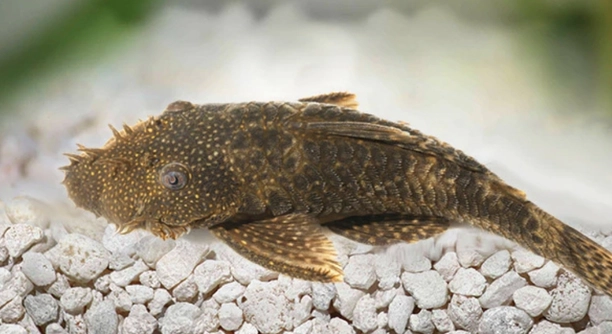
Plecostomus are peaceful fish by nature, but there are certain situations where they can become aggressive. Understanding these triggers is essential for keeping your aquarium peaceful and your fish healthy.
Plecostomus may become aggressive when they feel territorial, threatened, or stressed. They can also act out during feeding times or when competing for space and resources. Identifying the cause is key to managing their behavior.
Understanding when your plecos might feel stressed can help you maintain a calm tank environment. Managing these situations ensures harmony in your aquarium and a happier fish community.
1. Territorial Disputes Among Plecostomus
Plecostomus are naturally territorial fish. They prefer their own space and can become aggressive if they feel their area is being encroached upon. This is especially true in smaller tanks, where they may not have enough room to establish their own territory. When there are too many plecos in one tank or if other fish are intruding into their space, aggression can arise.
This territorial behavior can lead to physical confrontations. Plecos may chase or nip at each other, establishing dominance or protecting resources. These fights are more common in tanks with limited hiding spots or overcrowding. To avoid this, it’s important to provide plenty of space for each pleco.
The best way to reduce territorial aggression is by maintaining a proper tank size, with enough hiding spots for each fish. If possible, avoid placing too many plecos in one tank, as this only increases the chances of conflicts. Adding plenty of decorations and plants will allow plecos to create their own zones, making them feel secure.
2. Feeding Time Stress
Feeding time can be a stressful moment for plecos. When food is in limited supply or competition with other fish arises, plecos may become more aggressive. This is especially true if they feel like they’re not getting enough food.
Plecos, being bottom dwellers, often find themselves competing with other fish at the surface during feeding time. To avoid aggression, make sure there’s enough food for all tank inhabitants and try to feed them in different areas. This helps minimize conflict over food and ensures that each pleco has access to the nutrients they need without competition.
3. Poor Water Conditions
Plecostomus can become stressed and aggressive when water conditions are poor. If the water temperature is too high or low, or if there’s too much ammonia or nitrates, plecos may act out. Clean water is essential for their well-being and peace.
Regular water changes and proper filtration are key to maintaining a healthy environment. If the water is not kept clean, plecos will not only show signs of aggression but can also develop health issues. Testing water parameters regularly helps catch any issues before they become a problem, keeping your plecos calm and happy.
In addition to water quality, make sure the pH and hardness levels suit your pleco species. Sudden changes in water conditions can lead to stress, triggering aggressive behavior. Keeping a stable environment will help ensure plecos feel secure and less likely to fight. Always aim to keep the tank’s water parameters within the ideal range for the fish you’re keeping.
4. Overcrowding in the Tank
Overcrowding can be one of the biggest causes of aggression in plecos. When there are too many fish in a small tank, it can create stress for everyone, plecos included. Not having enough space causes plecos to compete for territory, food, and hiding spots.
The issue with overcrowding is that plecos are bottom dwellers, and in a cramped tank, they are more likely to come into conflict with each other. Their space is limited, and it increases the chances of physical altercations. It’s important to know the tank’s capacity and avoid overstocking.
If you do have multiple plecos, make sure they each have their own space. Providing sufficient hiding spots with plants, rocks, or driftwood can help keep the peace. In larger tanks, plecos may be less likely to show aggressive behavior as they can spread out and avoid each other more easily.
5. Mating Behavior
During the breeding season, plecostomus can display aggression, especially males competing for females. This behavior often includes chasing, pushing, or nipping. If there are not enough females to go around, this can lead to more aggression between males.
To reduce this behavior, it’s important to provide plenty of hiding spots for both males and females. If you plan to breed your plecos, having a larger tank with more females than males can help reduce competition and aggression. Mating rituals can be intense, but ensuring a stress-free environment will help keep the aggression at bay.
6. Illness and Discomfort
Illness or physical discomfort can lead to aggression in plecos. When they’re not feeling well, they may become more irritable and defensive, lashing out at other tank mates. This can happen if they have parasites or internal issues.
In these cases, isolating the sick pleco in a separate quarantine tank is recommended. This gives them a chance to recover without disturbing the peace of the main tank. Treat the illness promptly to prevent further aggression and ensure the fish’s health.
7. Incompatible Tank Mates
Sometimes, plecos may become aggressive when they’re placed with incompatible tank mates. While plecos are usually peaceful, certain fish species may provoke them. Larger, more territorial fish can stress plecos, causing them to act out.
When selecting tank mates, it’s important to research the behavior and temperament of potential companions. Fish that are too aggressive or dominant may cause plecos to defend themselves, leading to aggression. A peaceful tank environment with compatible species is key to keeping your plecos calm and happy.
FAQ
Why do plecostomus fight?
Plecostomus fight mainly due to territorial disputes, competition for food, or stress from overcrowding. When multiple plecos share a small space or are competing for limited resources, it can lead to aggressive behavior. Additionally, during breeding seasons, males may fight for the attention of females. These conflicts are natural but can be managed with proper tank size and arrangement.
How can I prevent plecostomus aggression?
To prevent aggression, it’s essential to ensure that your plecos have enough space. A larger tank reduces the chance of territorial fights. Providing ample hiding spots with rocks, plants, or driftwood can also help each pleco feel secure. Ensure a stable environment with proper water conditions, and avoid overcrowding. If aggression occurs during feeding, try feeding in different areas of the tank.
Can plecostomus live peacefully with other fish?
Plecostomus are usually peaceful and can live well with many other fish. However, they may clash with more aggressive or territorial species. Tankmates should be chosen carefully, ensuring they’re compatible in terms of temperament and size. Smaller, non-aggressive species work well with plecos. Avoid placing plecos with overly dominant fish or those that may bully them.
Do plecostomus need a tank with other plecos?
Plecos do not necessarily need to live with other plecos, though some may enjoy the company. However, if you keep more than one, ensure the tank is large enough to accommodate them. Plecos can become aggressive if they feel their territory is being invaded, so having enough space is crucial. It’s also important to have enough hiding spots for each pleco to reduce conflict.
What can I do if my plecostomus is showing signs of stress?
If your plecostomus shows signs of stress, such as hiding more than usual or acting aggressively, it’s important to assess the tank conditions. Check water parameters, including temperature, pH, and ammonia levels, and ensure they are within the ideal range. Overcrowding or the presence of aggressive tankmates can also contribute to stress, so make adjustments accordingly.
How can I tell if my plecostomus is sick?
Sick plecostomus may show symptoms such as lethargy, loss of appetite, abnormal swimming behavior, or visible sores or lesions on their body. If your pleco is hiding more than usual, this could be a sign of illness or discomfort. Regularly check for these signs and take action by isolating the sick fish in a quarantine tank for treatment.
Is it normal for plecostomus to be active at night?
Yes, plecostomus are nocturnal creatures, meaning they are most active at night. They often come out to feed or explore when the lights are off. If your pleco is hiding during the day but active at night, it’s perfectly normal. Ensure that your tank has enough cover and hiding spots for them to feel secure during daylight hours.
Can plecostomus live in cold water?
Most plecostomus species thrive in warm water, typically between 74-80°F (23-27°C). Cold water can cause stress and make them more vulnerable to illness. If your tank temperature is too low, it can negatively impact their health and lead to aggressive behavior. Make sure to maintain a consistent, warm environment for your plecos.
How often should I feed my plecostomus?
Plecostomus should be fed about 2-3 times a week, although this can vary depending on their size and activity level. They are primarily herbivores, so their diet should consist of algae wafers, vegetables, and occasionally protein. Overfeeding can lead to poor water quality, so it’s important to monitor their intake.
Can plecostomus live without a filter?
While plecostomus can technically survive in a tank without a filter, it is not recommended. Plecos are messy eaters, and without proper filtration, waste can build up quickly, leading to poor water quality. This can cause stress, illness, and aggression. A good filter will help maintain clean water and a healthy environment for your plecos.
Are plecostomus good for beginner aquarium owners?
Plecostomus are generally easy to care for, making them a good choice for beginner aquarium owners. However, it’s important to understand their space and water requirements. Plecos can grow large and need a spacious tank with appropriate filtration. Keeping the tank clean and ensuring compatible tankmates is essential for their well-being.
Final Thoughts
Understanding when plecostomus can become aggressive is key to maintaining a peaceful and healthy aquarium. These fish are generally calm but can display aggression due to a variety of reasons. Territorial behavior, poor water conditions, overcrowding, and even mating rituals can all trigger this response. By recognizing these triggers, you can take steps to create an environment where your plecos feel secure and relaxed. This involves providing plenty of space, regular water changes, and ensuring that all tankmates are compatible.
It’s also important to consider the pleco’s natural behavior. These fish are nocturnal and tend to be more active during the night. This can sometimes lead to misunderstandings about their behavior. Plecos are bottom dwellers, and they thrive when given enough space to explore and establish their own territory. Having enough hiding spots and proper tank layout can help prevent them from feeling threatened by other fish, reducing the chances of aggression. A peaceful environment also makes it easier for them to thrive and show their best behaviors.
While plecostomus can get aggressive under certain conditions, with proper care and attention, these situations can often be avoided. Regular monitoring of your tank’s conditions, being mindful of their social needs, and providing enough space are all essential practices. If you ever notice your pleco becoming aggressive, it’s a sign that something in their environment needs to be adjusted. Whether it’s improving water quality or adjusting tankmates, addressing the root cause of the aggression can lead to a happier and healthier fish.

Hello,
If you enjoy the content that we create, please consider saying a "Thank You!" by leaving a tip.
Every little bit helps us continue crafting quality advice that supports the health, happiness, and well-being of pets around the world, for pets of all shapes, sizes, and species.
We really appreciate the kindness and support that you show us!