
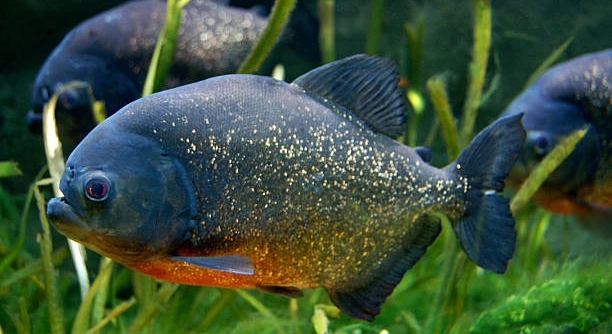
Are your piranhas acting skittish, darting around their tank, or staying hidden more than usual during certain times?
Piranhas need extra hiding spots during moments of stress, environmental changes, or when they feel threatened by tank mates. These conditions can lead to heightened anxiety, making secure shelters essential for their overall health and behavior.
Understanding the reasons behind this behavior can help you create a more comfortable tank. Simple changes can lead to a calmer, more balanced aquatic environment for your piranhas.
When They’re Introduced to a New Tank
Moving piranhas into a new tank can be stressful for them. Everything is unfamiliar—the lighting, layout, and even the smell of the water. In these moments, they may feel unsafe and hide more often. Adding extra hiding spots like plants, caves, or driftwood helps ease this stress. These safe zones give them a chance to calm down and slowly explore their surroundings. Without enough coverage, they might stay in one corner, refusing to eat or move much. A peaceful tank start sets the tone for healthier habits and helps them feel more at home quickly.
A calm environment from the start can prevent long-term stress and aggressive behaviors.
Offer plenty of shaded areas and avoid bright lighting right away. Stick to a regular feeding schedule so they know what to expect. Use soft decorations to avoid injury. These small choices can make a big difference in how well your piranhas adjust to their new home.
During Aggressive Behavior in the Tank
Tension between tank mates can quickly turn into aggression. Piranhas are territorial and sensitive to changes.
When aggression happens, extra hiding spots become more than just comfort—they help avoid injury. Piranhas may nip or chase each other, especially if the tank is too small or the group feels unbalanced. Giving each fish somewhere to escape to can stop the fighting before it gets worse. A mix of plants and caves allows them to cool off and feel secure again. Rearranging the tank layout sometimes helps, too, by resetting territories. Keeping the tank clean and not overcrowded also helps lower tension. Avoid feeding them too close together if they show signs of stress. Separate feeding spots and staggered times might be needed for a while. Monitor their behavior closely, and if one fish continues to show signs of fear or injury, consider isolating it temporarily for recovery.
After a Sudden Change in Water Conditions
Changes in water temperature, pH, or ammonia levels can cause immediate stress. Piranhas may hide more often during these times, needing shelter to feel secure until the water stabilizes.
A shift in their environment affects their health quickly. If the water turns colder or the pH fluctuates, they’ll become less active and search for darker, hidden spaces. Extra hiding spots give them a break from stress while you fix the issue. Test the water regularly and perform partial water changes if levels aren’t right. Using a water conditioner and avoiding sudden temperature shifts during refills also helps. While they may look fine, internal stress can build up and lead to illness. Hiding isn’t just a behavior—it’s a warning sign.
Keep several types of shelter in the tank at all times. Even when things seem normal, conditions can change quickly. Having those spots ready means they have a place to retreat without delay.
When They’re Not Eating Regularly
Not eating is usually a sign that something is off. Whether it’s stress, illness, or changes in the tank, piranhas often stop eating and seek cover when they feel vulnerable.
Give them space instead of pushing food right away. If they’re hiding and not eating, it could mean they’re sick or sensing something wrong in their environment. Watch for other signs like clamped fins, strange swimming, or staying in corners. Try to offer food quietly and remove leftovers to avoid dirtying the water. A secure hiding spot lets them rest and recover. Stress can sometimes cause them to skip meals for days. Keeping the tank calm, with proper lighting and stable water, can help them regain their appetite. If the problem continues, you may need to consult a vet or check for internal parasites. Sometimes, small changes—like using quieter filters—can make a big difference in how they eat.
During Breeding Behavior
Piranhas become more territorial and defensive when they are preparing to breed. Extra hiding spaces help them feel secure and less exposed during this sensitive time.
They may also use hiding spots to guard their eggs or keep other fish away. Providing shelter reduces stress and possible aggression.
After a Loud Noise or Sudden Movement Near the Tank
Sudden noises or movements near the tank can startle piranhas. They may rush into hiding, sometimes crashing into decorations or the glass. Keeping the tank in a quiet area helps. Avoid tapping on the glass or making fast hand movements nearby.
When Tank Lights Are Too Bright
Too much light can make piranhas feel exposed. Bright tanks without enough shaded areas can cause them to hide often or become inactive.
FAQ
How many hiding spots should I add to a piranha tank?
A good rule is to provide at least one solid hiding spot per fish, plus a few extras. This ensures each piranha can claim its own area when stressed or feeling territorial. These spots can be a mix of caves, driftwood, rocks, and tall plants. Spread them across the tank to prevent crowding in one section. Don’t cluster all the decorations in one place—leave space for swimming too. The goal is to make your piranhas feel safe without limiting their movement.
What materials are safe to use as hiding spots for piranhas?
Use decorations that are made specifically for aquariums. Resin caves, smooth rocks, natural driftwood, and live or artificial plants are all safe options. Avoid sharp edges or objects that could tear their fins. Make sure driftwood is treated and tank-safe, and rinse all items thoroughly before placing them in the water. Clay pots with smooth edges can work well too. Stay away from metal or painted items, as they can leach harmful chemicals.
Can too many hiding spots cause problems?
Yes, if the tank becomes too crowded with decorations, it can reduce swimming space and impact water flow. Piranhas still need open areas to move and interact. Too many hiding spots can also trap uneaten food and waste, leading to poor water quality. Balance is key. Arrange shelters with gaps between them, and clean around them regularly. The tank should feel like a natural riverbed, not a maze.
Do hiding spots help reduce aggression?
Yes. Hiding spots help break lines of sight between fish and allow weaker or stressed piranhas to retreat. This can reduce nipping, chasing, and other signs of aggression. When each fish feels it has a secure space, they tend to be calmer and less territorial. If aggression is high, rearranging the decorations sometimes helps reset territories.
Are live plants or fake plants better for hiding spots?
Both can work. Live plants provide oxygen and a natural look, but they need care and proper lighting. Fake plants are easier to maintain and still give piranhas places to rest or hide. Choose ones with soft leaves and stable bases. Avoid plastic plants with sharp edges. You can also mix both types for variety.
How can I tell if my piranhas are hiding too much?
If they rarely come out, especially during feeding time, it may be a sign of stress or illness. Healthy piranhas may hide occasionally, but they should still swim actively, especially during feeding. If hiding becomes constant, check the water quality, tank temperature, and any signs of bullying or sickness.
Is hiding normal during the day?
Yes. Piranhas are naturally cautious and may rest or hide during the day, especially if the lights are too bright. Adding floating plants or dim lighting can make them feel safer while encouraging more activity. Nighttime is when they tend to be more active.
Should I remove hiding spots if my piranhas are too shy?
No, removing hiding places usually makes things worse. Instead, focus on adjusting other factors like lighting, tank size, or tank mates. You can reduce the number of hiding spots slightly to encourage more movement, but always leave some for comfort and safety.
Do piranhas still need hiding spots if they seem bold and active?
Yes. Even if they appear confident, having hiding spots available is important for when their environment changes or they feel unsafe. Active behavior doesn’t mean they won’t need shelter later. It’s better to keep the tank prepared for any situation.
Final Thoughts
Keeping piranhas happy and healthy means understanding their behavior. One of the most important things you can do is give them enough hiding spots. These spaces help them feel safe when things around them change. Whether it’s a new tank, bright lighting, or loud sounds, having shelter lets them calm down. Piranhas are sensitive, and sudden stress can lead to health issues. Hiding is a natural way for them to cope, not a sign of weakness. So even if your fish seem bold, it’s still smart to offer places they can retreat to if needed.
Adding hiding spots also helps reduce aggression, especially in groups. Piranhas are territorial, and they sometimes chase or nip at each other. If there are not enough places to rest and stay out of sight, fighting can get worse. Spreading shelters around the tank helps each fish feel like it has its own space. This lowers tension and makes the tank a calmer place overall. It also helps with feeding. When fish feel safe, they’re more likely to eat regularly and stay active. A calm tank keeps their behavior more balanced, and that’s better for their long-term health.
You don’t need fancy decorations to make good hiding spots. Simple items like smooth rocks, clay pots, driftwood, or plastic plants can work well. Just make sure they’re safe and don’t have sharp edges. Also, make sure the tank doesn’t get too crowded. Piranhas still need room to swim and explore. Keep an eye on how often your fish hide, and if it increases suddenly, check the water conditions and their behavior. Often, hiding is a sign that something in the tank needs to be adjusted. In the end, a mix of open space and shelter makes for the best setup. With just a little effort, you can create a safe, peaceful tank where your piranhas can thrive.

Hello,
If you enjoy the content that we create, please consider saying a "Thank You!" by leaving a tip.
Every little bit helps us continue crafting quality advice that supports the health, happiness, and well-being of pets around the world, for pets of all shapes, sizes, and species.
We really appreciate the kindness and support that you show us!