
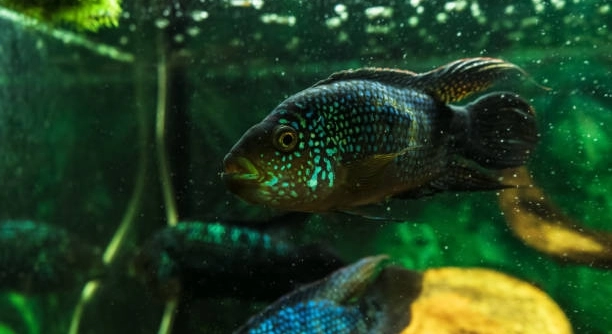
Jack Dempsey fish are known for their striking colors and feisty personalities, but keeping them healthy requires attention to their behavior and environment. Sometimes, these fish need a separate space to thrive and avoid stress.
Isolation becomes necessary when Jack Dempsey fish show aggression, are recovering from illness, have suffered injuries, are being introduced to a new tank, during breeding periods, when territorial disputes arise, or when environmental conditions threaten their well-being.
Understanding these moments can help you provide a safer and calmer environment for your fish, ensuring their health and reducing conflicts in your aquarium.
Aggression Towards Tank Mates
Jack Dempsey fish can be aggressive, especially when sharing a tank with smaller or less assertive fish. They may chase, nip, or corner other fish, causing stress or injuries. Aggression is most common when they feel crowded or their territory is threatened. Observing their behavior closely helps identify when separation is necessary.
Separating aggressive fish prevents injuries and reduces stress for everyone in the tank.
Placing an aggressive Jack Dempsey in a separate tank allows calmer species to swim freely. It also gives the aggressive fish space to calm down without constant confrontation. Providing hiding spots, proper decorations, and visual barriers can further minimize aggressive tendencies. Regular monitoring ensures the fish remain healthy and stress-free, and adjustments to tank mates can prevent future conflicts. Isolation in these cases is a proactive step to maintain a peaceful aquarium and protect all fish from harm.
Recovery From Illness
When a Jack Dempsey fish falls ill, isolation can aid recovery.
Keeping a sick fish in a separate tank limits stress and exposure to pathogens.
A hospital tank allows for controlled conditions, such as stable temperature, clean water, and targeted medications. This makes treating infections or parasites more effective. By isolating the fish, you reduce the risk of spreading illness to other tank mates. It also provides a calmer environment, reducing energy spent on defending territory or competing for food. Monitoring feeding, behavior, and water parameters closely in isolation ensures the fish has the best chance to regain strength and return to its regular tank safely. Regular water changes and observation are essential during this period.
Injury or Physical Trauma
Isolating a Jack Dempsey after an injury prevents further harm and promotes faster healing.
A separate tank allows you to monitor wounds closely and maintain pristine water conditions, which are critical for recovery. Injured fish are more vulnerable to infections, and keeping them away from other fish reduces the risk of additional stress or accidental bites. You can also provide gentle care, adjusting feeding and adding any necessary treatments without interference from tank mates. This focused attention ensures the fish regains strength safely and steadily.
In isolation, you can control lighting, decorations, and hiding spots to reduce activity and encourage rest. Less movement and fewer disturbances prevent reopening injuries or aggravating sensitive areas. Observing behavior helps detect changes in appetite or signs of infection early. Temporary isolation is a proactive measure that supports recovery, ensuring the fish remains healthy before returning to the main tank.
Breeding Periods
During breeding, Jack Dempsey fish need a separate space to protect eggs and fry.
A breeding tank prevents other fish from eating eggs or harassing the parents.
Providing a dedicated tank allows the pair to establish territory and reduces stress, increasing the chances of successful spawning. Hiding spots and flat surfaces help with egg-laying and protection. Isolation also lets you monitor the parents’ behavior and the development of fry without interference from other tank mates. This controlled environment ensures proper growth and safety for the young.
Keeping breeding fish together in their own tank helps manage aggression between parents and avoids competition from other fish. Monitoring water quality, temperature, and feeding during this period is essential. By isolating the breeding pair, you create optimal conditions for reproduction and fry survival. This careful approach ensures a higher success rate and a healthier start for the next generation of Jack Dempsey fish.
Introducing New Tank Mates
Isolating a new Jack Dempsey before adding it to the main tank helps prevent aggression and stress.
A quarantine period allows you to observe for illness, parasites, or unusual behavior. This ensures the fish is healthy before interacting with established tank mates.
Territorial Disputes
Jack Dempsey fish are highly territorial, and conflicts can escalate quickly. Separating aggressive individuals stops fighting and protects both fish. Providing visual barriers or rearranging decorations can reduce tension and make reintegration smoother later. Careful monitoring is essential to maintain a peaceful environment.
Stress From Environmental Changes
Rapid changes in water parameters, lighting, or tank layout can stress Jack Dempsey fish.
Temporary isolation allows the fish to acclimate in a stable, controlled environment. Reducing stimuli and providing hiding spots helps minimize stress, supports immune function, and prevents illness caused by sudden environmental shifts.
FAQ
How long should a Jack Dempsey stay in isolation?
The duration depends on the reason for separation. For aggression, a few days to a week may be enough. For illness or injury, it can last several weeks until full recovery is visible. During breeding, isolation may continue until fry are safe. Always monitor behavior and health before returning the fish.
Can Jack Dempsey fish hurt themselves in isolation?
Yes, if the tank is bare or stressful. Provide hiding spots, gentle decorations, and proper water conditions. Avoid overcrowding even in a small quarantine tank. A calm environment encourages rest and reduces the chance of self-injury from excessive activity or stress.
Should isolated Jack Dempsey fish be fed differently?
Feeding depends on the fish’s condition. Sick or injured fish may need softer or medicated foods. During aggression or breeding isolation, continue regular feeding but monitor intake closely. Avoid overfeeding, as waste can affect water quality and delay recovery.
Can I return a Jack Dempsey to the main tank immediately after isolation?
No, gradual reintroduction is safer. Rearrange decorations and remove any signs of previous disputes. Observe interactions carefully at first. Be prepared to isolate again if aggression or stress resurfaces. Proper acclimation prevents repeated conflicts and keeps all fish healthy.
Is isolation stressful for Jack Dempsey fish?
Some stress is possible, but it is usually less harmful than staying in a dangerous or competitive environment. Minimize stress by keeping water conditions stable, providing hiding spots, and limiting disturbances. The benefits of isolation often outweigh temporary discomfort.
Can isolation prevent diseases from spreading?
Yes, a quarantine tank is effective in preventing illness from infecting other fish. It allows early detection and treatment of parasites, infections, or unusual behavior. Maintaining clean water and proper medication during this period is essential to protect both the isolated fish and the main tank population.
What signs indicate a Jack Dempsey is ready to return to the main tank?
Healthy appetite, normal swimming patterns, and calm behavior are key indicators. No visible injuries, stress, or aggression should be present. If the fish shows consistent strength and interacts peacefully in the quarantine tank, it is generally safe to return.
Are there special tank setups for isolated Jack Dempsey fish?
Yes, a smaller tank with gentle filtration, stable temperature, and hiding spaces works best. Avoid strong currents or bright lights that may stress the fish. Decorations should allow rest and reduce movement, especially for injured or sick individuals.
Can isolation improve aggressive behavior long-term?
It can help temporarily by reducing immediate conflicts, but underlying aggression may persist. Long-term management includes proper tank size, visual barriers, and careful selection of tank mates. Isolation is a tool, not a permanent solution.
Should I isolate all new Jack Dempsey fish?
Yes, it is a good preventive measure. Quarantining new fish for a few weeks allows observation for illness, behavior, and compatibility before introducing them to established tank mates. This reduces risks of disease and conflict, supporting a healthier aquarium overall.
Jack Dempsey fish are striking and vibrant, but their strong personalities can create challenges in a community aquarium. Isolation is not a punishment but a necessary tool to maintain the health and safety of your fish. Aggressive behavior, illness, injuries, breeding, and territorial disputes are all valid reasons for temporarily separating a Jack Dempsey. Providing a separate tank for these periods allows the fish to rest, recover, or manage stress without constant pressure from other tank mates. Proper isolation gives you control over water quality, feeding, and observation, which is critical for maintaining the overall well-being of your aquarium.
When setting up an isolation tank, simplicity and stability are key. The tank should have clean water, gentle filtration, stable temperature, and places for the fish to hide. Avoid overcrowding or adding unnecessary decorations that might confuse or stress the fish. Monitoring behavior daily helps you spot changes early, whether it’s a loss of appetite, lethargy, or signs of aggression. Feeding should remain consistent and appropriate to the fish’s condition, adjusting for illness, recovery, or breeding needs. Isolation periods can range from a few days for minor aggression to several weeks for recovery or successful breeding, so flexibility and patience are essential.
Understanding the specific needs of your Jack Dempsey fish will help you decide when isolation is necessary and how to implement it effectively. While it may feel inconvenient to maintain a separate tank, the benefits are clear: reduced stress, safer interactions, and improved recovery from injuries or illness. Isolation also supports healthier social dynamics in the main tank by preventing repeated conflicts and protecting vulnerable fish. By observing and responding to behavior and environmental changes, you can maintain a more peaceful and balanced aquarium. Taking these steps ensures that your Jack Dempsey fish remain strong, vibrant, and thriving, while also promoting harmony among all tank inhabitants.

Hello,
If you enjoy the content that we create, please consider saying a "Thank You!" by leaving a tip.
Every little bit helps us continue crafting quality advice that supports the health, happiness, and well-being of pets around the world, for pets of all shapes, sizes, and species.
We really appreciate the kindness and support that you show us!