
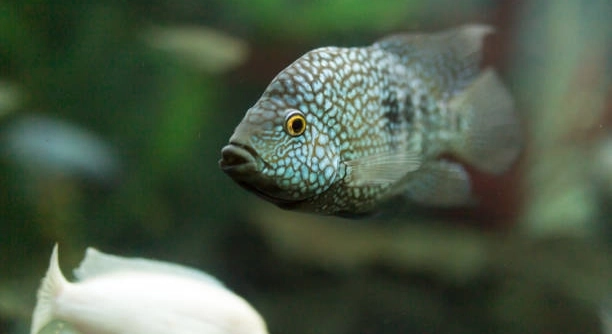
Have you ever noticed your Dempsey fish acting differently than usual in the tank? These vibrant cichlids are known for their lively personalities and occasional unpredictable behaviors. Observing them closely can reveal patterns in their actions.
Dempsey fish behavior becomes erratic due to a variety of environmental, social, and physiological factors. Changes in water conditions, territorial disputes, dietary adjustments, or stress responses can all trigger sudden aggression, restlessness, or unusual swimming patterns.
Understanding these triggers is important for maintaining a healthy tank. Small adjustments can improve your fish’s well-being and keep their behavior more predictable over time.
Water Quality Fluctuations
Dempsey fish are highly sensitive to water conditions, and even minor changes can cause stress and erratic behavior. Shifts in temperature, pH levels, or ammonia concentrations can make them restless or aggressive. Sudden changes may lead to rapid swimming, hiding, or unusual color changes. Regular testing of water parameters is essential, as it allows you to maintain stable conditions and detect problems early. Filtration systems, frequent partial water changes, and avoiding overfeeding all help preserve a balanced environment. When water quality is stable, Dempseys tend to display calmer and more predictable behavior. Observing their reactions after adjustments can indicate whether the water conditions meet their needs. Maintaining proper lighting and aeration also contributes to a comfortable habitat. These measures reduce stress, prevent disease, and promote natural activity. Fish that experience consistent water quality tend to be more sociable and show their vibrant coloration.
Consistent monitoring of water helps reduce stress and keeps Dempsey fish active and healthy. Minor changes can significantly impact their behavior.
Keeping water stable is crucial for your Dempsey fish’s health. Even small fluctuations in temperature, pH, or chemical levels can trigger aggressive or erratic actions. Using a reliable filtration system and performing regular partial water changes helps maintain balance. Avoiding overfeeding prevents excess waste that can degrade water quality. Observing your fish daily allows you to notice subtle changes in activity or color. Gradual adjustments are safer than sudden ones, as they minimize stress. Providing proper aeration and lighting ensures a comfortable environment. Stable water encourages calmer interactions between tank mates and reduces the risk of disease. Paying attention to these details helps you understand your fish’s needs and ensures long-term well-being, creating a more harmonious and predictable aquarium.
Territorial Disputes
Dempsey fish are naturally territorial and may act erratically when defending their space.
Territorial aggression is common in Dempseys, especially in crowded tanks or during breeding periods. They may chase other fish, flare fins, or display rapid darting movements. Providing sufficient space, hiding spots, and visual barriers helps reduce conflicts. Separating overly aggressive individuals can prevent injury. Observing interactions carefully allows you to anticipate and manage disputes before they escalate. Regular rearrangement of tank decorations can break established territories and lower tension. Keeping an eye on dominant fish ensures that weaker individuals are not stressed or harmed.
Territorial behavior can be intensified by overcrowding and limited hiding places. Dempseys may establish dominance quickly, leading to constant chasing or aggressive displays. Rearranging decor and ensuring adequate space helps reduce conflict. Breeding periods increase territoriality, so separating fish or using dividers may be necessary. Even with sufficient space, some individuals maintain aggressive patterns due to personality traits. Observing behavior during feeding and interaction times allows adjustments to the tank setup. Visual barriers, plants, or rocks create private zones that ease stress. In group tanks, consider a ratio that minimizes competition and maintains harmony. Monitoring energy levels and physical signs like fin damage helps prevent escalation. Taking these precautions ensures that Dempsey fish coexist with minimal stress, making their environment safer and more stable for all tank inhabitants.
Sudden Dietary Changes
Sudden changes in diet can trigger erratic behavior in Dempsey fish. Switching foods abruptly or overfeeding can make them more aggressive, restless, or prone to chasing tank mates. Gradual introduction of new food helps maintain stability.
Abrupt shifts in feeding routines or diet composition can stress Dempseys. They may become more territorial or swim frantically when unfamiliar food is introduced. Overfeeding contributes to poor water quality, which compounds behavioral issues. Introducing new foods slowly allows their digestive system to adjust and prevents sudden bursts of aggression or lethargy. Observing how your fish reacts to different feeding schedules and portions helps in maintaining a stable routine. Providing a balanced diet with varied protein sources supports both growth and consistent behavior.
Feeding practices directly influence activity levels and temperament. Avoid sudden food switches and monitor portions carefully. Consistency ensures calmer and more predictable interactions with tank mates, while a well-regulated diet supports overall health and coloration.
Breeding Season Aggression
During breeding periods, Dempsey fish often become highly aggressive and protective of territory and mates. Their behavior may include chasing, fin flaring, or guarding specific areas.
Aggression peaks as males and females prepare to spawn. They may target other fish and display heightened activity around spawning sites. Providing separate breeding tanks or visual barriers reduces stress on other fish and prevents injury. Observing courtship behaviors allows you to anticipate conflicts and manage space effectively. Breeding pairs often isolate themselves, showing increased defensiveness toward intruders. Environmental adjustments, such as rearranging decorations or adding hiding spots, help contain aggressive tendencies. Properly timed feeding can distract and calm fish, reducing constant confrontation.
Breeding season is a critical time for monitoring interactions. Protective instincts are strong, and unchecked aggression can harm other tank inhabitants. Creating secure zones and separating overly aggressive fish helps maintain harmony. Regular observation ensures eggs or fry are safe while keeping adults from unnecessary stress. Careful management during this period supports successful reproduction and preserves the overall health of the tank ecosystem. Timing adjustments to feeding and tank maintenance can further ease tensions, creating a safer environment for both breeding pairs and community members.
Overcrowded Tank
An overcrowded tank can trigger erratic behavior in Dempsey fish. Limited space increases stress, aggression, and competition for resources. Providing adequate room helps reduce conflicts and ensures healthier, calmer fish.
Too many fish in one tank causes constant chasing and territorial disputes. Proper stocking limits maintain balance and prevent stress-related behaviors.
Incompatible Tank Mates
Introducing incompatible species can provoke aggression and erratic actions in Dempseys. Fish that are too passive or overly active may trigger defensive or dominant responses. Careful selection of tank mates ensures harmony and stability.
Sudden Environmental Noise
Loud noises or vibrations near the tank can startle Dempsey fish. Sudden disturbances may cause frantic swimming, hiding, or temporary aggression. Maintaining a calm environment helps minimize stress and keeps behavior predictable.
FAQ
What causes Dempsey fish to act erratically?
Dempsey fish can become erratic due to several factors including water quality, overcrowding, diet changes, and territorial disputes. Stress from environmental changes, sudden noises, or incompatible tank mates can also trigger unusual swimming patterns, aggression, or hiding. Identifying the specific trigger is important for addressing the behavior effectively. Regular observation of your fish’s habits helps you notice early signs of stress or agitation, allowing adjustments to their habitat before behavior escalates. Maintaining consistent water conditions, proper tank size, and a balanced diet reduces the likelihood of erratic actions.
How do I improve water quality for my Dempsey fish?
Regular water testing and partial water changes are essential. Monitor temperature, pH, and ammonia levels closely. Use a reliable filtration system and avoid overfeeding to prevent waste accumulation. Gradual changes to water conditions are safer than sudden shifts. Providing aeration and consistent lighting also helps stabilize the environment. Observing the fish after adjustments ensures water conditions meet their needs. These measures reduce stress, minimize disease risk, and help Dempsey fish remain calmer and more predictable in behavior.
Can diet affect Dempsey fish behavior?
Yes, sudden changes in diet or overfeeding can make Dempsey fish aggressive or restless. Introducing new food slowly allows their digestive system to adapt. Providing a balanced diet with varied protein sources supports growth, coloration, and stable behavior. Observing reactions to feeding routines helps establish a consistent schedule, reducing stress and improving overall health.
Why does breeding season make Dempsey fish aggressive?
During breeding, Dempsey fish become protective of mates and territory. Males and females may chase other fish, flare fins, or guard specific areas. Creating visual barriers or separate breeding tanks reduces stress on non-breeding fish and prevents injury. Observing courtship behaviors allows you to anticipate conflicts and manage space effectively. Adjustments to feeding and tank setup can further minimize aggressive interactions.
How do I manage territorial disputes?
Providing sufficient space, hiding spots, and visual barriers helps reduce conflicts. Rearranging tank decorations breaks established territories and lowers tension. Separating overly aggressive individuals ensures weaker fish are not stressed or harmed. Monitoring interactions carefully allows timely adjustments. Regular observation helps maintain harmony while ensuring all fish remain safe and healthy.
What role do tank mates play in behavior?
Incompatible tank mates can trigger aggression or erratic movements. Passive fish may be chased, while active species can provoke dominance displays. Selecting compatible fish and maintaining proper stocking limits ensures stability. Creating private zones with plants or rocks reduces conflicts. Monitoring interactions and adjusting the environment as needed prevents stress and promotes predictable behavior.
Can noise or vibrations affect Dempsey fish?
Yes, sudden loud noises or vibrations near the tank can startle Dempseys. Frantic swimming, hiding, or temporary aggression may result. Placing the tank in a quiet, stable area helps reduce stress. Maintaining a calm environment encourages natural behavior and keeps the fish predictable. Consistent observation helps identify patterns linked to environmental disturbances.
How can I tell if behavior is normal or a sign of stress?
Normal behavior includes steady swimming, occasional social interactions, and exploration of the tank. Erratic movements, constant chasing, hiding, or fin damage may indicate stress or aggression. Observing feeding habits and color changes helps assess health. Adjusting water quality, diet, tank mates, or environment can address underlying causes and restore normal behavior.
How often should I monitor my Dempsey fish?
Daily observation is ideal. Watching interactions, swimming patterns, and feeding responses helps detect early signs of stress or aggression. Regular checks allow you to make timely adjustments to water quality, tank layout, and feeding routines. Maintaining a consistent routine supports stable behavior and overall health.
Can environmental enrichment help reduce erratic behavior?
Yes, adding hiding spots, plants, and visual barriers helps Dempseys feel secure. Rearranging decorations periodically breaks territories and reduces boredom. Enrichment provides mental stimulation and minimizes aggressive interactions, promoting calmer, more predictable behavior. Ensuring a balanced environment supports long-term well-being.
What should I do if behavior persists despite changes?
Persistent aggression or erratic actions may indicate illness or underlying stress. Consulting a specialist or veterinarian experienced with cichlids is recommended. Proper diagnosis ensures appropriate treatment. Reviewing water quality, diet, and tank conditions before seeking help can provide valuable information for resolving ongoing behavioral issues efficiently.
How important is tank size for Dempsey fish behavior?
Tank size directly impacts aggression and stress. A small or overcrowded tank increases competition for space and resources. Providing ample room allows natural behaviors while minimizing conflicts. Adequate space combined with hiding spots ensures that all fish coexist with minimal stress and more predictable interactions.
Can I prevent erratic behavior completely?
While some behaviors are natural, consistent water conditions, proper diet, compatible tank mates, and sufficient space greatly reduce erratic actions. Monitoring and minor environmental adjustments maintain stability. Careful management and observation help keep Dempsey fish calm, healthy, and predictable in their daily activities.
Final Thoughts
Dempsey fish are beautiful and lively cichlids that bring personality to any tank. Their behaviors can sometimes seem unpredictable, but understanding the reasons behind these actions helps in managing them effectively. Factors such as water quality, diet, tank size, and interactions with other fish play a significant role in their daily habits. Paying attention to these details allows you to maintain a stable environment where your fish feel secure. When conditions are consistent, Dempseys display calmer behavior, clearer coloration, and healthier overall activity. Regular observation and small adjustments can prevent minor issues from turning into more serious problems, making it easier to enjoy their natural charm. Even small changes in feeding, tank layout, or water testing routines can make a noticeable difference in behavior and stress levels.
Erratic behavior in Dempsey fish is often a response to stress or environmental changes. Overcrowded tanks, sudden noises, or incompatible tank mates can increase aggression and restlessness. Territorial instincts, especially during breeding periods, can also trigger chasing, fin flaring, or protective behavior. By providing adequate space, hiding spots, and visual barriers, these tendencies can be reduced. Gradual adjustments to diet, water conditions, and tank setup are more effective than abrupt changes, helping fish adapt without stress. Monitoring how they respond to these adjustments gives insight into their needs and temperament. Understanding individual personalities is also important, as some Dempseys are naturally more dominant or active. Accepting these traits while managing their environment creates a more harmonious tank where all fish can coexist safely.
Maintaining a healthy and stable environment for Dempsey fish requires consistent attention and care. Regular water testing, proper filtration, controlled feeding, and thoughtful selection of tank mates all contribute to predictable behavior. Environmental enrichment, such as plants, rocks, and hiding areas, reduces stress and provides stimulation. Even with careful management, occasional erratic behavior may occur, but it can usually be traced to identifiable factors. Learning to read your fish’s behavior and responding with timely adjustments ensures their well-being. With patience and observation, Dempseys can thrive in home aquariums, displaying their full personality and vibrant appearance. Taking these steps not only improves their health but also makes keeping Dempsey fish a more enjoyable and rewarding experience.

Hello,
If you enjoy the content that we create, please consider saying a "Thank You!" by leaving a tip.
Every little bit helps us continue crafting quality advice that supports the health, happiness, and well-being of pets around the world, for pets of all shapes, sizes, and species.
We really appreciate the kindness and support that you show us!