
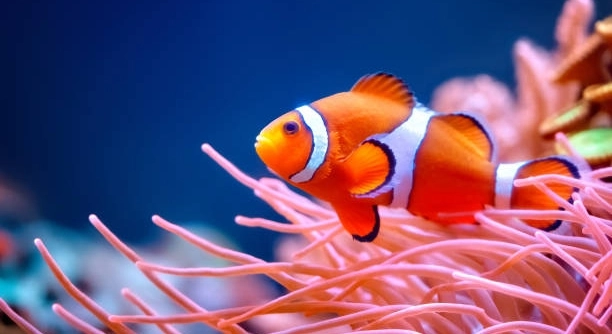
Clownfish are known for their bright colors and unique relationship with sea anemones. Their movements sometimes appear unpredictable, making their behavior seem random at times. Observing these moments can reveal surprising patterns beneath the surface.
Clownfish behavior may seem random due to environmental factors, social interactions, and instinctive responses. These elements influence their movements and actions, which are often adaptive rather than truly random, ensuring survival and successful reproduction.
Recognizing these patterns helps us better understand clownfish and appreciate the complexity of their natural behavior. This article highlights seven key moments when their actions may seem unusual.
Sudden Darting Movements
Clownfish often make quick, sharp movements that seem random to casual observers. These sudden darts help them avoid predators or establish territory within their anemone homes. When a clownfish darts suddenly, it might be responding to subtle changes in the environment or sensing the presence of other fish nearby. These quick bursts of speed are essential for their safety and communication. Sometimes, these movements occur without an obvious trigger, but they serve to maintain social order within their group or reinforce bonds with their host anemone. Watching these rapid motions can be surprising, but they are part of the fish’s natural behavior patterns that help them thrive in their habitat.
Their sudden movements help maintain safety and social structure. These bursts are purposeful, not random, even when they seem unpredictable.
These quick darts are part of a complex set of behaviors that balance caution and social interaction. They help the fish respond rapidly to threats or changes in their environment, even when humans do not immediately see the cause. This reactive nature supports their survival in a busy reef ecosystem.
Unpredictable Feeding Patterns
Clownfish feeding habits can appear irregular. They do not always feed at the same times or in the same ways, sometimes seeming to ignore available food or suddenly becoming very active. This unpredictability is influenced by the availability of plankton and algae, as well as competition with other fish. Clownfish also feed on leftovers from their anemone hosts, adjusting their feeding behavior to the conditions around them.
The irregular feeding times help them adapt to the varying availability of food and environmental conditions.
Feeding behavior reflects the clownfish’s ability to adjust to changing circumstances. When food is scarce, they conserve energy or feed opportunistically. Their close relationship with anemones provides extra food sources, allowing flexibility. This adaptability ensures clownfish can thrive even when conditions fluctuate, contributing to their resilience in reef environments.
Social Hierarchy Conflicts
Clownfish sometimes display sudden aggressive or erratic behavior due to changes in their social hierarchy. These conflicts help establish or maintain dominance within their group. When a clownfish challenges another, it can seem random but is part of natural social order.
Dominance struggles are essential for keeping the group stable. The largest female usually leads, while males rank below. When ranks shift, fish react quickly, showing aggression or submission. These interactions are brief but important for survival and breeding success. Observing such moments reveals the complex social life beneath their seemingly simple behavior.
This social system ensures only the strongest survive and reproduce. Hierarchy disputes keep group dynamics clear, which reduces constant fighting. Changes in behavior during conflicts are normal, helping clownfish adapt to shifting group roles and maintain their place within the community.
Interaction with Anemones
Clownfish behavior often changes when interacting with their host anemones. They may swim in unusual patterns or stay close for protection. This close relationship affects many of their actions.
Anemones provide shelter and safety, while clownfish help by cleaning and feeding them. The fish’s movements around anemones can appear random but usually serve to maintain this mutual benefit. They may avoid areas of the anemone that sting or move rapidly to ward off intruders. This interaction is vital for both species’ survival and influences clownfish behavior daily.
Understanding these interactions clarifies why clownfish sometimes behave unpredictably. Their reliance on anemones shapes many actions, from movement to feeding. This symbiotic relationship is a key part of their ecology and survival strategy.
Mating Rituals
Clownfish show unique behaviors during mating that can seem unpredictable. These actions include chasing and circling each other rapidly. Such behaviors help strengthen bonds and prepare for spawning.
The movements may appear random but are carefully timed and coordinated to ensure successful reproduction.
Territory Defense
Clownfish actively defend their anemone territory from intruders. Their defensive actions, like chasing away other fish, might seem sudden but are necessary to protect their home and resources.
Response to Environmental Changes
Clownfish adjust their behavior in response to changes in water temperature, light, and currents. These adjustments help them stay safe and comfortable in their habitat.
Why do clownfish sometimes swim in circles or make sudden movements?
Clownfish swim in circles or make sudden movements as part of their communication and territorial behavior. These actions can signal dominance, attract mates, or warn off intruders. The circling behavior is often a way to maintain social bonds or establish boundaries within their group or around their anemone home.
How do clownfish establish their social hierarchy?
Social hierarchy in clownfish is based on size and dominance. The largest female leads the group, followed by males ranked below her. When a dominant fish dies or leaves, others shift positions quickly. Conflicts and displays of aggression may occur during these changes, but they help keep the group organized and reduce constant fighting.
What causes clownfish to act aggressively toward other fish?
Aggression is usually related to territory defense or protecting their anemone. Clownfish chase away intruders to keep their living space safe and secure food resources. This behavior might seem random but is critical for survival. Aggression increases if their home is threatened or during mating seasons when stakes are higher.
Do clownfish have regular feeding times?
Clownfish do not follow strict feeding schedules. Their feeding habits depend on food availability, such as plankton or leftovers from their anemone hosts. They adjust their feeding based on the environment, sometimes eating more actively and other times conserving energy when food is scarce.
Why do clownfish sometimes ignore food or act uninterested?
Ignoring food can happen when clownfish feel stressed, threatened, or if their environment changes suddenly. They may also reduce feeding to conserve energy during low food availability or to avoid competition. This behavior helps them survive during tough times by conserving resources.
How do clownfish benefit from their relationship with anemones?
Clownfish gain protection from predators by living among anemone tentacles, which sting most other fish. In return, clownfish clean the anemone, remove parasites, and sometimes help with water circulation. This mutual relationship influences many of the clownfish’s behaviors, including their movement and territorial actions.
What happens if a clownfish loses its anemone?
Without an anemone, clownfish are more vulnerable to predators and may act more cautiously or hide more often. They might search for a new host or face higher stress levels. Losing an anemone can disrupt their usual behavior patterns and reduce their chances of survival.
Why do clownfish sometimes appear to dart away without warning?
Darting is usually a quick response to perceived danger or sudden changes in their surroundings. It helps them avoid predators or aggressive fish. Even if the threat isn’t visible to humans, clownfish sense subtle environmental cues that trigger these rapid movements.
Can clownfish change sex, and how does this affect their behavior?
Yes, clownfish can change sex, typically from male to female, when the dominant female dies or leaves. This change involves shifts in behavior, with the new female becoming more dominant and aggressive. The social structure and interactions within the group adjust quickly to accommodate this change.
How do environmental factors influence clownfish behavior?
Changes in water temperature, light, and currents affect clownfish activity levels and movement. They may become more active or seek shelter depending on conditions. These adjustments help them stay comfortable and safe, even if the behavior seems unpredictable to observers.
Clownfish behavior can often appear random, but many of their actions serve clear purposes rooted in survival and social structure. Their quick movements, changes in feeding habits, and interactions with their anemone homes all have practical reasons behind them. Understanding these reasons helps make sense of what might seem like unpredictable or strange behavior. Clownfish are not acting without cause; instead, they are responding to their environment, other fish, and their own needs. This awareness can deepen appreciation for these colorful fish and their role in the reef ecosystem.
The social life of clownfish plays a major role in how they behave. They live in groups with a strict hierarchy that determines their actions and reactions. Changes in this hierarchy often lead to shifts in behavior, such as displays of aggression or sudden movements. These actions maintain balance within the group and support reproduction. The relationship between clownfish and sea anemones is also central to their behavior. The anemone offers protection, while the clownfish helps keep it clean. This mutual dependence shapes many of the clownfish’s behaviors and movements, even if they appear random at first glance.
Observing clownfish closely reveals how adaptable they are to changes in their environment. Their feeding habits, movement patterns, and social interactions adjust depending on food availability, presence of threats, and environmental conditions like temperature and currents. What might look like random swimming or unpredictable actions often serve to protect the fish or improve their chances of survival. Recognizing these behaviors as part of a complex and dynamic system allows for a better understanding of clownfish and highlights the importance of preserving their natural habitats.

Hello,
If you enjoy the content that we create, please consider saying a "Thank You!" by leaving a tip.
Every little bit helps us continue crafting quality advice that supports the health, happiness, and well-being of pets around the world, for pets of all shapes, sizes, and species.
We really appreciate the kindness and support that you show us!