
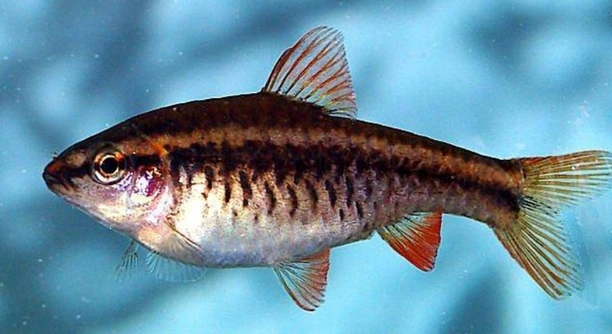
Cherry barbs are a popular choice for aquarium enthusiasts due to their vibrant colors and active nature. However, there are times when these fish may need to be quarantined to ensure a healthy environment for both them and their tank mates.
Cherry barbs should be quarantined if they show signs of illness, injury, or stress, or if they have been recently added to the tank. Quarantining them prevents the spread of potential diseases to other fish and allows for proper treatment.
Quarantining cherry barbs is crucial to maintaining the health of your aquarium. By following proper protocols, you can help ensure that your fish thrive in a safe and clean environment.
When Cherry Barbs Show Symptoms of Illness
If your cherry barb starts to act differently, it’s important to watch closely for any symptoms. Fish can show signs of illness through abnormal behavior, such as staying near the surface, swimming erratically, or hiding. Physical signs like faded colors, lesions, or torn fins may also appear. These could be symptoms of a bacterial or parasitic infection that needs immediate attention. Quarantining your cherry barb allows you to isolate the illness, preventing it from spreading to other fish in the tank. It also gives you the chance to administer the right treatments without stress.
Proper care and prompt treatment are essential to recovery. If your cherry barb shows visible signs of illness, removing them to a quarantine tank allows for controlled medication and reduces the risk of further complications.
Some fish illnesses can be contagious and affect other species. This makes quarantine especially important, as it gives your cherry barb the best chance of recovery while ensuring that the rest of your tank remains unaffected. Monitor the fish closely for any signs of improvement or worsening during this time.
When You Add New Fish to the Tank
Introducing new cherry barbs into your aquarium can be exciting but comes with risks. Even healthy-looking fish can carry diseases that might not show up immediately. Placing new fish in a separate quarantine tank for a few weeks helps ensure they are not bringing any illnesses into your established tank.
This precaution is crucial because some diseases take time to develop, and you may not see any signs right away. By keeping the new cherry barbs isolated, you can observe their health before introducing them to the main tank, reducing the chances of infection spreading to your other fish.
It’s always better to be safe than sorry when adding new fish to your tank. During quarantine, monitor their eating habits, behavior, and any possible signs of illness. This gives you the best chance to avoid costly and stressful outbreaks in your aquarium later on.
When They Are Injured
Injuries, whether caused by tank mates or environmental stress, can quickly lead to infection if not addressed. If a cherry barb is injured, it’s best to quarantine them. This isolates them from the stress of other fish and helps keep the injury clean and protected while they recover.
While quarantined, it’s easier to monitor the injury for any signs of infection, like swelling or pus. You can also provide medications or treatments specific to the injury without the concern of affecting other fish.
It’s important to keep the water quality in the quarantine tank optimal to avoid further stress on the injured fish. Regular water changes and maintaining the right temperature can help speed up recovery. If the injury is severe, consult with a vet who specializes in fish to get the proper guidance on healing.
When They Are Showing Stress
Cherry barbs can easily become stressed, especially when they are in a new environment or surrounded by aggressive tank mates. Stress can lead to poor health and make the fish more susceptible to illness. Quarantining a stressed cherry barb can reduce the factors causing the distress.
Stress can manifest in different ways, such as erratic swimming, hiding, or loss of appetite. Keeping them isolated helps remove these triggers, allowing them to relax and recover. If necessary, you can adjust the water conditions in the quarantine tank, such as temperature or pH, to help them feel more comfortable.
Over time, providing a calm and stable environment will allow the cherry barb to regain its health. Ensuring they are in a stress-free space will help them adapt better to the tank’s conditions when reintroduced, improving overall well-being.
When They Are Exposed to Contaminated Water
If the water in your main tank becomes contaminated, it’s vital to quarantine any fish, including cherry barbs. Contaminants like ammonia, nitrites, or chloramine can affect their health. Quarantining them prevents exposure while you address the issue in the main tank.
Once in the quarantine tank, the cherry barb can be monitored for signs of stress, disease, or injury caused by the contaminated water. Meanwhile, you can treat the main tank and restore the water’s quality, ensuring it’s safe for the rest of your fish.
When They Are Overcrowded
An overcrowded tank can lead to stress, poor water quality, and an increased chance of aggression among tank mates. When cherry barbs are placed in a tank with too many other fish, their well-being is at risk. Quarantine can help them adjust to a better environment.
If overcrowding becomes an issue, consider transferring some fish to a new tank or increasing the size of the current one. Quarantine helps you monitor the cherry barb’s health during this transition while giving them some space to relax.
FAQ
How long should I quarantine my cherry barb?
The recommended quarantine period for cherry barbs is about 2 to 4 weeks. This gives you enough time to observe for signs of illness or stress. During this period, monitor the fish closely for any abnormal behavior or symptoms, like loss of appetite, abnormal swimming patterns, or visible sores. Quarantining for this duration ensures any hidden diseases or parasites are given time to show up. Once the fish shows no signs of illness and adjusts well, you can safely introduce them to the main tank.
Can I put multiple cherry barbs in the quarantine tank?
Yes, you can place multiple cherry barbs in the same quarantine tank as long as the tank is large enough to accommodate them comfortably. Overcrowding in the quarantine tank can cause unnecessary stress and limit the fish’s ability to recover. Ensure the quarantine tank has proper filtration, enough swimming space, and appropriate water conditions for each fish. However, if any cherry barb shows signs of illness, it is better to isolate them in a separate tank to prevent the potential spread of diseases.
What should I do if my cherry barb shows signs of illness during quarantine?
If your cherry barb starts showing signs of illness during quarantine, you should immediately begin treatment. Depending on the symptoms, you may need to adjust the water parameters (temperature, pH, hardness) to match what is ideal for their recovery. If necessary, consult a veterinarian or use aquarium medication to treat bacterial or parasitic infections. The quarantine tank gives you the perfect opportunity to administer medication without it affecting the other fish in your main tank. Be sure to follow all instructions on the medication and make water changes as recommended to maintain a clean environment.
Is it necessary to have a separate quarantine tank for each fish?
It is not strictly necessary to have a separate quarantine tank for each fish, but it is recommended if you have limited space. If multiple cherry barbs or other species need quarantine, you can place them together in one tank, provided they get along and there’s enough room. The goal is to isolate the fish from the main tank and allow proper observation. However, if any of them show signs of aggression, illness, or stress, separating them into individual quarantine tanks might be necessary for their recovery.
Can I use the same quarantine tank for other species?
Yes, you can use the same quarantine tank for different species, but it’s important to keep certain factors in mind. Ensure that the water conditions (temperature, pH, etc.) are appropriate for both species. If the cherry barbs are sharing the tank with other fish, make sure there’s no risk of disease transmission between them. You should also keep a close eye on their interactions. If any species seem aggressive towards the cherry barbs, it’s best to separate them. The quarantine tank should allow each species enough space to recover without stress.
What temperature should the quarantine tank be?
The temperature in the quarantine tank should be around 75°F to 80°F (24°C to 27°C) for cherry barbs. This is the ideal temperature range for their health and recovery. However, if your cherry barb is sick or stressed, slightly adjusting the temperature (within safe limits) can help with their recovery. Warmer water can speed up metabolism, which may aid in faster healing, but make sure it’s not too hot as it can cause further stress. Always use a thermometer to keep track of the water temperature in the quarantine tank.
How do I maintain water quality in the quarantine tank?
Maintaining water quality in the quarantine tank is essential for the health of your cherry barb. Regular water changes (about 25-30% weekly) are necessary to keep the tank clean and remove any excess waste or toxins. Make sure the filtration system is working properly to keep the water clean, but avoid strong currents that may stress the fish. Test the water regularly for ammonia, nitrites, and nitrates, as well as pH and hardness. Proper water conditions will help the cherry barb recover faster and reduce the chances of further health issues.
Should I feed my cherry barb during quarantine?
Yes, it is important to feed your cherry barb during quarantine, but be cautious not to overfeed. Offer small amounts of high-quality fish food, such as flake or pellet food, and observe their eating habits. If your fish is stressed or ill, they may not eat as much. In this case, it’s best to offer food at regular intervals and remove any uneaten food to maintain water quality. A balanced diet will support their recovery, but it’s essential not to disrupt the water conditions by leaving uneaten food in the tank for too long.
Can I add plants or decorations to the quarantine tank?
Yes, adding plants or decorations to the quarantine tank is beneficial for the cherry barb’s mental well-being. Plants or hiding spots provide comfort and reduce stress by offering places for the fish to hide or rest. However, keep the decorations simple and easy to clean. Live plants can help improve water quality, but be sure they are free from any pests or diseases before adding them to the tank. Avoid overcomplicating the setup—keeping the quarantine tank simple and clean is key to a successful quarantine process.
How do I know when it’s safe to return the cherry barb to the main tank?
Once the cherry barb has completed the quarantine period (2 to 4 weeks) without showing signs of illness, stress, or injury, it’s generally safe to return them to the main tank. Ensure that they have fully recovered and that no symptoms are present. You should also check that the water in the main tank is healthy, and that it matches the temperature and other conditions the fish experienced in quarantine. This ensures a smooth transition and reduces the risk of relapse or new stress-related issues for your cherry barb.
Final Thoughts
Quarantining cherry barbs is an important step in maintaining a healthy aquarium. It helps protect both the new fish and your established tank from potential diseases and stress. Whether you’re adding new fish, dealing with injuries, or trying to manage water quality, quarantine gives you the chance to isolate problems before they spread. It’s not always easy, but the effort to keep your cherry barbs in a safe, controlled environment can prevent bigger issues down the line. Knowing when and how to quarantine your fish can save you from future headaches and ensure a better experience for both you and your fish.
Proper care and attention are key during the quarantine process. While in isolation, make sure to monitor your cherry barbs closely for any signs of illness or distress. By creating a calm environment with the right water conditions, you give them the best chance to recover or adjust. Remember that quarantining isn’t just about separating sick fish; it’s also about helping new arrivals settle into their new home without being overwhelmed. It’s also a good opportunity to address any potential issues that could be harmful to your other fish.
At the end of the day, quarantining your cherry barbs is about ensuring they stay healthy and happy. It might seem like extra work, but it’s worth the effort. Quarantine can prevent the spread of diseases and reduce stress in your aquarium. By following proper quarantine procedures and being patient, you create a better environment for your fish. This practice not only improves the overall health of your cherry barbs but also contributes to the overall well-being of your entire tank.

Hello,
If you enjoy the content that we create, please consider saying a "Thank You!" by leaving a tip.
Every little bit helps us continue crafting quality advice that supports the health, happiness, and well-being of pets around the world, for pets of all shapes, sizes, and species.
We really appreciate the kindness and support that you show us!