
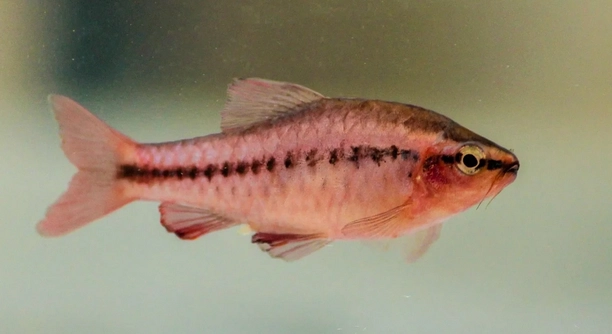
Cherry barbs are generally peaceful fish, but sometimes they might act out of sync with their typical behavior. This can be confusing for fish owners. Understanding the reasons behind these actions is essential for keeping them healthy and happy.
Cherry barbs may act out of sync due to several factors such as environmental changes, tank mates, water quality, and breeding behaviors. Stress or an imbalanced diet can also cause them to display unusual behaviors, disrupting their usual calm nature.
Recognizing the causes behind this behavior can help you address it. By identifying the problem early, you can create a more comfortable and stable environment for your cherry barbs.
Changes in Water Quality
Cherry barbs are sensitive to changes in water quality. Fluctuations in temperature, pH, or hardness can cause them to act out of sync. Poor water conditions stress the fish, and they may display erratic behavior such as darting or hiding. Regularly testing the water and maintaining stable conditions is key to keeping them calm. If you notice sudden changes, check the water parameters and adjust as necessary. When water quality is not optimal, it can lead to poor health in your cherry barbs, which may trigger behavioral shifts.
Water testing kits can help track important parameters like ammonia, nitrate, and nitrite levels. If any of these are elevated, you need to take action. A partial water change can help bring levels back to normal, but make sure the water you add is treated and at the correct temperature. Also, ensure your filtration system is working well to prevent further issues.
Consistent water changes and careful monitoring will not only prevent stress but also promote a healthier tank environment for your fish. If your cherry barbs are stressed due to poor water quality, they may become more aggressive or lethargic. It’s essential to stay on top of water maintenance to avoid these problems.
Stress from Tank Mates
Tank mates play a big role in the behavior of cherry barbs. If they are kept with aggressive or overly active fish, it can stress them out. Fish that constantly chase or nip at them may cause a cherry barb to act out of character. Stress from tank mates can cause them to swim erratically or hide more often than usual.
To prevent this, carefully select compatible tank mates. Cherry barbs tend to do best with other peaceful fish. Avoid adding large or territorial species that might intimidate them. Keeping a balance of tank mates will ensure the fish feel secure and less likely to act unusually.
A harmonious community tank allows your cherry barbs to thrive. They will swim more freely, show their natural color, and generally behave more calmly when surrounded by non-aggressive companions.
Temperature Fluctuations
Temperature fluctuations can make cherry barbs act out of sync. These fish prefer stable, warm water and don’t respond well to drastic changes in temperature. If the water becomes too cold or too hot, they may swim erratically or hide more than usual.
A heater can help maintain a consistent temperature, which is crucial for the health and well-being of your fish. Sudden temperature changes can weaken their immune system, making them more prone to illness. Make sure the heater is working correctly and check the temperature regularly to prevent any issues.
If you notice your cherry barbs acting strangely, the water temperature should be the first thing you check. Avoid placing your tank in direct sunlight or near drafty windows where temperatures can fluctuate. Keeping the water stable will help keep their behavior in check.
Poor Diet
A poor diet can lead to behavioral problems in cherry barbs. When they don’t get the right nutrients, they may become lethargic, stressed, or act out of sync. Providing a varied diet with high-quality flakes or pellets can improve their overall health.
A well-balanced diet that includes live or frozen food like brine shrimp or daphnia will encourage natural behavior and help your cherry barbs maintain a healthy appearance. It’s important to avoid overfeeding, as uneaten food can pollute the water and contribute to poor water quality. Feeding small amounts throughout the day is a better approach.
Keep an eye on their eating habits. If they’re not interested in food or seem sluggish after eating, it may be a sign that their diet needs improvement. Offering a variety of food options can keep them active and help prevent health problems.
Breeding Behavior
Breeding can cause cherry barbs to act out of sync. During mating season, they may become more active or aggressive. Males often chase females, and this can lead to erratic swimming patterns. It’s important to monitor their behavior during this time.
If your cherry barbs are showing sudden changes in behavior, breeding might be the cause. It’s common for males to show off their bright colors and chase after females. While this is normal, it can be stressful for the fish involved, especially if there is competition between males.
Understanding that breeding behavior is temporary can help you manage their activities. Giving them a bit of space and reducing stress in the tank will help restore normal behavior once the mating season passes.
Tank Size
A tank that is too small can make cherry barbs feel cramped, leading to stress. With limited space, they may display unusual behavior, such as rapid swimming or hiding more often. A larger tank allows them to feel more secure.
Cherry barbs thrive in tanks that offer ample swimming space. For a group of 5 or more fish, a 20-gallon tank is recommended. A spacious environment will reduce territorial disputes and minimize the stress that leads to acting out of sync.
The more room they have, the more relaxed your cherry barbs will be. This encourages natural swimming and social behavior, preventing odd actions caused by overcrowding.
Overcrowding
Overcrowding is another factor that can make cherry barbs behave unusually. When too many fish are placed in a small tank, they compete for space and resources. This causes stress and can lead to more aggressive or hidden behavior.
Fish should have enough space to swim freely, and overcrowding increases the chances of conflicts between tank mates. This also negatively impacts water quality, as more waste is produced, leading to higher stress levels. Overcrowding can also hinder breeding, as fish will have fewer places to hide or claim territory.
Adding more space or reducing the number of fish can help calm the situation. A well-planned tank setup will promote better fish health and more predictable behavior.
FAQ
Why are my cherry barbs swimming erratically?
Erratic swimming in cherry barbs can be caused by stress, poor water quality, or changes in the environment. Check for fluctuations in temperature, pH, or ammonia levels. If these are off, your fish might swim in unpredictable patterns to cope with the discomfort. Overcrowding or aggressive tank mates can also lead to unusual swimming behaviors, as the fish try to escape or defend themselves. Consider adjusting the water conditions, adding more space, or removing aggressive fish to restore their calm.
How can I tell if my cherry barbs are stressed?
Stressed cherry barbs will show signs such as hiding more frequently, swimming erratically, or showing pale or faded colors. If they are avoiding food or darting around the tank, they might be under stress. It’s also common for stressed fish to become more territorial or to stop interacting with others. Stress is often linked to environmental issues, so ensuring that the water quality, temperature, and tank mates are in check is crucial.
Do cherry barbs need a specific water temperature?
Yes, cherry barbs thrive in a stable water temperature range of 72-78°F (22-26°C). Temperatures outside this range can stress the fish and lead to erratic behavior. It’s important to monitor the water regularly and adjust as needed to keep it within the preferred range. Sudden fluctuations can be particularly harmful, so make sure your heater is working correctly and that the tank is not exposed to drafts or direct sunlight.
Can poor water quality cause cherry barbs to act out?
Absolutely. Cherry barbs are sensitive to changes in water quality. High levels of ammonia, nitrites, or nitrates can stress them out, leading to unusual behavior. Dirty water can cause lethargy, erratic swimming, or a lack of appetite. Regular water changes, maintaining a proper filtration system, and testing water parameters are essential to keep your fish healthy. Clean water helps them feel secure and behave naturally.
How often should I feed my cherry barbs?
Feeding cherry barbs 1-2 times a day is usually sufficient. Overfeeding can lead to water quality problems and may cause them to become lethargic. It’s important to offer small amounts of food that they can consume in a few minutes to avoid waste. Vary their diet with high-quality flakes, pellets, and occasional live or frozen foods like brine shrimp to keep them active and healthy.
Can cherry barbs live with other fish?
Yes, cherry barbs are peaceful and generally get along well with other non-aggressive species. They do best in a community tank with fish of similar size and temperament. Avoid keeping them with large, aggressive fish that might bully or nip at them. Small, peaceful species like tetras, rasboras, or guppies make good companions for cherry barbs. Just be sure to monitor the interactions to ensure there are no signs of stress.
Why are my cherry barbs hiding all the time?
Hiding behavior is often a sign of stress or discomfort. If your cherry barbs are constantly hiding, it could be due to poor water conditions, overcrowding, or aggressive tank mates. Cherry barbs tend to be shy fish, but they usually show more confidence in a peaceful and stable environment. Try to improve the water quality, reduce stress factors, and ensure they have plenty of hiding spots to feel secure.
What tank size do cherry barbs need?
For a small group of cherry barbs, a 20-gallon tank is recommended. This gives them enough space to swim comfortably and reduces stress from overcrowding. Providing enough room for them to move freely also helps prevent territorial behavior. Larger tanks allow for better water quality management and more space for tank mates, which will help keep the fish calm and healthy.
Do cherry barbs breed easily in captivity?
Cherry barbs can breed in captivity, but it requires the right conditions. They tend to spawn in slightly acidic, well-planted tanks with soft water and a temperature of around 75-78°F (24-26°C). When ready to breed, males will display vibrant colors and chase females. After spawning, it’s best to remove the adults to prevent them from eating the eggs. With the right setup, you can expect baby cherry barbs in about 24 to 48 hours after fertilization.
Can cherry barbs live without a filter?
While cherry barbs can survive without a filter for a short period, it’s not ideal for their long-term health. A filter helps maintain clean water by removing waste and toxins that can harm the fish. Without proper filtration, water quality can deteriorate quickly, leading to stress, illness, and abnormal behavior. If you’re unable to use a filter, consider performing more frequent water changes to keep the environment safe.
Why are my cherry barbs turning pale?
Paleness in cherry barbs is usually a sign of stress or poor health. If they are exposed to unfavorable water conditions, they may lose their bright colors. Stress from tank mates, temperature fluctuations, or poor diet can also cause fading. Ensure that their environment is stable, with good water quality, proper nutrition, and compatible tank mates to help them regain their vibrant colors. If the issue persists, it might be a sign of illness, so a check-up is advisable.
Are cherry barbs schooling fish?
Yes, cherry barbs are schooling fish and feel more comfortable in groups of at least five individuals. They display natural behavior when kept in groups, such as swimming together and socializing. Keeping them in smaller groups can lead to stress and less active behavior. A larger group encourages their natural tendencies to swim peacefully together, reducing stress and promoting healthy interactions within the tank.
What should I do if my cherry barbs are not eating?
If your cherry barbs are not eating, check for signs of stress, illness, or water quality problems. Stress from poor tank conditions or aggressive tank mates can cause a loss of appetite. If the water quality is off, they may refuse food. Make sure to monitor their behavior and consider changing their environment or food to encourage feeding. If the problem persists, a veterinarian or aquatic expert may be able to help.
Final Thoughts
Cherry barbs are usually peaceful and easy-to-care-for fish that make great additions to most community tanks. However, like all fish, they can sometimes act out of sync due to various factors. Understanding the reasons behind these behaviors is key to ensuring they remain happy and healthy. Whether it’s changes in water quality, temperature fluctuations, or stress from tank mates, small adjustments can go a long way in helping them return to their normal behavior.
Maintaining a stable and clean environment is crucial. Regular water changes, checking the water quality, and monitoring the temperature can prevent many issues that might cause your cherry barbs to act out. If they are kept in a well-maintained tank with compatible fish, they are more likely to display their usual calm and active behavior. Keeping an eye on their diet and feeding them appropriate amounts will also contribute to their overall well-being.
Finally, if your cherry barbs continue to act out of sync despite these efforts, it may be time to consider other factors like overcrowding or potential health issues. In most cases, addressing the root cause of stress, whether it’s from environmental changes, poor tank mates, or diet, will help restore the fish’s natural behavior. By staying attentive and making adjustments as needed, you can ensure your cherry barbs thrive and remain content in their tank.

Hello,
If you enjoy the content that we create, please consider saying a "Thank You!" by leaving a tip.
Every little bit helps us continue crafting quality advice that supports the health, happiness, and well-being of pets around the world, for pets of all shapes, sizes, and species.
We really appreciate the kindness and support that you show us!