
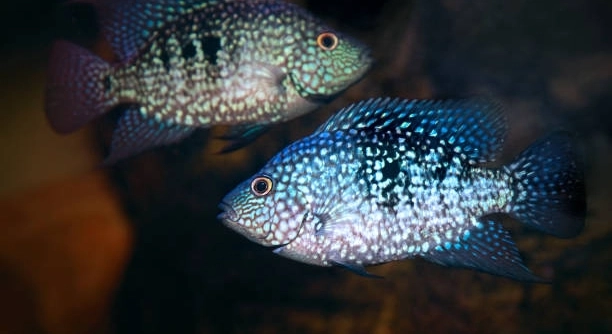
Have you ever noticed that decorations in your fish tank can collect grime or affect water quality over time? Keeping them clean is important for both the appearance of your tank and the health of your fish.
Decorations should be removed from the tank in seven key situations: when cleaning the tank, when algae buildup occurs, if they are damaged, after rearranging the layout, when they release harmful substances, during fish illness, or when introducing new tank mates.
Knowing when to remove these items ensures a safe, healthy environment for your fish and helps maintain the tank’s overall balance.
Signs of Algae Buildup
Algae can appear quickly on tank decorations, especially in tanks exposed to strong lighting or excess nutrients. When you notice green, brown, or slimy patches forming on ornaments, it’s a clear sign they need removal. Leaving algae-covered decorations can harm water quality, reduce oxygen levels, and create an unhealthy environment for your fish. Even hardy fish can become stressed when algae takes over hiding spots or disrupts their normal swimming patterns. Regularly checking decorations during water changes helps catch buildup early. Simple scrubbing with a soft brush outside the tank can remove most algae, but some items may need soaking or replacement if growth is stubborn. Consistent maintenance prevents larger issues and keeps your tank looking clean. Keeping decorations algae-free also reduces the risk of spreading algae spores throughout the aquarium, which can affect plants and filter systems over time.
Algae-covered items should be cleaned or removed immediately to protect fish health and tank appearance.
Maintaining a tank without decorations overwhelmed by algae requires routine inspection and cleaning. Removing ornaments temporarily allows thorough scrubbing and soaking with safe solutions, such as diluted vinegar, to eliminate stubborn algae. Decorations that are porous or difficult to clean may be better replaced. After cleaning, decorations should be rinsed thoroughly with fresh water to avoid chemical residues. Returning clean decorations to the tank improves water clarity and prevents oxygen depletion caused by algae. Consistent care and monitoring reduce recurring algae problems and create a more stable environment for fish to thrive.
After Fish Illness
Decorations can hold bacteria or parasites that contributed to a fish’s illness. Removing and disinfecting these items prevents reinfection and protects healthy fish.
Disinfecting decorations after an illness involves soaking them in a mild bleach solution, rinsing thoroughly, and ensuring no chemical residue remains before returning them to the tank.
Even if only one fish shows symptoms, treating all decorations in the tank is essential. Items like caves, driftwood, or plastic ornaments can harbor pathogens in tiny crevices, which are hard to clean during routine maintenance. Removing these items temporarily allows proper sterilization and helps break the cycle of illness. This process reduces stress on the remaining fish and keeps water quality stable. Consistent observation after reintroducing decorations ensures no recurring signs of disease appear, maintaining a healthy, balanced aquarium environment.
Damaged Decorations
Broken or cracked decorations can injure fish or release harmful substances into the water. Sharp edges or crumbling pieces pose a risk, making immediate removal necessary.
Even small cracks in ceramic, plastic, or resin decorations can trap bacteria and debris, which can negatively affect water quality. Fish may scrape against jagged surfaces, causing injuries or stress. Decorations that have lost their finish or coating can leach chemicals or dyes into the tank, especially if they are painted or coated. Removing these items promptly prevents health issues, maintains tank cleanliness, and ensures a safer environment for fish to explore.
Replacing damaged decorations also helps maintain the visual appeal of the tank. Smooth, intact surfaces are easier to clean and less likely to harbor algae or pathogens. Some items may be repairable with aquarium-safe adhesives, but in most cases, replacement is safer. Prioritizing safe, sturdy decorations prevents accidents and ensures your fish enjoy a secure, stimulating habitat without unnecessary hazards.
Rearranging the Tank
Reorganizing decorations improves space, flow, and fish comfort, and sometimes requires temporary removal of items. Careful placement ensures hiding spots and swimming areas are balanced.
Moving decorations allows for better water circulation and reduces stagnant areas where debris collects. Fish rely on consistent territories and hiding spots, so thoughtful rearrangement minimizes stress. Removing decorations temporarily gives the opportunity to deep-clean the tank, scrub ornaments, and check for wear. It also allows inspection of substrate and plants for hidden debris or algae.
After repositioning, decorations should be placed securely to prevent tipping or collapsing. Observing fish behavior following rearrangement ensures they adjust well to the new layout. Gradual changes are preferable, particularly in tanks with territorial species, as sudden changes can cause conflicts. Maintaining open swimming paths and accessible hiding spots supports natural behaviors and promotes a calmer, healthier environment. A well-planned layout keeps the tank attractive while meeting the needs of all its inhabitants.
Porous Decorations
Porous decorations like certain rocks, driftwood, or unsealed ceramics can absorb waste and chemicals, making them harder to clean. Regular removal is necessary to prevent buildup that can affect water quality and fish health.
Soaking porous items outside the tank helps remove trapped debris and harmful substances. This reduces the risk of water contamination and keeps the tank safe for aquatic life.
New Fish Introduction
Adding new fish can introduce bacteria or parasites. Removing decorations temporarily allows thorough cleaning and reduces the risk of spreading disease to existing fish.
Staining or Discoloration
Decorations that stain or discolor over time may release chemicals or indicate algae buildup. Removing them ensures water remains clear and safe for fish.
FAQ
How often should I remove decorations from my tank?
Decorations should be removed whenever you notice algae buildup, damage, or discoloration. Routine checks during water changes help determine the frequency. Some items may need cleaning every few weeks, while others last longer without issue. Regular observation ensures both aesthetics and fish health are maintained.
Can I clean decorations while they are still in the tank?
Minor scrubbing can sometimes be done in the tank, but this may not remove all bacteria or algae. Removing decorations allows thorough cleaning and prevents spreading debris throughout the water, reducing stress for the fish and maintaining water clarity.
What cleaning solutions are safe for decorations?
Mild bleach solutions diluted with water, vinegar, or specialized aquarium cleaners are effective. Always rinse items thoroughly to remove any residue. Avoid soaps or detergents, as these can be toxic to fish and disrupt water balance.
Should I remove all decorations during a fish illness?
Yes, removing and disinfecting decorations helps prevent reinfection. Even if only one fish is sick, pathogens can hide in ornaments, caves, and porous surfaces. Treating all items ensures a safer environment and reduces stress for remaining fish.
How do I handle fragile or porous decorations?
Fragile items like unsealed driftwood or soft rocks should be soaked and scrubbed outside the tank. If the item absorbs too much debris or chemicals, replacement is often safer. This protects both water quality and the fish from potential hazards.
Can rearranging decorations stress fish?
Yes, sudden changes can stress territorial or shy species. Temporarily removing decorations and gradually repositioning them helps fish adjust. Maintaining hiding spots and open swimming areas supports natural behavior and reduces conflict among tank inhabitants.
What should I do if decorations are discolored or stained?
Discoloration may indicate algae, chemical leaching, or wear. Removing and cleaning these items preserves water quality. In some cases, replacing old decorations is safer than attempting repeated cleaning, particularly for porous or fragile materials.
Is it necessary to remove decorations when introducing new fish?
Yes, cleaning or temporarily removing decorations reduces the risk of introducing bacteria or parasites into the tank. This step protects existing fish and creates a controlled environment for new additions.
Can decorations affect water chemistry?
Certain decorations, especially porous rocks or driftwood, can release minerals, tannins, or chemicals into the water. Removing and treating these items prevents unwanted changes in pH or hardness, ensuring a stable environment for fish.
How do I know if a decoration is unsafe?
Signs include cracks, sharp edges, chemical odors, or persistent staining. Decorations that degrade, absorb debris excessively, or release color should be removed. Prioritizing safety prevents injuries and maintains overall tank health.
Are there decorations I should avoid entirely?
Avoid items that are not aquarium-safe, painted with non-toxic but non-aquarium coatings, or made from soft materials that break apart easily. Choosing sturdy, non-porous, and certified safe decorations reduces maintenance and health risks for your fish.
Can regular removal and cleaning extend decoration lifespan?
Yes, consistent maintenance prevents buildup, reduces wear, and helps decorations last longer. Proper care ensures they remain visually appealing while protecting water quality and providing a safe habitat for fish.
Does removing decorations impact fish behavior?
Temporary removal may cause mild stress but generally does not harm fish if hiding spots and swimming areas are maintained. Fish adapt quickly when reintroduced to a familiar, clean environment.
How do I safely disinfect decorations?
Soak decorations in a diluted bleach solution or vinegar, scrub to remove debris, then rinse thoroughly multiple times. Ensure no residue remains before returning items to the tank to prevent chemical harm.
Are natural decorations better than artificial ones?
Both have benefits. Natural items like driftwood or rocks can affect water chemistry, while artificial decorations are often easier to clean and durable. Choosing depends on the tank’s needs and fish species, but safety and cleanliness are priorities.
What is the easiest way to maintain decorations?
Routine inspection, gentle scrubbing, and periodic removal keep decorations clean. Avoid letting algae or waste accumulate, and replace damaged or porous items as needed. Consistency prevents bigger problems and supports a healthier tank.
Can I leave decorations in a tank during deep cleaning?
Removing them is usually best. This allows complete substrate cleaning, reduces debris spread, and ensures decorations themselves are fully cleaned. Leaving items in place may trap dirt and stress fish.
Is it necessary to quarantine decorations?
For new or porous items, a short soak or rinse before introducing them to the tank reduces potential pathogens. Quarantining helps prevent contamination and keeps fish safer.
How do I know which decorations need replacing?
Check for cracks, fading, chemical leaching, persistent algae, or wear that prevents effective cleaning. Items that compromise water quality or safety should be replaced promptly to maintain a healthy aquarium.
What is the impact of neglecting decoration maintenance?
Neglected decorations can harbor algae, bacteria, and debris, affecting water quality, stressing fish, and increasing the risk of illness. Regular removal, cleaning, or replacement prevents these problems and ensures a stable, healthy tank environment.
How can I balance aesthetics with maintenance?
Choose decorations that are safe, easy to clean, and durable. Arranging them thoughtfully allows open swimming areas and hiding spots while minimizing algae buildup or damage. This balance keeps the tank attractive and functional.
Are certain fish more affected by decoration issues?
Territorial, bottom-dwelling, or shy species are most sensitive to sharp, damaged, or algae-covered decorations. Removing unsafe items and providing clean, secure hiding spots reduces stress and supports natural behavior patterns.
Can decorations influence tank cleaning frequency?
Yes, porous or heavily detailed ornaments can trap debris, requiring more frequent removal and cleaning. Smooth, non-porous decorations reduce buildup and make routine maintenance simpler. Proper selection saves time and maintains water quality.
How should I store removed decorations?
Clean and dry decorations completely before storage. Keeping them in a dry, dust-free area prevents mold, algae, or chemical contamination, ensuring they remain safe when returned to the tank.
Is professional advice necessary for decoration safety?
For unusual materials or large tanks, consulting aquarium specialists can help avoid chemical hazards or structural issues. Expert guidance ensures decorations are safe, durable, and compatible with fish species.
What is the long-term benefit of proper decoration care?
Regular removal, cleaning, and replacement support stable water quality, healthy fish, and a visually appealing tank. Consistent maintenance prevents stress, disease, and deterioration, keeping the aquarium safe and enjoyable for years.
How do I prioritize which decorations to remove first?
Focus on items showing algae growth, damage, or discoloration. Then address porous or chemical-leaching items. Regular inspections allow timely action, maintaining safety and appearance.
Can removing decorations help with tank odor?
Yes, buildup on ornaments can release foul smells. Removing and cleaning decorations reduces odor, improves water clarity, and supports a healthier, more pleasant environment for both fish and caretakers.
What tools are best for cleaning decorations?
Soft brushes, sponges, or cloths designed for aquarium use work best. Avoid abrasive tools that can scratch surfaces or remove safe coatings. Gentle cleaning preserves both aesthetics and safety.
How do I handle decorations with delicate features?
Remove them carefully and clean gently with soft brushes. Avoid strong chemicals or forceful scrubbing that could break or damage intricate details. Delicate items may require more frequent maintenance to stay safe and clean.
Are there signs that decorations are affecting fish behavior?
Fish may avoid certain areas, show stress, or scrape against rough edges. Algae-covered or damaged items can disrupt natural behavior. Observing these signs helps identify which decorations need attention.
Can decorations be reused after fish illness?
Yes, if properly disinfected and rinsed thoroughly. Safe cleaning breaks the cycle of pathogens and allows reuse without harming remaining or new fish.
What should I do if algae returns quickly after cleaning?
Evaluate lighting, feeding, and water conditions. Some decorations may need more frequent removal or replacement. Controlling nutrients and light exposure helps prevent recurring algae growth.
How important is the material of the decoration?
Material affects durability, cleaning ease, and potential chemical leaching. Choose aquarium-safe plastics, ceramics, or treated wood over untested or porous materials for long-term safety.
Can frequent removal stress fish?
Temporary removal may cause minor stress, but fish generally adapt quickly. Maintaining some familiar structures and returning items promptly reduces disruption.
How can I make decoration maintenance part of my routine?
Schedule checks during water changes or monthly cleanings. Keep tools and cleaning solutions accessible. Consistent effort prevents buildup, extends decoration life, and ensures a healthier environment.
Are there decorations that require no removal?
Some high-quality, non-porous ornaments need minimal attention but still benefit from occasional cleaning. Ignoring all maintenance can still lead to algae, staining, or hidden debris.
What is the impact of improper cleaning?
Incomplete cleaning can leave bacteria, algae, or chemicals in the tank. This affects water quality, fish health, and overall tank aesthetics. Proper methods ensure safety and cleanliness.
Can decorations influence plant growth?
Yes, decaying or algae-covered decorations can block light or release substances that harm plants. Regular removal supports both fish and plant health.
Is it safe to soak decorations overnight?
Yes, for certain items in safe solutions like diluted vinegar or bleach. Rinse thoroughly afterward. Avoid soaking delicate or painted items too long to prevent damage.
How do I prevent future decoration problems?
Regular inspection, careful placement, and appropriate cleaning intervals prevent damage, algae buildup, and chemical leaching. Choosing durable, non-porous, and safe items reduces maintenance challenges.
Do all fish benefit from decoration removal?
Most species benefit, especially those sensitive to algae, toxins, or sharp edges. Regular maintenance ensures a stable, safe environment for a variety of fish.
How can I tell if cleaning worked?
Decorations should look clean, free of algae, and odorless. Water clarity improves, and fish behavior often normalizes. Proper inspection confirms effective maintenance.
Are DIY decorations safe?
Only if made from aquarium-safe materials and thoroughly cleaned before use. Avoid painted, treated, or porous household items that could leach chemicals or harbor bacteria.
What is the best approach for large tanks?
Remove decorations in sections, clean thoroughly, and return items gradually. This prevents stress and maintains water quality while managing the workload effectively.
Can decorations trap food or waste?
Yes, textured or porous decorations often collect uneaten food and fish waste. Regular removal and cleaning prevent decay and water quality issues.
How do I clean tiny or intricate decorations?
Use soft brushes, toothpicks, or soak items to loosen debris. Gentle methods protect details while ensuring effective cleaning.
Should I remove decorations during water changes?
It is a good opportunity to check for algae, damage, or buildup. Temporary removal allows deeper cleaning without disturbing fish too much.
How do I safely reintroduce cleaned decorations?
Rinse thoroughly, check for residues, and place them securely in the tank. Observe fish for adjustment and ensure water parameters remain stable.
Are some fish more likely to damage decorations?
Yes, active, territorial, or digging species can crack, scratch, or move ornaments. Monitor interactions and replace damaged items as needed.
Can decorations affect filter performance?
Debris trapped in porous or cluttered decorations may reduce flow or clog filters. Regular removal and cleaning help maintain efficient filtration.
How do I balance cleaning frequency and fish stress?
Keep a consistent schedule, clean decorations outside the tank when possible, and avoid sudden, extensive changes. Gradual maintenance reduces stress while preserving water quality.
What is the safest way to disinfect plastic decorations?
Soak briefly in diluted bleach or vinegar, scrub gently, rinse thoroughly, and air dry. Avoid harsh chemicals or long soaking that could damage surfaces.
Do artificial plants need removal?
Yes, algae and debris accumulate on artificial plants. Periodic removal ensures water clarity, prevents decay, and keeps fish safe from trapped particles.
Can decorations harbor snails or pests?
Yes, some decorations can shelter unwanted snails, parasites, or insects. Removing and cleaning ornaments prevents infestations and protects fish health.
How do I choose low-maintenance decorations?
Opt for non-porous, smooth, durable materials that are easy to clean. Avoid intricate, fragile, or porous items that trap debris and require frequent attention.
Does tank size affect decoration maintenance?
Larger tanks may require more time and effort, but routine removal, cleaning, and inspection remain essential. Larger tanks often have more decorations, making organization and scheduling important.
How important is drying decorations after cleaning?
Drying prevents mold, mildew, and bacterial growth. Completely dry items before returning them to the tank to maintain a safe, healthy environment.
Are aquarium-safe adhesives safe for repairs?
Yes, specifically labeled aquarium-safe adhesives can repair minor cracks. Avoid non-aquarium glues, which may leach toxins into the water.
What is the risk of leaving old decorations in the tank?
Old, worn, or algae-covered decorations can degrade water quality, release chemicals, and stress fish. Regular removal and replacement protect the tank and its inhabitants.
Can regular decoration care reduce fish illness?
Yes, proper cleaning, disinfection, and replacement prevent bacteria, parasites, and algae accumulation, reducing the risk of disease and supporting overall fish health.
How do I monitor decoration safety over time?
Inspect items for cracks, discoloration, algae buildup, and signs of wear. Keep a maintenance log to track cleaning frequency and replacement needs.
What is the best method for hard-to-clean items?
Soaking, gentle scrubbing, and using soft brushes or cloths allows thorough cleaning. If buildup persists, replacement is safer than repeated partial cleaning.
How do I minimize disruption when removing decorations?
Remove one or two items at a time during routine maintenance. Clean and return them promptly to reduce stress on fish and maintain tank balance.
Are there decorations that never need removal?
Even durable, smooth ornaments benefit from periodic inspection and occasional cleaning to prevent algae, debris accumulation, or unnoticed damage.
Can improper decoration maintenance affect fish growth?
Yes, poor water quality, stress, and reduced swimming space caused by neglected or damaged decorations can slow growth and weaken fish health.
How do I clean large driftwood pieces?
Soak, scrub with a soft brush, and rinse thoroughly. Boiling or long soaking may be needed to remove tannins and debris. Ensure no harmful residues remain before returning to the tank.
Does water type affect decoration maintenance?
Hard or soft water can influence algae growth, mineral deposits, and chemical interactions with decorations. Regular checks and cleaning help maintain stability.
What is the recommended storage for spare decorations?
Store clean, dry, and dust-free in a secure container. Avoid moisture or sunlight, which can promote mold or fading.
How often should artificial plants be removed?
At least once a month, or when algae or debris becomes noticeable. Frequent removal prevents buildup and maintains water quality.
Are some decorations more prone to algae than others?
Yes, porous, textured, or dark-colored items often collect algae faster. Smooth, light-colored, or artificial decorations are easier to maintain.
Can decorations affect fish breeding?
Yes, unsafe or algae-covered items can interfere with nesting, hiding spots, and overall reproductive behavior. Clean and safe decorations support healthy breeding environments.
Do I need to remove decorations during partial water changes?
Not always, but checking items allows quick cleaning if debris or algae is present. Full removal may be necessary for stubborn buildup.
What is the best way to handle live plants?
Live plants may need gentle cleaning, trimming, or temporary removal. Avoid harsh chemicals and ensure they remain safe for fish.
How can I tell if a new decoration is safe?
Check labels for aquarium safety, avoid porous or treated household items, and inspect for sharp edges or chemical odors before introducing them to the tank.
Can leaving decorations uncleaned affect filter efficiency?
Yes, trapped debris and algae can reduce water flow, clog filters, and affect filtration performance. Regular removal and cleaning prevent these issues.
How do I prevent decorations from tipping over?
Place heavier items on flat surfaces, avoid stacking unstable ornaments, and secure lightweight items if necessary. Stability reduces accidents and stress for fish.
What is the role of decorations in fish enrichment?
Decorations provide hiding spots, resting areas, and exploration opportunities. Clean, safe ornaments support natural behavior and reduce stress, enhancing overall fish well-being.
How do I safely clean resin decorations?
Use warm water, soft brushes, and mild solutions like vinegar. Avoid harsh chemicals and prolonged soaking to prevent leaching or surface damage.
Are there decorations that encourage algae growth?
Yes, porous, textured, or dark ornaments often promote algae attachment. Removing and cleaning them regularly prevents excessive growth.
Can decorations impact water hardness or pH?
Certain rocks, shells, or driftwood may alter pH or hardness. Removing or treating these items helps maintain a stable environment for fish.
What is the safest way to dry decorations after cleaning?
Air dry completely in a clean, dry area. Avoid direct sunlight on painted or delicate items to prevent fading or warping.
How do I clean decorations in tanks with sensitive fish?
Remove items carefully, clean outside the tank, and use gentle, fish-safe methods. Avoid harsh chemicals or abrupt changes that could stress sensitive species.
Can decorations hide uneaten food?
Yes, textured or porous items can trap food, leading to decay and water quality issues. Regular removal and cleaning prevent buildup and odors.
Are there benefits to rotating decorations?
Rotating ornaments occasionally reduces algae buildup, encourages exploration, and maintains visual interest while supporting fish activity.
How can I check for chemical leaching?
Monitor water clarity, fish behavior, and observe discoloration on decorations. Test water parameters if unsure. Removal or replacement ensures safety.
What is the effect of neglected artificial plants?
They collect algae and debris, reducing water quality and creating potential stress for fish. Routine removal and cleaning are necessary to maintain a healthy tank.
Can decorations affect oxygen levels?
Yes, heavy algae growth or dense clusters can reduce water flow, lowering oxygen levels. Removing and cleaning items supports proper circulation.
How do I clean large or heavy decorations safely?
Remove with care, use supportive tools, and clean gradually. Avoid sudden drops or excessive force to prevent damage to both items and tank surfaces.
Do decorations influence fish social behavior?
Yes, hiding spots, territories, and visual barriers affect interactions. Clean, safe decorations promote natural behavior and reduce aggression.
Are certain plastics safer than others?
High-quality, aquarium-safe plastics are stable and non-toxic. Avoid low-grade or recycled plastics that may leach harmful chemicals over time.
**How should decorations be
Maintaining decorations in your fish tank is more than just keeping it looking good. Clean, safe decorations contribute directly to water quality and the health of your fish. Over time, even the most attractive ornaments can accumulate algae, bacteria, or other debris that may harm aquatic life. Decorations that are cracked, porous, or discolored can release substances into the water, affecting pH levels and overall tank stability. By regularly inspecting and removing decorations when necessary, you prevent these problems before they impact your fish. This process also ensures that hiding spots, caves, and resting areas remain safe and functional, supporting natural fish behavior. Even minor issues, if left unaddressed, can escalate into larger problems, stressing your fish and creating additional maintenance challenges. A careful and consistent approach to decoration care keeps both the tank and its inhabitants in optimal condition.
Regular removal and cleaning of decorations is essential for long-term maintenance. Some decorations, particularly porous or textured items, can trap waste and uneaten food, which contributes to poor water quality. Removing these items allows for thorough cleaning, including scrubbing, soaking, or disinfecting, depending on the type of material. Even artificial decorations benefit from periodic care, as algae and grime can accumulate on their surfaces over time. Natural items like driftwood or rocks may need additional attention, as they can release tannins or minerals that affect water chemistry. Cleaning outside the tank ensures that debris and microorganisms are fully removed, preventing contamination of the aquarium. It also allows you to inspect decorations for damage that could harm your fish. In many cases, replacement may be safer than attempting repeated cleaning of worn or fragile items. By taking these steps, you create a safer, more stable environment that supports fish health and reduces maintenance issues over time.
Consistent attention to decorations also impacts the overall aesthetic and enjoyment of the tank. A well-maintained tank provides clear water, vibrant colors, and functional structures that support fish activity. Decorations influence swimming patterns, territorial boundaries, and hiding spaces, all of which affect fish behavior and comfort. By removing items at the first signs of algae, damage, or discoloration, you maintain a visually appealing setup while preventing stress for your fish. Thoughtful placement and periodic rearrangement can improve flow, reduce stagnant areas, and encourage natural exploration. Additionally, taking the time to clean or replace decorations regularly demonstrates proactive care, reducing the risk of illness and prolonging the lifespan of both the ornaments and the tank itself. Over time, these practices build a healthier, safer, and more attractive aquarium that benefits both the fish and the overall maintenance routine. Prioritizing decoration care ensures a stable, functional, and enjoyable environment for all tank inhabitants.

Hello,
If you enjoy the content that we create, please consider saying a "Thank You!" by leaving a tip.
Every little bit helps us continue crafting quality advice that supports the health, happiness, and well-being of pets around the world, for pets of all shapes, sizes, and species.
We really appreciate the kindness and support that you show us!