
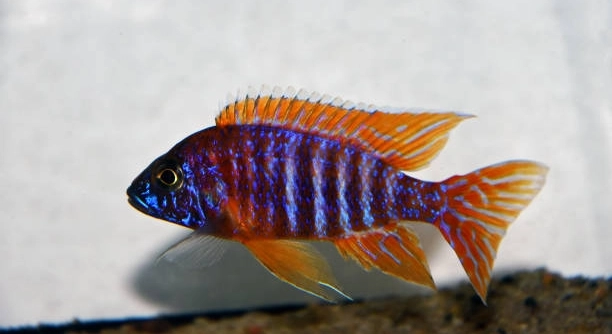
Breeding cichlids can be a rewarding experience, but managing their environment requires careful attention. Knowing when to remove fish from a breeding tank helps maintain health and reduces stress for both adults and fry.
Cichlids should be removed from a breeding tank when aggression becomes dangerous, fry are at risk, overpopulation occurs, water quality deteriorates, disease appears, breeding cycles repeat too quickly, or parental care fails to protect the young.
Proper timing ensures the well-being of your fish and supports a successful breeding process for future tanks and generations.
Aggression Between Parents
Aggression is a common issue in a cichlid breeding tank. When one fish starts chasing or attacking its mate, it can quickly escalate and cause injuries. Territorial disputes are frequent, especially if the tank is too small or hiding spots are limited. Some cichlids naturally become more aggressive during breeding, defending their chosen area with intensity. If fighting becomes constant, removing one parent is often necessary to prevent serious harm. Stress from aggression can also affect water quality, as injured fish may bleed or produce excess waste. Observing the fish closely during this period is crucial. Signs of stress include hiding, fin damage, and reduced feeding. Providing separate tanks or dividers can reduce tension, but in many cases, complete removal is safer. Acting quickly preserves the health of both the adults and their offspring.
Parental aggression can endanger fry, so timely intervention ensures survival and maintains a calmer tank environment for all fish.
Some breeders prefer to separate aggressive cichlids immediately after spawning. This allows fry to grow safely while adults recover. Constant monitoring during the first few days is critical, as aggression can spike unexpectedly. Removing a parent prevents further injuries and reduces stress-induced health problems. It also stabilizes water quality, which is often compromised during fights. Over time, adults can be reintroduced in a neutral tank or bred again under more controlled conditions. By addressing aggression promptly, breeders protect both the current batch of fry and the long-term health of their breeding stock. Maintaining a structured environment with proper space and hiding places further minimizes conflicts. Observing subtle behaviors helps anticipate aggressive outbreaks before serious harm occurs. This proactive approach ensures a safer and more productive breeding process, giving both adults and fry a better chance to thrive.
Fry at Risk
Fry are delicate and can be easily harmed if left with aggressive adults.
When fry are small, adults may eat them, especially during the first week after hatching. Separating fry into a nursery tank is often the safest method to ensure survival. Nursery tanks allow controlled feeding, stable water conditions, and less stress for the young fish. Using gentle filtration and frequent monitoring helps fry grow strong and reduces the chance of disease. Parents can be reintroduced later if aggression has subsided. Properly timed removal protects the offspring and improves the overall success rate of the breeding process.
Observing the tank closely during early fry development is essential. Even well-behaved parents can become unpredictable, especially if food is scarce or water conditions change. Removing fry from the main tank ensures they have a stable environment to grow without interference. Nutrient-rich food and proper temperature support healthy growth, while hiding spots reduce stress. As fry grow larger, they can be gradually introduced to other tanks with care. Keeping adults separated during this period minimizes risk, allowing breeders to manage multiple batches without compromising health. Consistent monitoring and maintenance of water quality are critical, as even minor changes can impact young fish survival. A separate nursery tank also provides space for observation, making it easier to identify any signs of disease or weakness early. This structured approach maximizes fry survival and supports strong, healthy fish ready for future breeding.
Overcrowding
Overcrowding stresses both adults and fry. Too many fish in a breeding tank increases competition for space and food, often leading to aggression or neglect. Removing some cichlids helps maintain a balanced environment and supports healthier growth for the remaining fish.
When a tank becomes overcrowded, water quality deteriorates quickly. Waste levels rise, ammonia increases, and oxygen decreases, all of which can harm fry and adults alike. Adults may become more territorial, and fry may hide too much, missing meals. Separating excess fish into another tank or selling them if appropriate reduces stress and prevents disease outbreaks. Overcrowding can also slow growth, as limited access to food and space hinders development. Regularly monitoring population numbers and tank conditions helps maintain stability, giving both adults and fry a safer, healthier environment. Maintaining proper space ensures fry grow strong while adults remain healthy and less aggressive.
Careful planning of tank population prevents complications. Removing excess fish allows for controlled feeding, proper water quality, and reduced aggression, creating a stable breeding setup that benefits every fish in the tank.
Water Quality Issues
Poor water conditions directly threaten fish health. Frequent testing and adjustments are essential to prevent stress, disease, or fry mortality. Removing cichlids from a tank with unstable water can prevent serious losses.
Ammonia, nitrite, and nitrate levels rise quickly in a breeding tank with many fish. Water may become cloudy or develop an unpleasant odor. Fry are especially sensitive to these changes, and adults may become stressed, increasing aggression or causing parental neglect. Immediate removal of some fish allows for water correction and prevents long-term damage. Regular water changes, proper filtration, and monitoring pH and hardness help maintain stability. Tanks must also have sufficient aeration to support both adults and fry. Neglecting water quality often results in stunted growth, weakened immunity, and higher mortality rates. Controlled removal ensures water conditions remain optimal, giving fish the best chance to thrive and grow healthily.
Managing water quality requires careful observation and quick action. Separating adults or fry when conditions deteriorate stabilizes the environment, reduces stress, and ensures a higher survival rate. Consistent maintenance, including partial water changes and filtration checks, prevents harmful spikes in ammonia or nitrites. Fry benefit from stable, clean water, which supports growth and reduces disease risk. Adults recover faster in properly balanced conditions, making future breeding safer and more predictable. Proactive management also allows breeders to track the impact of diet, population size, and tank setup on water stability. By acting decisively, the tank remains a healthy, controlled environment for all cichlids.
Disease Appearance
When disease appears, immediate action is necessary. Sick cichlids can spread infections quickly in a breeding tank, putting both adults and fry at risk. Removing affected fish limits exposure and allows for proper treatment without harming healthy fish.
Quarantining sick cichlids in a separate tank helps prevent outbreaks. Treatment can be tailored, and water conditions can be optimized to support recovery.
Failed Parental Care
If parents fail to care for their fry, removal is required. Neglected fry may starve, be attacked, or suffer from stress. Intervening ensures young fish have a safe environment. Proper feeding and monitoring in a separate tank increase their survival chances and overall growth.
Repeated Breeding Cycles
Continuous breeding without rest can weaken adults. Overworked cichlids show reduced health, aggression, and lower-quality offspring. Removing them after a cycle allows recovery and maintains strong, viable breeding stock. Proper timing between cycles improves overall tank stability and fish longevity.
Fry Overgrowth
Fry can grow too quickly, overcrowding the tank and stressing adults. Timely removal to a larger tank or separate nursery prevents competition, ensures proper nutrition, and reduces aggression, allowing both fry and adults to thrive.
FAQ
How do I know when cichlids are too aggressive?
Aggression becomes noticeable when chasing, nipping, or cornering occurs repeatedly. Adults may damage fins or scales, and stressed fish often hide or refuse to eat. Monitoring behavior daily helps identify early signs. If aggression persists, removing one or more fish is necessary to protect both adults and fry. Providing hiding spots can reduce tension temporarily, but persistent attacks signal the need for separation.
What is the best way to remove fry safely?
Use a small net or gentle siphon to transfer fry to a prepared nursery tank. Ensure water temperature, pH, and hardness match the breeding tank. The nursery should have minimal current, fine filtration, and frequent feeding with suitable fry food. Regular monitoring ensures fry remain healthy during this transition.
How often should I check water quality in a breeding tank?
Daily testing is ideal, especially during the first weeks after spawning. Ammonia, nitrite, nitrate, and pH levels should be monitored closely. Any spikes require immediate partial water changes. Maintaining stable water parameters reduces stress, prevents disease, and supports fry growth. Adults are less aggressive when water conditions are stable.
Can I leave adults in the tank after removing fry?
Yes, if aggression is low and water quality is good. Adults may continue to guard territory but pose less risk to fry if none remain. Monitoring their behavior is still important, as aggression can flare unexpectedly. Providing adequate space and hiding spots helps maintain calm.
What are the signs of water quality problems?
Cloudy water, foul odors, excessive algae, or unusual fish behavior indicate water issues. Fish may gasp at the surface, hide excessively, or refuse food. Testing for ammonia, nitrites, and nitrates confirms problems. Acting quickly by removing some fish or performing water changes stabilizes conditions.
How do I prevent overcrowding in a breeding tank?
Plan tank population carefully. Remove excess fry or adults once space becomes limited. Separate tanks or nurseries allow controlled feeding and reduce competition. Regularly observe tank dynamics to ensure all fish have room to swim and access to food. Overcrowding increases aggression and lowers survival rates.
Should I treat sick fish in the breeding tank?
No, sick fish should be quarantined. Treating in the main tank risks exposing healthy adults and fry to medication or infection. A separate quarantine tank allows controlled treatment and recovery. Proper water changes and monitoring improve chances of full recovery before reintroduction.
How do I manage repeated breeding cycles?
Allow adults rest between cycles to recover strength. Overbreeding reduces immunity and increases aggression. Removing adults after spawning gives them time to regain energy. Adequate nutrition and stable tank conditions improve offspring quality in future cycles.
What if fry grow too quickly in the breeding tank?
Rapid growth increases crowding and competition for food. Transferring fry to a larger nursery or separate tank prevents stress, ensures proper nutrition, and reduces aggression from adults. Regular feeding schedules and observation help maintain healthy growth without overcrowding.
How long should adults be removed after aggressive behavior?
Adults can return once they have calmed, usually several days to a week. Ensure fry are safe and water conditions remain stable. Gradual reintroduction helps reduce aggression and maintains a balanced environment. Observation remains essential to prevent renewed conflict.
Can I use dividers instead of removing adults?
Dividers work for temporary separation, especially in the early fry stage. They prevent direct contact while allowing water circulation. However, if aggression or neglect continues, complete removal is safer. Dividers are a short-term solution for monitoring and managing adult behavior.
What feeding strategies help reduce aggression?
Frequent, small meals reduce competition. High-quality food ensures adults and fry get proper nutrition. Feeding near hiding spots or across multiple locations lowers stress. Overfeeding can worsen water quality, so balance quantity with tank size and population.
How can I tell if parental care is failing?
Signs include fry left unattended, adults attacking or ignoring young, and reduced feeding. Fry may hide excessively or show poor growth. Early removal and controlled nursery care improve survival rates. Observation is key to identifying subtle failures before serious losses occur.
Is it necessary to remove all adults after each breeding cycle?
Not always. Remove adults only if aggression, neglect, or overcrowding occurs. Healthy adults in a stable tank may remain without harming fry. Evaluate behavior, tank conditions, and population size to decide on removal.
How do I prepare a nursery tank for fry?
Use clean water with the same parameters as the breeding tank. Gentle filtration, low current, and hiding spots support fry safety. Feed small, frequent meals suitable for their size. Frequent monitoring ensures fry remain healthy and stress-free during growth.
Can removing fish affect water stability?
Yes, sudden removal changes bioload, which may alter ammonia and nitrate levels. Monitor water closely after transfer, adjust feeding, and perform partial water changes if needed. Gradual removal helps maintain stability and prevents sudden stress.
What is the best way to reintroduce adults after separation?
Introduce adults slowly into a neutral or enlarged tank. Observe behavior carefully for signs of renewed aggression. Gradual reintroduction allows adults to establish territory without endangering fry or each other. Provide hiding spaces to reduce tension.
How do I balance breeding success with fish health?
Monitor population, water quality, and behavior. Remove fish when necessary to reduce stress, aggression, and disease risk. Rotate adults between breeding cycles and maintain proper nutrition. Consistent observation ensures both fry and adults remain healthy while achieving successful breeding outcomes.
How often should I inspect fry after removal?
Daily checks are important. Look for growth progress, feeding efficiency, and signs of disease. Adjust water quality, temperature, and feeding as needed. Early intervention prevents minor issues from becoming serious problems. Proper observation increases survival and growth rates.
What are the most common mistakes in managing a breeding tank?
Overcrowding, ignoring aggression, poor water quality, and failing to remove fry or sick adults are the most frequent errors. Planning tank space, monitoring behavior, and acting promptly prevents these issues. Maintaining a structured approach ensures healthier fish and successful breeding results.
Managing a cichlid breeding tank requires careful attention and consistent observation. Each decision, from when to remove adults to how to handle fry, affects the health and survival of the fish. Aggression, overcrowding, poor water quality, and disease can quickly turn a controlled environment into a stressful one for both adults and fry. Acting promptly to address these issues is essential. Removing aggressive adults, quarantining sick fish, and transferring fry to nursery tanks are not signs of failure but measures to ensure the safety of the tank. Regular monitoring allows you to anticipate problems before they escalate, helping maintain a balanced environment that supports growth and breeding success. Proper planning, attention to water conditions, and careful management of fish behavior all contribute to a healthier, more stable tank. Over time, following these practices builds confidence and understanding of your cichlids’ needs.
Breeding cichlids is a process that combines patience with practical action. Each breeding cycle presents its own challenges, from handling aggression to managing fry growth and maintaining water quality. Adults may require rest periods between cycles to prevent stress and depletion, while fry need safe spaces with consistent feeding and stable water. Separating fish when necessary allows both adults and fry to thrive without undue stress. Understanding the natural behaviors of cichlids, such as territorial instincts and parental care patterns, helps in making informed decisions. Intervening at the right time, whether for aggression, neglect, or overcrowding, ensures better outcomes for every fish in the tank. Keeping records of behavior, water parameters, and feeding routines can help refine future breeding practices. By observing closely and responding thoughtfully, breeders can create an environment where both adults and fry grow strong and healthy.
Consistency and careful observation are key to successful cichlid breeding. Maintaining stable water conditions, monitoring feeding and behavior, and adjusting tank populations when needed reduces stress and improves survival rates. Every action, from removing fry to managing aggressive adults, contributes to the overall health of the tank. Using nursery tanks for fry, quarantining sick fish, and planning population sizes prevent common issues that can affect growth and longevity. While breeding cichlids can sometimes feel challenging, a structured and attentive approach makes the process manageable and rewarding. Over time, these practices help maintain strong, healthy adults and thriving fry. A well-maintained tank reduces conflict, supports proper nutrition, and allows fish to exhibit natural behaviors safely. By focusing on careful management, observation, and timely intervention, a breeder can achieve a productive and balanced environment for all cichlids in the tank.

Hello,
If you enjoy the content that we create, please consider saying a "Thank You!" by leaving a tip.
Every little bit helps us continue crafting quality advice that supports the health, happiness, and well-being of pets around the world, for pets of all shapes, sizes, and species.
We really appreciate the kindness and support that you show us!