
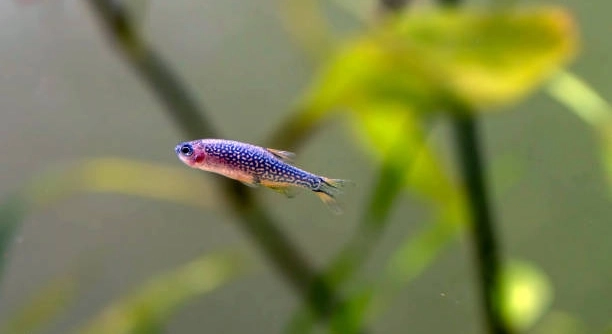
Celestial Pearl Danios are small, vibrant fish that bring color and movement to aquariums. Their delicate nature requires careful attention to health, water quality, and social dynamics to maintain a thriving tank environment for these lively creatures.
Quarantining Celestial Pearl Danios is necessary during illness, new tank introductions, breeding, sudden stress, parasite infestations, after chemical treatments, or unusual behavior. Implementing quarantine helps prevent disease spread, reduces stress, and ensures proper monitoring for early intervention.
Proper quarantine practices can protect your entire aquarium, maintaining both fish health and a peaceful community for these beautiful, active species.
Signs of Illness in Celestial Pearl Danios
When I first noticed my Celestial Pearl Danios acting unusually, I realized that illness can appear in subtle ways. Common signs include loss of appetite, faded colors, clamped fins, or erratic swimming. Sometimes they hide more than usual, which can indicate stress or infection. External spots, bloating, or ragged fins are also indicators of health issues. Observing these behaviors early allows for quicker intervention. Regular monitoring of water parameters, such as temperature, pH, and ammonia levels, is equally important. Poor water conditions often trigger illness before visible symptoms appear. Quarantining affected fish immediately can prevent the spread of bacteria or parasites to the main tank. A separate tank with gentle filtration and stable conditions allows the fish to recover without additional stress. I keep a small quarantine tank ready at all times, which has saved several fish when problems appeared unexpectedly. Early attention often makes the difference between full recovery and lasting harm.
Quarantine during illness isolates the affected fish, reducing stress on the group and lowering disease transmission risks.
Using quarantine, I can treat infections efficiently. Observing behavior closely, adjusting medication, and maintaining clean water helps recovery. Proper monitoring ensures the fish regain health without affecting the main tank environment.
Introducing New Fish
Adding new Celestial Pearl Danios requires careful quarantine to avoid introducing disease. Even healthy-looking fish may carry hidden parasites or bacteria. Quarantining for at least two weeks allows me to monitor them closely before adding them to the main tank. This period also gives the fish time to adapt to water conditions similar to the main aquarium.
During quarantine, I provide a balanced diet, gentle aeration, and stable temperature. Stress from transportation can weaken immunity, making new arrivals vulnerable. I inspect fins, scales, and behavior daily, looking for lethargy or unusual swimming patterns. Observation helps detect early signs of illness that may otherwise go unnoticed. Medication or water treatment can be applied safely without affecting the main tank. Over time, the fish become acclimated and healthier, reducing risks of outbreaks in the community. Quarantine also allows gradual introduction to social groups, minimizing aggression or bullying. Taking these precautions ensures the main tank remains stable, and all fish stay healthy and active. Proper quarantine is a small effort that saves potential long-term health problems.
Stressful Environmental Changes
Sudden changes in water temperature, pH, or hardness can stress Celestial Pearl Danios. Even minor fluctuations may cause erratic swimming, hiding, or loss of appetite. Quarantine during these changes helps them adjust safely without affecting other fish in the main tank.
When I adjusted my main tank’s temperature, I noticed my fish became lethargic and avoided areas they usually swam through confidently. Moving them temporarily to a quarantine tank with controlled conditions reduced stress significantly. I monitored water chemistry carefully, making gradual changes to prevent shock. Maintaining stable lighting, filtration, and aeration also helped them regain normal behavior. Stress weakens immunity, making them more vulnerable to illness. Quarantine provides a safe space where fish can stabilize and recover. I found that patience and observation during this period prevented potential health problems.
In addition to water parameters, stress can arise from aggressive tank mates or overcrowding. Quarantine tanks allow me to observe social interactions without risk. Removing stressors and providing hiding spots ensures the fish regain confidence. I also pay attention to diet, offering small, frequent meals to support immune function. After a few days in a calm, stable environment, the fish typically resume normal activity. Using quarantine strategically during stressful events helps protect both new and established fish in the main aquarium.
Parasite Infestations
Parasites can spread quickly, so quarantine is essential at the first sign of infection. I separate affected fish to prevent transmission and begin targeted treatment immediately. Observation is key to detecting early symptoms like flashing, scratching, or unusual swimming.
When my Danios showed small white spots, I moved them to a quarantine tank. I used a safe medication regimen while keeping water quality high. Monitoring their behavior and feeding habits helped assess treatment effectiveness. Isolation prevented parasites from reaching other tank inhabitants. Daily inspections allowed me to track improvement and adjust treatment as needed. Recovery often takes one to two weeks depending on severity.
Quarantine also gives me a chance to address secondary health issues caused by parasites, like fin damage or stress-related infections. I provide gentle aeration, stable temperature, and clean water to support healing. This approach reduces the risk of relapse and keeps the main tank environment safe. Keeping treatment records and observing subtle behavior changes ensures all fish return to the main tank healthy. Strategic use of quarantine makes parasite management more efficient and effective, ultimately protecting the community.
After Chemical Treatments
Using medications or water treatments in the main tank can harm healthy fish. Quarantining Celestial Pearl Danios ensures they receive proper care while avoiding exposure to chemicals that may stress or injure them.
A separate tank allows me to monitor recovery closely. I can control dosage and observe behavior without affecting the main community.
Unusual Behavior
When fish display odd swimming patterns, loss of appetite, or excessive hiding, quarantine helps isolate the issue. I can observe closely to determine whether the problem is illness, stress, or environmental factors.
Breeding Purposes
Quarantine is essential when preparing for breeding. Isolating a pair allows me to monitor health, ensure proper nutrition, and reduce stress. This controlled environment increases spawning success and protects fry from aggressive tank mates.
Sudden Tank Stress
Unexpected events like equipment failure or accidental contamination can stress fish. Quarantine provides a safe space to recover and reduces the risk of spreading illness to other inhabitants.
FAQ
How long should I quarantine Celestial Pearl Danios?
I usually keep new or sick fish in quarantine for at least two weeks. This period allows me to monitor health, check for parasites, and adjust water conditions gradually. Some illnesses or treatments may require longer, so I observe behavior and appearance daily to decide when they are ready for the main tank.
Can I use the same quarantine tank for multiple fish?
Yes, I can house several Danios together if they show no signs of illness. I avoid overcrowding and provide hiding spots to reduce stress. If one fish becomes sick, I separate it immediately to prevent spreading disease to the others.
What equipment is needed for a quarantine tank?
A small tank with gentle filtration, a heater, and an aerator is sufficient. I also include a thermometer and water testing kits to maintain stable conditions. Minimal décor and hiding spots help reduce stress while keeping monitoring simple.
Should I feed differently in quarantine?
Yes, I provide small, frequent meals to encourage eating and support immunity. I use high-quality flake or micro-pellets and sometimes add frozen or live foods. Overfeeding is avoided to keep water quality stable and reduce stress on the fish.
How do I know if quarantine is working?
I watch for improvements in appetite, color, and swimming behavior. Fish that recover their energy and normal activity indicate that quarantine and treatment are effective. Any decline signals the need for further observation or adjustment in care.
Can quarantine prevent all diseases?
Quarantine reduces the risk of disease spread but does not guarantee complete prevention. I use it as a preventive measure combined with clean water, proper diet, and careful observation. Healthy fish in quarantine are less likely to develop or transmit infections.
What should I do if a quarantined fish refuses to eat?
I check water quality first, as poor conditions can suppress appetite. Then I offer varied foods and observe for signs of illness. If feeding does not improve, I consult treatment options suitable for the suspected issue while maintaining a stress-free environment.
How often should I clean the quarantine tank?
I perform partial water changes every two to three days, removing waste and maintaining water quality. Complete cleaning is avoided to prevent sudden environmental changes that can stress the fish. Gentle siphoning and careful handling are key.
Can quarantine be used for breeding?
Absolutely. I isolate pairs or small groups to monitor health, encourage spawning, and protect fry. Controlled conditions during quarantine help improve breeding success and reduce stress from other tank inhabitants.
Is quarantine stressful for the fish?
Some initial stress is possible due to relocation, but stable water, minimal handling, and hiding spaces help them adjust. I monitor closely, and most fish adapt within a few days. Quarantine ultimately reduces long-term stress by preventing illness and maintaining stable conditions.
How do I handle medications in quarantine?
I carefully follow dosage instructions and monitor water parameters during treatment. Using quarantine allows me to medicate without harming other tank fish. Daily observation ensures treatments are effective and fish respond well, minimizing the risk of side effects.
Can I reuse a quarantine tank immediately after use?
Yes, but thorough cleaning is necessary. I remove all waste, disinfect surfaces, and rinse thoroughly to prevent residual chemicals or pathogens from affecting the next batch of fish. Proper preparation ensures a safe environment for new arrivals.
What are the most common mistakes in quarantine?
I’ve seen overfeeding, overcrowding, and ignoring water quality as frequent errors. Sudden changes in water parameters or handling also stress fish. Keeping quarantine simple, stable, and monitored carefully avoids these issues and supports faster recovery or acclimation.
How do I transition fish back to the main tank?
I acclimate fish slowly to the main tank water by mixing small amounts over several hours. Gradual introduction reduces stress and allows them to adjust to new conditions without shock. Observing behavior during the first few days is essential to ensure a smooth transition.
Can I use quarantine for preventive care only?
Yes, I often quarantine new fish even when they appear healthy. This preventive approach allows early detection of hidden parasites, reduces the risk of outbreaks, and ensures overall stability of the main tank community.
What is the ideal size for a quarantine tank?
A small tank of 10 to 20 gallons works well for a few Danios. It provides enough space to move and hide without overcrowding. I ensure filtration, temperature, and aeration are suitable to maintain healthy conditions throughout quarantine.
How do I monitor water quality effectively in quarantine?
I test ammonia, nitrite, nitrate, pH, and temperature daily. Small water changes and careful adjustments maintain stable conditions. Keeping a log of readings helps identify trends and prevent sudden fluctuations that could stress the fish.
Are quarantine practices different for sick versus new fish?
Sick fish need careful observation, appropriate medication, and stable water. New fish are monitored mainly for hidden parasites, adaptation to water parameters, and stress. In both cases, a calm, controlled environment ensures recovery or acclimation without impacting the main tank.
Can quarantine reduce aggression in the main tank?
Yes, isolating fish allows me to introduce them gradually, reducing fighting or bullying. It gives dominant and timid fish time to adjust to each other, resulting in a more peaceful community once they are integrated.
How often should I observe quarantined fish?
Daily observation is crucial. I look for changes in swimming, coloration, appetite, and interaction with tankmates. Frequent monitoring allows early intervention if problems arise, increasing the chance of successful recovery or safe introduction to the main tank.
Quarantining Celestial Pearl Danios is an essential practice for maintaining a healthy aquarium. Over time, I have learned that even small, seemingly healthy fish can carry hidden parasites or bacteria that threaten the main tank. By setting aside a separate space for observation and care, I can monitor their behavior, appetite, and overall condition closely. This helps catch problems early, before they spread to other fish. A quarantine tank also allows for controlled adjustments to water temperature, pH, and hardness, which reduces stress and prevents illness. Maintaining a calm and stable environment ensures that fish remain active and resilient, supporting their long-term health.
Another important aspect of quarantine is managing stress. Sudden environmental changes, overcrowding, or aggressive tank mates can affect the well-being of Danios. In my experience, isolating fish during these periods gives them the chance to recover without pressure from other inhabitants. Gentle filtration, stable temperature, and minimal handling are crucial to reduce anxiety and support immune function. Feeding small, frequent meals of high-quality food helps maintain energy levels and promotes recovery. Quarantine provides the space to carefully treat any infections or illnesses while minimizing the risk to the main tank. This controlled environment ultimately improves survival rates and overall health for both new and established fish.
Finally, quarantine is also beneficial for breeding and introducing new fish. Isolating pairs allows for better monitoring of health, nutrition, and behavior, which improves spawning success. Gradual acclimation in quarantine reduces stress during the transition to the main tank. Over time, I have found that consistent quarantine practices save time, reduce losses, and create a more stable aquarium environment. The effort of maintaining a separate tank is small compared to the protection it offers the community. Proper quarantine practices ensure that Celestial Pearl Danios remain vibrant, active, and healthy, contributing to a thriving and balanced aquatic environment that is easier to maintain in the long term.

Hello,
If you enjoy the content that we create, please consider saying a "Thank You!" by leaving a tip.
Every little bit helps us continue crafting quality advice that supports the health, happiness, and well-being of pets around the world, for pets of all shapes, sizes, and species.
We really appreciate the kindness and support that you show us!