
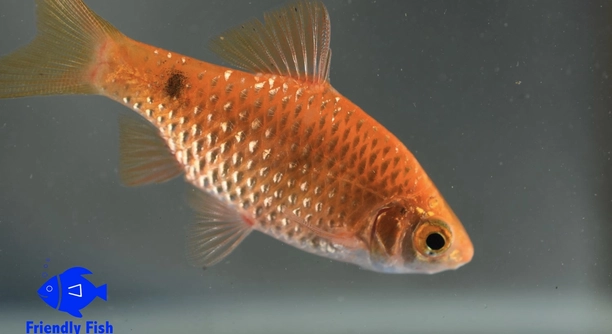
Rosy barbs are popular aquarium fish known for their lively colors and active behavior. Caring for them properly includes managing their environment to keep them healthy and comfortable. Light levels in the tank play a significant role in their well-being.
Dimming the lights for rosy barbs at specific times helps reduce stress, mimics their natural habitat, and supports their circadian rhythms. Lower light conditions during rest periods promote healthier behavior and prevent overstimulation.
Knowing when to dim the lights can improve your rosy barbs’ overall health and happiness in the aquarium. This article highlights seven important times to adjust lighting for their benefit.
When Your Rosy Barbs Are Resting
Rosy barbs need a quiet period to rest, just like any living creature. During the night or their natural downtime, dimming the lights helps signal to them that it’s time to slow down. Bright lights can keep them active when they should be resting, causing stress and disrupting their natural rhythm. Lower light levels create a calm environment, which can reduce aggressive behavior and allow their colors to brighten during the day. Many aquarists notice that fish are less skittish and swim more smoothly with softer lighting at night. Adjusting the tank lighting to simulate dusk and dawn helps keep the fish comfortable and promotes their health over time. Using a timer for your aquarium lights makes this process easier to maintain consistently.
Dimming lights during resting hours supports the natural sleep cycle of rosy barbs. It helps keep their behavior calm and balanced.
Providing a peaceful environment by reducing light encourages your rosy barbs to rest fully. This rest is essential for their immune system and overall vitality. Maintaining a regular light schedule can prevent common stress-related illnesses and improve their lifespan in your tank.
During Tank Cleaning or Maintenance
Cleaning the tank or performing maintenance can be stressful for rosy barbs, especially under bright lighting. When you need to clean or rearrange decorations, dim the lights to reduce visual stress. Fish can become anxious when their environment is disturbed, and harsh lighting adds to their discomfort. Turning down the brightness makes the environment less overwhelming and helps the fish stay calm while you work. This approach can prevent frantic swimming or hiding, which may lead to injury. After cleaning, keep the lights dimmed for a short time to allow the fish to adjust gradually to the restored environment. This practice supports a smooth transition back to their normal activity levels.
Maintaining a calm atmosphere during tank work minimizes stress. Dim lighting helps rosy barbs stay relaxed and avoid panic reactions.
Adjusting light intensity during maintenance shows care for your fish’s comfort. It reduces stress-related issues and supports stable behavior, making upkeep easier for both the fish and the aquarist. By controlling light levels, you ensure a safer and less disruptive environment during necessary tank tasks.
When Introducing New Fish
Dimming the lights helps calm rosy barbs when new fish are added to the tank. Bright lights can increase stress and aggression during introductions.
Lowering the light level creates a less intimidating environment for both existing and new fish. It reduces visibility, making the tank feel safer as the fish adjust to each other. This helps prevent chasing or fighting, which often happens when fish feel threatened. Soft lighting allows the new fish to settle quietly and lowers the chance of injury or stress-related illness. Keeping the lights dim for several hours after introducing new fish supports a smoother transition and better group harmony in the tank.
New fish are vulnerable and need time to adjust. Dim lights reduce visual stress and encourage peaceful behavior during this critical period. Maintaining this practice shows attentiveness to the well-being of all your fish and helps the community tank thrive.
During Feeding Time
Dimming the lights during feeding can help reduce competition and stress. Bright lighting may cause more aggressive behavior when food is introduced.
Lower light levels create a calmer atmosphere, allowing rosy barbs to eat without feeling rushed or threatened. Feeding time can be chaotic if fish compete aggressively, leading to injury or uneven feeding. Dimmed lights slow down their movements and help maintain peace around food. This method can improve feeding efficiency and reduce stress-related behaviors. Adjusting light intensity temporarily during meals encourages all fish to eat comfortably and supports healthier growth and social balance in your aquarium.
When Moving Your Tank
Dimming the lights before moving your tank helps reduce fish stress. Bright lights combined with sudden movement can overwhelm rosy barbs.
Lower light makes the environment calmer, helping fish stay relaxed during the disruption. It also lowers their activity, making them easier to manage while relocating the aquarium.
During Water Changes
Water changes can unsettle rosy barbs, causing stress and erratic swimming. Dimming the lights helps create a calmer atmosphere during this necessary task.
Keeping the lighting low during water changes supports stable fish behavior and prevents sudden reactions. It helps the barbs adjust more easily to changes in water quality and movement.
During Stormy Weather
Storms and fluctuating outdoor light can confuse aquarium fish. Dimming the tank lights helps maintain a consistent environment despite changes outside.
Stable, low lighting during storms reduces anxiety and supports natural behavior, helping your rosy barbs stay calm regardless of weather disturbances.
FAQ
Why is dimming the lights important for rosy barbs?
Dimming the lights helps reduce stress and mimics natural conditions. Rosy barbs come from environments where light levels change throughout the day. Bright, constant lighting can overstimulate them, causing agitation and health issues. Lower light levels at certain times create a more comfortable, natural setting that supports their well-being.
How long should I keep the lights dimmed?
It depends on the situation. For resting periods, dim the lights for 8 to 10 hours overnight to simulate natural night cycles. During stressful times like tank cleaning or introducing new fish, keep the lights dimmed for several hours before and after the event. This helps the fish adjust gradually without sudden changes.
Can dimming lights affect algae growth in my tank?
Yes, dimming the lights can slow algae growth because algae thrive on strong, continuous light. Lowering light intensity for part of the day helps keep algae under control without harming your fish or plants. It’s a simple way to balance the tank’s ecosystem.
Is it safe to keep the lights dim all day?
Keeping lights dim all day is not ideal. Rosy barbs need periods of brighter light for normal behavior and to help their colors stay vibrant. A balanced light schedule, including bright and dim periods, best supports their health. Too little light can affect plant growth if you have live plants in the tank.
How do I dim aquarium lights if I don’t have a dimmer?
If your aquarium lighting system doesn’t have a built-in dimmer, use a timer to control on/off cycles and add indirect lighting by partially covering the tank light with a thin cloth or placing the tank in a shaded area during dim periods. These methods can help lower light intensity without special equipment.
What signs show my rosy barbs are stressed by bright light?
Signs include hiding more than usual, frantic swimming, loss of color, and aggression toward tank mates. They may also stay near the bottom or behind decorations. These behaviors indicate discomfort, and adjusting light levels can help them feel more secure and relaxed.
Can dimming lights improve breeding in rosy barbs?
Yes, dimmer lighting can encourage breeding by simulating natural dawn and dusk conditions. Rosy barbs feel safer and less threatened with softer light, which can increase spawning behavior. Gradually increasing light after dim periods mimics sunrise and signals the start of their active phase, supporting reproduction.
Does the type of light (LED, fluorescent) affect dimming benefits?
Both LED and fluorescent lights respond well to dimming, but LEDs are easier to control with dimmers and timers. The key is to provide consistent changes in light intensity rather than the type of light. Properly dimmed lighting supports fish comfort regardless of the light source.
Should I adjust dimming if I have plants or other species in the tank?
Yes, different species and plants have varied light needs. Plants generally require longer and brighter light, so balance the schedule to support both fish and plants. You may need to keep brighter light periods longer or use separate lighting for plants. Observe your fish’s behavior and plant health to find the best compromise.
How can I tell if dimming lights is helping my rosy barbs?
Improved behavior such as calmer swimming, better color, regular feeding, and less hiding are good signs. The fish will seem less skittish and more social. Reduced signs of stress and illness over time also indicate the lighting changes are beneficial. Monitoring their responses helps you fine-tune the lighting for their needs.
Final thoughts on caring for rosy barbs highlight the importance of creating a stable and comfortable environment. Managing light levels is a key part of this care. Rosy barbs respond well to changes in lighting that mimic their natural habitat. Dimming the lights at certain times helps reduce stress and supports their natural behaviors. It is not just about making the tank look nice but about promoting the health and well-being of your fish. Consistent care with attention to lighting can make a big difference in how your rosy barbs thrive in your aquarium.
Adjusting light levels should be seen as part of the daily routine for aquarium maintenance. Bright light all the time can overwhelm the fish, causing them to become restless or aggressive. On the other hand, too little light can affect their colors and energy. Finding a balance is essential. Using timers or dimmers can make this easier by automating the process. This way, you ensure the fish experience a natural rhythm of light and darkness, just like in their natural environment. This routine also helps you avoid sudden changes that might upset your rosy barbs.
Finally, paying attention to how your rosy barbs behave under different lighting conditions is important. Each tank is unique, and fish can respond differently based on their surroundings and tank mates. Watching for signs of stress or comfort will help you adjust the light levels more effectively. Dimming lights during rest, feeding, maintenance, and introductions is a simple but effective strategy to support their health. When done consistently, it improves their mood, reduces illness, and encourages natural activity. Proper lighting is a small change that brings big benefits to your rosy barbs’ life.

Hello,
If you enjoy the content that we create, please consider saying a "Thank You!" by leaving a tip.
Every little bit helps us continue crafting quality advice that supports the health, happiness, and well-being of pets around the world, for pets of all shapes, sizes, and species.
We really appreciate the kindness and support that you show us!