
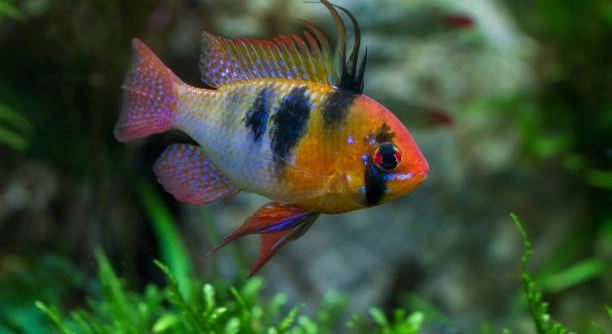
Keeping convict fry can be a rewarding part of aquarium keeping, but it requires careful attention. These small fish are delicate, and their environment can greatly affect their health and growth over time.
There are specific situations when moving convict fry should be avoided to prevent stress and high mortality. Handling them during these periods can disrupt their development, weaken their immune system, and increase the risk of disease or aggression from other tank inhabitants.
Knowing when not to move them is essential for a healthy aquarium. The following guidelines will help ensure your fry grow safely and thrive.
During the First Week After Hatching
The first week after convict fry hatch is the most delicate time in their development. They are very small, and their fins and swim bladders are still forming. Any sudden movement or change in their environment can easily stress them, which slows growth and can even cause death. At this stage, fry are adjusting to feeding and their surroundings, so stability is crucial. Avoid transferring them to another tank, cleaning the tank too thoroughly, or introducing other fish. Even small disturbances like moving decorations or strong water currents can upset them. They need consistent water temperature, gentle filtration, and frequent small feedings. By minimizing handling and keeping the environment calm, you give them the best chance to survive and develop properly. Observing them quietly is fine, but any direct interaction should be avoided until they are stronger and able to swim confidently across the tank. Patience is key in these early days.
Stress during the first week can have lasting effects on growth and survival, so avoid any handling.
Providing a stable, calm environment ensures that fry develop healthy swimming patterns and feed efficiently. This careful approach allows them to build resilience before facing minor changes or interactions. Keeping water conditions stable, feeding consistently, and avoiding unnecessary disturbances are the best ways to support their growth. Once they start swimming freely and eating on their own, they can better tolerate small changes, but early stability forms the foundation for healthy development.
When Water Quality Is Poor
Poor water quality is dangerous for convict fry. Ammonia, nitrites, or sudden pH changes can be lethal, so moving fry during these conditions increases risk.
Exposing fry to water with spikes in ammonia, nitrites, or nitrates can lead to stress, illness, or death. Even slight changes in pH or temperature can affect their fragile bodies. Moving them during water treatments or tank cycling is risky because they are not yet resilient to toxins or fluctuating conditions. Ensuring the tank is fully cycled, water parameters are stable, and temperature is consistent is essential before considering relocation. Additionally, filtration and aeration should be appropriate for their size to avoid accidents. Patience is important, as trying to transfer fry to “better” water prematurely often backfires. A healthy tank provides the best environment for feeding, growth, and natural behavior. Waiting until conditions are safe is the key to supporting their long-term health and minimizing losses. Regular testing and slow adjustments can prevent sudden stressors and ensure fry thrive in their environment.
During Aggressive Tank Conditions
Fry should never be moved when adult fish are aggressive. Territorial adults can attack and injure small fry quickly, leading to high mortality.
Aggression in the tank can come from overcrowding, lack of hiding spots, or breeding pairs protecting their territory. Moving fry into a tank where adults are already established can cause immediate stress and physical harm. Even temporarily placing fry in a tank with aggressive fish increases the risk of injury or death. It is essential to monitor adult behavior and provide sufficient cover, such as plants or rocks, before considering any transfer. Avoiding interaction during these times reduces stress and gives fry a better chance to grow safely. Observing from a distance helps ensure that their environment remains calm, and any intervention should focus on creating safe spaces rather than moving the fry unnecessarily.
Providing separate nursery areas with gentle water flow and plenty of hiding spaces allows fry to feed and grow without fear of attack. These precautions create a controlled environment where they can develop naturally while reducing unnecessary stress and mortality.
Using a breeding box or partitioned section in the main tank is often the best method when aggression is unavoidable. It allows adults to remain in their territory while fry are kept safe. Careful observation and slow, minimal adjustments ensure that fry are protected without causing abrupt stress. This approach also makes feeding easier, as fry can access food without competition. Over time, as they grow and become stronger swimmers, they can gradually be introduced to less protected areas under supervision.
During Illness Outbreaks
Never move fry during illness in the tank. Pathogens spread easily, and relocation increases the chance of infection.
Handling or transferring fry when disease is present can accelerate its spread. Fry have weak immune systems and are particularly vulnerable to bacterial, fungal, or parasitic infections. Moving them exposes them to additional stress, lowering resistance and making treatment less effective. It is crucial to identify the source of illness, isolate infected fish if possible, and stabilize water conditions. Quarantining new fry or fish before introducing them to the main tank helps prevent outbreaks. Regular cleaning, water testing, and proper feeding routines reduce the risk of illness.
If illness occurs, focus on treatment within their current environment rather than moving them. Maintain stable water temperature, correct pH, and ensure proper filtration. Administer medications carefully if required, and remove any contaminated food or debris. Avoid overcrowding, as it increases stress and disease spread. Supporting the fry in place allows them to recover more effectively while reducing the risk of secondary infections. Keeping the tank calm and undisturbed during this time is critical for their survival and eventual healthy growth.
During Water Changes
Fry are extremely sensitive to sudden water changes. Moving them during these times can cause shock and stress, affecting growth and survival.
Even small fluctuations in temperature or chemistry can be harmful. It is better to complete water changes first, let conditions stabilize, and only then consider any movement if necessary.
When Fry Are Very Small
At their tiniest stage, fry have underdeveloped fins and weak swim bladders. Handling or moving them can easily injure or kill them. Their bodies are fragile, and stress can stunt growth or lead to early death. Patience and careful observation are critical until they grow stronger.
During Tank Cleaning
Avoid moving fry while cleaning the tank. Disturbing the substrate or decorations can stress them and damage delicate fins.
How do I know when it is safe to move convict fry?
Fry are generally safe to move once they are strong swimmers, can feed on their own, and have developed most of their fins. Water parameters should be stable, and adults in the tank should not display aggressive behavior. Observing them closely for consistent movement and feeding is the best indicator. Waiting until they are at least a few weeks old reduces stress and improves survival rates.
Can moving fry too early cause permanent damage?
Yes. Fry are fragile, and premature movement can damage fins, stress their swim bladders, and weaken their immune systems. This can slow growth, make them more susceptible to disease, and sometimes result in death. Keeping them in a stable, calm environment during early development is essential.
Is it safe to use nets to transfer fry?
Using nets is risky because fry can easily get stuck or injured. If transfer is necessary, a gentle method like a small cup or container with some tank water is better. Avoid sudden movements and pour them slowly into the new tank to minimize stress.
How long should I wait after a tank cleaning before moving fry?
It is best to wait several hours after completing a tank cleaning. Water chemistry and temperature need to stabilize before any movement. Sudden changes can shock fry and lead to stress or illness. Ensuring the water is the same temperature and fully cycled reduces the risk.
Should I move fry during breeding season?
No. During breeding, adult convicts are highly territorial. Moving fry at this time can trigger aggression and endanger their lives. If fry must be separated, using a breeding box or partitioned section ensures they remain safe while adults continue their usual behaviors.
What precautions should I take if I must move fry during poor water quality?
Ideally, avoid moving fry entirely if water quality is low. If unavoidable, ensure the new environment has stable parameters, no toxins, and proper filtration. Move them slowly and monitor closely for signs of stress or illness after relocation. Immediate corrective measures may be necessary to protect their health.
Can fry adapt to different tanks easily?
Fry are not very adaptable early on. They require stable water conditions, gentle flow, and minimal disturbance. Gradual acclimation is essential when introducing them to a new tank. Sudden changes can lead to stress, reduced feeding, or death. Patience is critical for a successful transition.
How often should fry be monitored after moving?
Daily observation is important for at least the first week. Watch for signs of stress, poor swimming, or reduced feeding. Address issues immediately, such as adjusting water temperature or isolating sick fry. Close monitoring ensures they adapt well and continue healthy growth.
Is it necessary to quarantine fry before moving them?
Quarantining is highly recommended, especially when moving fry to a new tank with other fish. It helps prevent the spread of disease and allows you to monitor their health in a controlled environment. Even a short quarantine period can make a significant difference in survival rates.
Can moving fry improve growth if done correctly?
Yes, but only when done at the right time and under ideal conditions. Moving fry to a tank with better water quality, proper hiding spots, and minimal competition can support growth. However, the key is timing and careful handling to avoid stress or injury.
What is the best container for moving fry?
A small, clean container with some tank water is best. Avoid overcrowding, sudden temperature changes, and rapid movements. Containers with smooth sides reduce the risk of injury, and transferring fry slowly ensures they adjust safely to their new environment.
How can I reduce stress when moving fry?
Minimize handling, maintain stable water conditions, use a gentle transfer method, and provide hiding spaces in the new tank. Calm, deliberate movements and consistent observation during and after transfer are essential to reduce stress and increase survival.
Are there any signs that fry are ready to move?
Strong swimming, consistent feeding, and developed fins are good signs. Fry should respond well to their environment without signs of stress like erratic movement or gasping. Observing these behaviors ensures a safe transfer with minimal risk.
How do I prevent aggression when moving fry to a community tank?
Use a separate nursery area or breeding box at first. Ensure plenty of hiding spots, and introduce fry gradually. Avoid moving them directly into a tank with larger or territorial fish until they are strong enough to swim freely without being threatened.
What is the biggest mistake people make when moving fry?
The most common mistake is moving them too early or during stressful conditions. Rushing the transfer, ignoring water stability, or exposing fry to aggressive adults increases mortality and can stunt development. Patience, careful planning, and gentle handling prevent these issues.
How long should fry stay in a safe, controlled environment before full integration?
Fry should remain in a protected area until they can swim confidently, feed independently, and tolerate minor changes in water parameters. This period usually lasts several weeks, depending on growth rates and tank conditions. Gradual exposure reduces stress and improves long-term survival.
Are there alternatives to moving fry if the main tank is unsafe?
Yes. Creating a temporary nursery section, using breeding boxes, or isolating fry in a smaller tank with stable water conditions are safer options. These approaches protect fry from stress and aggression while maintaining proper feeding and water quality.
Can frequent moving ever benefit fry?
Frequent moving is generally harmful. Only carefully timed and necessary transfers can support growth or safety. Excessive handling increases stress, weakens immunity, and can lead to injury or death. Minimizing movement is always safer than repeated transfers.
How do I know if fry are stressed after moving?
Signs include erratic swimming, hiding excessively, refusing food, or showing color changes. Observing behavior closely in the hours and days after transfer helps identify problems. Quick intervention, such as checking water quality or adding hiding spots, can improve recovery.
What final steps ensure a successful fry move?
Ensure water parameters match, transfer slowly, provide hiding spaces, and observe daily. Patience and careful monitoring prevent stress, injury, and mortality, supporting healthy growth and development for the fry in their new environment.
Word count: 517
Moving convict fry requires careful timing, patience, and attention to their environment. These small fish are delicate, especially during their first few weeks of life, and even minor disturbances can cause stress or injury. Ensuring that water parameters are stable, the fry are strong swimmers, and adults in the tank are not aggressive is critical before any transfer. Rushing the process or handling them too frequently can weaken their immune systems, stunt growth, or even lead to death. Creating a calm and stable environment should always be the priority, whether you are using a breeding box, a partitioned section, or a temporary nursery tank. Fry thrive best when they have access to gentle water flow, plenty of hiding spots, and consistent feeding schedules, which minimizes stress and promotes healthy development.
Stress is the main factor to avoid when handling fry. Even if the goal is to provide better conditions, premature movement can have long-lasting negative effects. Fry are particularly sensitive to changes in water chemistry, temperature, and physical disturbances. Sudden exposure to aggressive tankmates or poorly maintained water increases the risk of disease and injury. Providing them with a controlled space where they can swim freely, feed reliably, and develop their fins and swim bladders is essential. Observation plays an important role during this period. Watching them quietly ensures they are feeding and swimming properly, but excessive handling or moving should be avoided. Simple precautions like gradually acclimating fry to new conditions and ensuring that the new tank matches the original parameters can significantly improve survival rates.
Patience is key to keeping fry healthy and helping them grow into strong adult fish. Moving them should only occur when they are fully capable of handling minor changes and when the environment is safe. Using breeding boxes, partitions, or temporary nursery tanks can help protect fry while reducing stress and preventing aggression from adult fish. It is important to maintain stable water quality, monitor behavior closely, and make gradual adjustments rather than sudden changes. Following these practices ensures that fry have the best chance to thrive, develop properly, and grow into healthy adult convicts. By understanding their needs and acting carefully, you can support their long-term health while minimizing risks associated with moving them unnecessarily or at the wrong time.
Word count: 417

Hello,
If you enjoy the content that we create, please consider saying a "Thank You!" by leaving a tip.
Every little bit helps us continue crafting quality advice that supports the health, happiness, and well-being of pets around the world, for pets of all shapes, sizes, and species.
We really appreciate the kindness and support that you show us!