
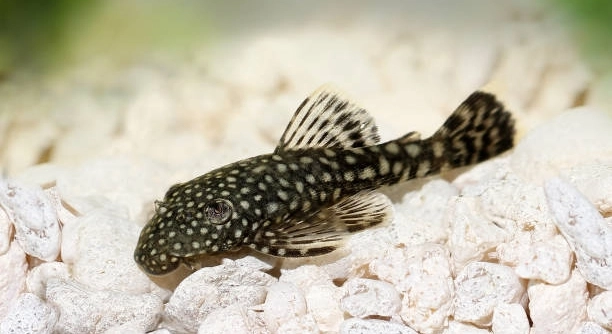
Caring for a sick pleco involves careful attention to their diet. While it may seem natural to feed them whenever possible, there are certain situations where withholding food can help their recovery. It’s important to know when to refrain.
Feeding a sick pleco at the wrong times can worsen their condition. During illness, plecos may have a reduced appetite or difficulty digesting food. Feeding them when they’re not ready can lead to further stress and health complications, delaying recovery.
Knowing when to avoid feeding your pleco ensures they get the best care possible. Understanding these crucial moments will help you better support their healing process and avoid making common mistakes that can hinder their health.
When Your Pleco Is Still Recovering
Feeding a sick pleco too soon can cause more harm than good. After they’ve been ill, their body needs time to recover, and forcing food can overwhelm their digestive system. It’s important to wait until your pleco has regained some strength and appetite. Even when they seem a bit better, their body might still be fragile and unable to process food properly. This means that offering food too early can lead to more stress or worsen their condition, potentially leading to bloating or other digestive issues. It’s better to be patient and observe their recovery closely before reintroducing food.
Waiting a bit longer can help your pleco regain their appetite gradually. Let them show signs of being more active and interested in food before offering it again.
Monitor your pleco closely and ensure that they’re fully recovered before feeding. Look for signs such as increased movement, a healthy appearance, and normal behavior. When they seem ready, begin offering small amounts of food, paying attention to their reaction. Avoid overwhelming their digestive system, as it might still be recovering from the illness. Start slow and gradually work your way up to more frequent feedings. Over time, they’ll regain strength and be able to handle a regular feeding schedule again. Patience during this period is key for long-term health.
When They Have an Upset Stomach
Sick plecos often struggle with digestive issues, which makes feeding them challenging. If their stomach is upset, it’s important to wait until they show signs of improvement before introducing food again. Their digestive system needs time to heal.
Once your pleco’s stomach is settled, they’ll start moving around more, showing interest in food. Offering food too soon might cause discomfort or further digestive distress, so it’s important to wait until they are stable. Start with easily digestible foods to prevent any issues.
When They Are Extremely Stressed
When your pleco is stressed, feeding them should be avoided. Stress can cause loss of appetite, and forcing food into their system can add more strain. Stress may stem from environmental changes, tank mates, or water quality. It’s crucial to focus on reducing stress before reintroducing food to avoid further health issues.
Focus on creating a calm and stable environment for your pleco. Make sure the water parameters are optimal and check that no aggressive tank mates are affecting them. Reducing stress is key for their recovery, and once they’re less stressed, their appetite should return.
Feeding a stressed pleco can lead to more discomfort, further stress, and health complications. It’s better to let them regain a sense of security first. Once they seem more relaxed, you can gradually offer food. Monitor their behavior closely to ensure they are adjusting to the environment and recovering before resuming regular feeding.
After Medication or Treatment
After your pleco has received medication or treatment, it’s vital to wait before offering food. The body might still be recovering from the treatment, and feeding too soon can strain their digestive system. It’s always safer to let them heal first.
During recovery, focus on monitoring your pleco’s health and behavior. Make sure their condition improves, and they are free from side effects of the treatment. Once they regain their strength, introduce food in small amounts. Gradually increasing food intake will help them get back to a normal eating routine.
When They Are Overfed
Overfeeding a sick pleco can make their condition worse. Too much food can lead to bloating, water quality problems, and increased stress. If your pleco is already unwell, it’s best to withhold food until they are more stable.
Always monitor their behavior to ensure they aren’t being overfed. Offer small portions and adjust as needed. Overfeeding can create unnecessary complications, so it’s important to feed them just enough to help their recovery without overwhelming them.
When They Aren’t Eating
If your pleco isn’t eating, avoid forcing food. When they’re not interested in food, their body might not be ready for digestion. Wait until they show signs of hunger or better health before offering anything.
Let your pleco regain their appetite naturally before trying to feed again. This gives their digestive system time to recover.
FAQ
Why should I avoid feeding a sick pleco when they’re not hungry?
A sick pleco’s digestive system may not function properly, and forcing food into their system can cause further complications. It may lead to bloating, uneaten food in the tank, and water quality issues. By not feeding when they’re not hungry, you’re helping them avoid additional stress on their already weakened body. Allowing them to regain their appetite naturally is key to their recovery.
How can I tell when my pleco is ready to eat again?
Look for signs of increased activity and interest in food. If your pleco starts swimming more, actively exploring their environment, and shows interest in food, this is a good indication they’re recovering. Their behavior should also be less lethargic, and they should appear more alert. Once they start showing these signs, you can offer small amounts of food and monitor their reaction.
Can I feed my pleco immediately after they’ve finished their medication?
It’s best to wait until your pleco fully recovers from the effects of the medication before introducing food. After medication, their digestive system may still be weak, and forcing food too soon could cause discomfort. Wait for signs that they are fully healed and gradually reintroduce food.
How much food should I give my pleco while they’re recovering?
During recovery, feed your pleco only small amounts of food at a time. Overfeeding can worsen their condition and cause bloating. Start with small portions and offer food less frequently. Gradually increase the amount as they regain their strength and appetite. Always keep an eye on their behavior to adjust the feeding amount.
Can stress affect my pleco’s appetite?
Yes, stress can severely affect your pleco’s appetite. When they are stressed, their body produces hormones that suppress hunger. Stress can come from many sources, including poor water quality, aggressive tank mates, or drastic changes in their environment. Once you reduce stress and stabilize their surroundings, your pleco is likely to regain their appetite.
What should I do if my pleco refuses to eat for an extended period?
If your pleco refuses to eat for several days, it could be a sign of a more serious issue. Check water parameters, ensure the tank is clean, and look for any signs of disease or injury. You may need to try offering a variety of foods or consult an aquatic veterinarian if the lack of appetite continues.
Is it okay to feed my pleco while they are recovering from an upset stomach?
It’s best to hold off on feeding if your pleco is recovering from an upset stomach. Overfeeding can exacerbate digestive issues, and their body needs time to heal. Once their condition improves and they show interest in food, you can begin feeding them easily digestible foods in small portions.
Should I avoid feeding my pleco if their tank mates are aggressive?
Yes, feeding a pleco in an environment with aggressive tank mates can cause additional stress. Your pleco may not feel safe eating if other fish are constantly harassing them. It’s important to ensure a peaceful tank environment before feeding. If needed, isolate the pleco in a separate tank during recovery to prevent aggression.
Can overfeeding harm my pleco even if they’re not sick?
Overfeeding can harm plecos at any time, even when they are healthy. Excess food in the tank can lead to poor water quality and bloating. Plecos are bottom feeders and may not need as much food as you think. Stick to feeding them small portions regularly, and avoid giving them too much at once.
How can I improve my pleco’s appetite after they’ve been sick?
Once your pleco starts to recover, you can help stimulate their appetite by offering a variety of food. Try different types of food like sinking pellets, algae wafers, or even fresh vegetables like zucchini or cucumber. The variety can encourage them to start eating again. Always start with small portions and gradually increase as they regain their strength.
What should I do if my pleco is still sick but showing some interest in food?
If your pleco is still sick but showing some interest in food, you can begin to offer small amounts of food. Keep it simple and offer easily digestible options. Monitor their reaction and make sure they’re not overeating or experiencing further digestive issues. Adjust the feeding schedule based on their recovery.
How long should I wait to feed my pleco after they’ve been sick?
The length of time you wait to feed your pleco after they’ve been sick depends on the severity of their illness and their recovery progress. In general, wait until they show signs of normal behavior and interest in food. This can take a few days to a week, depending on the pleco’s condition.
Can poor water quality affect my pleco’s eating habits?
Yes, poor water quality is a major factor in a pleco’s eating habits. If the water is too dirty or the chemical levels are off, your pleco may refuse to eat. Test the water regularly and maintain good filtration to ensure the water is clean and stable. This will help improve their appetite and overall health.
What are some common signs that my pleco isn’t eating because they’re stressed?
Common signs of stress in plecos include hiding more than usual, lethargy, rapid breathing, and avoidance of food. They may also show signs of aggression or become more skittish. If you notice these behaviors, try to identify the cause of stress and make adjustments to their environment to help them feel secure again.
Final Thoughts
Taking care of a sick pleco requires patience and attention to detail. They are sensitive creatures, and their health can be easily affected by factors like water quality, stress, and diet. When your pleco is unwell, it’s important to avoid feeding them at the wrong times. Overfeeding, forcing food when they aren’t hungry, or feeding them too early after medication can worsen their condition. Understanding when not to feed is just as important as knowing what to offer when they are ready to eat.
The key to a successful recovery for your pleco lies in providing a calm and stable environment. Ensuring the water quality is optimal is crucial. Regular water changes, proper filtration, and monitoring the water parameters will help your pleco feel safe and stress-free. Along with environmental stability, keeping an eye on your pleco’s behavior will allow you to know when it’s time to start feeding again. Never rush this process, as forcing food too soon can lead to digestive issues and further stress.
Once your pleco has shown signs of improvement, you can reintroduce food in small, manageable portions. A gradual approach helps ensure they don’t overwhelm their system. Offering a variety of food options can also encourage them to start eating. By being mindful of their health and providing the proper care, you can help your pleco recover and return to normal activity. Patience and careful observation will guide you in making the best decisions for your pleco’s recovery.

Hello,
If you enjoy the content that we create, please consider saying a "Thank You!" by leaving a tip.
Every little bit helps us continue crafting quality advice that supports the health, happiness, and well-being of pets around the world, for pets of all shapes, sizes, and species.
We really appreciate the kindness and support that you show us!