
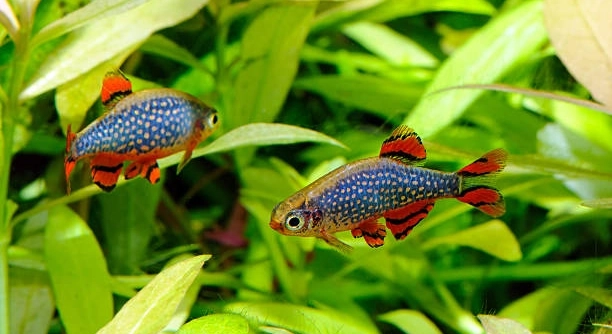
Do you ever find yourself arranging your aquarium and noticing your danios seem restless or stressed? The environment you create plays a bigger role than you might think in keeping them healthy and comfortable. Leaf litter can make a significant difference.
Adding extra leaf litter at specific times supports danios’ natural behaviors, provides shelter, and enhances water quality. Key periods include breeding, molting, seasonal changes, water parameter shifts, disease recovery, and post-cleaning to mimic their natural habitat effectively.
Understanding when and why to add leaf litter ensures your danios thrive in their tank. The following guidance will help maintain a balanced and healthy aquarium environment.
During Breeding Season
When danios enter their breeding season, extra leaf litter can create a more natural and secure environment. They instinctively seek out hidden spaces for spawning. Adding leaves helps diffuse light, reduces stress, and gives them places to lay eggs safely. Leaf litter also encourages natural behavior, allowing danios to feel more comfortable moving around the tank. Using leaves from safe, untreated sources ensures no harmful chemicals affect the water. Over time, decomposing leaves release beneficial tannins, which can slightly acidify the water and improve conditions for egg survival. It’s important to monitor water quality, as too much decaying material may require partial water changes. By strategically placing extra leaf litter, you provide both shelter and a supportive microhabitat for eggs and fry. Even small amounts make a noticeable difference, helping fry avoid predation and promoting healthy growth. Observing these changes can help you understand how your danios respond to subtle environmental cues during breeding periods.
Leaf litter during breeding reduces aggression and encourages spawning activity. It acts as a soft barrier and protective zone for eggs.
Extra leaves also contribute to the overall ecosystem within the tank. They provide hiding spaces for fry and small invertebrates, helping maintain a balanced habitat. Over time, the tannins released from the leaves create slightly softer water, which is ideal for fry survival. These conditions mimic the natural streams and rivers where danios originate, promoting healthier, more active fish. Regular monitoring ensures the leaves don’t overly decompose, keeping water quality safe. Using leaf litter thoughtfully during breeding can enhance reproductive success and reduce stress, resulting in a more dynamic, thriving aquarium.
After Tank Cleaning
Adding leaf litter after a thorough tank cleaning helps restore a familiar environment for danios. The change in layout and water can cause stress if their hiding spots are removed.
This extra litter quickly re-establishes their natural territories. Leaves soften the substrate and provide shelter, helping fish feel secure while adjusting to the refreshed tank.
Danios rely on visual and tactile cues from their environment. After cleaning, a sudden lack of these cues can trigger hiding or erratic swimming. By placing leaf litter strategically, you reintroduce landmarks and texture, which helps calm them. The litter also gradually releases tannins, which maintain water chemistry and provide a stable environment. Over time, this encourages feeding and social behavior, restoring normal tank dynamics. Extra leaves act as a buffer during water changes and prevent sudden exposure to open space that might stress the fish. Regular maintenance combined with thoughtful leaf placement ensures that the aquarium remains both visually appealing and supportive of the danios’ natural instincts.
During Molting
Leaf litter offers danios safe hiding spots during molting periods. The extra cover reduces stress and allows them to complete their molting process without interference from tank mates.
Molting is a vulnerable time for danios, as their new scales are soft and sensitive. Extra leaf litter provides shelter, giving them areas to rest and avoid aggression from other fish. The leaves also help maintain stable water conditions, which is important for recovery. By observing behavior, you can identify when more cover is needed, ensuring each danio molts safely. Strategically placed leaves allow fish to access open swimming areas while retreating when necessary.
In addition to safety, leaf litter encourages natural foraging during molting. Danios will pick at biofilm and microfauna that accumulate on the leaves. This supports their nutrition and keeps them engaged in natural behaviors. Over time, this reduces stress-related illnesses and promotes a healthier, more active tank. Leaf litter creates a dynamic environment that benefits both molting and general well-being, supporting the fish in maintaining regular growth cycles without interference from other tank dynamics.
Seasonal Changes
Seasonal water changes can affect temperature and chemistry, making extra leaf litter essential. Leaves provide protection and help stabilize conditions for danios.
Adding leaf litter during seasonal shifts creates shaded areas and buffers minor fluctuations in water parameters. It mimics the fallen leaves in their natural streams, softening the water slightly and releasing tannins gradually. The cover encourages natural movement and reduces stress, helping danios adapt smoothly to changing conditions. Monitoring water temperature and quality ensures that leaf decomposition does not negatively affect the tank.
By placing extra leaves in key areas, you maintain a consistent habitat despite environmental changes. Danios can retreat to familiar hiding spots, reducing aggression and stress. Leaves also support microbial communities that improve water quality, creating a more balanced ecosystem. Strategic layering prevents overcrowding while encouraging exploration. This approach ensures danios remain active, healthy, and visually comfortable throughout seasonal transitions. Even small adjustments in leaf placement make a noticeable difference in maintaining stable, calm behavior during periods of change.
After Illness
Extra leaf litter provides shelter and comfort for danios recovering from illness. The cover helps them feel secure and reduces stress, allowing them to regain strength more quickly.
Leaves also create small zones where weaker fish can rest without being disturbed by more active tank mates. This reduces competition and supports a calmer recovery environment.
When Water Parameters Shift
Sudden changes in pH, hardness, or temperature can stress danios. Leaf litter stabilizes the environment by releasing tannins that gently soften water, creating a buffer against rapid shifts.
During Fry Growth
Leaf litter offers hiding spaces for fry, protecting them from adults and giving them areas to explore safely. It encourages natural behaviors and reduces predation risk.
After Adding New Fish
Placing extra leaves helps newly introduced danios adjust. The litter provides hiding spots and familiar textures, reducing stress and aggression while they acclimate to the tank.
FAQ
Why is leaf litter important for danios?
Leaf litter creates a natural habitat that supports danios’ behavior, provides shelter, and improves water quality. It mimics the soft, shaded areas they would naturally find in streams, helping them feel secure and reducing stress. The leaves also foster microfauna growth, giving fish additional foraging opportunities.
Can too much leaf litter harm my tank?
Yes, excessive leaf litter can decompose too quickly, producing ammonia or lowering water quality. It’s important to add leaves gradually and monitor water parameters. Regular partial water changes help maintain a healthy balance while keeping the environment safe for your danios.
Which types of leaves are safe for danios?
Leaves from oak, Indian almond, and beech are commonly used because they release beneficial tannins and decompose slowly. Avoid leaves treated with pesticides or chemicals. Always rinse leaves before adding them to the tank to remove dust and potential contaminants.
How often should I add leaf litter?
Adding leaf litter depends on your tank conditions and danios’ behavior. Extra leaves are helpful during breeding, molting, illness recovery, seasonal changes, and after cleaning. Small additions every few weeks or as needed allow for a stable environment without overwhelming the tank.
Will leaf litter affect water parameters?
Yes, decomposing leaves release tannins that slightly acidify water and soften it. This is generally beneficial for danios, as it mimics their natural habitat. However, it’s important to test water regularly to ensure pH and hardness remain within safe ranges.
Can leaf litter reduce aggression among danios?
Extra leaf litter provides hiding spots and visual barriers, which help reduce aggression and territorial disputes. Fish have areas to retreat when feeling stressed, which promotes calmer interactions and supports healthier social dynamics in the tank.
How do I maintain leaf litter in the tank?
Leaves naturally break down over time. Remove any that decompose excessively or produce a foul odor. Rinse leaves if needed and replace with fresh ones. Maintaining a balance ensures the litter continues to benefit danios without harming water quality.
Is leaf litter necessary for all danio tanks?
While not strictly required, leaf litter improves environmental enrichment, promotes natural behavior, and supports water chemistry. It is particularly useful in breeding tanks, community setups, and during periods of stress or change. Tanks with bare substrates may see more stressed or shy fish without additional cover.
Can leaf litter be combined with other decorations?
Yes, leaf litter works well alongside plants, driftwood, and rocks. It adds texture to the substrate and complements other hiding spots. Layering leaves with decorations creates varied microhabitats, encouraging natural exploration and providing protection for both adults and fry.
How long do leaves last in the tank?
The lifespan of leaves depends on the type, tank conditions, and water flow. Oak and beech leaves can last several weeks to months, slowly decomposing while continuing to provide benefits. Monitoring decomposition ensures leaves are replaced before water quality is affected.
Will my danios eat the leaves?
Danios may nibble on leaves occasionally, but they primarily forage for biofilm and microorganisms that grow on the surface. The leaves act as a substrate for these food sources rather than being a main food item themselves.
Can leaf litter prevent disease?
Indirectly, yes. By reducing stress and providing hiding spots, leaf litter strengthens danios’ immunity. Healthy, less-stressed fish are more resistant to illness, and a balanced micro-ecosystem in the tank helps maintain cleaner, more stable water conditions.
Do I need to quarantine leaves before adding them?
Rinsing leaves thoroughly is usually sufficient. If collected from the wild, a brief soak in dechlorinated water or drying for a few days can reduce contaminants. Avoid chemically treated or contaminated leaves to prevent introducing toxins or pathogens.
Can leaf litter be used with all water types?
Leaf litter works well in both soft and moderately hard water, though the tannins will slightly soften and acidify the water. Testing parameters regularly ensures that any changes remain within safe levels for danios. It is less suitable for very alkaline setups unless carefully monitored.
How does leaf litter affect tank cleaning?
Leaf litter slows down visual debris accumulation, but it may also trap detritus beneath it. Cleaning under and around leaves is necessary to prevent buildup, while leaving some litter in place helps maintain the environment danios rely on. It’s a balance between hygiene and habitat stability.
Can I use dried vs. fresh leaves?
Dried leaves are preferred because they are easier to store, handle, and decompose predictably. Fresh leaves may introduce excess organic matter or chemicals. Drying also reduces the risk of mold or unwanted pests before adding them to the tank.
Does leaf litter change how often I feed my danios?
Not significantly, but it may slightly extend foraging behavior as danios pick at microorganisms on the leaves. Observing feeding habits ensures they still receive proper nutrition, adjusting portion sizes if necessary.
Will leaf litter make the tank look messy?
Initially, it can change the aesthetic, but over time it creates a natural, textured appearance. Layering and strategic placement keeps the tank tidy while providing functional benefits. It balances visual appeal with a more realistic environment for danios.
Can I combine different types of leaves?
Yes, using a mix of leaf types can provide varying textures, decomposition rates, and microhabitats. This diversity enhances the tank’s ecosystem, supports microbial growth, and gives danios more naturalistic hiding and foraging opportunities.
How do I know if danios are benefiting from the leaves?
Look for calmer behavior, natural foraging, and reduced aggression. Fry and molting fish use the leaves for cover. A stable, active, and stress-free aquarium indicates that the leaf litter is effectively supporting the fish and tank environment.
Are there alternatives to leaf litter?
Driftwood, plants, and moss can provide similar shelter, but leaf litter adds decomposition benefits and promotes biofilm growth. It is a low-cost, natural way to enhance the tank while supporting both adult fish and fry in their daily activities.
Can I use leaf litter in small tanks?
Yes, but placement must be careful to avoid overcrowding. Even a few small leaves provide shelter and microhabitats. Monitoring water quality is essential to prevent excessive organic load in limited spaces.
Do I need to remove leaves during water changes?
Not completely. Leaves can stay in place, but lightly rinsing or repositioning them helps prevent trapped detritus. Partial removal may be necessary if decomposition accelerates, maintaining water clarity and health.
Can leaf litter affect lighting in the tank?
Leaves create shaded areas that diffuse light, which can calm danios and reduce stress. This shading is particularly useful for shy fish or those recovering from illness or molting, simulating their natural environment effectively.
Is it safe to use leaf litter with other fish species?
Yes, most community fish benefit from the added cover. However, monitor aggressive species to ensure they do not dominate the shaded areas, as this could negate the benefits for danios. Leaf litter generally promotes balance in mixed tanks.
How do I store unused leaves?
Keep them dry in a sealed container away from sunlight and pests. Proper storage prevents mold and maintains the leaves’ natural properties until they are ready for use.
Can leaf litter influence breeding success?
Yes, by providing hiding spots and natural substrates, leaf litter encourages spawning and protects eggs and fry. It supports reproductive behavior while maintaining a stable and comfortable environment for both adults and young.
How often should I replace the leaves?
Replace leaves when they are heavily decomposed or no longer provide structure. Typically, this is every few weeks to months depending on water conditions, fish activity, and decomposition rate. Regular monitoring ensures continuous benefits without compromising water quality.
Will leaf litter affect filtration?
Leaves can slightly slow water flow in small areas, but this is generally beneficial. It creates microhabitats and reduces strong currents in hiding spots. Proper filter placement prevents buildup while maintaining effective filtration throughout the tank.
Are there any long-term benefits of leaf litter?
Yes, long-term use encourages natural behavior, supports microbial growth, stabilizes water parameters, reduces stress, and improves breeding success. Consistently using leaf litter creates a healthier, more balanced tank environment for danios and other compatible species.
Can I combine leaf litter with substrate additives?
Yes, layering leaves over sand, fine gravel, or soil is safe. It enhances the tank’s texture, supports microfauna, and maintains a natural appearance while providing functional benefits for danios’ behavior and well-being.
Does leaf litter affect algae growth?
It can provide surfaces for biofilm, which may compete with algae for nutrients. Shaded areas also reduce direct light exposure, slowing algae growth on the substrate and decorations. Regular monitoring prevents excessive buildup while maintaining a healthy balance.
Can I compost used leaves after removal?
Yes, used leaves can be composted safely if free of chemicals or pests. They add organic matter to compost and reduce waste, while keeping the tank’s environment fresh and healthy.
Is leaf litter suitable for all danio species?
Most danio species benefit from leaf litter, including zebra danios, pearl danios, and glowlight danios. The leaves provide consistent shelter and foraging opportunities across species, supporting both general health and natural behavior patterns.
How do I prevent leaves from floating excessively?
Pre-soak leaves or weigh them down with rocks or driftwood. This ensures they stay in place, creating stable hiding areas and maintaining the tank’s intended layout while decomposing gradually.
Does leaf litter need special treatment before use?
Rinsing and soaking are usually sufficient. This removes dust and dirt, prevents floating, and ensures the leaves are safe for the tank without altering water chemistry excessively.
Can leaf litter change tank maintenance routines?
Yes, it requires monitoring decomposition, occasional removal of decayed parts, and adjusting water changes as needed. Despite slightly more work, the benefits to danios’ health and behavior outweigh the extra care required.
How do I know when leaves are fully decomposed?
Leaves become soft, dark, and fragmented. They may lose shape and release more tannins. At this point, replacing them ensures continued shelter, water buffering, and habitat support for danios.
Can leaf litter influence tank aesthetics?
It creates a natural, layered look that mimics rivers and streams. While it may initially seem messy, properly arranged leaves provide texture and depth, enhancing both function and visual appeal.
Do I need to remove uneaten food from leaf-covered areas?
Yes, uneaten food can get trapped under leaves and decompose. Light siphoning or gentle removal prevents water quality issues while keeping the litter functional for shelter and foraging.
Are there seasonal considerations for leaf litter use?
Yes, during natural seasonal changes, additional leaves may be needed to replicate the softer, shaded conditions danios experience in the wild. Adjusting leaf placement helps them adapt smoothly.
Can I monitor leaf effectiveness?
Observe danio behavior, stress levels, foraging, and fry survival. Calm, active fish that use leaves for hiding indicate the litter is beneficial and supporting a balanced tank environment.
Will leaf litter affect tank smell?
Fresh leaves usually have minimal odor. Decomposing leaves may create a slight earthy smell, which is normal. Regular water maintenance and partial removal of decayed leaves prevent unpleasant odors.
Can I combine leaf litter with floating plants?
Yes, floating plants and leaf litter complement each other. Leaves provide bottom shelter while floating plants offer shade and surface cover, creating a multi-layered environment that benefits danios’ natural behaviors.
Does leaf litter provide nutritional benefits?
Indirectly, yes. Leaves support biofilm and microorganisms, which danios forage on. This adds variety to their diet and encourages natural feeding behaviors without replacing primary nutrition.
Can leaf litter help with shy fish?
Yes, leaves create hiding spaces and visual barriers, allowing timid danios to explore at their own pace. This reduces stress, encourages movement, and promotes confidence in the tank.
How do I balance leaf litter with other decorations?
Arrange leaves in clusters or along the substrate to complement plants, rocks, and driftwood. Ensure open swimming areas remain accessible while providing enough shelter for safety and natural behavior.
Is it okay to mix dried and fresh leaves?
Yes, but dried leaves are more predictable in decomposition. Fresh leaves may break down faster, so mixing should be done cautiously to avoid water quality issues.
Can leaf litter influence tank temperature?
Indirectly, leaves can create shaded microhabitats that feel cooler to fish. This does not significantly alter water temperature but can reduce stress in areas with bright lighting or heat.
Will leaf litter attract unwanted pests?
Properly rinsed and dried leaves are unlikely to introduce pests. Collecting untreated leaves and avoiding mold ensures the tank remains safe and uncontaminated.
How do I know if leaf litter is overcrowding the tank?
If swimming space is limited, water flow is blocked, or debris accumulates excessively, leaf litter may be too dense. Reducing or rearranging leaves restores balance while maintaining benefits.
Can leaf litter be used in nano tanks?
Yes, but placement is key. Small leaves or portions work best. Monitor water quality and avoid overcrowding to prevent stress or poor conditions in compact setups.
How does leaf litter support microfauna?
Leaves provide a surface for microorganisms to grow. These microfauna are natural food for fry and support a balanced ecosystem, enhancing the tank’s overall health and biodiversity.
Can leaf litter reduce stress after water changes?
Yes, leaves create familiar hiding spots and diffuse light, helping danios adjust after water changes. This reduces erratic swimming and supports calmer behavior.
Are there long-term maintenance tips?
Rinse or replace leaves periodically, monitor water parameters, and observe fish behavior. Rotating leaf types and maintaining balance ensures continuous environmental benefits without water quality issues.
Will leaf litter affect filter efficiency?
Leaves may slightly redirect flow but do not impair filtration if positioned carefully. Ensuring leaves do not block intakes maintains effective filtration while providing habitat benefits.
Can leaf litter help fry survival rates?
Yes, leaves provide cover from adult fish and create areas for exploring and foraging, significantly improving fry survival and supporting natural growth patterns.
How can I tell if my danios are using the leaves?
Watch for hiding, foraging, and resting behaviors around the litter. Active use indicates they feel secure and are benefiting from the habitat enhancements.
Can I combine leaves with sand or gravel substrate?
Yes, layering leaves over sand or gravel maintains structure, supports microfauna, and creates natural hiding spots while preserving open swimming space for danios.
Do leaves need to be replaced after breeding?
Yes, after eggs hatch and fry grow, leaves may decompose or become less effective. Replacing or adding fresh leaves maintains shelter and continues supporting natural behavior.
Can leaf litter be used in tanks with snails or shrimp?
Yes, it provides additional surfaces for grazing and contributes to the micro-ecosystem. Monitor decomposition to prevent water quality issues, especially in smaller tanks.
How much leaf litter is too much?
Covering more than half the tank floor may limit swimming space and water flow. Add enough to create shelter without overcrowding, ensuring balance and comfort.
Can leaf litter support natural filtration?
Indirectly, yes. Leaves foster microbial growth, which contributes to nutrient cycling and helps maintain water quality, complementing mechanical and biological filtration.
Does leaf litter help hide equipment?
Yes, strategically placed leaves can conceal heaters, filters, or pumps, improving aesthetics while maintaining functional habitat benefits.
Are there any risks for large danio groups?
If overcrowded, excessive leaf litter may concentrate waste in hiding spots. Monitoring density, water quality, and placement prevents potential stress or health issues.
How do I prevent leaves from floating away?
Pre-soak or weigh down leaves with small rocks, driftwood, or aquarium-safe décor to keep them in place while decomposing gradually.
Will leaf litter affect pH drastically?
No, tannins slightly lower pH gradually. Regular testing ensures it stays within safe limits for danios while providing natural environmental benefits.
Can leaf litter be used in planted tanks?
Yes, it complements plants by adding texture, providing microhabitats, and creating natural shading while supporting both fish and plant health.
How does leaf litter affect tank cleaning routines?
Leaves require light maintenance to prevent debris accumulation. Gentle vacuuming around them preserves habitat benefits while keeping water clear.
Can leaf litter be layered for effect?
Yes, layering different leaf types or thicknesses creates varied microhabitats, simulates natural substrates, and provides both foraging and hiding opportunities for all life stages.
Is leaf litter safe for long-term use?
Yes, with monitoring and occasional replacement, leaf litter provides enduring benefits without harming water quality or fish health.
Does leaf litter affect fish coloration?
Indirectly, reduced stress from hiding and natural behaviors may enhance overall coloration, contributing to healthier, more vibrant danios.
Can I add leaves during water parameter testing?
Yes, but account for minor tannin effects on pH. Leaves should not interfere with test results significantly if monitored carefully.
How do I dispose of old leaves safely?
Composting or trash disposal is safe. Avoid flushing to prevent plumbing issues. Ensure leaves are free from chemicals or pests before disposal.
Can leaf litter help timid danios socialize?
Yes, it provides safe zones that encourage gradual exploration and interaction, reducing fear and promoting natural schooling behavior.
Do I need to adjust feeding with leaf litter?
Not significantly. Leaves may encourage foraging on biofilm, but primary feeding routines remain unchanged. Observe for balanced consumption.
How do I balance leaf litter with adult and fry needs?
Place leaves in clusters to provide hiding spots for fry while maintaining swimming space for adults. This balance supports all life stages effectively.
Can leaf litter be used in high-flow tanks?
Yes, but anchor leaves to prevent displacement. Strategically positioned litter maintains habitat benefits even with stronger currents.
Are there signs leaves are no longer effective?
Fish avoiding the litter, excessive decomposition, or water quality issues indicate it’s time to replace or rearrange leaves for continued benefits.
How often should leaves be checked?
Weekly observation ensures decomposition, placement, and water quality remain optimal, maintaining a supportive environment for danios.
Can leaf litter help during water temperature fluctuations?
Yes, shaded areas provide calmer zones, allowing fish to find more stable microhabitats while reducing stress from temperature shifts.
Will leaf litter encourage natural foraging?
Absolutely, biofilm and microfauna grow on leaves, giving danios opportunities to feed naturally and engage with their environment actively.
Is leaf litter compatible with all aquarium sizes?
Yes, with careful placement. Even small tanks benefit from limited leaves, while larger tanks can support more extensive litter without compromising swimming space.
**Can I
Leaf litter plays a surprisingly important role in creating a comfortable and natural environment for danios. It provides shelter and shaded areas, which reduce stress and support their natural behaviors. Adding extra leaves at key times, such as during breeding, molting, illness recovery, or seasonal changes, allows the fish to feel safe and move freely. Even small amounts of leaf litter can make a noticeable difference in their overall well-being. The natural decomposition of leaves releases tannins into the water, which can slightly soften and acidify it, creating conditions closer to the streams and rivers these fish originate from. This gentle change in water chemistry is often beneficial for danios, promoting calm behavior and encouraging natural movement and foraging. Observing how your fish interact with leaf litter can help you understand their needs and adjust the environment accordingly, creating a more balanced and supportive tank.
Maintaining leaf litter in the tank is straightforward, but it does require attention. Leaves will naturally break down over time, so it is important to monitor their condition and remove any that decompose excessively or begin to affect water quality. Rinsing or lightly soaking new leaves before adding them to the aquarium ensures they are clean and free of contaminants. Gradually adding leaves rather than all at once helps maintain stable water conditions and prevents overcrowding. Leaf litter works well alongside other decorations like driftwood, rocks, and plants, creating layered microhabitats and providing both hiding spots and open swimming areas. Even small tanks can benefit from carefully placed leaves, as they offer shelter without limiting space for movement. Regular partial water changes, combined with occasional monitoring and adjustment of leaf placement, keep the tank healthy while retaining the benefits of the litter.
In addition to supporting health and behavior, leaf litter encourages natural feeding patterns and improves overall tank balance. Microorganisms and biofilm grow on the surfaces of the leaves, giving danios additional foraging opportunities that supplement their regular diet. Fry and smaller fish also benefit from the extra cover, which reduces predation risk and allows them to grow in a more protected environment. Over time, consistent use of leaf litter helps reduce stress-related behaviors and aggression, creating a calmer and more active community of fish. By observing your danios and paying attention to how they use the leaves, you can make small adjustments to optimize their habitat. Thoughtful placement and maintenance of leaf litter not only improve the visual appeal of the aquarium but also contribute to the long-term health, comfort, and natural behavior of your danios, making the tank a more harmonious and thriving environment overall.

Hello,
If you enjoy the content that we create, please consider saying a "Thank You!" by leaving a tip.
Every little bit helps us continue crafting quality advice that supports the health, happiness, and well-being of pets around the world, for pets of all shapes, sizes, and species.
We really appreciate the kindness and support that you show us!