
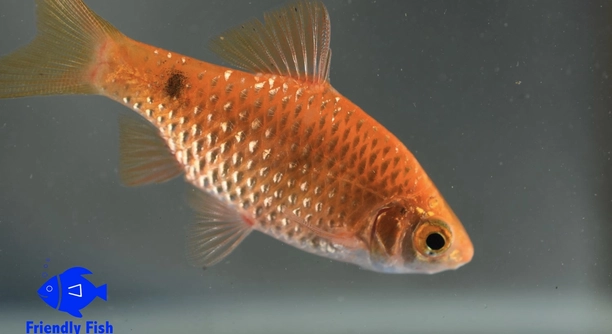
Rosy barbs are small freshwater fish popular in home aquariums. They are known for their vibrant colors and active behavior. Observing their interactions reveals surprising leadership qualities in their groups.
Rosy barbs display leadership by guiding group movement, initiating feeding, and protecting territory. Their social structure relies on certain individuals taking charge to maintain order and cohesion within the school. These behaviors reflect natural leadership traits in fish communities.
Recognizing these moments helps us better understand how rosy barbs organize themselves and interact with others in their environment.
Leading the School During Movement
Rosy barbs often take charge when the group changes direction. One or two fish swim ahead, guiding the others through the tank. This helps the school stay organized and avoid obstacles. Their leadership is clear in how smoothly the group moves together. The leader fish seem more confident and alert, sensing when it’s time to explore or hide. Other rosy barbs follow closely, trusting these signals. This behavior reduces confusion and keeps the school safer from threats or sudden changes. It also ensures that food sources are found efficiently. Watching this in action shows how important leadership is even among small fish. It’s a natural way for them to survive and thrive in their environment. Leadership roles may shift, with different fish leading at times depending on the situation and their health.
Leaders are typically the most active and alert members during group movement, maintaining control of the school’s path.
This clear leadership helps maintain group cohesion and improves overall survival chances. When one fish leads, the school moves faster and with less hesitation. Leaders set the pace and direction, allowing others to follow safely. In a busy aquarium, this keeps the group from scattering or stressing. The behavior is instinctive and supports their social balance. Recognizing these leaders highlights how complex fish behavior can be, even in simple species like rosy barbs.
Initiating Feeding Behavior
During feeding, some rosy barbs take the lead in finding and starting to eat the food first. This encourages others to follow and reduces competition by signaling the food is safe. Leaders often swim to the surface or bottom where food is dropped, then begin eating confidently. This action attracts the group and triggers a feeding response from the rest of the school. Without a clear initiator, feeding can be slower and less organized. This leadership role shows the importance of taking initiative in group settings, even for fish. It also reflects how social cues shape behavior and improve survival in shared environments. The feeding leader gains priority access to food but also supports the well-being of the whole school by calming others.
Feeding leaders influence the group by starting meals and encouraging others to join quickly.
This behavior ensures that food is distributed efficiently and that the group stays together while feeding. It reduces conflict and confusion. Fish that lead during feeding also demonstrate boldness, which can be beneficial in other situations, such as avoiding predators or exploring new areas. Their role strengthens the social structure within the school and highlights the balance between individual benefits and group needs. Observing feeding patterns can reveal which fish hold these leadership roles and how the group depends on them for stability and order.
Protecting Territory and Group Members
Rosy barbs show leadership by defending their space and school members. They actively chase away intruders or threats, maintaining safety for the group.
Leaders often position themselves between the threat and the rest of the school. They use quick movements and aggressive displays to warn off rivals or predators. This behavior is important because it reduces risk for weaker or younger fish. By standing guard, leaders ensure the group feels secure and can focus on feeding or resting. The protection role also includes patrolling the territory and alerting others if danger approaches. These actions require confidence and strength, qualities that leaders tend to show more clearly.
This protective role helps keep the social order stable. When a leader defends the group, it reduces stress and promotes healthy interactions within the school. Other fish learn to rely on these protectors, which strengthens group cohesion. The leader’s role in defense balances risk and rewards, highlighting the natural instincts that support survival in rosy barbs.
Initiating Group Movement in Response to Danger
Leaders quickly sense danger and signal the group to move together to safety. Their reactions trigger a coordinated escape.
When a threat appears, the leader makes rapid directional changes or swims toward cover, prompting the school to follow. This quick response is vital to avoid predators or other hazards. The leader’s alertness and prompt actions allow the entire group to react almost simultaneously. It also prevents confusion, which could lead to scattered fish and increased vulnerability. This behavior shows the importance of clear communication within a school. The leader’s ability to make split-second decisions often makes the difference between safety and risk.
Such leadership also helps maintain the group’s structure under stress. Fish rely on these cues to stay together and avoid harm. Over time, this builds trust and respect among school members. Recognizing these moments provides insight into how social roles support survival strategies in rosy barbs. Leaders balance the need for caution with the necessity of swift action to protect their group.
Leading Exploration of New Areas
Rosy barbs often lead when exploring unfamiliar parts of their environment. They swim ahead, checking for safety before the group follows. This cautious leadership helps prevent surprises or threats.
Leaders are usually the first to investigate changes in the tank. Their boldness encourages others to join and keeps the school together during exploration.
Setting the Pace During Swimming
Leaders control the swimming speed of the school. They set a pace that matches the group’s energy and environment, helping everyone stay coordinated and balanced.
Encouraging Social Interaction
Leaders often initiate social behaviors like chasing or gentle nudging. This promotes bonding and strengthens group dynamics among rosy barbs.
What makes rosy barbs natural leaders in their groups?
Rosy barbs display leadership through behaviors like guiding movement, initiating feeding, and protecting their group. These actions come from instincts that help maintain order and improve survival chances. Leadership roles are not fixed; different fish may lead depending on their alertness and strength. Their ability to respond quickly and confidently to changes in the environment is key to their natural leadership.
How can you tell which rosy barb is the leader?
Leaders are usually more active and confident than others. They swim at the front of the group during movement and are the first to approach food. They also take charge during stressful moments by directing the school away from threats. Observing which fish initiates feeding or takes a protective stance often reveals the leaders. These fish show more boldness and tend to be less shy than others.
Do rosy barbs always have the same leader, or does it change?
Leadership can change depending on the situation or the fish’s condition. A leader may step back if it becomes weak or tired, allowing a stronger fish to take over. This flexibility helps keep the group balanced and safe. Different fish may lead during feeding, movement, or defense, depending on their skills and confidence in each situation.
Why do rosy barbs follow the leader during feeding?
Following a leader during feeding reduces confusion and competition. When one fish confidently starts eating, it signals to others that the food is safe and available. This encourages the group to feed quickly and together, minimizing conflict. It also helps distribute food more evenly because the group stays close instead of scattering.
How does leadership affect the safety of rosy barbs?
Leaders help the group avoid danger by sensing threats early and directing the school to safety. Their quick reactions reduce stress and prevent scattering, which could make individuals more vulnerable. Protecting territory and standing guard are also part of their role. Leadership maintains group cohesion and reduces risk for weaker or younger fish.
Can a shy or weak rosy barb become a leader?
Typically, leaders are bolder and more active fish. Shy or weaker individuals are less likely to take on leadership roles because leading requires confidence and energy. However, if a current leader becomes ill or weak, another fish may step up. Leadership depends on the fish’s ability to respond effectively to group needs and environmental changes.
Does leadership behavior affect how rosy barbs interact with each other?
Yes, leadership shapes social dynamics. Leaders guide group activities and help maintain order. Their presence reduces conflict and stress within the school. Other fish learn to trust and follow leaders, which strengthens group bonds. Leadership also encourages social behaviors like chasing or gentle nudging, promoting interaction.
How important is leadership for the survival of rosy barbs in captivity?
Leadership remains important in aquariums as it does in the wild. Leaders help keep the school organized and calm, especially during feeding or when reacting to changes. Understanding these behaviors can improve care, ensuring the group stays healthy and stress-free. Providing enough space and hiding spots supports natural leadership roles.
Can leadership roles be encouraged or influenced by aquarium owners?
Owners can create environments that allow natural leadership to emerge by avoiding overcrowding and providing stable conditions. Offering varied feeding times and hiding spaces encourages leaders to take charge in different situations. Minimizing stress also supports confident behaviors. However, leadership depends mostly on the fish’s personality and health.
What should I do if I notice aggression from a leader rosy barb?
Some aggression is normal when leaders defend territory or maintain order. If aggression becomes harmful, consider increasing tank size or adding plants to create hiding spots. Separating overly aggressive fish may be necessary. Monitoring the group closely helps balance leadership and social harmony, preventing stress or injury.
Rosy barbs show many behaviors that reveal their natural leadership qualities. From guiding the group’s movements to starting feeding and protecting others, these fish take on important roles within their school. Their leadership is not about dominance but about helping the group stay safe and organized. These actions are essential for their survival both in the wild and in home aquariums. Understanding these behaviors gives us a clearer picture of how social fish like rosy barbs interact and support each other.
Leadership in rosy barbs is flexible and can change depending on the situation or the health of the fish. Different individuals may take charge during feeding, movement, or times of danger. This flexible system allows the group to remain balanced and strong. Leaders tend to be more active and confident fish, but other members step in when needed. This natural rotation keeps the group functioning smoothly and prevents stress or confusion. It also shows how cooperation plays a key role in the social lives of these fish.
Recognizing the leadership behaviors of rosy barbs can help aquarium owners provide better care. By allowing space for movement and providing safe hiding spots, owners support natural group dynamics. Understanding these behaviors can reduce stress and aggression in the tank, leading to a healthier environment. Paying attention to which fish lead can also give clues about the group’s overall health and well-being. Overall, rosy barbs demonstrate that leadership is a valuable and natural part of their social structure.

Hello,
If you enjoy the content that we create, please consider saying a "Thank You!" by leaving a tip.
Every little bit helps us continue crafting quality advice that supports the health, happiness, and well-being of pets around the world, for pets of all shapes, sizes, and species.
We really appreciate the kindness and support that you show us!